Entertainment Post

Pop Artists and the Direction of Concept Albums

For pop artists, concept albums offer a unique opportunity to build a cohesive body of work around a central theme or story. The format allows for more immersive storytelling, where each track contributes to an overarching narrative or thematic exploration. Some artists use concept albums to reflect on deeply personal experiences, exploring themes of identity, self-discovery, or emotional turmoil. Others delve into social and political commentary, using their platform to address contemporary issues such as racial inequality, climate change, or mental health awareness. This thematic flexibility allows artists to communicate more nuanced ideas, often through allegories or metaphors, lending depth to their work.

In other cases, artists might take a more mythological or fantastical approach, creating entire fictional universes or characters that explore themes in abstract ways. This form of storytelling often appeals to listeners who enjoy analyzing lyrics for hidden meanings and interpreting the metaphors used throughout the album. The ability to engage listeners in this way distinguishes concept albums from standard pop releases, which tend to focus on standalone hits rather than a connected thematic experience.

Musical and Production Techniques

Creating a concept album often requires pushing the boundaries of traditional music production techniques. Many pop artists experiment with genre blending, incorporating elements of pop, rock, electronic, classical, and even hip-hop into their sound. This hybrid approach enables artists to craft a unique sonic identity for their concept albums, further enhancing the thematic elements. For example, an album with a futuristic or dystopian theme may feature electronic production, while a personal, intimate album might lean on acoustic instruments to evoke a raw, emotional tone.

Additionally, these albums typically exhibit a sequential flow, where each track seamlessly connects to the next—either musically or thematically. The transitions between songs often help to maintain the album’s pacing and narrative momentum. Conceptual lyrics are a crucial component, as they reinforce the central storyline or theme, weaving recurring motifs or symbols throughout the album to create a cohesive experience.

Visual and Aesthetic Integration

Visual and aesthetic elements are often as integral to a concept album as the music itself. Album artwork plays a key role in setting the tone for the project, often providing clues or context to the themes explored within the music. Music videos take this one step further, with many concept albums featuring videos that extend the narrative or expand on the album’s themes through cinematic storytelling. These videos often adopt a more ambitious, abstract approach than typical pop visuals, mirroring the layered complexity of the album’s lyrics and themes.

Live performances are another area where the album’s concept can shine. Artists will often design elaborate concert stages that align with the album’s themes, turning live shows into immersive experiences that feel like an extension of the album itself. Fashion and branding also play a key role, with artists using their wardrobe, promotional materials, and public appearances to reinforce the aesthetic of the concept album. Whether it’s through costume design or set pieces, these elements help to blur the line between music and art, making the entire album cycle a fully integrated creative statement.

Pop Culture and Industry Influence

Many pop concept albums become trendsetting projects that influence the broader music industry. As artists experiment with complex themes, storytelling, and multimedia integration, these albums often shift the direction of pop music as a whole. Albums like these challenge the dominant singles-driven model in the streaming era, encouraging listeners to experience the project as a whole, rather than picking and choosing individual tracks.

The process of creating a concept album often involves a delicate balancing act between mainstream appeal and creative experimentation. While many concept albums are critically acclaimed for their bold artistic direction, they may not always dominate the charts in the same way a conventional pop release would. Still, for many artists, the long-term cultural impact of a concept album can outweigh its initial commercial performance. By collaborating with visual artists, filmmakers, and designers, pop stars can elevate their albums into multi-disciplinary projects that resonate across different media, further influencing trends in fashion, art, and film.

Notable Pop Concept Albums

Over the years, numerous pop concept albums have become iconic moments in music history. Albums like David Bowie’s The Rise and Fall of Ziggy Stardust, Beyoncé’s Lemonade, and Janelle Monáe’s The ArchAndroid have pushed the boundaries of what pop music can achieve. These albums not only redefined the artistic potential of pop but also set a new standard for what listeners expect from concept-driven projects.

In more recent years, pop artists have continued to embrace this format, pushing creative boundaries and challenging conventional pop formulas. These projects often receive widespread critical praise and find recognition at major industry award shows, with their thematic depth setting them apart from more commercial releases. Their artistic ambition often leads to lasting influence, inspiring future artists to experiment with narrative-driven albums.

Challenges and Criticisms

Despite their potential for artistic expression, concept albums are not without their challenges. Maintaining a cohesive narrative throughout the entire album can be difficult, particularly in the pop genre, where albums are often designed around hit singles rather than a continuous theme. Some artists struggle with balancing accessibility and depth, resulting in projects that may appeal to hardcore fans but alienate casual listeners.

Audience expectations also play a significant role in how these albums are received. Fans may have mixed reactions when an artist diverges from traditional pop formats, especially if they are accustomed to more straightforward, radio-friendly hits. Additionally, the commercial risks involved in producing a concept album can be significant. In an industry increasingly driven by singles and streaming, releasing a cohesive, thematic album may not always be a commercial success, especially if the project requires listeners to engage with it in its entirety.

The direction of concept albums in pop music continues to evolve as artists explore new ways of blending storytelling, music, and visual aesthetics. These albums offer a unique opportunity for pop stars to push creative boundaries, creating immersive, multidimensional projects that stand apart from traditional pop releases. While the process comes with certain challenges, particularly in maintaining thematic cohesion and balancing commercial viability, concept albums remain a powerful tool for artistic expression. As pop artists continue to innovate, the concept album is likely to remain a key fixture in the music industry, influencing not only future pop releases but also the broader cultural landscape.

The Integration of Gaming Into Other Forms of Entertainment

In recent years, gaming has rapidly evolved beyond being a standalone medium, integrating itself into various sectors of entertainment such as film, music, and sports. The boundaries between gaming and other forms of entertainment are blurring, with cross-industry collaborations creating new, immersive experiences. This integration is reshaping entertainment, pushing creative boundaries, and providing fans with innovative ways to engage. Below, we explore how gaming is being woven into other entertainment sectors.

Crossover with Film and TV

One of the most visible ways gaming has integrated into other forms of entertainment is through the crossover between video games and film/television. As video games grow in popularity, many titles are being adapted into big-screen movies or episodic series.

  • Video Game Adaptations in Film: Titles such as Uncharted, The Witcher, and Tomb Raider have successfully made the leap from consoles to cinemas and streaming platforms. These adaptations are attracting not only gamers but broader audiences, further bridging the gap between these two industries.
  • Interactive TV Series: Platforms like Netflix have experimented with interactive storytelling, allowing viewers to influence the outcome of series like Black Mirror: Bandersnatch. This approach borrows gaming mechanics, merging passive viewing with active participation.

Music Collaborations

Gaming and music collaborations are becoming a major trend, with music artists now incorporating gaming elements into their releases and concerts. Gaming platforms have also provided new ways for musicians to reach audiences.

  • Virtual Concerts in Games: Games like Fortnite and Roblox have hosted virtual concerts featuring artists like Travis Scott and Ariana Grande, bringing music performances to vast in-game audiences. These virtual concerts offer immersive, interactive experiences that surpass traditional live concerts in terms of scale and engagement.
  • Soundtracks and Custom Tracks for Games: Musicians are increasingly contributing original tracks or curated playlists for video games, enhancing the gaming experience. Games like Cyberpunk 2077 and Grand Theft Auto V feature soundtracks that mirror their in-game world, creating a cohesive cultural link between gaming and music.

Esports as a Global Phenomenon

Esports has seen tremendous growth, becoming a mainstream form of entertainment with a global audience. Professional gamers are now treated similarly to traditional sports athletes, with lucrative sponsorship deals and live events.

  • Esports in Mainstream Media: Esports tournaments are now broadcast on major sports networks like ESPN, cementing gaming’s status as a legitimate form of competitive entertainment. Events like The International (Dota 2) and League of Legends World Championship draw millions of viewers, rivaling traditional sports events in terms of global reach.
  • Esports and Celebrity Involvement: Many mainstream celebrities, athletes, and actors have become involved in the esports world, either through investments, brand partnerships, or by participating in gaming events themselves, further legitimizing gaming’s place in popular culture.

Interactive Storytelling in Media

Interactive storytelling, a hallmark of video games, is influencing other media formats. Interactive elements allow audiences to engage with stories in new ways, blending gaming mechanics with traditional narrative forms.

  • Choose-Your-Own-Adventure Formats: Inspired by video games, more shows and movies are incorporating “choose-your-own-adventure” styles, where viewers can determine the plot’s direction. This format gives audiences a greater sense of control, allowing for multiple story arcs within one show.
  • Immersive Experiences: Shows like Westworld and Stranger Things have created immersive, game-like experiences for fans, including real-life escape rooms, virtual reality (VR) components, and interactive websites that complement the viewing experience.

Gaming as a Cultural Influence

Gaming has become a significant cultural force, influencing fashion, language, and the arts. Pop culture references, in-game aesthetics, and character designs are often reflected in everyday fashion and media.

  • Influence on Fashion: Gaming aesthetics have increasingly influenced fashion trends. Collaborations between major game titles and fashion houses, like League of Legends partnering with Louis Vuitton, bring gaming into the high-fashion world, blending virtual and real-world styles.
  • Cultural Integration: Video game culture has expanded beyond the gaming community, influencing how people communicate and interact. Gaming slang and memes are now part of mainstream culture, further illustrating how deeply integrated gaming is within broader social contexts.

Brand Collaborations and Sponsorships

Major brands outside of gaming are recognizing the massive audiences games attract and are leveraging this opportunity through collaborations and sponsorships.

  • In-Game Advertising and Sponsorships: Brands like Nike, Adidas, and even car manufacturers like Mercedes have created in-game products or advertisements. These collaborations enhance the gaming experience while providing a new marketing platform for brands.
  • Crossover Events: Many gaming companies now host crossover events with major brands, offering limited-time in-game content or items themed around real-world products. This drives engagement for both the game and the partnered brand.

Virtual Reality in Entertainment

Virtual reality (VR) gaming has paved the way for broader applications in the entertainment industry. VR is no longer confined to gaming alone but is now being used in other sectors like cinema, live performances, and theme parks.

  • Immersive VR Experiences: VR is offering new forms of entertainment, blending gaming with real-life experiences. From VR concerts and interactive movie experiences to VR theme parks, the entertainment world is using this technology to engage audiences in ways traditional media cannot.
  • Cinematic VR: Filmmakers are using VR to create immersive storytelling experiences, allowing audiences to explore scenes and interact with the environment in ways that bridge the gap between film and gaming.

The integration of gaming into other forms of entertainment is revolutionizing how we consume media. From music concerts within games to interactive storytelling in television, gaming is no longer confined to its traditional boundaries. As gaming continues to influence various entertainment sectors, it is clear that its role in shaping the future of entertainment is both profound and far-reaching.

The Evolution and Success of Video Game Film Adaptations in the 2020s

Video game film adaptations have gained significant momentum in the 2020s, marking a notable shift in both the gaming and film industries. With advancements in technology, storytelling, and a growing fan base, these adaptations are becoming more successful and critically acclaimed. This article explores the reasons behind the rise of video game film adaptations, their impact on both industries, and some of the most notable adaptations of this decade.

Advancements in Technology

Improved Visual Effects

One of the key factors contributing to the rise of video game film adaptations is the advancement in visual effects technology. Modern CGI allows filmmakers to create visually stunning scenes that closely mirror the detailed graphics of contemporary video games. This technological improvement has enabled a seamless transition from game screens to the big screen, providing an immersive experience for audiences.

Enhanced Realism

The increase in realism, both in video games and films, has made adaptations more credible and engaging. Motion capture technology, which records the movements of actors to create realistic animations, has been a game-changer. This technology ensures that characters in film adaptations move and behave in ways that are faithful to their video game counterparts.

Storytelling Evolution

Complex Narratives

Video games have evolved to include complex and compelling narratives, often on par with those found in films. This evolution has made it easier to adapt these stories into films. Games like “The Last of Us” and “Uncharted” feature intricate plots and deep character development, providing rich source material for filmmakers.

Character Depth

The depth of characters in modern video games offers filmmakers a solid foundation for adaptation. Characters in games are no longer one-dimensional; they have backstories, personalities, and emotional arcs that resonate with players. This character depth translates well to film, where audiences expect nuanced performances and relatable protagonists.

Growing Fan Base

Expanding Audience

The gaming industry has seen exponential growth, with an expanding audience that spans various age groups and demographics. This broad audience creates a substantial market for video game film adaptations. As more people play video games, the demand for related media, including films, increases.

Fan Engagement

Gamers are known for their passionate engagement with their favorite franchises. This enthusiasm often extends to film adaptations, driving box office sales and streaming numbers. Studios have recognized the potential of tapping into this dedicated fan base, resulting in more video game adaptations being greenlit.

Notable Video Game Film Adaptations of the 2020s

“Sonic the Hedgehog” (2020)

“Sonic the Hedgehog” is a prime example of a successful video game film adaptation. Despite initial backlash over the character’s design, the film’s release was met with positive reviews and strong box office performance. The success led to a sequel, further cementing Sonic’s place in cinema.

“Detective Pikachu” (2019)

Although released in 2019, “Detective Pikachu” set the stage for the surge in video game adaptations in the 2020s. The film combined live-action and CGI to bring the Pokémon world to life, appealing to both long-time fans and newcomers. Its success demonstrated the viability of adapting beloved video game franchises into movies.

“Mortal Kombat” (2021)

“Mortal Kombat” offered a fresh take on the iconic fighting game series, combining brutal action sequences with a narrative that delved into the lore of the Mortal Kombat universe. The film was praised for its faithful representation of the game’s characters and its spectacular fight choreography.

“Borderlands” (2024)

Set to release in August 2024, “Borderlands” is one of the most anticipated video game film adaptations of the decade. Directed by Eli Roth and starring Cate Blanchett, the film promises to capture the chaotic and vibrant world of the Borderlands game series. Fans eagerly await its release, expecting it to be a standout adaptation.

Impact on the Film Industry

New Revenue Streams

Video game film adaptations have opened up new revenue streams for the film industry. Successful adaptations bring in significant box office revenue and create opportunities for merchandising, sequels, and spin-offs. This financial potential encourages studios to invest in more video game-related projects.

Collaboration Between Industries

The rise of video game film adaptations has fostered closer collaboration between the gaming and film industries. Game developers and filmmakers often work together to ensure that adaptations stay true to the source material. This partnership benefits both industries, as it enhances the quality of the adaptations and promotes cross-industry innovation.

The rise of video game film adaptations in the 2020s is a testament to the evolving nature of both the gaming and film industries. Technological advancements, complex storytelling, and a growing fan base have all contributed to this trend. Notable adaptations like “Sonic the Hedgehog,” “Detective Pikachu,” and the upcoming “Borderlands” film highlight the potential and success of these projects. As the lines between gaming and cinema continue to blur, the future looks bright for video game film adaptations, promising even more exciting and immersive experiences for fans.

The Indie Shuffle: Why Indie Films Are Stealing the Spotlight

Remember the days of summer movie season being a predictable parade of sequels and superhero smackdowns?  Yeah, those days are feeling a little stale.  These days, moviegoers are craving something more, something with a bit more substance than just another CGI explosion.  Enter indie cinema, the scrappy underdog of the film world.  Independent films, with their shoestring budgets and fiercely independent visions, are stealing the spotlight and finding a passionate audience hungry for something fresh.

So, what’s the secret sauce behind this indie upswing?  Well, for starters, audiences are looking for stories that resonate with them on a deeper level.  Big-budget Hollywood flicks can be fun, but let’s be honest, they can also feel formulaic and forgettable.  Indie films, on the other hand, are all about raw emotion and authentic storytelling.  They tackle real-life issues, explore diverse characters, and take viewers on journeys that stay with them long after the credits roll.  

“People are responding to films that feel real,” explained a recent article in IndieWire magazine.  “Indie films dare to be different, to challenge audiences, and to tell stories that Hollywood wouldn’t dare touch.”  This willingness to push boundaries and explore uncharted territory is a major reason why indie cinema is striking a chord with modern audiences.

But it’s not just about the stories themselves.  Indie films are also proving that you don’t need a mountain of cash to make a great movie.  In fact, the limitations of smaller budgets can often be a creative advantage.  Indie filmmakers have to be resourceful and rely on strong scripts, compelling performances, and innovative filmmaking techniques to capture the audience’s imagination.  “Without a huge budget, you have to focus on what truly matters: the story and the characters,” remarked an award-winning indie director in a recent interview.  

“And let me tell you, that focus can result in some incredibly powerful films.”  This emphasis on storytelling over spectacle is another reason why indie cinema is finding favor with moviegoers who are tired of the Hollywood formula.

A Hunger for Authenticity: Beyond the Superhero Spectacle

Let’s face it, audiences are craving something different.  While big-budget blockbusters can be entertaining, they can also feel formulaic and predictable.  Indie films, on the other hand, offer a breath of fresh air.  They tackle diverse themes, explore unique narratives, and often showcase a level of authenticity missing from mainstream cinema.

“People are looking for stories that resonate with them on a deeper level,”  stated a recent article in IndieWire magazine.  “Indie films often focus on human experiences, social issues, and real-life struggles, offering a more relatable viewing experience.”  This shift in audience preference is driving the success of independent films.  Viewers are seeking stories that challenge their perspectives, make them think, and leave a lasting impression.

Beyond the Budget: The Power of Storytelling

Independent films typically have smaller budgets compared to their mainstream counterparts.  This might seem like a disadvantage, but it can actually be a strength.  Indie filmmakers are forced to be more resourceful and creative in their storytelling.  They rely on strong scripts, compelling performances, and innovative filmmaking techniques to captivate audiences.

“The lack of a huge budget can actually be liberating,”  commented an award-winning indie director in a recent interview.  “It allows us to focus on the story and the characters, without being bogged down by special effects or big-name actors.”  This focus on storytelling often results in more impactful and emotionally resonant films.

The Rise of Streaming Services: A Boon for Indie Films

The rise of streaming services like Netflix, Hulu, and Amazon Prime has been a game-changer for independent cinema.  These platforms offer a global audience for indie films, bypassing the traditional gatekeepers of Hollywood studios.  Streaming services are also more willing to take risks on unconventional stories and emerging filmmakers.

“Streaming services have democratized the film industry,”  declared a recent blog post on the future of independent film.  “They provide a platform for diverse voices and unique stories to reach a wider audience.”  This access to a global audience allows indie films to compete with mainstream blockbusters, fostering a more diverse and exciting film landscape.

The Future of Film: A Blend of Big and Small

The rise of indie cinema doesn’t necessarily spell the end of mainstream Hollywood.  Instead, we might see a future where big-budget blockbusters coexist with critically acclaimed independent films.  The key for studios will be to find a balance, offering audiences a variety of films to choose from.

“There’s room for both big and small films in the industry,”  stated a recent industry report on the future of cinema.  “The success of indie films shows that audiences are hungry for originality and storytelling that pushes boundaries.”  This shift in audience preference is likely to continue shaping the film industry, paving the way for a more diverse and exciting cinematic landscape in the years to come.

Echoes of Nostalgia: Mysteries of 80s Pop vs. Modern Pop

In the vast symphony of popular music, the distinctive notes of 80s pop continue to reverberate through time, creating a sonic landscape that stands in stark contrast to the sounds of the modern pop era. The evolution of music is a dynamic journey shaped by technological advancements, cultural shifts, and artistic experimentation. This article embarks on a melodic exploration, unraveling the enigmatic reasons why 80s pop sounds different from the pulsating beats of its modern counterpart.

Analog vs. Digital: The Sonic Revolution

One of the defining characteristics that set 80s pop apart lies in the technological tools at its disposal. The 1980s witnessed the transition from analog to digital recording, marking a sonic revolution. The warmth of analog synthesizers, drum machines, and recording techniques of the 80s contributed to a distinct sonic palette. In contrast, modern pop often embraces the crisp precision of digital production, resulting in a cleaner, more polished sound.

Synth Dominance: The Electro-Waves of the 80s

Synthesizers emerged as the iconic sound architects of 80s pop, dominating the sonic landscape with their electronic waves. Synth-pop bands like Depeche Mode and New Order crafted melodies that echoed through layers of synthesizer magic. The synthesizer’s prominence in 80s pop is a stark departure from the diverse instrumentation and live instrumentation often featured in modern pop, where electronic elements coexist with a broader range of sounds.

Drum Machines and the Beat of the Decade

The rhythmic heartbeat of 80s pop was often driven by the unmistakable sound of drum machines. The synthesized beats, characterized by the distinctive punch and snap, became synonymous with the era’s danceable grooves. Modern pop, while still incorporating electronic beats, explores a wider array of percussive elements, embracing more intricate rhythms and diverse drum sounds.

Vocal Styles: From Reverb to Autotune

The vocal styles of 80s pop, adorned with lush reverbs and ethereal harmonies, contribute to its timeless allure. Singers like Whitney Houston and George Michael embraced the dramatic flair of reverberated vocals. In contrast, modern pop often leans towards a more natural and intimate vocal production, with the occasional use of auto-tune as an artistic choice rather than a defining characteristic.

Songwriting and Lyricism: From Anthems to Introspection

The lyrical themes of 80s pop often gravitated towards anthems of celebration, love, and societal observations. Iconic bands like Queen and U2 crafted anthems that echoed stadium-sized choruses. Modern pop, on the other hand, delves into a broader spectrum of emotions and personal introspection. Lyrics often explore vulnerability, mental health, and societal issues, reflecting the evolving perspectives of contemporary songwriting.

MTV and Visual Aesthetics: A Marriage of Sound and Image

The 80s witnessed the rise of MTV, transforming music into a visual spectacle. Music videos became an integral part of the pop experience, influencing both the auditory and visual senses. The extravagant visuals of artists like Madonna and Michael Jackson contributed to the era’s larger-than-life persona. In the modern era, while music videos still play a significant role, the digital age has expanded the avenues for visual storytelling, with artists often utilizing social media and streaming platforms to complement their music.

Contrarian Statement: Modern Retro and Blurred Boundaries

While distinct differences exist between 80s pop and modern pop, it’s essential to acknowledge the phenomenon of modern artists embracing retro elements. The resurgence of synth-pop, vintage synthesizers, and nostalgic production techniques has blurred the boundaries between eras. Some modern pop acts intentionally infuse their music with 80s-inspired sounds, creating a fusion that pays homage to the past while pushing the sonic boundaries of the present.

Conclusion

As the echoes of 80s pop continue to resonate through the corridors of musical history, the sonic evolution of pop music remains a captivating journey. The interplay of technology, instrumentation, and cultural influences has shaped each era’s distinctive soundscape. While 80s pop stands as a testament to the era’s exuberance and innovation, modern pop reflects the ever-changing landscape of artistic expression. In this symphony of sound, both eras contribute unique chapters, enriching the tapestry of popular music for generations to come.

How a Single Can Hype an Album Release

In today’s music industry, the release of a single plays a crucial role in generating excitement for an upcoming album. A well-timed and well-executed single can not only build anticipation but also define the tone of the album, creating a strong connection between the artist and their audience. Here’s a look at the strategies and elements involved in using a single to create hype around an album release.

1. Building Anticipation

A single serves as the first glimpse of what the album will offer, making it an essential tool in building anticipation. Artists and their teams often use teasers, social media campaigns, and countdowns to excite fans. Platforms like Instagram, Twitter, and TikTok allow artists to post snippets of the single, behind-the-scenes content, or cryptic clues to keep fans engaged in the days leading up to the release.

2. Establishing the Album’s Sound

One of the key functions of a single is to set the musical direction for the upcoming album. By choosing a song that best represents the album’s themes or sound, artists can give listeners a taste of what to expect. This strategic selection ensures that the single aligns with the overall tone of the album, while still standing on its own as a hit. In many cases, the single becomes synonymous with the album’s identity.

3. Creating Viral Moments

Platforms like TikTok and Instagram are essential for turning singles into viral hits. A single that catches on with influencers or is part of a trending challenge can generate enormous visibility. Whether it’s through dance challenges, memes, or unique content, viral moments help expand the single’s reach and bring more attention to the upcoming album.

4. Media and Radio Airplay

A successful single is often accompanied by strong media coverage and radio play, both of which help keep it in the public’s ear. Whether through traditional radio stations or popular Spotify playlists, exposure across platforms generates a buzz around the single, increasing interest in the full album. Media appearances, interviews, and features in blogs and magazines can further drive attention.

5. Strategic Release Timing

Timing is everything when releasing a single. Releasing a single too early may lead to audience fatigue before the album drops, while releasing it too late may not give it enough time to gain traction. Artists often time their single releases to coincide with events like award shows, festivals, or other cultural moments, maximizing their potential audience​.

6. Featuring Collaborations

Featuring well-known artists on a single can significantly boost visibility and fan engagement. Collaborations bring in multiple fan bases, broadening the single’s reach and sparking curiosity about the rest of the album. These collaborations often result in cross-promotion, where both artists share the single across their platforms, building momentum before the album’s full release.

7. Fan Engagement

A single release provides an opportunity for artists to engage directly with their fans. Hosting Q&A sessions, livestreams, or interactive social media polls around the single helps build a connection and keeps fans invested. Some artists even create exclusive pre-save links for streaming platforms, encouraging fans to pre-save the album before the single is out, boosting its early performance.

8. Touring and Live Performances

Live performances of a new single before the album release create a strong buzz. Artists who perform their new single on popular platforms like late-night talk shows or at major festivals help build anticipation. Additionally, surprise performances or intimate shows can create an exclusive feel, further hyping the album.

9. Music Video Hype

An eye-catching and innovative music video can enhance the impact of a single and generate viral attention. A well-executed video adds a visual dimension to the song and can reignite interest in the single weeks after its initial release. Platforms like YouTube and Vevo amplify the song’s reach, with fans sharing memorable or cinematic moments from the video across social media.

10. Streaming Impact

Streaming platforms like Spotify, Apple Music, and Tidal play a crucial role in hyping an album through pre-saves and playlist additions. A single that garners significant streams and gets added to prominent playlists can increase the album’s visibility. Pre-save campaigns also ensure that the single gets maximum plays the moment it’s released, boosting its chart performance and increasing the likelihood that fans will check out the full album when it drops​.

A successful single does much more than promote a single track. It sets the stage for the entire album, builds fan anticipation, and leverages viral moments to ensure maximum visibility. By utilizing a strategic mix of timing, media coverage, collaborations, and fan engagement, artists can create the perfect lead-up to their album release.

Crafting a Masterpiece: What Makes a Good Crime Film?

Crime films have captivated audiences for decades, offering a thrilling blend of suspense, mystery, and action. But what exactly makes a good crime film? This article delves into the essential elements that contribute to the success and appeal of crime movies, ensuring they leave a lasting impact on viewers.

Engaging Storyline

A good crime film starts with an engaging storyline. The plot should be intriguing, filled with twists and turns that keep the audience guessing. An unpredictable narrative keeps viewers on the edge of their seats, eagerly anticipating what will happen next. The best crime films weave complex plots that are both challenging to unravel and satisfying in their resolution.

Conflict is at the heart of any compelling story, and in crime films, it often revolves around a struggle between law and disorder. This conflict can take many forms, from a detective pursuing a cunning criminal to a heist gone wrong. The intensity and stakes of the conflict are crucial in maintaining the film’s tension and excitement.

Memorable Characters

A good crime film features complex protagonists, often with morally ambiguous traits. These characters are not simply good or bad; they have depth and dimension, making them more relatable and engaging. Whether it’s a flawed detective, a reluctant hero, or an anti-hero, these characters drive the story forward and keep the audience invested in their journey.

Equally important are compelling antagonists. A well-crafted villain can elevate a crime film from good to great. The antagonist should be intelligent, resourceful, and, in some cases, charismatic. Their motivations and actions should provide a worthy challenge for the protagonist, creating a dynamic and thrilling cat-and-mouse game.

Realistic and Immersive Setting

The setting of a crime film plays a significant role in its overall impact. Authentic locations, whether it’s the gritty streets of a city or a small-town backdrop, add realism and depth to the story. The environment should reflect the tone of the film, enhancing the narrative and providing a believable context for the characters’ actions.

Attention to atmospheric details can greatly enhance the viewing experience. This includes the film’s cinematography, lighting, and sound design. Dark, shadowy visuals, suspenseful music, and realistic sound effects contribute to the film’s mood and tension, immersing the audience in the story.

Strong Dialogue and Script

A good crime film relies on clever writing and sharp dialogue. The script should be well-crafted, with each line serving a purpose, whether it’s to develop characters, advance the plot, or build tension. Witty exchanges, memorable quotes, and thought-provoking conversations can leave a lasting impression on the audience.

Authentic dialogue is crucial in making characters believable and relatable. The way characters speak should reflect their personalities, backgrounds, and roles within the story. Natural, realistic dialogue helps to draw the audience into the world of the film and makes the interactions between characters more engaging.

Effective Pacing

Effective pacing is key to maintaining suspense in a crime film. The story should unfold at a pace that keeps the audience engaged, with well-timed reveals and escalating tension. Slow-burning suspense can be just as effective as fast-paced action, as long as the pacing supports the overall narrative and keeps viewers hooked.

A good crime film balances action and drama, ensuring that neither element overshadows the other. High-stakes action scenes should be interspersed with dramatic moments that develop characters and explore the story’s themes. This balance keeps the audience emotionally invested and provides a well-rounded viewing experience.

Themes and Moral Complexity Prevalent in Good Crime Films

Exploring relevant and thought-provoking themes can elevate a crime film. Themes such as justice, morality, and the nature of evil provide depth to the story and encourage viewers to reflect on the broader implications of the characters’ actions. A film that delves into these themes can leave a lasting impact and spark meaningful discussions.

Moral ambiguity is a hallmark of many great crime films. Characters are often faced with difficult choices that blur the lines between right and wrong. This complexity adds layers to the narrative and challenges the audience to consider different perspectives. Moral ambiguity makes the story more realistic and engaging, as it reflects the complexities of real-life situations.

A good crime film is a delicate balance of engaging storytelling, memorable characters, immersive settings, strong dialogue, effective pacing, and thought-provoking themes. These elements work together to create a captivating and thrilling experience that resonates with audiences. By focusing on these key components, filmmakers can craft crime films that stand the test of time and leave a lasting impression on viewers.

The Rise of Silent Concerts: Exploring the Trend Transforming Live Music

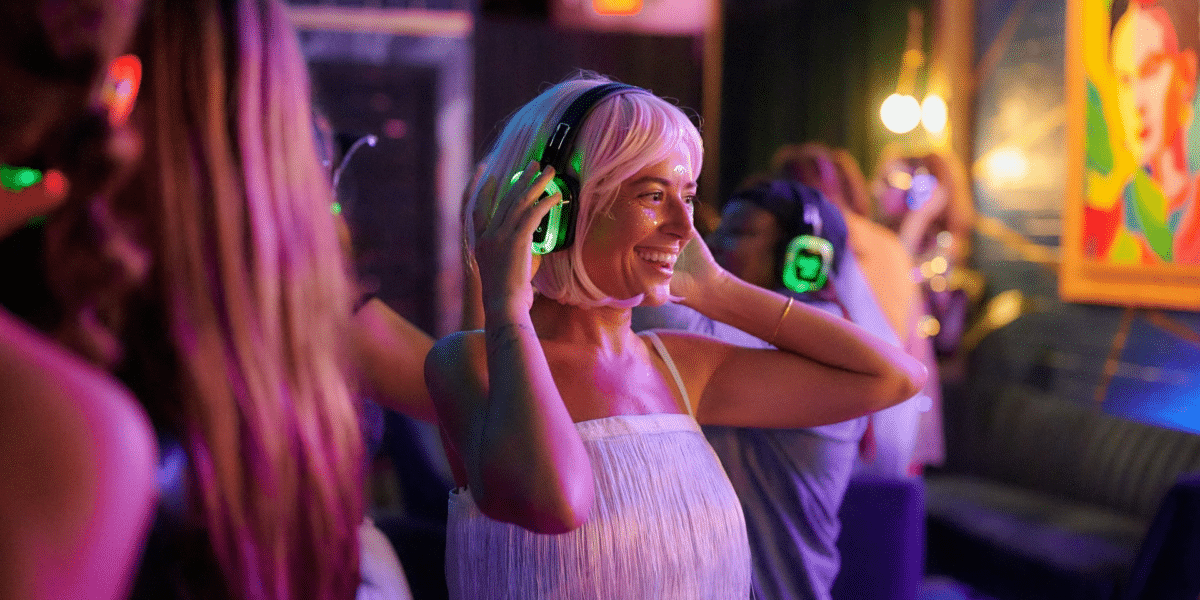
Silent concerts, where audiences listen to music through wireless headphones instead of traditional speaker systems, have become a significant trend in the music industry. This innovative approach to live music offers unique benefits for both performers and attendees. This article explores why silent concerts have become a major trend, highlighting their advantages, technological aspects, and impact on the live music experience.

The Rise of Silent Concerts

Silent concerts, also known as silent discos or headphone concerts, involve audience members wearing wireless headphones to listen to live music. The concept originated in the late 2000s and has gained popularity worldwide. Each attendee can control their own volume and switch between different audio channels, allowing for a personalized listening experience.

The rise of silent concerts is closely tied to advancements in wireless technology. High-quality wireless headphones and reliable audio transmission systems have made it possible to deliver clear, high-fidelity sound to large audiences. These technological innovations have overcome previous limitations and enabled the widespread adoption of silent concerts.

Benefits of Silent Concerts

One of the primary benefits of silent concerts is the ability to control noise levels. Traditional concerts can be loud and disruptive, particularly in urban areas or late at night. Silent concerts eliminate noise pollution, making it easier to host events in locations with strict noise regulations. This allows for greater flexibility in choosing venues and times for live performances.

Silent concerts offer enhanced sound quality compared to traditional concerts. Each attendee receives direct audio through their headphones, free from the distortions that can occur with speaker systems. This creates a more immersive and enjoyable listening experience, with clear, balanced sound that can be adjusted to individual preferences.

Silent concerts often feature multiple audio channels, allowing attendees to switch between different performers or music genres. This provides a unique and versatile experience, catering to diverse musical tastes. For example, a single event might feature a DJ on one channel, a live band on another, and a podcast or spoken word performance on a third.

With silent concerts, each attendee can control their own volume, creating a personalized listening experience. This is particularly beneficial for people who are sensitive to loud noises or prefer different volume levels. It also allows for a more inclusive environment, where everyone can enjoy the music comfortably.

Social and Cultural Impact

Silent concerts create a more inclusive atmosphere, accommodating diverse audience needs. People who may find traditional concerts overwhelming or inaccessible due to noise levels can participate fully in silent concerts. This inclusivity has helped broaden the appeal of live music events.

The unique social dynamics of silent concerts contribute to their popularity. Attendees can remove their headphones to converse without shouting over loud music, fostering a more social and interactive environment. This aspect makes silent concerts ideal for events where both music and conversation are important, such as festivals and corporate gatherings.

Silent concerts have introduced new possibilities for event planning. They can be held in unconventional venues where noise restrictions would typically prevent live music. This includes museums, rooftops, libraries, and even residential areas. Event planners can get creative with locations, offering memorable and distinctive experiences for attendees.

Challenges and Considerations

While silent concerts offer many benefits, they also come with technical challenges. Ensuring seamless audio transmission to a large number of headphones requires reliable equipment and careful planning. Technical issues such as signal interference or headphone malfunctions can disrupt the experience. Organizers must invest in high-quality technology and have contingency plans in place.

The cost of organizing a silent concert can be higher than traditional concerts due to the need for specialized equipment. Purchasing or renting a large number of wireless headphones and maintaining them can be expensive. However, as the popularity of silent concerts grows, economies of scale may help reduce these costs over time.

Not all concertgoers are immediately comfortable with the concept of silent concerts. Some may find it unusual or less engaging than traditional concerts. Organizers need to educate audiences about the benefits and unique aspects of silent concerts to encourage participation and acceptance.

Future of Silent Concerts

The popularity of silent concerts shows no signs of waning. As more people experience the benefits of this unique approach to live music, the trend is likely to continue growing. Festivals, clubs, and even fitness events have embraced silent concerts, expanding their reach and appeal.

Ongoing advancements in wireless technology and audio equipment will further enhance the silent concert experience. Improved battery life, sound quality, and connectivity will make silent concerts even more appealing and accessible. Virtual reality (VR) and augmented reality (AR) technologies may also be integrated into silent concerts, offering new dimensions of interactivity and immersion.

As silent concerts become more common, broader acceptance is expected among diverse audiences. Educational efforts and positive word-of-mouth will help demystify the concept and highlight its advantages. This broader acceptance will encourage more venues and event organizers to adopt silent concert formats.

Silent concerts have become a major trend due to their numerous advantages, including noise control, enhanced sound quality, and personalized listening experiences. The social and cultural impacts of silent concerts, along with the opportunities for innovative event planning, further contribute to their popularity. While there are challenges to consider, ongoing technological advancements and growing acceptance suggest a bright future for silent concerts. This trend represents a significant evolution in the way we experience live music, offering unique and inclusive experiences for audiences worldwide.

What Fall Concerts Offer That Summer Concerts Don’t

As the music scene transitions from the lively, sun-soaked days of summer to the cooler, cozier vibes of fall, concerts take on a distinct character. While summer concerts are known for their open-air festivals and bustling crowds, fall concerts offer unique experiences that set them apart. This article explores what makes fall concerts special, focusing on aspects like weather and atmosphere, audience experience, musical diversity, event logistics, and cultural significance.

Weather and Atmosphere

One of the most noticeable differences between summer and fall concerts is the weather and atmosphere. Fall brings cooler temperatures, creating a more comfortable environment for both performers and attendees. The oppressive heat of summer gives way to crisp autumn air, making outdoor concerts more enjoyable without the need for constant hydration and shade-seeking. The cozy settings of fall concerts, often featuring warm lighting and rustic decor, enhance the overall ambiance, making the experience feel more intimate and personal.

Additionally, the autumn scenery adds a visual element that summer concerts can’t match. The changing leaves and golden hues of fall provide a beautiful backdrop for outdoor performances, contributing to a serene and picturesque environment that complements the music. Whether it’s an outdoor amphitheater surrounded by trees or a city park transformed by the colors of fall, the season’s natural beauty becomes an integral part of the concert experience.

Audience Experience

Fall concerts tend to offer a different kind of audience experience compared to their summer counterparts. The venues are often more intimate, with smaller crowds that allow for a closer connection between the artist and the audience. This intimacy can lead to focused performances, where artists are more engaged and can interact more directly with their fans. The reduced scale of fall concerts also means that the events are typically less crowded, providing a more relaxed and enjoyable atmosphere for concertgoers who prefer a more laid-back experience.

This shift in audience dynamics can also lead to a more attentive and appreciative crowd. Without the distractions of large festivals or the fatigue of a day spent under the hot sun, fall concertgoers are often more focused on the music itself, creating a shared experience that feels more meaningful and memorable.

Musical Diversity

Fall concerts are known for their musical diversity, offering a wide range of genres and performances that reflect the season’s introspective and reflective mood. Many artists use this time to debut new album releases, often incorporating fresh material into their setlists that may not have been heard during the summer tour circuit. These seasonal setlists can include songs that resonate with the themes of change, nostalgia, and renewal, which are often associated with the fall season.

Additionally, fall concerts provide a platform for more experimental acts. With the festival season winding down, artists have the freedom to explore new sounds and styles that might not fit the more commercial vibe of summer shows. This experimentation can lead to unique and unexpected performances that stand out in the concert calendar, offering something different for music fans looking for a break from the mainstream.

Event Logistics

The logistics of organizing and attending fall concerts are also distinct from summer events. Flexible scheduling is a key advantage, as fall concerts often take place in the evening, allowing attendees to enjoy the show without the pressures of a full day in the sun. The cooler weather also opens up more indoor options, making it easier to plan events without the uncertainty of summer storms or extreme heat.

Fall concerts sometimes incorporate holiday-themed shows, tapping into the festive spirit of the season. Whether it’s a Halloween-themed rock concert or a Thanksgiving weekend music festival, these events add an extra layer of fun and tradition to the concert-going experience. This connection to the holidays makes fall concerts feel more like special occasions, adding to their appeal.

Cultural Significance of Fall Concerts

Finally, fall concerts hold a unique cultural significance within the music industry. There is a long-standing tradition of fall tours, with many artists choosing this time of year to hit the road and connect with fans before the year ends. This tradition is often linked to the connection to holidays, as mentioned earlier, where music becomes a key part of seasonal celebrations.

Fall concerts also play a role in end-of-year celebrations, providing a soundtrack to the final months of the year. Whether it’s a farewell tour, a reunion show, or a year-end festival, these concerts often carry a sense of closure and reflection, making them a memorable part of the annual concert calendar.

While summer concerts are known for their high energy and outdoor festivities, fall concerts offer a more intimate, diverse, and culturally significant experience. From the cooler weather and beautiful scenery to the focused performances and seasonal themes, fall concerts provide a unique and memorable way to enjoy live music. As the music scene shifts with the changing seasons, fall concerts stand out as a special and cherished part of the entertainment landscape.

How Directors Can Reclaim Their Dominance in Film Genres

In the film industry, many directors find their niche in a specific genre, creating iconic movies that define their careers. However, as trends evolve and the industry shifts, some directors may struggle to maintain their dominance in the genre they once excelled in. This article explores how directors can successfully bounce back in the genre they once dominated, offering strategies and insights for revitalizing their careers.

Understanding the Challenges

Shifting Audience Preferences

One of the main challenges directors face is the shift in audience preferences over time. What was once popular may no longer resonate with contemporary viewers. This can be particularly challenging for directors who have built their careers on a specific style or genre. To bounce back, directors need to understand these shifts and adapt their approach accordingly.

Industry Evolution

The film industry is constantly evolving, with new technologies, storytelling techniques, and industry standards emerging. Directors who fail to keep up with these changes risk falling behind. Whether it’s the rise of digital effects, new distribution platforms, or changing cinematic trends, staying relevant requires a willingness to innovate and evolve.

Strategies for Bouncing Back

Reconnecting with the Genre

To reclaim their position in the genre, directors should start by revisiting the core elements that made their earlier work successful. This involves re-examining the themes, visual styles, and narrative techniques that resonated with audiences. By reconnecting with these elements, directors can create films that feel both fresh and familiar, appealing to both longtime fans and new viewers.

Embracing Innovation

While it’s important to honor the elements that defined their earlier success, directors must also embrace innovation. This could mean incorporating new technologies, experimenting with different storytelling formats, or collaborating with fresh talent. Innovation allows directors to push the boundaries of the genre and create something that stands out in a crowded market.

For example, directors who once dominated the horror genre might experiment with psychological horror or integrate advanced visual effects to create a new kind of fear. By blending the old with the new, directors can breathe life into their work and captivate modern audiences.

Learning from Failures

Failures can provide valuable lessons for directors looking to make a comeback. By analyzing what went wrong in previous projects, directors can identify areas for improvement and avoid making the same mistakes. Whether it’s a box office flop or a critically panned film, every failure offers insights that can inform future projects.

Directors should also be open to feedback from both critics and audiences. Understanding the reasons behind a film’s poor reception can help directors make the necessary adjustments to their style, storytelling, or execution. This willingness to learn and adapt is crucial for bouncing back in a genre.

Collaborating with Fresh Talent

Partnering with Emerging Writers and Producers

Collaborating with emerging writers and producers can bring a fresh perspective to a director’s work. These collaborations can infuse new ideas, energy, and creativity into a project, helping to modernize the director’s approach while staying true to the genre. Fresh talent can also introduce directors to new techniques, technologies, and trends that they may not have considered before.

For example, a veteran action film director might partner with a young writer known for their innovative screenplays, resulting in a film that combines classic action elements with contemporary storytelling.

Leveraging Industry Connections

Established directors often have extensive industry connections, which can be invaluable when trying to bounce back in a genre. By leveraging these connections, directors can assemble a strong team of writers, producers, actors, and technical experts to bring their vision to life. This network can also help directors secure funding, distribution deals, and marketing support, increasing the chances of a successful comeback.

Staying True to Artistic Vision

Balancing Commercial Success with Artistic Integrity

While it’s important for directors to adapt to industry trends and audience preferences, they should also stay true to their artistic vision. Balancing commercial success with artistic integrity can be challenging, but it’s essential for maintaining authenticity and credibility. Directors who compromise too much risk alienating their core audience and losing their unique voice.

Instead, directors should focus on projects that align with their artistic vision while also appealing to a broader audience. This balance can be achieved by choosing stories that are both commercially viable and personally meaningful.

Revisiting Successful Formulas

Sometimes, the best way for a director to bounce back is to revisit the formulas that brought them success in the first place. This doesn’t mean repeating the same stories, but rather identifying the elements that worked and finding new ways to explore them. Whether it’s a specific narrative structure, character archetype, or visual style, revisiting successful formulas can help directors create films that resonate with audiences and remind them of the director’s earlier work.

Bouncing back in a genre that a director once dominated is no easy task, but it’s certainly possible with the right approach. By understanding the challenges, embracing innovation, learning from failures, collaborating with fresh talent, and staying true to their artistic vision, directors can successfully reclaim their place in the industry. As the film landscape continues to evolve, directors who are willing to adapt and grow will find new opportunities to make their mark and connect with audiences once again.