
Bringing Mesopotamia to Life: Documentaries on the Cradle of Civilization


What Makes Ancient Mesopotamia a Fascinating Subject for Documentary Films?
Ancient Mesopotamia, often called the “cradle of civilization,” is one of the most compelling subjects for documentary filmmakers interested in history, archaeology, and cultural heritage. This region, located between the Tigris and Euphrates rivers in modern-day Iraq and parts of Syria and Turkey, is where some of the earliest human societies developed complex urban centers, writing systems, legal codes, and monumental architecture.
Documentary films exploring Mesopotamia capture not only the awe-inspiring achievements of early civilizations such as the Sumerians, Akkadians, Babylonians, and Assyrians but also the daily lives, beliefs, and struggles of their people. The storytelling potential lies in connecting modern audiences to these ancient worlds through archaeological discoveries, expert interviews, and vivid reconstructions.
The richness of Mesopotamian culture, combined with its profound influence on human history, makes it a timeless and educational topic. Documentaries serve as bridges between the past and present, illuminating the origins of many aspects of contemporary society.
How Do Documentary Filmmakers Bring Mesopotamian History to Life?
Bringing ancient Mesopotamia to life on screen requires a blend of scholarly research and creative storytelling. Filmmakers collaborate with archaeologists, historians, and linguists to ensure accuracy and depth. These experts provide context for artifacts, ruins, and texts, translating complex academic knowledge into engaging narratives. Visual storytelling is enhanced through high-quality footage of archaeological sites such as Ur, Nineveh, and Babylon. Drone shots capture the vast landscapes where these civilizations flourished, while CGI and animations reconstruct temples, ziggurats, and cityscapes based on archaeological evidence.
Narration and reenactments often humanize historical figures and everyday people, portraying their experiences and societal roles. This immersive approach helps audiences understand the cultural, political, and technological innovations that shaped Mesopotamia. Sound design and music inspired by ancient traditions add emotional layers, enhancing the atmosphere and drawing viewers deeper into the world being depicted.
What Are the Key Themes Explored in Mesopotamian Documentaries?
Documentaries on ancient Mesopotamia typically explore several interwoven themes that reveal the complexity of early civilizations. One prominent theme is the development of writing and language, particularly the invention of cuneiform script, which revolutionized communication, administration, and literature.
The rise of city-states and the birth of governance and law—exemplified by the Code of Hammurabi—highlight themes of power, justice, and societal organization. Filmmakers explore how rulers consolidated power and the ways legal systems influenced social order. Religion and mythology are also central themes. Mesopotamian belief systems were intricate, with gods and goddesses representing natural forces and human emotions. Epic tales like the Epic of Gilgamesh provide insights into ancient values, mortality, and heroism.
Technological and scientific achievements, including advances in agriculture, irrigation, mathematics, and astronomy, illustrate the ingenuity that supported urban growth and cultural development. Conflict and conquest—the ebb and flow of empires—offer dramatic narratives about human ambition and resilience.
How Do Documentaries Address the Challenges of Preservation and Archaeological Research?
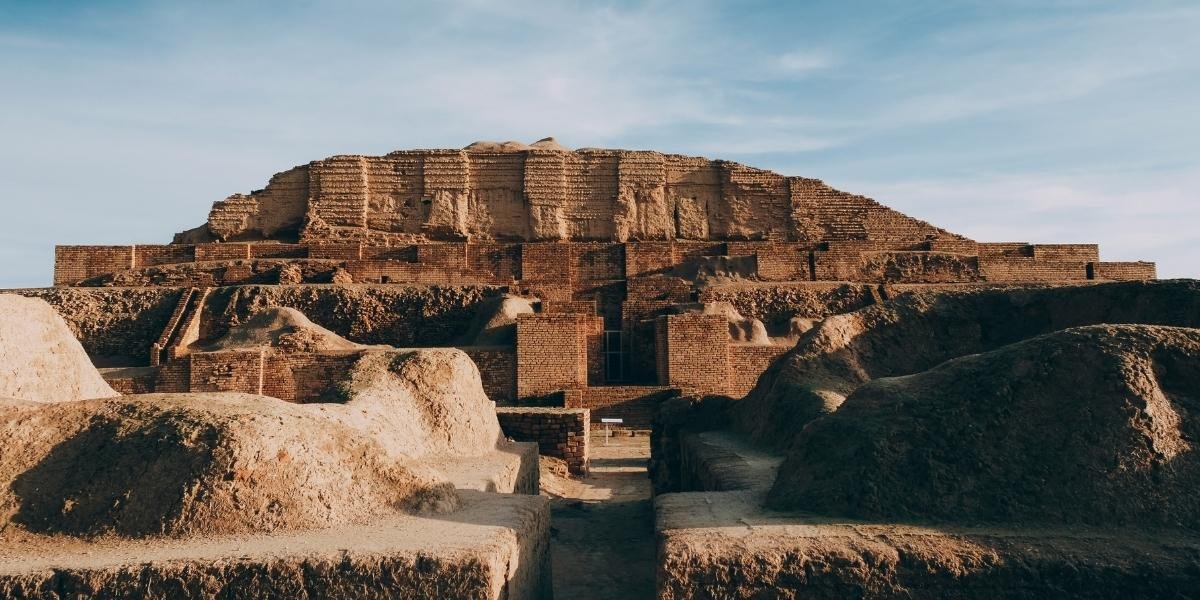
Photo Credit: Unsplash.com
Filming ancient Mesopotamia comes with challenges related to the region’s political instability, accessibility, and preservation of artifacts. Many sites have suffered from war, looting, and environmental degradation, making preservation a pressing concern.
Documentary filmmakers often highlight these issues, raising awareness about cultural heritage protection. Interviews with archaeologists discuss efforts to excavate, conserve, and restore sites under difficult conditions. The use of non-invasive technologies such as ground-penetrating radar and satellite imagery is showcased to illustrate how modern science aids discoveries without damaging fragile sites.
Filmmakers also explore the ethical dimensions of archaeology, including debates over artifact repatriation and the involvement of local communities in heritage management. By weaving these challenges into their narratives, documentaries emphasize the ongoing importance of protecting Mesopotamia’s legacy.
What Impact Do Mesopotamian Documentaries Have on Education and Cultural Understanding?
Documentary films about ancient Mesopotamia play a vital role in education by making complex historical and archaeological knowledge accessible to wide audiences. They are valuable resources for schools, universities, and museums, supplementing textbooks with vivid, engaging content. These films foster appreciation for one of humanity’s earliest civilizations, highlighting the roots of writing, law, and urban life. They also encourage viewers to reflect on cultural continuity and change, helping bridge the gap between ancient and modern societies.
By showcasing the achievements and struggles of Mesopotamian peoples, documentaries promote cross-cultural understanding and respect. They remind audiences of the shared human heritage that transcends time and geography. Additionally, these films can inspire interest in careers in archaeology, history, and cultural preservation, contributing to the future of scholarship and conservation.
How Are Modern Technologies Enhancing Mesopotamian Documentary Filmmaking?
The advent of cutting-edge technologies has revolutionized how filmmakers tell the story of ancient Mesopotamia. High-definition cameras and drones capture sweeping vistas and detailed imagery of archaeological sites, providing immersive visual experiences.
Computer-generated imagery (CGI) and 3D modeling allow for accurate reconstructions of lost cities, temples, and artifacts, giving audiences a glimpse of how these ancient environments might have looked and felt. Virtual reality (VR) and augmented reality (AR) offer interactive experiences, enabling viewers to explore Mesopotamian sites virtually, deepening engagement and learning.
Digital archives and databases have improved access to research materials, allowing filmmakers to incorporate the latest findings and perspectives. Social media and streaming platforms broaden the reach of documentaries, connecting global audiences with Mesopotamian history and fostering online discussions.
What Future Directions Can Be Expected in the Documentary Exploration of Mesopotamia?
Looking forward, documentaries on ancient Mesopotamia are likely to continue embracing interdisciplinary approaches, combining archaeology with anthropology, linguistics, and environmental science. This will provide more holistic portrayals of ancient life. Collaborations with local scholars and communities will grow, ensuring diverse perspectives and ethical storytelling.
Innovations in storytelling formats, such as episodic series and interactive documentaries, will offer deeper explorations of specific themes or sites. Increased attention to the political and social contexts affecting archaeological work will remain important, raising awareness about heritage preservation.
Ultimately, these documentaries will continue to inspire curiosity, education, and cultural appreciation, preserving the echoes of Mesopotamia’s ancient legacy for future generations.

