The Enduring Legacy of Superhero Films on Culture


Beyond the Cape: Exploring the Cultural Impact of Superhero Films
Superhero films have transcended their origins as niche comic book adaptations to become a dominant force in global cinema and an undeniable cultural phenomenon. What began as escapist entertainment, often dismissed as mere “comic book movies,” has evolved into a genre that consistently breaks box office records, shapes fashion trends, influences social discourse, and reflects societal values in profound ways. The impact of these films extends far “beyond the cape,” embedding itself deeply into popular culture and influencing how we perceive heroism, identity, and collective responsibility in the modern world.
The sheer scale of the superhero film industry, particularly with interconnected cinematic universes like the Marvel Cinematic Universe (MCU) and the DC Extended Universe (DCEU), signifies more than just commercial success. These films have fostered unprecedented levels of global fandom, creating shared cultural touchstones that unite diverse audiences. Their narratives, often rooted in themes of good versus evil, justice, and self-sacrifice, resonate with universal human aspirations, providing both thrilling spectacle and opportunities for deeper contemplation.
This will delve into the multifaceted cultural impact of superhero films, moving beyond their entertainment value to examine how they reflect and influence societal attitudes, inspire new forms of media engagement, and leave an indelible mark on our collective imagination. We will see how these cinematic sagas have become a powerful lens through which to understand contemporary issues and a vibrant force shaping the cultural landscape of the 21st century.
How Do Superhero Films Reflect and Shape Societal Values?
Superhero films serve as powerful cultural mirrors, often reflecting the prevailing societal values, anxieties, and aspirations of the era in which they are made. From their inception, comic book characters like Captain America emerged during World War II as patriotic symbols, embodying American ideals and serving as a coping mechanism during times of global conflict. This historical connection to real-world events has continued into the cinematic era, with films frequently grappling with contemporary issues such as surveillance, post-9/11 anxieties, and the complexities of power.
Beyond reflecting existing societal themes, superhero films also actively shape cultural values by presenting idealized heroes who embody traits like justice, courage, resilience, and compassion. These characters, despite their extraordinary abilities, often grapple with human vulnerabilities and moral dilemmas, making them relatable and aspirational. Films like Black Panther, for example, not only entertained but also ignited global conversations about African identity, representation, and the responsibilities of advanced societies, demonstrating how a fictional narrative can spur real-world social commentary and push for greater inclusivity.
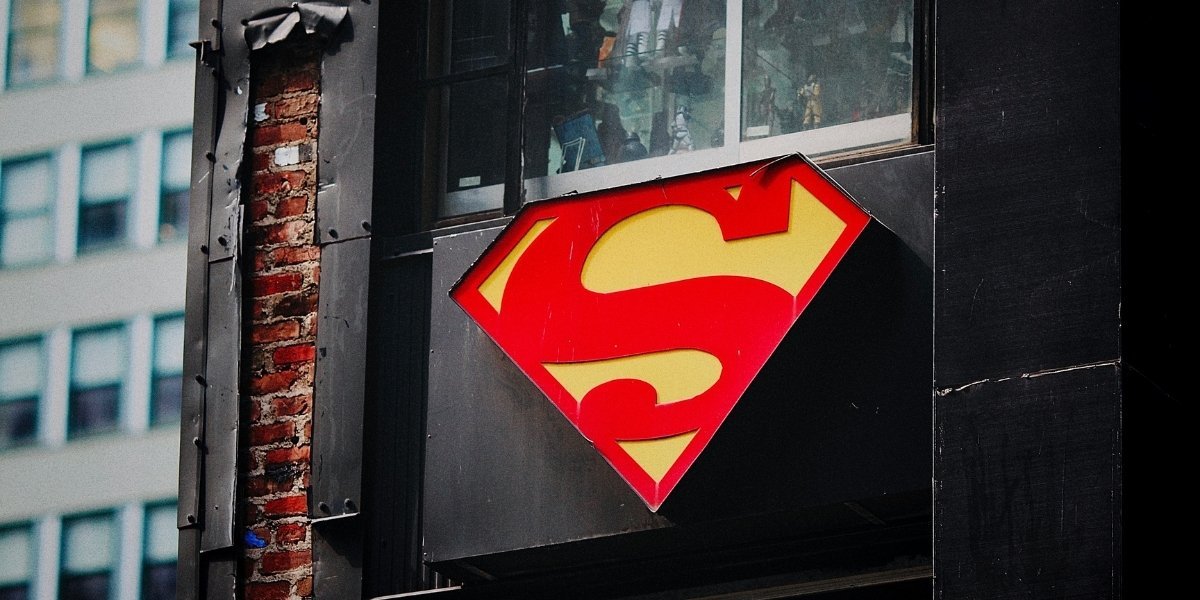
Photo Credit: Unsplash.com
The evolution of superhero characters themselves within these films also showcases a societal shift. Earlier portrayals often presented one-dimensional figures, but modern superhero narratives delve into complex psychological profiles, moral ambiguities, and diverse motivations. This allows for a more nuanced exploration of heroism and villainy, reflecting a growing societal comfort with ambiguity and a desire for more intricate storytelling that aligns with contemporary understandings of human nature and societal challenges.
What is the Influence of Superhero Films on Global Pop Culture?
The rise of superhero films has undeniably solidified their position as a cornerstone of global popular culture, transforming the landscape of entertainment and fandom. The interconnected narratives of shared cinematic universes have fostered a unique viewing experience, where audiences follow sprawling storylines across multiple films and even television series. This multi-platform approach has created a sense of ongoing engagement and anticipation, turning film releases into major global events that transcend traditional movie-watching habits and foster massive collective experiences.
Beyond the box office, superhero films have spawned a colossal merchandising industry, deeply integrating characters and symbols into everyday life. From action figures and apparel to video games and home decor, superhero iconography is ubiquitous, allowing fans to express their allegiance and immerse themselves further in these fictional worlds. This commercialization reinforces the films’ cultural presence, ensuring that their influence extends beyond the cinema screen and into consumer habits worldwide, creating a self-sustaining ecosystem of cultural engagement.
The impact on fandom has been transformative, fostering vibrant communities around the globe. Conventions, cosplay, fan art, and extensive online discussions are testaments to the deep personal connections audiences form with these characters and their stories. This participatory culture demonstrates how superhero films have become more than just entertainment; they are a shared cultural language, providing a common ground for diverse individuals to connect, debate, and celebrate a collective mythology, solidifying their indelible mark on global pop culture.
How Do Superhero Films Drive Technological Innovation and Cinematic Trends?
The ambition inherent in bringing superheroes’ fantastical powers and epic battles to life on the big screen has consistently pushed the boundaries of technological innovation in filmmaking. Cutting-edge visual effects (VFX) and Computer-Generated Imagery (CGI) are central to the superhero genre, allowing for the depiction of superhuman abilities, alien worlds, and destructive confrontations with unprecedented realism. This continuous demand for more immersive and believable spectacle drives advancements in rendering, motion capture, and digital artistry, benefiting the entire film industry.

Photo Credit: Unsplash.com
Beyond CGI, superhero films often serve as testing grounds for new cinematic techniques and storytelling approaches. The intricate stunt choreography, complex sound design, and innovative camera work required to convey superhuman feats influence action cinema across genres. The rise of interconnected cinematic universes, for example, represents a significant shift in franchise development, inspiring other studios to attempt similar long-form, multi-film narratives, thereby changing the landscape of Hollywood blockbuster production and audience expectations for serialized storytelling.
The financial success of superhero films also enables studios to invest heavily in research and development for new filmmaking technologies. This includes advancements in virtual production, where actors perform in front of LED screens displaying digital environments, allowing for more seamless integration of live-action and CGI. These technological leaps, often pioneered or perfected within the superhero genre, ultimately filter down to other film productions, demonstrating how the genre’s demands for spectacle act as a powerful engine for cinematic progress and visual storytelling innovation.
What Social Commentary is Embedded Within Superhero Narratives?
Superhero narratives frequently engage with complex social issues, albeit often through allegorical or fantastical lenses, providing a platform for cultural commentary. The X-Men franchise, for instance, has long been interpreted as a metaphor for civil rights movements, with mutants facing prejudice and discrimination for simply being born different. Their struggle for acceptance and equality mirrors real-world battles against racism, homophobia, and other forms of systemic oppression, allowing audiences to explore these themes safely within a fictional context.
Films like Captain America: The Winter Soldier delved into themes of government surveillance and the dangers of unchecked power, resonating with contemporary debates about civil liberties and state authority. Iron Man explored the ethics of military-industrial complexes and the personal responsibility of inventors for their creations. These films use their fantastical premises to ask timely questions about trust in institutions, the morality of advanced technology, and the balance between security and freedom, subtly weaving social critique into thrilling action sequences.
More recently, films like Wonder Woman and Captain Marvel have contributed to ongoing conversations about gender representation and empowerment in mainstream media. By placing strong, capable female leads at the forefront of major blockbusters, these films challenge traditional gender norms and provide aspirational figures for diverse audiences. This deliberate push for greater diversity and inclusion, not just in casting but also in the narratives themselves, highlights how superhero cinema is increasingly striving to reflect and address the evolving social consciousness of its global audience.