Entertainment Post

How Social Media is Empowering Independent Musicians

Digital Empowerment: Social Media and Platforms Fueling Independent Musicians

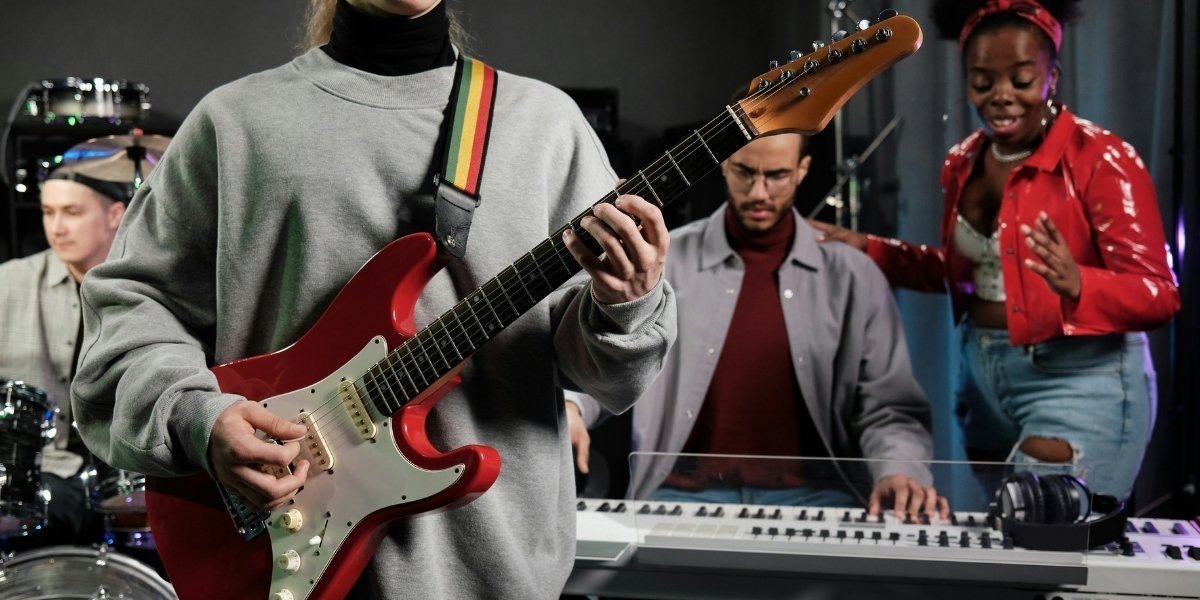
The music industry has undergone a dramatic transformation in recent years, largely driven by the rise of social media and digital platforms. These tools have empowered independent musicians in ways that were once unimaginable, giving them the ability to bypass traditional gatekeepers, connect directly with global audiences, and build sustainable careers without relying on major labels. We explore how social media and digital platforms are revolutionizing the music landscape, providing independent artists with unparalleled opportunities for growth, promotion, and engagement.

From content creation to fanbase development and monetization, this guide dives into the core strategies that musicians can use to harness the power of digital tools. Whether you’re an emerging artist or an established indie musician, the insights shared here will help you thrive in the digital age, providing you with the necessary tools and strategies to take your music career to the next level.

The Power of Social Media for Independent Musicians

Social media platforms have become the cornerstone of an independent musician’s promotional toolkit. These platforms provide artists with direct access to their audience, enabling them to share their music, personality, and creative process with the world. What was once a privilege reserved for those with industry connections is now available to anyone with an internet connection.

Building and Connecting with a Global Audience

Social media allows independent musicians to reach a global audience without the need for traditional distribution channels. Platforms like Instagram, TikTok, Twitter, and Facebook enable artists to share their music and personal stories, instantly building a connection with fans across the world.

Through these platforms, musicians can share behind-the-scenes content, promote new releases, and interact with their audience in real-time. This direct communication fosters a deeper sense of connection, allowing musicians to cultivate a loyal, engaged fanbase.

Tips for Effective Social Media Use:

  • Consistency is key: Post regularly to keep your audience engaged and build anticipation for upcoming releases.

  • Use visuals: High-quality photos and videos will help your content stand out on visually-driven platforms like Instagram and TikTok.

  • Engage actively: Respond to comments, messages, and mentions. The more you interact with your fans, the more likely they are to support your music.

Showcasing Authenticity and Personality

In a digital landscape saturated with content, authenticity is a key differentiator. Social media allows independent musicians to showcase their personalities, which helps humanize their brand and make their music more relatable. Fans are not only drawn to an artist’s music but also to the artist as an individual.

Platforms like TikTok, in particular, have become breeding grounds for viral moments and trends, giving musicians the chance to display their creativity in ways that feel organic and spontaneous. This approach not only increases visibility but also strengthens the emotional connection between the artist and their fans.

Tips for Showcasing Authenticity:

  • Be yourself: Share content that reflects who you are, not just your music. Fans appreciate realness.

  • Be open: Share your struggles, successes, and behind-the-scenes moments. It shows you’re human, which builds trust.

  • Embrace trends: Participate in viral challenges or memes that align with your style to increase visibility.

Leveraging Digital Platforms for Distribution and Revenue
How Social Media is Empowering Independent Musicians

Photo Credit: Unsplash.com

Digital platforms are not just for marketing—they also provide independent musicians with the tools needed to distribute their music and generate income. Through streaming services like Spotify, Apple Music, and YouTube, artists can reach audiences and start building revenue streams directly from their music.

Music Distribution Made Easy

Platforms like TuneCore, DistroKid, and CD Baby have made it easier than ever for independent musicians to distribute their music to major streaming services. These platforms allow artists to retain control over their music, enabling them to release songs whenever they choose while earning royalties from streams and downloads.

Tips for Distribution:

  • Choose the right platform: Depending on your needs, some distribution services are better suited for certain types of music or genres.

  • Optimize your metadata: Make sure your song titles, artist name, and genre are properly tagged, which can help your music appear in relevant playlists and search results.

Monetization Beyond Streaming: Exploring Other Revenue Streams

While streaming is an essential revenue source for independent musicians, it’s not the only one. Social media and digital platforms have opened doors for diverse income streams, from direct fan support to brand partnerships.

Key Revenue Streams:

  • Merchandising: Artists can design and sell their own merchandise directly through platforms like Bandcamp and Shopify. Offering exclusive, limited-edition items creates a sense of exclusivity that fans are willing to pay for.

  • Crowdfunding and Fan Donations: Platforms like Patreon and Ko-fi allow fans to support their favorite musicians through subscriptions or one-time donations. These platforms also enable artists to offer exclusive content or experiences in exchange for financial backing.

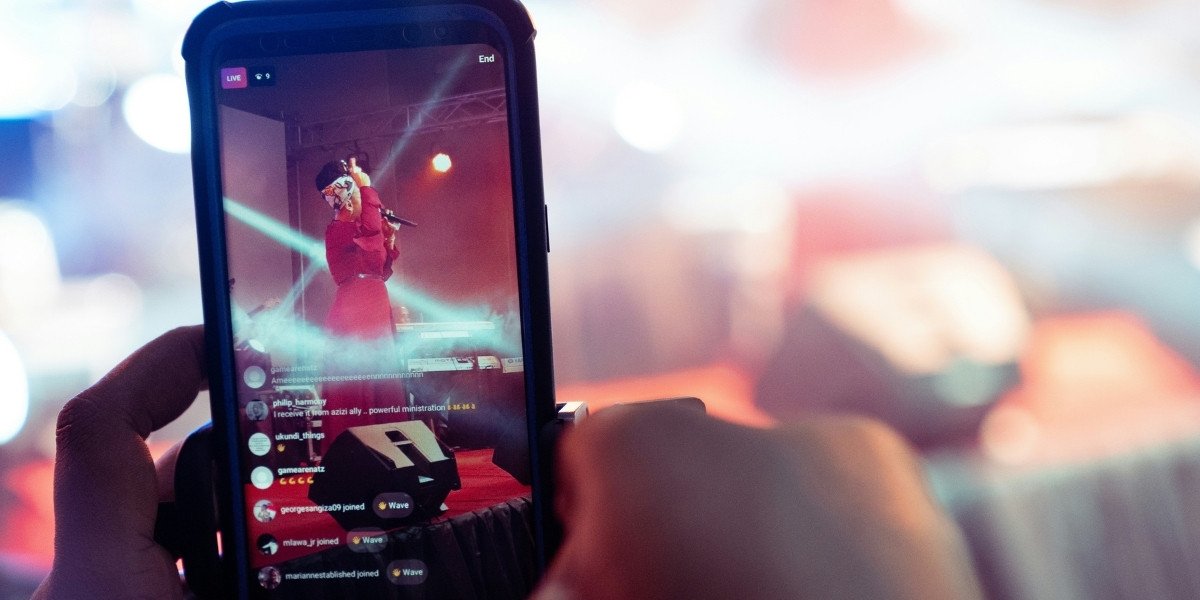
  • Live Streaming and Virtual Concerts: Especially during the COVID-19 pandemic, live streaming platforms like Twitch, Instagram Live, and YouTube provided musicians with a way to perform and interact with fans remotely. Musicians can monetize live streams through donations, ticket sales, or merchandise sales.

  • Sponsorships and Brand Partnerships: Independent musicians can also collaborate with brands or companies for sponsorships, providing additional income through promotions or advertising.

Tips for Monetizing Your Music:

  • Engage with fans: Use platforms like Patreon to offer exclusive content, behind-the-scenes access, and special rewards for dedicated supporters.

  • Leverage video content: Use YouTube and TikTok to engage with a wide audience and monetize through ads or brand partnerships.

  • Be strategic with live shows: Use virtual events to supplement income while building a more intimate connection with your fans.

Using Data Analytics for Artistic and Business Decisions

One of the major advantages of social media and digital platforms is the wealth of data they provide. From streaming metrics to engagement rates, the insights available through these platforms can inform both your artistic choices and business strategies.

How Data Can Help:

  • Understand your audience: Platforms like Spotify for Artists and YouTube Analytics offer detailed demographic data, helping you understand where your fans are located, their age ranges, and their listening habits. This allows you to tailor your content and promotional efforts to specific groups.

  • Track engagement: Social media platforms provide insights into how your content is performing, including likes, shares, comments, and follower growth. Use this data to refine your content strategy, posting frequency, and style.

  • Monitor revenue: Platforms like Bandcamp and DistroKid give you access to real-time sales data, helping you track your income and adjust your strategy accordingly.

Tips for Using Data:

  • Regularly check analytics: Use data to identify trends, such as which songs or posts perform the best, and adjust your strategy based on this feedback.

  • A/B testing: Experiment with different types of content (video, images, posts) to see what resonates best with your audience.

  • Optimize releases: Use streaming data to determine when your audience is most active and time your releases accordingly.

Empowering Independent Musicians in the Digital Age

The rise of digital platforms and social media has fundamentally changed the way independent musicians navigate the music industry. With the right strategies, musicians can take full control of their careers, bypassing traditional gatekeepers and connecting directly with a global audience. By utilizing tools for content creation, fan engagement, distribution, monetization, and data analytics, independent artists now have the power to build sustainable careers that are artist-driven and financially viable.

Whether you’re just starting out or looking to expand your presence, embracing the digital tools available today is essential for thriving in the modern music industry. With dedication, creativity, and strategic use of digital platforms, independent musicians can harness the full potential of the internet to fuel their success.
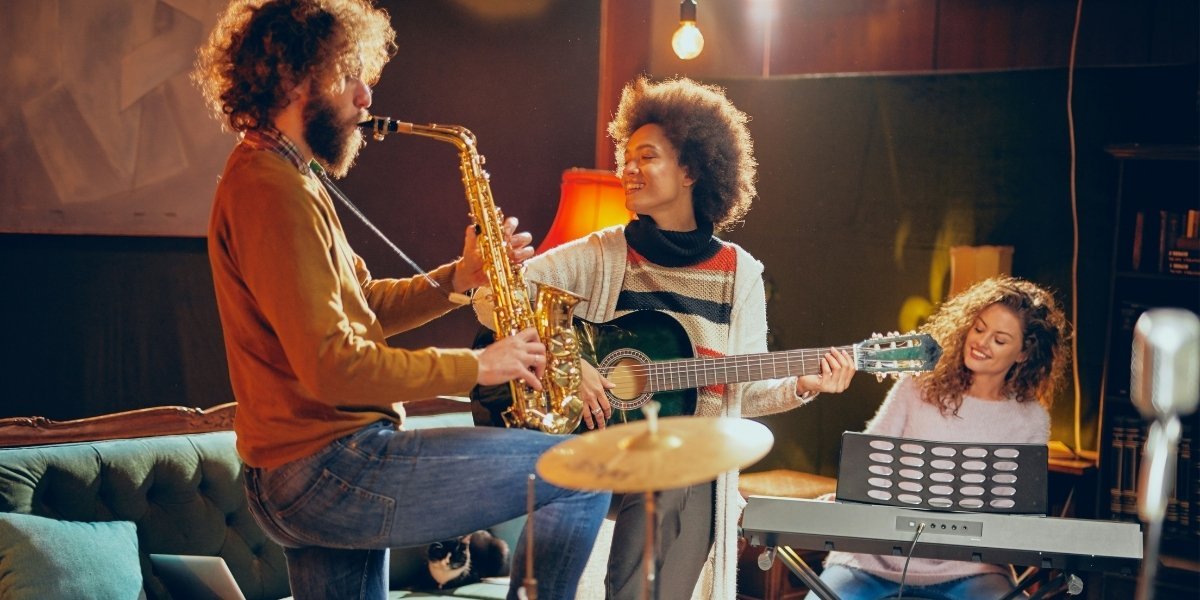
The Power of Nostalgia in Music: How Artists Evoke Emotion and Connection

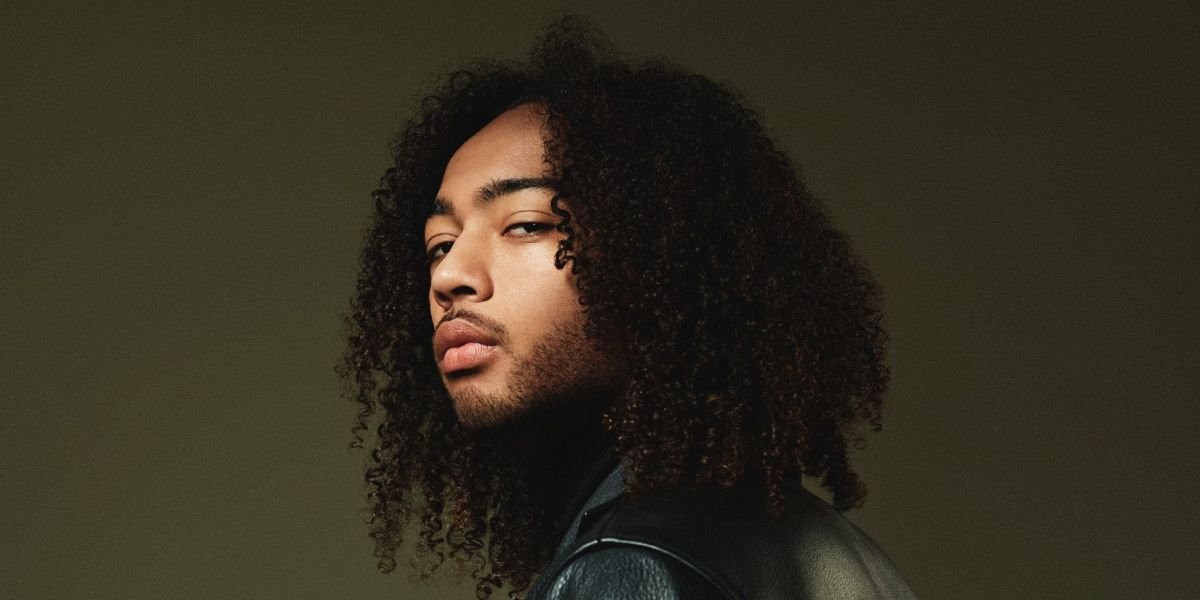
Nostalgia is more than just a fleeting feeling—it’s a deeply rooted emotional experience that can transport us across time. In music, nostalgia serves as a bridge between past and present, allowing artists to tap into listeners’ memories, emotions, and cultural identities. Whether through lyrical storytelling, sonic textures, or stylistic callbacks, nostalgia has become one of the most effective tools in an artist’s emotional arsenal.

We’ll explore how musicians harness nostalgia to create meaningful connections, why it resonates so profoundly with audiences, and the various ways it’s employed to craft unforgettable songs and experiences.

What Is Nostalgia in Music?

At its core, nostalgia is a sentimental longing for the past—often idealized and emotionally charged. In music, this manifests through elements that evoke earlier times: familiar melodies, vintage instrumentation, retro production styles, and lyrical themes that reflect personal or collective memories.

Nostalgia in music isn’t limited to a specific genre or era. It can be found in the warm crackle of vinyl, the synth-heavy soundscapes of the ’80s, the lo-fi charm of ’90s indie rock, or even the orchestral grandeur of classic film scores. It’s the emotional resonance that matters—how a song makes you feel like you’ve returned to a moment long gone, whether joyful, bittersweet, or melancholic.

Examples include Bruno Mars and Anderson .Paak’s Silk Sonic project, which channels ’70s soul and funk with modern flair; Taylor Swift’s “All Too Well,” which uses vivid storytelling to evoke heartbreak and nostalgia for young love; and Daft Punk’s “Random Access Memories,” which pays homage to disco and analog recording techniques.

Why Nostalgia Resonates So Deeply

Nostalgia’s emotional potency lies in its ability to connect us with our personal histories and shared cultural experiences.
Music often serves as a soundtrack to our lives. A particular song might remind us of a first dance, a road trip, or a summer spent with friends. When artists tap into these emotional anchors, they create a direct line to the listener’s heart.

Songs from a specific era can evoke a sense of collective memory. For example, Gen X listeners might feel a strong connection to ’90s grunge, while millennials may find comfort in early 2000s pop-punk. These musical eras become cultural touchstones that define identity and community.

In times of uncertainty, nostalgia offers refuge. Familiar sounds and themes provide emotional stability, reminding us of simpler or more joyful times. This is especially true during global crises—streaming data often shows spikes in older music consumption during stressful periods.

Nostalgia also transcends age. A teenager discovering Fleetwood Mac for the first time may feel the same emotional pull as someone who grew up with their records. Great music, when infused with nostalgic elements, becomes timeless.

How Artists Use Nostalgia Creatively

Musicians employ nostalgia in a variety of ways, often blending old and new to create something both familiar and fresh.
Artists often recreate the sonic textures of past decades by using vintage gear, analog recording methods, or stylistic references. This can include tape saturation and vinyl crackle, classic drum machines like the Roland TR-808, and reverb-heavy vocals reminiscent of ’60s ballads. Lana Del Rey frequently uses cinematic strings and vintage vocal effects to evoke mid-century Americana.

Lyrics that reference childhood, lost love, or formative experiences can trigger powerful emotional responses. These songs often feel like diary entries or letters to the past. Ed Sheeran’s “Castle on the Hill” recounts his youth in

Framlingham, blending personal nostalgia with universal themes of growing up.

Some artists build entire albums around reviving a genre. This isn’t just mimicry—it’s a celebration and reinterpretation.

The Weeknd’s “After Hours” channels ’80s synth-pop and cinematic horror aesthetics, creating a nostalgic yet modern soundscape.

Music videos, album art, and fashion also play a role. VHS filters, retro fonts, and vintage clothing styles reinforce the nostalgic experience. Olivia Rodrigo’s “Brutal” video uses Y2K aesthetics to connect with early 2000s teen angst.

Nostalgia as a Marketing Strategy

The Power of Nostalgia in Music: How Artists Evoke Emotion and Connection

Photo Credit: Unsplash.com

Beyond artistry, nostalgia is a powerful tool in music marketing. Labels and artists use it to reignite interest, build anticipation, and deepen fan loyalty.
Re-releasing classic albums with remastered tracks, bonus content, or vinyl editions taps into fans’ emotional attachment to the original. Nirvana’s “Nevermind” 30th Anniversary Edition included unreleased live recordings and memorabilia.

Artists like Taylor Swift have re-recorded their early albums to reclaim ownership, while also reigniting fan nostalgia.
“Throwback” tours or full-album performances allow fans to relive iconic moments. These events often sell out quickly due to their emotional appeal.

Retro-inspired merch—cassette tapes, vintage tees, posters—creates a tactile connection to the past, enhancing the nostalgic experience.

Connecting Across Time and Space

Ultimately, nostalgia in music is about connection. It allows artists to reach across generations, cultures, and emotional landscapes to forge bonds that feel deeply personal. Whether it’s a song that reminds you of your first heartbreak or a melody that echoes your childhood home, nostalgia transforms music into memory.

And for artists, it’s a way to honor their influences, reflect on their journeys, and invite listeners into a shared emotional space. It’s not just about looking back—it’s about using the past to enrich the present.

The Timeless Power of Nostalgia

Nostalgia isn’t just a trend—it’s a timeless emotional force. In music, it serves as a portal to our most cherished memories, a balm for our anxieties, and a bridge between generations. Artists who understand and harness this power can create songs that don’t just entertain—they endure.

Whether through a wistful lyric, a vintage synth line, or a reimagined classic, nostalgia in music reminds us of who we were, who we are, and who we’re becoming. And in that journey, we find comfort, connection, and the magic of music that truly lasts.

Remix Culture: How Remixes Reshape a Song’s Legacy

Remix culture has become a defining feature of modern music. Artists, producers, and even fans have taken songs and transformed them into entirely new experiences. These remixes, whether they’re adding new beats, genres, or even guest vocals, have the potential to reshape a song’s legacy. But how exactly do remixes impact a song’s place in music history? Let’s explore the ways remixes can elevate songs, create lasting cultural footprints, and open up new avenues for artistic expression.

The Power of Remixes in Expanding a Song’s Reach

When a song gets remixed, it often reaches an entirely new audience. Many remixes offer a fresh interpretation of a song, which can appeal to listeners who might not have connected with the original version. For example, a dance remix of a pop ballad can introduce the track to club-goers and electronic music fans, while a hip-hop remix can attract listeners from the rap scene. This ability to bridge genres helps songs stay relevant across different music cultures and keeps them circulating long after their initial release.

Moreover, some remixes are so popular that they surpass the success of the original song. A prime example of this is Whitney Houston’s “I Will Always Love You.” While Dolly Parton’s original version was successful, Houston’s remix took the song to global heights, becoming one of the best-selling singles of all time. In this case, the remix didn’t just reshape the song—it propelled it to legendary status.

The Role of Collaborations in Remix Culture

One of the most exciting aspects of remix culture is the opportunity for collaboration. Remixes often feature different artists, allowing a song to take on a new character. Collaborations can inject fresh energy into a track, with artists from different backgrounds contributing their unique sounds and styles. These collaborations can help breathe new life into a song, pushing it in directions that were previously unimagined.

Take, for example, the remix of Old Town Road by Lil Nas X. What started as a country-trap fusion became a massive hit when Billy Ray Cyrus joined forces with Lil Nas X for the remix. The collaboration created a viral moment that shattered genre boundaries and went on to become one of the longest-running No. 1 hits on the Billboard Hot 100. The remix, which included a significant guest appearance, not only redefined the song but also reshaped how music can cross over into different cultural spaces.

How Remixes Keep a Song Relevant in the Digital Age

The digital age has redefined how we consume music, with platforms like YouTube, Spotify, and SoundCloud making it easier for remixes to spread. Unlike in the past, when remixes were limited to DJ sets and underground scenes, the internet has democratized access to remixed music. With the click of a button, listeners can explore countless remixes of their favorite songs, each bringing a unique flavor to the original.

Artists and producers can now create remixes and release them directly to platforms where millions of listeners can access them instantly. As a result, remixes can keep a song in the public consciousness for much longer. Instead of fading away, songs are continuously refreshed with new versions, ensuring they remain popular across multiple generations of listeners.

The Impact of Remix Culture on Music’s Legacy

Remix Culture: How Remixes Reshape a Song's Legacy

Photo Credit: Unsplash.com

While remixes are often seen as a form of reinvention, they also serve to preserve a song’s legacy. By reintroducing a track in a new light, remixes help ensure that the song continues to be heard, loved, and appreciated by audiences long after its initial release. A successful remix has the power to elevate a song from its initial status to an iconic one, as it allows listeners to experience the song in new, innovative ways.

One of the best examples of this is the remix culture surrounding Michael Jackson’s “Billie Jean.” The original track was a massive success, but its remixes—especially those released in the 1980s and beyond—helped solidify its place as one of pop music’s most iconic songs. Every time a new remix of “Billie Jean” hits the charts, it brings a fresh wave of recognition and admiration, ensuring that Jackson’s legacy remains at the forefront of music history.

Remix Culture as a Form of Artistic Expression

For many artists, remixing a song is not just about altering a track—it’s about artistic expression. Remix culture allows artists to reinterpret music in creative ways, exploring new sounds, structures, and emotional tones. This process of reimagining a song offers opportunities for growth, experimentation, and risk-taking. It’s a way to stretch the boundaries of musical genres and challenge listeners to reconsider their perceptions of a song.

Artists who embrace remix culture often do so not only to innovate but also to pay homage to the original track. By remixing a song, they show appreciation for the artistry that came before them, while simultaneously adding their own unique spin. This exchange of creative ideas between the original artist and the remixer is what makes remix culture such an exciting and ever-evolving part of the music landscape.

The Endless Life Cycle of Music Through Remixes

Remixes are no longer just an afterthought in the music industry; they are an essential part of how a song evolves and remains relevant. From expanding a song’s reach to reinventing its legacy, remixes reshape the way we experience music. Whether through collaborations, reimagined beats, or reinterpretations that transcend genres, remixes continue to have a lasting impact on music culture. They offer listeners an endless opportunity to rediscover their favorite songs, while also allowing artists to showcase their creativity and shape the future of music.

Discovering the Hollywood Walk of Fame: Legends and Legacies

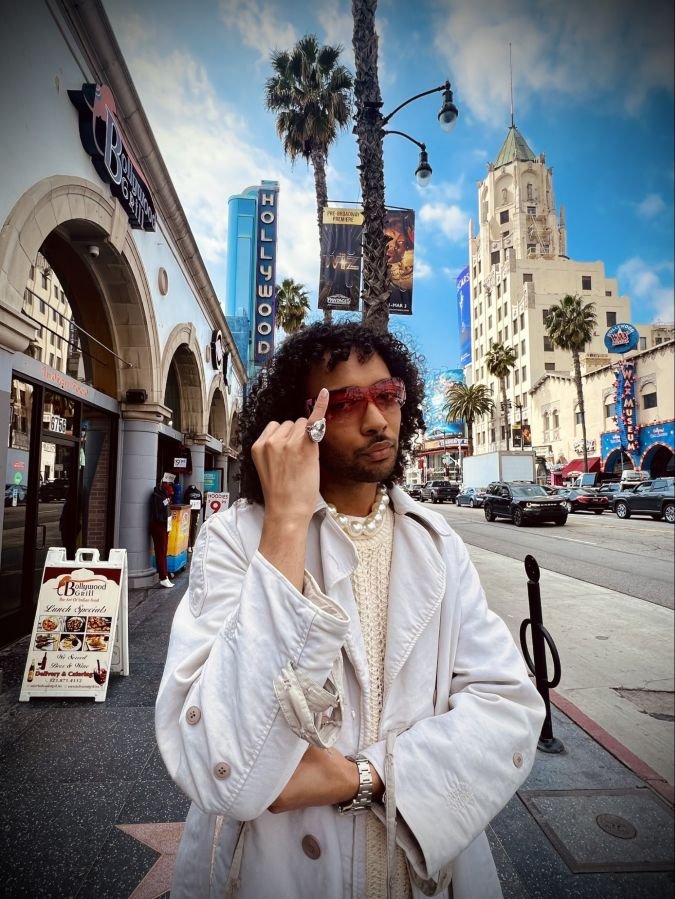
Strolling along Hollywood Boulevard and Vine Street, one cannot escape the captivating allure of the Hollywood Walk of Fame. This iconic landmark, featuring thousands of five-pointed terrazzo and brass stars embedded in the sidewalks, is more than just a tourist attraction; it’s a permanent tribute to the luminaries who have shaped the entertainment industry. Each star tells a story, representing a life dedicated to motion pictures, television, radio, recording, live theatre/performance, or even sports entertainment. It’s a tangible connection to the legends and moments that have defined popular culture for over a century.

The Walk of Fame, administered by the Hollywood Chamber of Commerce, continuously evolves, with new stars being added annually in star-studded dedication ceremonies. These events draw crowds of eager fans and media, eager to witness their idols receive this unique honor. Exploring the Walk is an immersive experience, allowing visitors to literally walk among the names of their heroes, from silent film stars to modern-day pop sensations, each etching a piece of their legacy into the heart of Hollywood.

The Genesis and Evolution of the Walk of Fame

The idea for the Hollywood Walk of Fame originated in the mid-1950s, credited to E. M. Stuart, then the volunteer president of the Hollywood Chamber of Commerce. His vision was to create a lasting monument that would “maintain the glory of a community whose name means glamour and excitement in the four corners of the world.” The concept quickly gained traction, and by 1956, a design featuring stars embedded in the sidewalk was approved. Initial plans for caricatures within the stars were ultimately deemed too difficult and costly to execute, leading to the simpler, iconic design seen today: a five-pointed coral star with a brass name, bordered by a black square.

Construction began in 1960, and the first star to be officially laid was for director/producer Stanley Kramer on March 28, 1960. While Joanne Woodward is often cited as the first recipient of a star, she was among the initial eight honorees who received sample stars unveiled in 1958 to generate excitement for the project. The Walk was dedicated on November 23, 1960, in conjunction with the Hollywood Christmas Parade, marking its official opening to the public.

Discovering the Hollywood Walk of Fame: Legends and Legacies

Photo Credit: Unsplash.com

Initially, the Walk of Fame focused on four categories: motion pictures, television, recording, and radio. However, in 1984, under the leadership of Johnny Grant, a beloved honorary mayor of Hollywood who became instrumental in revitalizing the Walk, a fifth category for “Live Theatre” was added, expanding the scope of eligible honorees. More recently, “Sports Entertainment” has also been included. Today, the Walk spans 15 blocks of Hollywood Boulevard and three blocks of Vine Street, featuring over 2,800 stars (as of August 1, 2025), a living testament to the enduring appeal of the entertainment industry.

Criteria and the Selection Process

Earning a star on the Hollywood Walk of Fame is a prestigious and selective process, overseen by the Hollywood Chamber of Commerce. It’s not simply about fame; nominees must meet specific criteria that reflect a sustained and significant contribution to their respective categories within the entertainment industry. This rigorous process ensures that each honoree truly merits this iconic recognition.

The primary criteria for receiving a star include: professional achievement (demonstrated critical and/or popular success), longevity in the chosen category for a minimum of five years, and contributions to the community through charitable work or civic participation. A crucial requirement for living honorees is that they will attend their dedication ceremony if selected, as these public events are integral to the Walk’s appeal. Posthumous awards are also granted, though they require a five-year waiting period after the individual’s death.

The nomination process itself can be initiated by anyone, including fans, industry professionals, or even the nominees’ management, though self-nominations are typically discouraged. Nominations are submitted annually to the Hollywood Chamber of Commerce, usually within a specific window in April and May. A dedicated Walk of Fame Selection Committee, comprised of industry experts, reviews hundreds of nominations each year. Approximately 24-30 names are chosen annually, with selections then approved by the Hollywood Chamber’s Board of Directors and finally by the City of Los Angeles’ Board of Public Works Department. While there is a substantial fee (currently $75,000) to cover the cost of creating, installing, and maintaining the star, this is typically paid by the nominee’s sponsor (e.g., a studio, record label, or fan club) rather than the honoree themselves.

Iconic Stars and Their Unique Stories

Among the thousands of names etched into the Hollywood Walk of Fame, some stars carry particularly fascinating or heartwarming stories that add to their mystique. These anecdotes highlight the diverse journeys and personal touches that make each star unique.

One of the most unique stars belongs to Muhammad Ali. Unlike all other stars, which are embedded in the sidewalk, Ali’s star is mounted on the wall of the Dolby Theatre. This exception was granted in 2002 after the legendary boxer, a devout Muslim, respectfully declined to have his name, which bore the name of the Prophet Muhammad, trampled upon by passersby. The Hollywood Chamber of Commerce honored his request, making his star a singular exception and a testament to his deeply held beliefs.

Discovering the Hollywood Walk of Fame Legends and Legacies

Photo Credit: Unsplash.com

Carol Burnett‘s star, located at the corner of Hollywood and Wilcox, holds a personal significance for the beloved comedian. She reportedly requested this specific spot because it was in front of the building that once housed the Warner Brothers Theatre. In her early career, Burnett worked as an usherette there and was famously fired for “insubordination” after refusing to seat a couple during the final minutes of a film. Her star now stands as a triumphant symbol of her journey from a struggling usher to a television legend.

The Walk also features several “duplicate” names, representing different individuals. For example, there are two Harrison Ford stars: one for the famous modern-day actor (located near the Dolby Theatre) and another for a silent film actor of the same name. Similarly, there are two Michael Jackson stars: one for the King of Pop and another for a popular Los Angeles radio personality. These instances serve as interesting historical footnotes and occasional points of confusion for visitors. Furthermore, fictional characters also have stars, including beloved figures like Mickey Mouse, Bugs Bunny, and The Simpsons, underscoring their profound cultural impact.

The Enduring Significance of the Walk

The Hollywood Walk of Fame holds a multifaceted significance that extends beyond its role as a mere tourist attraction. It serves as a tangible historical archive, chronicling the evolution of the entertainment industry and recognizing the countless individuals who have contributed to its rich tapestry. For visitors, it’s a pilgrimage site, offering a direct, tactile connection to the legends they admire. Annually, millions flock to Hollywood Boulevard to seek out their favorite stars, take photos, and experience a piece of cinematic and musical history.

For the entertainment industry itself, receiving a star remains a cherished honor, representing a culmination of a career’s worth of dedication, talent, and public adoration. The dedication ceremonies are celebratory events, often attended by the honoree’s peers, family, and devoted fans, providing a moment of public recognition and gratitude. These events also generate significant media attention, further reinforcing Hollywood’s cultural prominence on a global scale.

Beyond its celebratory function, the Walk of Fame contributes significantly to the local economy of Hollywood, drawing tourists and supporting surrounding businesses. It embodies the enduring dream of Hollywood, symbolizing the possibility of achieving fame and leaving an indelible mark on the world stage. As the entertainment industry continues to evolve, the Hollywood Walk of Fame stands as a timeless monument, adapting to new categories like sports entertainment, but always remaining a beacon of achievement and a vibrant public testament to the stars who illuminate our lives.

Dr. Connor Robertson on How Adaptive Reuse Is Transforming Commercial Real Estate

By: Monica Price

In the ever-changing world of real estate, one strategy is quietly reshaping city skylines and preserving architectural history: adaptive reuse. Rather than tearing down outdated buildings, adaptive reuse transforms them into functional, modern spaces often at a lower cost and with less environmental impact than new construction .Dr. Connor Robertson, a real estate strategist who focuses on sustainability and creative urban development, sees adaptive reuse as a way to merge history with innovation, creating spaces that honor the past while serving today’s needs.

What Is Adaptive Reuse?

Adaptive reuse is the process of repurposing an old building for a new function. For example, an abandoned factory might become loft apartments, or an old post office could be transformed into a boutique hotel.

The approach prioritizes preserving the building’s structure and character while updating it to meet modern safety, accessibility, and energy standards.

Why Adaptive Reuse Is Gaining Popularity

  • Sustainability – Reusing existing structures reduces construction waste, conserves materials, and minimizes the carbon footprint compared to demolition and new builds.
  • Cost Efficiency – While some projects require extensive renovations, adaptive reuse can often be less expensive than starting from scratch.
  • Historic Preservation – Repurposing older buildings maintains architectural heritage, which can enhance neighborhood character and tourism appeal.
  • Urban Revitalization – Bringing unused buildings back to life can energize entire districts, attracting new residents, businesses, and visitors.

Key Considerations in Adaptive Reuse Projects

Dr. Robertson emphasizes that successful adaptive reuse projects require careful planning:

  • Structural Integrity – Engineers must ensure the building can safely handle its new use.
  • Zoning and Building Codes – Local regulations may limit certain conversions or require upgrades to meet modern standards.
  • Environmental Remediation – Older buildings may contain asbestos, lead paint, or other hazardous materials that must be safely removed.
  • Design Integration – Balancing the preservation of original architectural elements with the functionality of modern design is both an art and a science.

Economic Benefits of Adaptive Reuse

Adaptive reuse can boost local economies by attracting businesses and residents to previously neglected areas. Once converted, these buildings often become cultural landmarks and economic anchors in their communities.

For investors, adaptive reuse can also create unique, in-demand properties with a character that new construction often lacks.

Challenges in Implementation

Despite its benefits, adaptive reuse isn’t without hurdles:

  • Unpredictable Costs – Renovation work can uncover hidden structural issues.
  • Financing – Some lenders are wary of unconventional projects without comparable sales data.
  • Regulatory Delays – Navigating preservation requirements and special permits can extend timelines.

Dr. Robertson notes that overcoming these challenges often requires collaboration among developers, architects, city planners, and community stakeholders.

Case Studies of Adaptive Reuse Success

Around the world, adaptive reuse has breathed new life into iconic structures. In New York City, the High Line transformed an elevated freight rail line into a public park, spurring billions in new development nearby.

In Los Angeles, old warehouses in the Arts District have been converted into lofts, galleries, and restaurants, creating one of the city’s most vibrant neighborhoods.

The Role of Community Engagement

Community input is critical for adaptive reuse projects. Residents often have emotional connections to older buildings, and involving them in the planning process can foster support and enthusiasm.

Dr. Robertson stresses that community buy-in can also help speed up regulatory approvals and secure partnerships.

Looking Ahead

As cities face increasing pressure to reduce their environmental impact, adaptive reuse will likely become an even more important part of real estate strategy. Advances in engineering, materials, and design will make it easier to adapt older structures for modern use.

“Adaptive reuse represents a win-win,” says Dr. Robertson. “It preserves the character of a community while meeting today’s functional needs all in a way that’s more sustainable than starting from scratch.”

Conclusion

Adaptive reuse is transforming commercial real estate by turning outdated structures into vibrant, functional spaces. By combining historical preservation with modern innovation, it offers an environmentally and economically sound approach to urban development.

For more on Dr. Robertson’s work and insights, visit www.drconnorrobertson.com.

Kossisko: The Fearless Artist Turning Survival Into Sound

By: Peter Lachaine  

Kossisko Konan has lived many lives. Raised in Berkeley, California, and shaped by time spent in Côte d’Ivoire, the Grammy-nominated singer, songwriter, and actor has become one of the original voices in music today. A creator who moves easily between genres, identities, and mediums, Kossisko refuses to be defined by limits.

Their latest album, Slayerz Ball, captures that freedom. It is a bold, dazzling mix of funk, disco, and R&B that Kossisko calls WTFUNK, a sound that feels as alive and unpredictable as the artist behind it. “I wanted to make something that felt like breaking out of a shell,” they said. “Like you’re finally free to just be.”

That sense of liberation did not appear overnight. It was earned through years of transformation, reinvention, and resilience.

From Berkeley to Côte d’Ivoire

Kossisko’s story began in Berkeley, where they grew up in a multicultural home with a Jewish mother and an African father. At sixteen, life took an unexpected turn when their father sent them to a boarding school in Abidjan, Côte d’Ivoire. What was described as a vacation became a two-year exile that would forever shape their outlook.

The school was strict and crowded. Kossisko lived with fifteen others in a small house and battled malaria five times. They once ran away to the American embassy, only to be told they could not return home until adulthood. Looking back, Kossisko has said that those years gave them both trauma and perspective —a crash course in endurance that would later inform their art.

When they finally returned to California in 2010, they began recording music. “I started taking rap seriously at nineteen,” Kossisko said. “That was the moment I realized it wasn’t just an expression. It was survival.”

The 100s Era

Kossisko: The Fearless Artist Turning Survival Into Sound

Photo Courtesy: Olav Stubberud

Before the world knew them as Kossisko, they performed under the name 100s. The debut mixtape Ice Cold Perm dropped in 2012 and quickly built a cult following for its mix of sharp lyrics and West Coast G-funk swagger.

By 2013, 100s had signed to A-Trak’s Fool’s Gold Records, toured with ASAP Ferg, and appeared on the Grand Theft Auto V soundtrack with the song “Life of a Mack.” The track exploded, landing them in an iPhone campaign and solidifying 100s as a rising star.

The follow-up EP Ivry leaned deeper into funk and disco influences, signaling a creative shift. When the music video for “Ten Freaky Hoes” ended with a farewell letter signed “Kossisko,” fans realized a new chapter was coming.

Reinvention and Rebirth

In 2015, Kossisko officially retired the 100s persona and stepped forward under their real name. “I felt reborn,” they said in a later interview. The first single “This May Be Me” premiered on The Fader and marked a new sound, moody, melodic, and emotionally raw. The EP Red White N Cruel followed that same year.

By this point, Kossisko’s artistry had evolved beyond music alone. They were writing songs for artists such as Marshmello and Beck, earning a Grammy nomination for their Album Hyperspace, which also features their song “Die Waiting”. Acting and modeling opportunities followed, including appearances in HBO’s Euphoria, Netflix’s Sex/Life, and several fashion campaigns. Marvel even paid tribute to one of their album covers in a promotional campaign.

But while their career was flourishing, Kossisko faced a serious health crisis. During work on Slayerz Ball, they were hospitalized with a cerebral arteriovenous malformation, a rare brain condition that can cause strokes and seizures. “The doctors thought I’d had a minor stroke, but it turned out I was born with this,” they said. “If I hadn’t been hospitalized, there was a big chance I would have died.”

When they returned to the studio, the music took on new meaning. “I came into it like this was my last record because I’d faced death.”

The Rise of WTFUNK

The album that came from that experience, Slayerz Ball, is as cathartic as it is thrilling. Working with Grammy-winning producer Cole M.G.N. and New Zealand producer Nathan Judd, Kossisko fused live instruments and synth textures into something that feels both nostalgic and futuristic.

The songs move between sultry confidence and emotional clarity. Serotonin glows with dreamy psychedelia. Finally Free (Her Demons Remix) celebrates release. Rich Bi$h, inspired by 1970s funk and featuring members of Rick James’s Stone City Band, radiates playful rebellion.

“It’s about authenticity,” Kossisko said. “I wanted to make something that felt honest, even when it’s wild. Especially when it’s wild.”

The project drew praise from outlets such as Pitchfork, NYLON, FADER, and VICE, each recognizing Kossisko as a rare artist unafraid to mix vulnerability with boldness.

The Face of a New Movement

In March 2024, Kossisko publicly shared that they identify as non-binary and use they or them pronouns. For fans, it was a moment that felt both intimate and inevitable. Kossisko had always radiated a freedom that went beyond genre or gender.

On stage, they transform into something larger than life, charismatic, radiant, and unpredictable. Offstage, they are disarmingly grounded, quick to laugh, and deeply thoughtful about what their art represents.

“I just want people to feel like they can be themselves,” they said. “That’s really it. I don’t care if it’s through a song, a look, or a movie. If someone feels freer because of something I made, that’s success to me.”

This year, Kossisko will also be featured in Authority Magazine’s Music Stars Making a Social Impact series, highlighting artists using their platforms to inspire change. For Kossisko, it is a fitting acknowledgment of the deeper message behind their music, the belief that self-expression can be healing and that art can bridge boundaries of identity and experience.

The Journey Ahead

Kossisko continues to expand creatively. Their visuals push fashion and film aesthetics. Their songwriting connects global audiences. Their energy on stage brings everything full circle, a mix of confidence, soul, and something that feels almost spiritual.

At recent shows, including a packed release night at The Peppermint Club in West Hollywood, fans have described feeling a mix of joy and catharsis. The performance was not just a concert. It was a celebration of resilience.

“Every time I step on stage, I remember what I survived,” Kossisko said. “That’s why I give it everything.”

With Slayerz Ball now streaming everywhere and new collaborations in the works, Kossisko’s evolution is far from over. If anything, this feels like the beginning of a much larger story, one where sound, identity, and purpose collide in spectacular, fearless fashion.

Follow Kossisko