How Cultural Shows Preserve Tradition and Foster Unity

How Do Cultural Shows Connect Heritage to Identity?
Cultural shows serve as vibrant celebrations that bridge the past and present by connecting heritage to individual and collective identity. These performances—ranging from traditional dances and music to storytelling and art exhibitions—offer communities a way to express their history, values, and beliefs. For many participants and audiences, cultural shows are more than entertainment; they are a profound link to ancestors and traditions that shape who they are. By preserving and sharing these expressions, cultural shows help individuals understand their roots and affirm their identity within a larger cultural narrative.
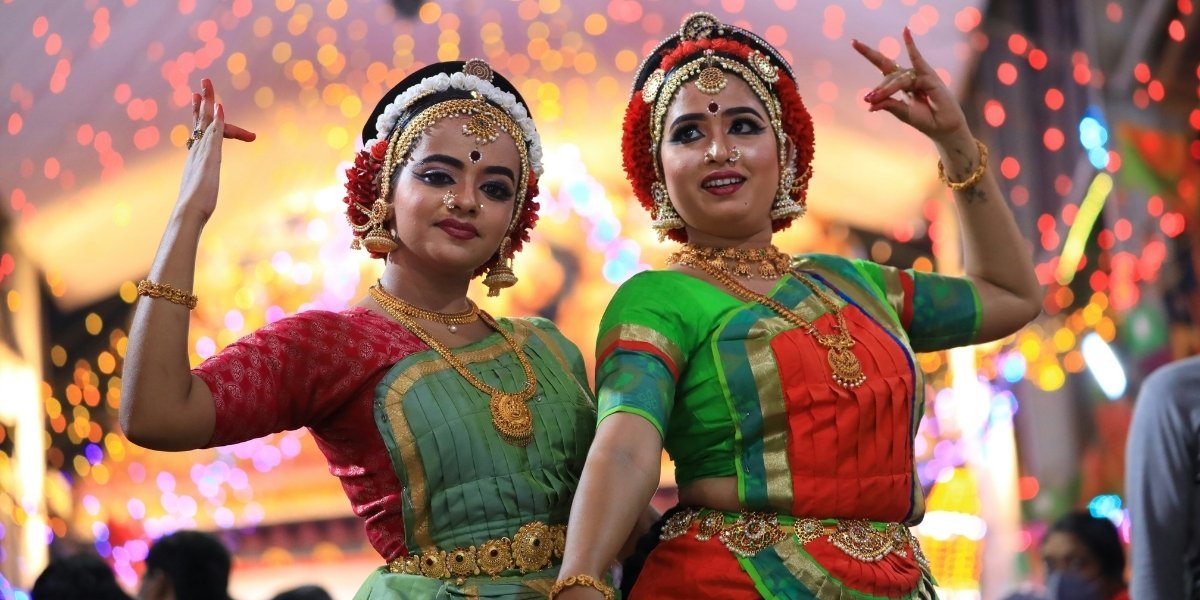
At the heart of cultural shows is the transmission of heritage. This includes language, rituals, costumes, and artistic styles passed down through generations. Many communities use these events to keep endangered traditions alive, especially in societies affected by globalization or displacement. Cultural experts emphasize that such performances provide a living archive, allowing people to experience and learn about heritage firsthand. The immersive nature of cultural shows creates a powerful emotional connection, fostering pride and belonging among participants and spectators alike.
Cultural shows play a critical role in shaping identity by offering spaces where individuals can celebrate their uniqueness while acknowledging shared history. In multicultural societies, these performances serve as platforms for minority and indigenous groups to assert their presence and contribute to the broader cultural mosaic. Through dance, music, and storytelling, cultural shows articulate narratives of resilience, migration, and adaptation, helping individuals navigate their place in modern society. This dynamic relationship between heritage and identity underscores the importance of cultural shows as vehicles of self-expression and community cohesion.
How Do Cultural Shows Foster Community and Social Bonds?
Beyond individual identity, cultural shows are powerful tools for building and strengthening community bonds. These events often bring people together across generations, creating opportunities for social interaction and collective celebration. By participating in or attending cultural shows, community members reinforce their shared values, experiences, and aspirations. This communal engagement nurtures a sense of solidarity and mutual support, which is essential for maintaining social cohesion and resilience.
Cultural shows also provide a forum for intergenerational exchange, allowing elders to pass down knowledge and traditions to younger members. This transmission helps sustain cultural continuity and fosters respect for heritage within families and communities. Educational components, such as workshops and storytelling sessions, often accompany performances to deepen understanding and involvement. By engaging youth in meaningful ways, cultural shows contribute to the preservation of culture while empowering new generations to carry traditions forward.
In addition to internal community benefits, cultural shows serve as bridges between diverse groups. They promote cross-cultural understanding by inviting broader audiences to experience and appreciate different traditions. Festivals and cultural exhibitions often attract people from various backgrounds, creating spaces for dialogue and learning. Such interactions reduce stereotypes and foster empathy, contributing to more inclusive and harmonious societies. Through shared celebration, cultural shows build connections that transcend ethnic or social divides, reinforcing the social fabric.
What Challenges and Opportunities Do Cultural Shows Face Today?
While cultural shows are vital to heritage and community, they also face challenges in the modern world. Globalization, urbanization, and changing social dynamics can threaten traditional practices and audience engagement. Some cultural expressions risk becoming commodified or diluted when adapted for tourism or commercial purposes. Additionally, younger generations may feel disconnected from ancestral traditions, leading to concerns about cultural continuity. These pressures require careful balancing between preservation and adaptation to keep cultural shows relevant and meaningful.
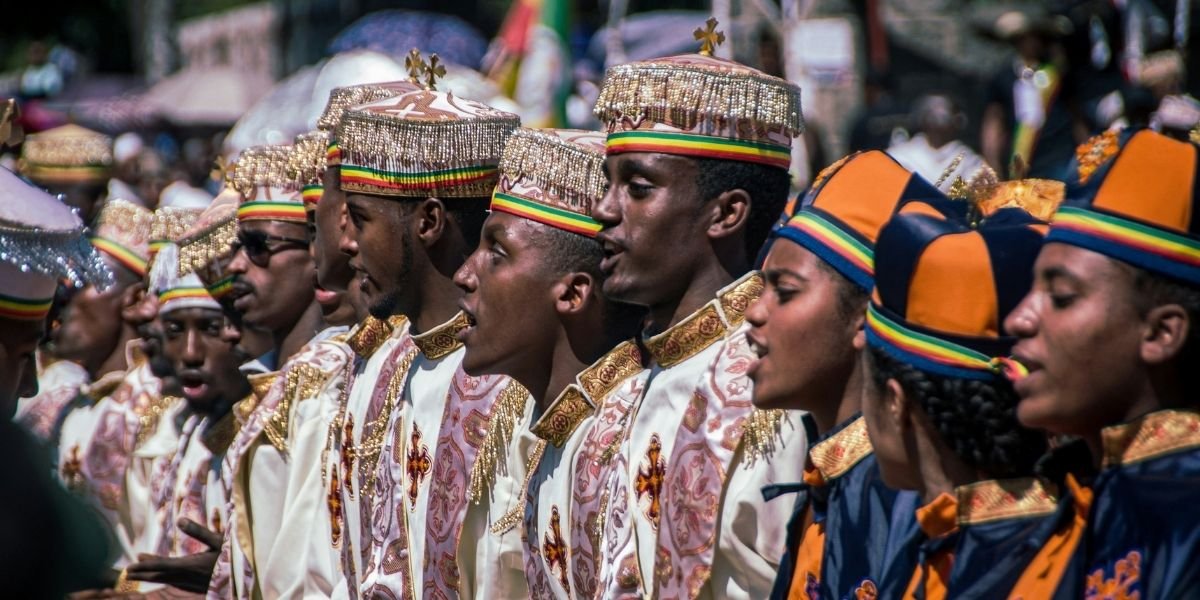
Photo Credit: Unsplash.com
These challenges also present opportunities for innovation and revitalization. Many cultural groups are creatively blending traditional elements with contemporary forms to attract wider audiences and express evolving identities. Digital technologies offer new platforms for sharing performances globally, expanding reach and fostering virtual communities. Collaborations with educational institutions and cultural organizations help provide resources and support for sustaining cultural shows. By embracing change while honoring roots, communities can ensure their cultural expressions continue to thrive in dynamic contexts.
Cultural shows contribute to economic development by attracting tourism and supporting artisans and performers. Responsible cultural tourism can generate income and raise awareness about heritage, providing incentives for preservation. However, ethical considerations are essential to avoid exploitation or misrepresentation. When managed thoughtfully, cultural shows become engines of cultural pride, social cohesion, and economic vitality—offering benefits that extend well beyond the performances themselves.
How Do Cultural Shows Promote Cultural Awareness and Education?
Cultural shows serve as dynamic educational tools that promote cultural awareness and appreciation. They provide immersive experiences that convey history, customs, and values in engaging and accessible ways. Through storytelling, music, dance, and visual arts, these performances offer nuanced insights into cultural worldviews often absent from formal education. Educators and cultural practitioners recognize that such experiential learning deepens understanding and fosters respect for diversity.
Many cultural shows incorporate interactive elements such as workshops, demonstrations, and discussions that invite audience participation. These activities encourage curiosity and dialogue, making cultural learning a shared and active process. Schools and community centers often partner with cultural organizations to bring these shows into educational settings, enriching curricula and broadening perspectives. By bridging academic knowledge and lived experience, cultural shows enhance cultural literacy and combat ignorance and prejudice.
Cultural shows help challenge stereotypes by presenting authentic and complex representations of communities. They highlight cultural achievements, resilience, and contemporary relevance, countering simplistic or exoticized portrayals. This fosters empathy and dismantles barriers, encouraging audiences to see cultures as living, evolving entities. In a globalized world, cultural awareness nurtured through these performances is essential for fostering peaceful coexistence and intercultural dialogue.
What Is the Lasting Impact of Cultural Shows on Heritage and Society?
The lasting impact of cultural shows extends far beyond the events themselves. By celebrating and transmitting heritage, they ensure that traditions remain vibrant and meaningful for future generations. This continuity strengthens cultural identities and empowers communities to maintain their distinctiveness in changing environments. Cultural shows also contribute to social cohesion by fostering shared experiences and collective memory, which are foundational to community resilience.
On a societal level, cultural shows enrich the cultural landscape by promoting diversity and inclusion. They offer opportunities for different groups to share their stories and artistic expressions, contributing to a richer, more pluralistic society. Governments and cultural institutions increasingly recognize the value of supporting these events as part of broader efforts to preserve intangible cultural heritage. Funding, policy initiatives, and public awareness campaigns help sustain cultural shows and amplify their positive effects.
Cultural shows inspire creativity and innovation by encouraging artists to explore and reinterpret traditions. This dynamic interplay between preservation and evolution keeps culture alive and relevant. As society continues to evolve, cultural shows will remain essential spaces where heritage, identity, and community intersect—celebrating the past while shaping the future.