Entertainment Post

Dr. Nicholas Howland – Helping Bridge Science, Art, and Philosophy in Modern Plastic Surgery


In an era where plastic surgery is often portrayed as purely cosmetic, Dr. Nicholas Howland is rethinking what it means to practice medicine with purpose. As a board-certified plastic and reconstructive surgeon based in Draper, Utah, Dr. Howland’s name has become increasingly associated with precision, artistry, and compassion. His influence continues to expand beyond the operating room and is expected to soon include the world of literature—with his forthcoming book, The Atheist’s Prayer.

Dr. Howland’s journey to surgical proficiency began with a solid academic foundation. He earned his Bachelor of Arts in Business Administration from the University of Utah, where he developed a strategic mindset and a strong understanding of leadership. He then completed his Doctor of Medicine and Residency in Integrated Plastic Surgery at the University of Texas Medical Branch at Galveston, which is regarded as one of the country’s respected programs. During this time, he honed his skills in performing technically challenging procedures while learning the intricate artistry needed to restore both form and function.

Dr. Nicholas Howland - Helping Bridge Science, Art, and Philosophy in Modern Plastic Surgery

Photo Courtesy: Dr. Nicholas Howland

Today, at Howland Plastic Surgery, he provides a broad range of aesthetic and reconstructive services—ranging from hand reconstruction and breast augmentation to tummy tucks and advanced nonsurgical rejuvenation. His work has earned him a solid reputation in Draper and the greater Salt Lake City area for surgical outcomes that are often noted for their natural and transformative qualities. Many of his patients express a deep sense of satisfaction with both their aesthetic results and the personalized care they receive, appreciating the thoughtful approach that Dr. Howland takes with every case.

But what truly distinguishes Dr. Howland is his philosophy of care. Each patient receives a treatment plan thoughtfully designed to meet their unique goals and anatomy. His approach emphasizes a comprehensive understanding of the emotional and physical aspects of surgery, ensuring patients feel heard and supported throughout their journey. “No two patients are alike,” he explains. “Surgery should never be a one-size-fits-all approach. My goal is to help people rediscover confidence in a way that still feels authentic to who they are.”

This emphasis on authenticity and empathy forms the cornerstone of his approach. Patients often comment that his calm demeanor and clear communication help foster trust—qualities that reflect his belief that surgery involves not only physical change but also emotional transformation.

This introspective quality also shapes his upcoming book, The Atheist’s Prayer, which offers a contemplative exploration of belief, identity, and meaning. Though the project differs from his medical practice, it shares the same curiosity and depth that inform his approach to surgery. Rather than presenting definitive answers, Dr. Howland’s writing invites reflection and discussion.

“The book isn’t about religion,” he clarifies. “It’s about humanity—how we make sense of life, loss, and purpose. Surgery gave me a front-row seat to how fragile and beautiful life truly is. Writing became my way to explore that more deeply.”

By integrating science, philosophy, and art, Dr. Howland is developing a brand that appeals to both the body and the mind. His holistic approach resonates with a growing number of patients who are seeking more than just cosmetic enhancement—they want a surgeon who understands the human story behind the mirror.

At howlandplasticsurgery.com, visitors can explore his services, learn about his philosophy, and stay updated on his forthcoming literary release. In addition to his expertise in surgery, Dr. Howland is eager to engage with people on a deeper level through his writing, sharing his insights into the human experience. As his influence extends from the operating room to bookshelves, one thing remains consistent: Dr. Howland’s commitment to supporting people in their journey toward healing, both inside and out.

With The Atheist’s Prayer on the horizon and a flourishing practice rooted in compassion and expertise, Dr. Nicholas Howland continues to demonstrate that the future of medicine is not solely about skilled hands—but also thoughtful hearts.

Disclaimer: The information presented in this article is for informational purposes only and should not be considered medical advice. Always consult with a qualified healthcare provider before undergoing any medical procedures or making changes to your health regimen.

From Darkness to Spotlight: How Stage Directors Shape the Show

What Does a Stage and Lighting Director Do?

A stage and lighting director holds one of the most crucial roles in any live performance. While actors, musicians, and dancers may steal the spotlight, it’s the director behind the scenes who orchestrates the visual spectacle. This person brings the vision to life, ensuring that every light cue and stage movement aligns perfectly to create a seamless show.

The work involves much more than simply turning on lights. A stage and lighting director must design the lighting, manage the technical elements, and collaborate closely with the production team to create the desired atmosphere. From subtle ambient lighting to dramatic shifts in color and intensity, lighting plays a massive role in shaping the audience’s emotional response to a performance.

How Does a Stage and Lighting Director Work with the Production Team?

Collaboration is at the heart of the role of a stage and lighting director. These directors work closely with various departments to ensure everything is in harmony. The director coordinates with the set designers to ensure the lighting complements the physical aspects of the stage. They also work with sound engineers, costume designers, and the director of the production to ensure that lighting enhances the performance, rather than distracting from it.

During rehearsals, a stage and lighting director is the person who establishes timing, adjusting the lights to match key moments in the performance. They may direct where lights should focus to highlight actors at pivotal moments, or shift colors to create mood changes. The dynamic relationship between lighting and stage elements is essential in turning a good show into an unforgettable one.

What Skills Are Required for a Stage and Lighting Director?

Being a stage and lighting director is not just about knowing how to operate lighting equipment. The job requires a deep understanding of both the artistic and technical aspects of theater production. A director in this field must have a keen eye for design, with an ability to visualize how lighting and stage elements work together to create the right mood and effect.

A strong knowledge of lighting technology is a must, as modern productions rely on complex systems and equipment, such as automated lighting, projectors, and LED screens. Directors also need problem-solving skills, as they often need to adapt on the fly to unforeseen challenges, from faulty equipment to last-minute changes in the script or choreography.

Moreover, a stage and lighting director must have strong communication and leadership abilities, as they lead a team of lighting designers, technicians, and assistants. Managing the technical crew while keeping the artistic vision intact is no easy feat, and it requires excellent multitasking and organizational skills.

How Does a Stage and Lighting Director Impact the Audience’s Experience?

The influence of a stage and lighting director on an audience’s experience cannot be overstated. Lighting, when used effectively, can evoke emotions, create tension, highlight important moments, and even shape the narrative. For instance, a sudden blackout can increase suspense or signal a dramatic shift in a story, while a soft, warm glow can create an intimate atmosphere.

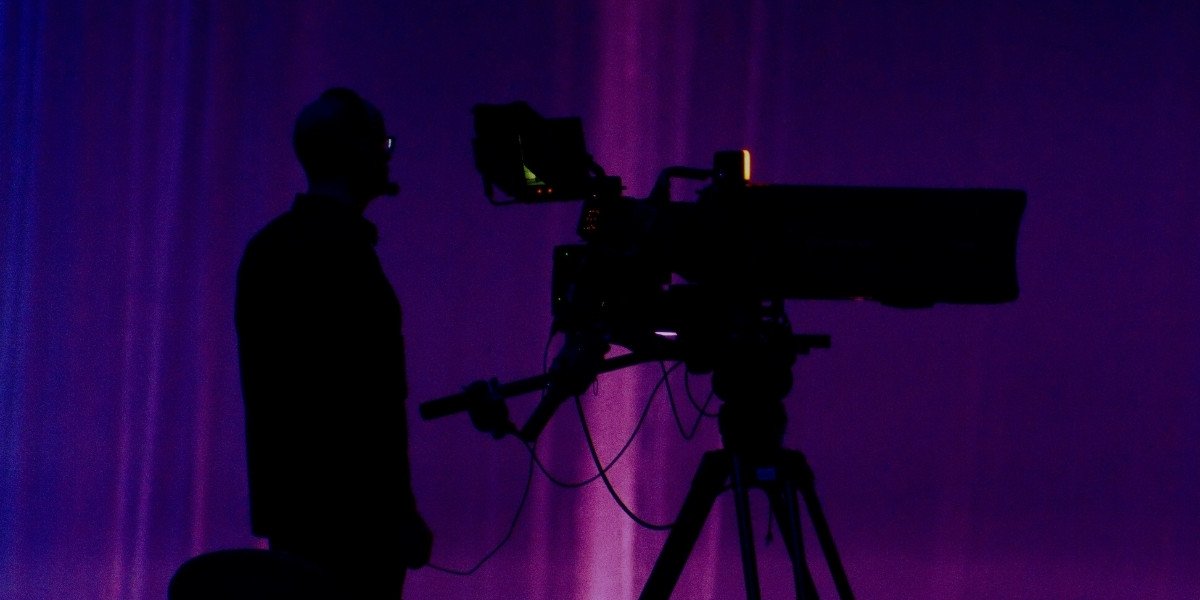
From Darkness to Spotlight: How Stage Directors Shape the Show

Photo Credit: Unsplash.com

The lighting also helps in guiding the audience’s attention. By highlighting specific areas of the stage, the stage and lighting director ensures that the audience’s focus is where it needs to be at any given time. This controlled manipulation of light serves as a silent yet powerful storyteller in every performance.

Why is the Role of a Stage and Lighting Director Essential in Modern Productions?

In today’s world of high-tech theater, the role of the stage and lighting director has evolved significantly. Modern productions often incorporate advanced visual effects, multimedia, and immersive environments that require sophisticated lighting techniques. This evolution has made the job even more crucial, as the right lighting can transform a simple stage into an extraordinary experience.

With technology now playing a central role in many performances, a stage and lighting director must stay up to date on the latest trends and innovations in lighting design. The ability to integrate new tools and technologies, such as digital projections, motion sensors, or even interactive lighting systems, is a key skill in staying relevant in the industry.

How Does the Stage and Lighting Director Contribute to Different Types of Performances?

Whether it’s theater, dance, or concert performances, a stage and lighting director tailors their approach to each unique type of performance. For theater productions, lighting often sets the tone, establishes time periods, and differentiates scenes. In dance, lighting is used to emphasize movement, create shadows, and highlight key moments in the choreography. For concerts, lighting may enhance the energy of the performance, sync with the music, and add to the overall spectacle.

In each case, the director’s ability to adapt lighting to the performance’s needs elevates the overall experience, creating a powerful synergy between the technical elements and the performance itself. The director ensures that the lighting complements the performance’s emotional arcs and visual themes, helping bring the director’s and performers’ vision to life.

What Is the Future of Stage and Lighting Direction?

The future of stage and lighting direction is incredibly exciting, with new technologies constantly reshaping the landscape. With the rise of virtual reality (VR), augmented reality (AR), and other interactive technologies, lighting is becoming an even more immersive tool. These advancements allow for a deeper connection between the performance and the audience, transforming the way people experience live entertainment.

Additionally, sustainability is becoming a growing concern within the industry. With energy-efficient lighting systems becoming more available, stage and lighting directors are now exploring ways to reduce the environmental impact of their productions while still delivering high-quality shows.