Entertainment Post

Radio Edit vs. Album Version: What’s the Real Difference for Music Fans?

When your favorite song hits the radio, it might not be exactly what the artist originally recorded. That’s because what you’re hearing is likely a radio edit—a version of the track tailored for airplay. The difference between a radio edit and an album version might seem subtle, but for music fans, it can change the entire vibe of a song.

The radio edit vs. album version debate has become more relevant than ever in the streaming era. With fans having instant access to both versions, the distinctions are more noticeable—and more debated. From lyrical changes to runtime trims, these edits are about more than just FCC compliance. They’re about reach, branding, and sometimes, artistic compromise.

What Is a Radio Edit?

A radio edit is a modified version of a song created specifically for broadcast. It’s designed to meet the standards of radio stations, which often have strict guidelines around content, length, and pacing. That means explicit lyrics are censored or replaced, intros and outros are shortened, and sometimes entire verses are cut to keep the track under a certain time limit—usually around three to four minutes.

The goal is to make the song more accessible to a wider audience. Radio edits are meant to be punchy, clean, and easy to program into tight playlists. They’re also a way for artists to get their music into more ears without alienating conservative markets or violating broadcasting rules.

Album Versions Offer the Full Artistic Vision

The album version is typically the original, uncut version of the song as the artist intended. It includes the full arrangement, unfiltered lyrics, and often longer instrumental sections or bridges that might be trimmed in the radio edit. This version is what fans hear when they stream the album or buy the physical release.

For artists, the album version is the purest expression of their creative intent. It’s where they can experiment with structure, storytelling, and sonic texture without worrying about commercial constraints. For fans, it’s often the preferred version—especially for those who want the full emotional arc of a track.

Why Radio Edits Still Matter in the Streaming Era

Even with streaming dominating how we consume music, radio still plays a huge role in breaking hits. A strong radio edit can introduce a song to millions of casual listeners who might not be digging through playlists or following release drops. It’s a gateway to virality, chart success, and award season buzz.

Radio edits also matter for sync licensing. Clean versions are more likely to be used in commercials, TV shows, and movie trailers—places where explicit content could be a dealbreaker.

What Gets Cut or Changed in a Radio Edit
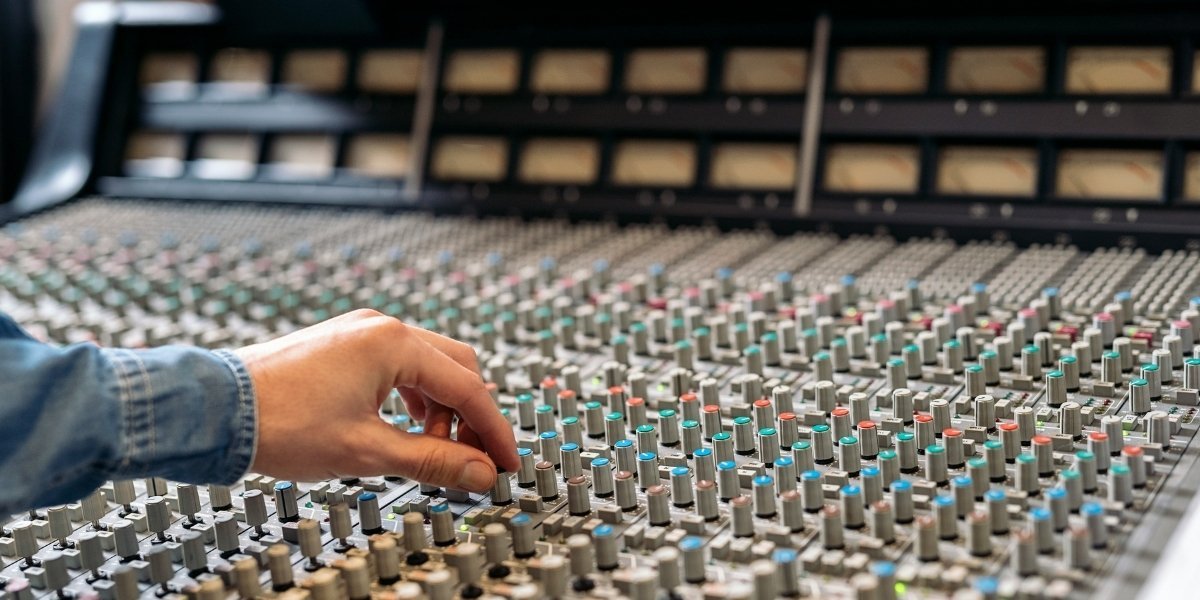
Radio Edit vs. Album Version: What's the Real Difference for Music Fans?

Photo Credit: Unsplash.com

  • Explicit Language: Swear words are either muted, reversed, or replaced with cleaner alternatives.
  • Length: Songs are often trimmed to fit radio formats. That might mean cutting a verse, shortening the intro, or fading out early.
  • Content: References to drugs, violence, or controversial topics might be removed or softened.
  • Structure: Some edits rearrange sections to get to the hook faster or maintain momentum.

These changes can sometimes alter the song’s meaning or emotional impact. For fans who fall in love with the radio version, hearing the album cut can feel like discovering a whole new layer.

When the Album Version Becomes the Fan Favorite

There are plenty of cases where the album version becomes the definitive take for fans. Maybe it includes a killer bridge that got cut from the radio edit, or maybe the uncensored lyrics hit harder. In some cases, the radio edit feels too sanitized or rushed, missing the nuance that made the original special.

Streaming platforms have made it easier than ever to compare versions. Fans can now hear both and decide which one resonates more. This has led to deeper conversations about artistic integrity, censorship, and the balance between art and commerce.

Artists Who Play With Both Versions

Some artists use the radio edit vs. album version dynamic to their advantage. They’ll release a clean, catchy version for the masses and a raw, unfiltered version for their core fans. This dual approach allows them to maintain mainstream appeal while staying true to their voice.

Others go even further, creating entirely different versions of the same song for different platforms. Think stripped-down acoustic takes, extended mixes, or deluxe editions with alternate verses. It’s a way to keep the content fresh and give fans more to explore.

The Real Difference for Music Fans

At the end of the day, the difference between a radio edit and an album version comes down to context. If you’re driving with the windows down, the radio edit might be perfect. If you’re diving into an artist’s discography with headphones on, the album version is where the magic lives.

Both versions serve a purpose. One is built for reach, the other for depth. And in today’s music landscape, fans get to choose which one hits harder.


Head Tone vs. Whistle Notes: How to Master Your Upper Vocal Range

In the world of pop, R&B, and musical theater, mastering your upper vocal range is a game-changer. Whether you’re chasing the ethereal clarity of a whistle note or the rich resonance of head tone, understanding how these registers work—and how to control them—can elevate your performance and expand your artistry.

“Head tone vs. whistle notes” isn’t just vocal jargon. It’s the difference between sounding impressive and sounding unforgettable. From Mariah Carey’s legendary whistle register to Ariana Grande’s seamless head voice transitions, these techniques are the secret weapons behind some of music’s most iconic moments.

What Is Head Tone and Why It Matters

Head tone, often referred to as head voice, is the upper register that singers use when transitioning out of chest voice. It’s lighter, more resonant, and typically used for sustained high notes that still carry warmth and emotion. Unlike falsetto, which can sound airy or disconnected, head tone maintains a fuller quality and blends more naturally with the rest of the vocal range.

To access head tone, singers engage the cricothyroid muscles, which stretch and thin the vocal folds. This allows for higher pitches without strain. The sound resonates primarily in the sinus cavities and upper skull, giving it that “floating” quality.

Head tone is essential for genres that demand vocal agility and dynamic control. It’s the register that lets you soar without losing connection to the lyric or emotional intent.

Whistle Notes: The Highest Register in the Game

Whistle notes are the highest register a human voice can produce. They sit above head tone and falsetto, often sounding like a flute or whistle—hence the name. This register is achieved by extreme thinning of the vocal folds and minimal airflow, creating a piercing, bell-like tone.

Not every singer can access whistle notes, and even fewer can control them. It requires precise technique, breath support, and muscular coordination. When done right, whistle notes can add drama, surprise, and virtuosity to a performance.

Artists who use whistle notes often do so sparingly, saving them for climactic moments or signature riffs. It’s not just about hitting the note—it’s about making it count.

Training Your Upper Vocal Range Safely

Expanding your upper vocal range takes time, patience, and smart technique. Start with head tone exercises that focus on resonance and placement. Lip trills, sirens, and hums are great for warming up and finding the right coordination.

Avoid pushing chest voice too high—it leads to strain and vocal fatigue. Instead, learn to “flip” into head tone smoothly, using vowel modifications and breath control. Once head tone feels stable, you can begin exploring whistle register with gentle glides and light phonation.

Always work with a vocal coach or use trusted online resources. The goal is to build strength and flexibility without damaging your voice.

Head Tone vs. Whistle Notes: When to Use Each

Head Tone vs. Whistle Notes: How to Master Your Upper Vocal Range

Photo Credit: Unsplash.com

Head tone is your go-to for expressive high notes, vocal runs, and sustained melodies. It’s versatile and emotionally rich, making it perfect for ballads, pop hooks, and theatrical solos.

Whistle notes, on the other hand, are best used for impact. They’re flashy, rare, and instantly recognizable. Use them to punctuate a song, add flair to a bridge, or create a signature moment that fans will remember.

Knowing when to use each register is part of vocal artistry. It’s not just about range—it’s about storytelling.

Celebrity Vocalists Who Master Both Registers

Some of the most celebrated vocalists in entertainment have mastered both head tone and whistle notes. Their ability to switch registers seamlessly adds depth and drama to their performances.

These artists often train for years, refining their technique and learning how to balance power with finesse. Their vocal agility becomes part of their brand, influencing fashion, choreography, and even album visuals.

Mastering your upper vocal range isn’t just a technical achievement—it’s a creative one. It opens doors to new genres, collaborations, and performance opportunities.

Tips for Building Confidence in Your Upper Range

  • Warm up consistently with gentle, targeted exercises
  • Record yourself to track progress and identify tension
  • Use imagery to guide placement (think “singing into your forehead”)
  • Practice in short bursts to avoid fatigue
  • Celebrate small wins—every semitone counts

Confidence comes from repetition and results. The more you explore your upper range, the more control and artistry you’ll develop.

Why Your Upper Vocal Range Is Worth the Work

Your upper vocal range is more than a party trick. It’s a tool for expression, versatility, and career longevity. Whether you’re performing on stage, recording in studio, or posting covers online, having access to head tone and whistle notes sets you apart.

It’s also a way to connect with audiences. High notes evoke emotion, tension, and release. They create moments that stick—moments that define careers.

Vocal dynamics and emotional storytelling are the heartbeat of modern pop. Your upper range is part of that equation.