Entertainment Post

Everything to Know About the Tony Awards: History, Nominees & Winners

The Tony Awards are the pinnacle of Broadway excellence, where theater’s brightest stars, iconic productions, and groundbreaking performances are celebrated in a night full of glamour and excitement. As the theater world’s version of the Oscars, the Tony Awards shine a spotlight on Broadway’s finest talent. Every year, the star-studded ceremony brings together A-list celebrities, industry veterans, and emerging talent, making it a must-watch event for theater enthusiasts and entertainment lovers alike.

What Are the Tony Awards?

The Tony Awards, officially known as the Antoinette Perry Awards for Excellence in Theatre, have been honoring the best and brightest of Broadway since 1947. Named after Antoinette Perry, an actress, director, and philanthropist, the awards celebrate theater productions, performances, and creative achievements in the Broadway scene. From Best Musical and Best Play to individual acting awards, the Tonys recognize a wide array of categories that highlight the artistry and dedication required to create unforgettable performances.

With the spotlight on Broadway’s top performers and creatives, the Tony Awards have grown into one of the most prestigious and glamorous nights in entertainment, with millions tuning in to watch the live broadcast.

The History and Cultural Impact of the Tony Awards

The Tony Awards have not only celebrated artistic achievements but also reflected the ever-changing landscape of theater and culture. Over the decades, the awards have evolved to include more diverse categories and reflect shifts in public interest. From celebrating major productions like Hamilton and The Lion King to honoring rising stars, the Tonys are a platform that has shaped and defined Broadway.

The Tony Awards are also known for pushing boundaries. Shows that tackle social issues, diverse stories, and experimental theater often garner special attention, making the Tonys a reflection of the times. As the theater industry grows, so does the impact of the Tony Awards, which continue to elevate the voices and talents of Broadway’s most influential players.

The Tony Awards Red Carpet: Fashion at Its Best

Everything to Know About the Tony Awards: History, Nominees & Winners

Photo Credit: Unsplash.com

For many, the Tony Awards are as much about fashion as they are about the performances. The red carpet is a showcase for Broadway’s best-dressed, with stars wearing extravagant gowns, tuxedos, and couture that rival those seen at the Oscars. Celebrities, designers, and stylists all come together to create unforgettable looks that set the tone for the night.

This year’s red carpet was no exception, with bold statements in fashion from performers like Audra McDonald, Billy Porter, and newcomer Taylor Louderman. Whether it’s the dramatic silhouettes or daring color choices, the Tony Awards have consistently served as a cultural hub for fashion that merges the world of theater with high couture. The red carpet moments at the Tonys are just as anticipated as the awards themselves, drawing attention from fashion-forward fans and media outlets worldwide.

Memorable Performances and Presentations

The Tony Awards wouldn’t be complete without the unforgettable performances that fill the night with energy and excitement. Musicals nominated for Best Musical often perform live, giving audiences a taste of the magic that defines Broadway. From the powerful ballads of Wicked to the energetic choreography of Moulin Rouge!, the live performances on the Tony stage are a highlight of the evening.

Equally exciting are the special performances, often presented by theater icons or surprise guests. These segments bring an extra layer of excitement to the evening, adding to the already electrifying atmosphere. Whether it’s a tribute to a legendary Broadway figure or a sneak peek at an upcoming production, these performances continue to make the Tony Awards a must-watch event.

Tony Award Winners and Industry Trends

While the red carpet and performances are fun to watch, the true heart of the Tony Awards lies in the winners. The prestigious categories include Best Musical, Best Play, Best Director, and Best Actor/Actress, with each winner receiving a coveted Tony statue. The awards not only recognize individual excellence but also provide insight into the most groundbreaking and influential productions on Broadway.

The winners often reflect current industry trends. In recent years, musicals and plays that tackle social justice issues, diversity, and inclusivity have seen increased recognition. Productions like Hadestown, The Band’s Visit, and A Strange Loop have broken barriers, earning critical acclaim for their innovative takes on storytelling. The Tony Awards continue to serve as a powerful indicator of the direction in which Broadway is heading, with audiences and critics alike watching for new trends in content and performance.

Why the Tony Awards Matter to the Entertainment Industry

While the Tony Awards are focused on Broadway, their impact stretches far beyond the theater. The awards shine a spotlight on theatrical productions, increasing ticket sales and promoting broader awareness of the shows and their creators. Winners often experience a surge in popularity, with productions extending their runs and gaining national or international recognition. The Tony Awards help drive the business of Broadway by encouraging more people to experience live theater and engage with its cultural significance.

For the artists themselves, winning a Tony can change the trajectory of their careers. Many Tony winners find themselves offered new roles, projects, and opportunities, as the recognition solidifies their place among Broadway’s elite.

Looking Ahead to the Next Tony Awards

As the 2025 Tony Awards approach, the anticipation continues to build. Broadway’s biggest names and newest productions will vie for coveted awards, while fans eagerly await to see who will take home the top honors. With each passing year, the Tony Awards evolve, showcasing the best of Broadway and celebrating the artistry that keeps theater alive and thriving.

Whether you’re a Broadway enthusiast or a newcomer to theater, the Tony Awards are a night of unforgettable moments, from the red carpet to the final award announcement. It’s an evening that celebrates talent, fashion, and creativity in the world of theater, making it a truly iconic part of the entertainment calendar.


Natural Voice vs. Processed: How to Achieve Stunning Pure Vocals

In a world of autotune, layered harmonies, and digital effects, the concept of pure vocals stands out as a return to authenticity. It’s not just about singing without embellishment—it’s about tapping into the raw, unfiltered essence of the human voice. Whether in classical opera, indie folk, or stripped-down acoustic sessions, pure vocals carry a kind of emotional weight that technology can’t replicate. They remind us that music, at its core, is a conversation between breath and feeling.

What Does “Pure Vocals” Really Mean?

The term “pure vocals” refers to singing that is free from artificial enhancement. It’s the voice in its most natural form—unprocessed, unlayered, and emotionally direct. This doesn’t mean the absence of technique. In fact, pure vocal performance often requires exceptional control, breath support, and tonal awareness. But it does mean that the sound is not masked by effects or altered by pitch correction.

Some vocal coaches describe pure vocals as the intersection of technical mastery and emotional vulnerability. It’s the kind of singing where the listener hears not just the notes, but the intention behind them. Artists like Linda Ronstadt, Jennifer Holliday, and Adele have been celebrated for their ability to deliver emotionally charged performances that feel both polished and primal.

Pure vocals also challenge the idea of perfection. A slight crack in the voice, a breath between phrases, or a moment of strain can add texture and truth. These imperfections aren’t flaws—they’re fingerprints.

How Is the Natural Voice Developed?

Developing a natural voice doesn’t mean avoiding training—it means refining technique without losing identity. Many singers begin vocal training with the goal of “finding their natural voice,” a phrase that suggests something innate yet elusive. But what does “natural” really mean in this context?

Some vocalists associate natural voice with primal sounds—shouting, crying, laughing—those instinctive expressions that emerge without conscious effort. When these sounds are brought into the realm of music, they require adaptation. A shout across the street may feel easy, but singing with that same intensity demands control and stamina.

Training the natural voice involves:

  • Breath awareness: Learning how to support sound without tension.
  • Vowel shaping: Understanding how open vowels affect resonance and emotional tone.
  • Emotional connection: Singing with intention, not just accuracy.

The goal is not to erase quirks, but to amplify authenticity. A trained voice can still be natural if it reflects the singer’s emotional truth and unique timbre.

Why Do Pure Vocals Resonate So Deeply?

Pure vocals resonate because they bypass filters—both literal and metaphorical. They speak directly to the listener’s emotional core. In expressive singing, the voice becomes a mirror for feeling. A sob-like tone may evoke vulnerability, while a cry-like sound can suggest urgency or pain.

Natural Voice vs. Processed: How to Achieve Stunning Pure Vocals

Photo Credit: Unsplash.com

This emotional transparency is especially powerful in live performance. Without studio polish, the singer must rely on presence, phrasing, and connection. The audience hears every nuance—the inhale before a high note, the tremble in a sustained phrase, the shift in tone that signals a change in emotion.

Pure vocals also create intimacy. They make the listener feel as if they’re in the room with the artist, sharing a moment that’s unscripted and real. This is why acoustic versions, unplugged sets, and raw vocal demos often feel more impactful than fully produced tracks.

How Do Artists Balance Purity and Production?

In modern music, few artists rely solely on pure vocals. Most blend natural voice with production elements to create a signature sound. The challenge is maintaining emotional integrity while embracing technology.

Some artists record vocals with minimal processing, then layer instrumentation around them. Others use effects sparingly—perhaps a touch of reverb or delay—to enhance atmosphere without distorting the voice. The key is intentionality. When production serves the emotion rather than masking it, the result feels authentic.

There’s also a growing trend of releasing alternate versions—stripped-down takes that showcase the voice alone. These versions often reveal a different side of the song, highlighting phrasing, tone, and vulnerability that might be lost in the full mix.

What Role Does Listener Perception Play?

Listener perception shapes how pure vocals are received. Cultural expectations, genre norms, and personal taste all influence what we consider “natural.” In some genres, a breathy tone may be seen as expressive; in others, it might be viewed as weak. Similarly, vibrato, vocal fry, and dynamic shifts can be interpreted differently depending on context.

What matters most is emotional impact. A pure vocal performance doesn’t need to be flawless—it needs to be felt. When a singer connects with their own emotion and delivers it with clarity, the listener responds. That response is what makes the voice powerful—not its perfection, but its presence.

The Britpop Revival: What’s Fueling the ’90s Music Takeover in 2025?

Britpop nostalgia is experiencing a powerful resurgence in 2025, with the genre’s distinct blend of catchy tunes, British swagger, and rebellious energy capturing the attention of both new and longtime fans. From artists like Robbie Williams releasing albums inspired by the era to a new wave of British indie bands tapping into the Britpop ethos, the genre’s influence is back in full force. But why is this nostalgic movement dominating music again in 2025?

The resurgence of Britpop can be linked to a mix of cultural factors, including the collective yearning for optimism and the emotional connection to an era defined by defiant energy and bold creativity. As society faces turbulent times, the sounds of Britpop offer a sense of escape and a reminder of an era that was both carefree and rebellious.

Britpop Revival: A Reconnection with the Past

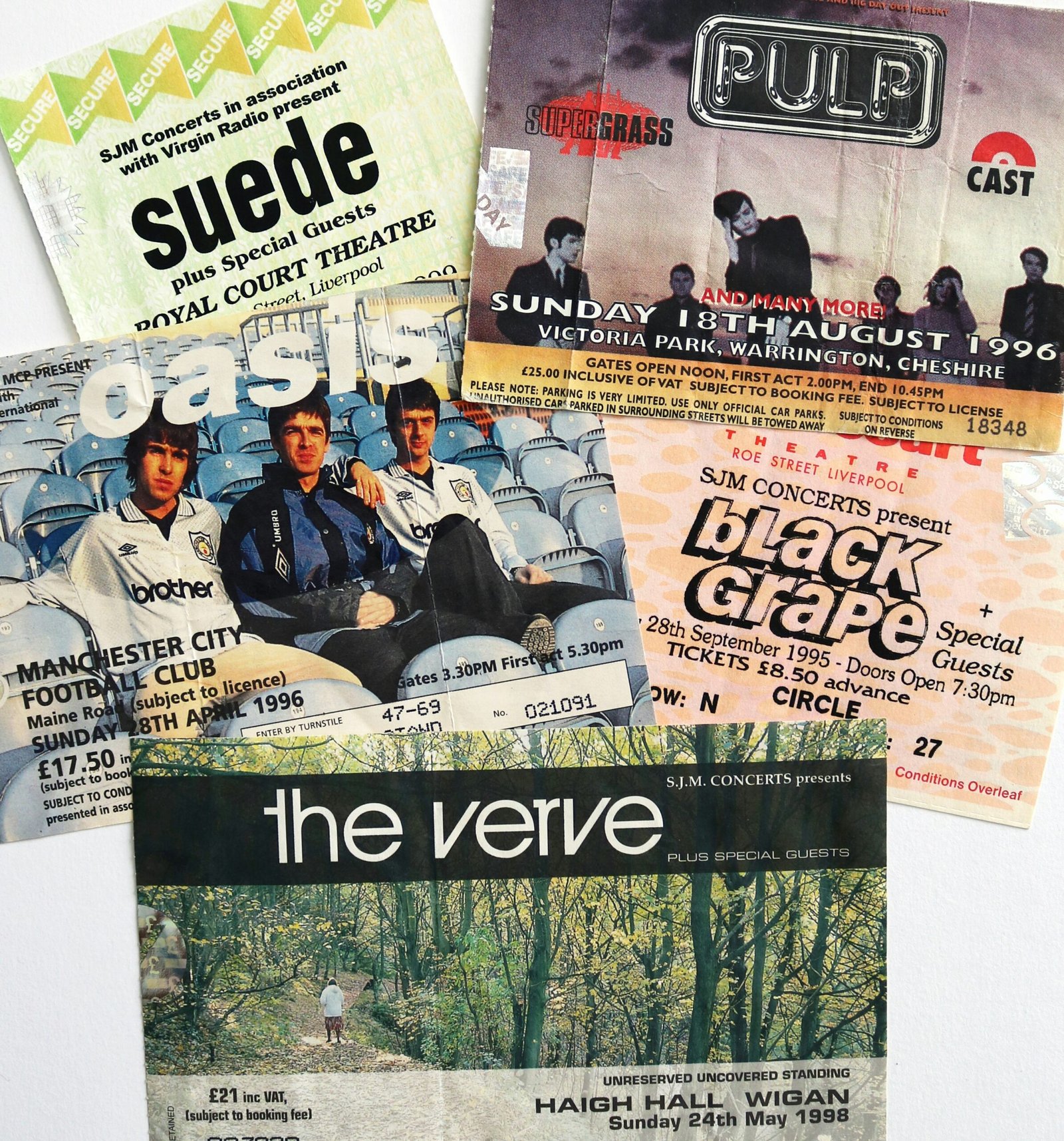
Britpop, which dominated the UK music scene in the 1990s, was more than just a musical genre; it was a cultural movement. Artists like Oasis, Blur, and Pulp brought a sense of pride and identity to the working-class British experience, intertwining their music with political and social undertones. This period in music history left an indelible mark on the global music landscape, and today’s artists are reintroducing that same energy in their work.

In 2025, Britpop’s revival is more than a passing trend. It is a way for a new generation to reconnect with the sounds that shaped the UK’s musical identity in the 90s. For older fans, it offers a chance to relive the joy and angst of their youth, while younger listeners are drawn to the boldness and energy of a genre that celebrated individuality and attitude.

The new wave of Britpop-inspired music is not just a copy of the past. Instead, it blends modern sensibilities with the infectious hooks, swagger, and lyrical storytelling that made the genre a household name. This fusion of the old and the new allows Britpop to remain relevant and fresh while maintaining its core essence.

Robbie Williams: A Nod to Britpop Roots

Robbie Williams, one of the leading figures in Britpop-inspired music today, is a prime example of how the genre is making a strong comeback. His latest album, inspired by the iconic sounds of the 90s, resonates with fans who remember the height of Britpop’s popularity. Williams has long been associated with the genre, both as a solo artist and as a member of Take That, and his embrace of Britpop influences highlights the ongoing relevance of the movement.

Williams’ new project doesn’t just tap into nostalgia; it reinterprets the sound for today’s listeners. His music balances the familiar Britpop aesthetic with contemporary production techniques, creating an album that honors the past while pushing forward. As he releases new tracks that evoke the same boldness and fun as Britpop classics, Williams continues to serve as a bridge between the past and the present.

For fans and investors, Williams’ return to Britpop influences signals a growing market for artists who are revisiting and reinterpreting past genres. The success of such releases reinforces the notion that nostalgia can drive commercial success in the music industry, especially when tied to a cultural movement as beloved as Britpop.

A New Wave of Britpop-Inspired Artists

The Britpop Revival: What's Fueling the '90s Music Takeover in 2025?

Photo Credit: Unsplash.com

While established artists like Robbie Williams are playing a significant role in the genre’s revival, a new wave of indie bands and solo acts is also contributing to Britpop’s resurgence. These artists are blending elements of Britpop with modern indie rock, electronic music, and even pop, creating a fresh take on the genre.

Bands like Wolf Alice, The 1975, and even emerging acts such as Sports Team are all drawing from the Britpop playbook while infusing their music with contemporary influences. This combination allows the genre to evolve without losing its roots. For the younger generation, this new wave of Britpop-inspired music feels like an exciting rediscovery of a sound that captures the essence of British culture but is infused with their own unique perspectives.

This shift signals a broader trend in the music industry where older genres are being reexamined and revitalized by the new generation. For investors and industry professionals, this resurgence offers opportunities to support emerging talent who are reinterpreting the classics and expanding the reach of a beloved genre.

The Cultural Appeal: A Desire for Optimism

The resurgence of Britpop can also be linked to a broader cultural desire for optimism. As the world faces political unrest, economic uncertainty, and environmental concerns, many are looking back to the 90s for inspiration. The era was marked by a sense of youthful rebellion, carefree energy, and a celebration of individuality—qualities that seem to resonate more deeply today.

The upbeat anthems of Britpop, often filled with anthemic choruses and infectious rhythms, offer a sense of release. Tracks like “Wonderwall” by Oasis or “Girls & Boys” by Blur were more than just songs; they became anthems of a generation. In 2025, listeners are revisiting these tracks, finding comfort in their familiar sounds and lyrics that once captured the essence of youth.

This nostalgia-driven cultural movement is part of a larger trend where past influences—whether in music, fashion, or film—are gaining prominence. The revival of Britpop, therefore, is not just about revisiting music; it’s about reconnecting with a mindset and attitude that many feel is missing from the current moment.

Britpop’s Lasting Impact on Modern Music

Britpop’s influence extends far beyond its initial run in the 90s. The genre’s impact can still be felt in the music of today, particularly in the indie rock and alternative scenes. Its catchy hooks, unapologetic attitude, and strong sense of identity have inspired countless artists across genres.

The 2025 Britpop revival shows no signs of slowing down. As artists continue to draw from the movement’s sounds and spirit, the genre remains a significant cultural force. The nostalgia surrounding Britpop isn’t simply about revisiting old hits—it’s about celebrating an era of music that defined a generation and continues to shape the musical landscape.

For fans, the return of Britpop nostalgia offers a chance to relive a beloved musical era. For investors and industry professionals, it provides an opportunity to tap into a market driven by both nostalgia and innovation. Whether through new releases, concert tours, or streaming content, Britpop’s influence is once again a key player in the music industry.