Entertainment Post

The Hawaiian Show Gaining Attention: Inside The Magical Mystery Show at the Hilton Waikiki Beach

By: Mandy Spear

In the middle of Waikiki, past the palm trees and the sound of the surf, there’s a hidden door tucked inside the Hilton Waikiki Beach Hotel. Push through a secret bookcase, and you step into another world — part Victorian parlor, part Hawaiian dream, and entirely unlike anything else on the islands.

This is The Magical Mystery Show, one of the highest-rated nightlife experiences in Honolulu and a surprising entertainment hit in America. With close to 2000 five-star TripAdvisor reviews, fans call it “the best magic show we’ve ever seen,” “a comedy wrapped in mystery,” and “a highlight of our Hawaii trip.”

It’s not a sprawling Vegas spectacle or a digital-age illusion. It’s something smaller, warmer, and, in its own way, potentially much more astonishing.

5 Reasons The Magical Mystery Show Could Be Hawaii’s Must-See Experience

1. It’s Hidden Behind a Secret Door

Guests enter through a real bookcase inside the Hilton Waikiki Beach Hotel, stepping into a Victorian parlor filled with antiques and island charm. It feels like discovering a hidden world.

2. A World Champion Headlines Most Nights

Resident magician Shoot Ogawa, winner of the 2022 FISM World Championship of Magic, performs two nightly solo shows that often leave audiences laughing, gasping, and wondering how it’s even possible.

3. It’s More Comedy Than Illusion

Producer Jonathan Todd calls it “a lighthearted, interactive experience.” With humor, audience participation, and world-class sleight of hand, it’s often as funny as it is mystifying.

4. You May Learn Some Tricks Yourself

Daily Magic Classes let guests of all ages learn real illusions from the show’s magicians — confidence-building fun that many families and couples enjoy.

5. Every Ticket Helps Do Good

A portion of sales supports Shriners Children’s Hospital and The Magic Castle’s Junior Program, helping kids across the Pacific Rim access medical care and mentorship in magic.

A Stage Built on Wonder and Laughter

The Hawaiian Show Gaining Attention Inside The Magical Mystery Show at the Hilton Waikiki Beach

Photo Courtesy: The Magical Mystery Show

The room seats just sixty-four people, and that’s part of the appeal. There’s no hiding behind lights or smoke. Every coin, card, and laugh happens just a few feet away. The walls are lined with antiques, curiosities, and nods to Hawaiian history, designed by co-producer Ruth O’Keefe to capture the charm of a nineteenth-century salon.

“We wanted to make people feel like they’d traveled in time,” says Ruth in Honolulu Magazine’s feature on the show. “The theater reflects the era when Hawaii’s King Kalākaua visited Queen Victoria. It’s elegant, eccentric, and alive.”

That mix of history and intimacy sets the scene for something rare in modern entertainment — an evening that feels personal. It’s part comedy, part magic, and completely human.

The World Champion Who Makes It Look Effortless

Every night from Saturday through Thursday, the spotlight belongs to Shoot Ogawa, a legend in the world of sleight of hand and a World Champion of Magic (FISM 2022). He performs two 70-minute shows each night at 5:00 PM and 7:30 PM, keeping audiences from around the world laughing and gasping in equal measure.

Shoot’s reputation precedes him. He’s performed for royal families, world leaders, and Hollywood stars — including Johnny Depp, who has hired him repeatedly for private events. Penn Jillette of Penn & Teller once called him “the best sleight of hand of anybody in the world right now,” and many who have seen him live would likely agree.

But what surprises most guests isn’t just the skill, it’s the warmth.

Ogawa’s show, as co-producer Jonathan Todd explains, is “more comedy than illusion.” That’s intentional. “It’s about joy, connection, and surprise,” Todd said in Honolulu Magazine’s June 2024 profile. “People forget how fun live magic can be.”

A Cast of Characters and Comedians

Before Shoot steps onstage, guests often meet one of the show’s other talented magicians — Kenshin Amagi, Kekoa Erickson, Akinobu, or Pieter Hofstra. They handle the opening act with quick wit and interactive energy, getting the crowd laughing before the main event begins.

On Fridays, the format changes. The spotlight shifts to The Sleight & Delight Tour, a lively team-up featuring Kenshin, Akinobu, and Kekoa, or a solo headliner performance by Kekoa Erickson himself — the charismatic “King of the Five-Star Reviews” known for his levitation act and signature blend of aloha and humor.

Each magician brings their own rhythm. Kenshin, who also manages the theater’s operations and marketing, mixes classic magic with storytelling. Akinobu’s close-up routines draw gasps from even the most skeptical guests. Pieter, who also serves as Sales Manager, doubles as the night’s MC with a sharp comedic flair. Together, they create a dynamic rotation that keeps every show fresh.

More Than a Show — A Purpose

What makes The Magical Mystery Show different isn’t just the laughter or the illusions. It’s the heart behind it. A portion of every ticket sold goes to Shriners Children’s Hospital and The Magic Castle’s Junior Program, supporting children’s medical care and mentorship for aspiring young magicians.

That sense of purpose runs deep with founder Jonathan Todd, a Grammy-nominated producer with a career that spans more than two decades. Before launching the show, Todd spent years producing concerts, managing theatrical events, and collaborating with some of the biggest names in music, including Mick Fleetwood of Fleetwood Mac. After moving to Hawaii, he set out to create a production that combined his love for showmanship with his lifelong passion for magic.

“When people walk out smiling, when a child’s eyes light up — that’s why we do this,” Todd shared in a local TV interview with KHON. “It’s not about tricking people. It’s about reminding them what wonder feels like.”

An Experience That Keeps Giving

The wonder doesn’t end when the curtain closes. Guests can sign up for Magic Classes taught by the performers themselves — one-hour sessions designed for all ages. The classes, held right inside the theater, let students learn a few tricks, gain confidence, and see the art from the magician’s perspective.

As Todd explains, “Learning magic helps kids with confidence, critical thinking, and creativity. It’s fun, but it’s also a form of growth.”

Families and couples often come back for the classes after seeing the show, eager to discover what happens behind the curtain. And with such a small venue, the experience feels more like being welcomed into a private club than attending a commercial performance.

The VIP Touch

Every detail of The Magical Mystery Show is designed to feel personal — right down to the seating. Guests can choose from general admission or a limited VIP package that includes front-row seats, a souvenir magic kit, an extra drink (the house-favorite Merlin Rum Punch), and first entry to the theater.

Ticket Options

The Magical Mystery Show offers a variety of ticket options to suit different preferences:

  • General Admission: Enjoy access to the show in a welcoming, intimate setting.

  • Hilton Guests / Kamaʻāina / Military: Special tickets for locals and those staying at the Hilton Waikiki Beach.

  • Children: A family-friendly option that includes a magic kit for young guests.

  • VIP Admission: For an enhanced experience, with front-row seating and additional perks.

  • Local ʻOhana Bundle: A ticket option for local families, offering one adult and one child free admission.

Each ticket type offers a unique experience to make your visit memorable.

Free valet parking adds to the ease, and adults 21 and over enjoy their complimentary cocktail with the show.

With tickets often selling out days in advance, the intimate setting ensures every seat feels close enough to touch the magic — and sometimes, guests actually do.

The Show That’s Redefining Hawaiian Nightlife

In a time when so much entertainment feels digital or distant, The Magical Mystery Show reminds audiences that live performance still has the power to astonish. It’s the laughter of strangers sharing disbelief. It’s the flash of a coin that vanishes midair. It’s a magician smiling knowingly as an entire room gasps in sync.

The show’s blend of world-class talent, heartfelt purpose, and sheer fun is drawing audiences from across the Pacific. Whether you’re a family looking for laughter, a couple in search of a one-of-a-kind night out, or simply someone who believes the world could use a little more wonder, there’s a hidden door in Waikiki waiting for you to open it.

And behind it, you’ll find that magic — authentic, human, joyful magic — is alive in Hawaii.

For more information about tickets, showtimes, and bookings, visit: The Magical Mystery Show!.

Stars Get Spooky: Inside Celebrity Halloween Trick-or-Treat Adventures

Halloween isn’t just for the kids—it’s an exciting time for celebrities to embrace their spooky side. From elaborate costumes to festive trick-or-treating adventures, stars are bringing the fun in a big way. Whether it’s hosting exclusive parties or stepping out in public for some trick-or-treating fun, Halloween has become a major event in Hollywood, with A-listers stepping up their game every year.

Celebrity Costumes That Steal the Show

Halloween is one of those rare occasions where celebrities can let loose and show off their creativity. The costumes range from hilarious to jaw-droppingly impressive, with stars pulling out all the stops to surprise their fans. While some choose to dress as iconic movie characters, others opt for funny, offbeat ideas that keep their audience guessing.

Take Heidi Klum, for instance. Known for her over-the-top Halloween parties, she’s turned the holiday into an art form. Year after year, she reveals jaw-dropping costumes—like a fully realized, life-sized Jessica Rabbit—proving that she’s the undisputed queen of Halloween. Meanwhile, other celebrities, like Kylie Jenner, have made it a point to go viral with their costume choices, often bringing a touch of glamour to the spooky spirit.

Trick-or-Treating with the Stars

While most adults are content to hand out candy, a few brave celebrities take it a step further by joining in on the trick-or-treating fun. With their kids in tow, these stars head out in search of sweet treats, and they do it in style. Take Reese Witherspoon, for example—every Halloween, she and her family participate in their neighborhood’s trick-or-treating festivities, often dressed in coordinated outfits. Whether it’s a family of witches or superheroes, these stars show how Halloween brings families together, no matter how famous you are.

The tradition of trick-or-treating doesn’t just stay within the family either. Stars like Kim Kardashian have been spotted walking the streets with their little ones, offering a rare glimpse into their more personal lives. These moments allow fans to see their favorite celebrities in a completely different light, enjoying the holiday like anyone else.

Celebrity Halloween Parties: An A-List Tradition

Of course, no Halloween is complete without a good party, and celebrities know how to throw a bash that will be remembered for years. From swanky soirees to haunted house extravaganzas, Hollywood parties are just as much about the costumes as they are about the atmosphere. A-listers go all out with themed decorations, celebrity DJ sets, and, of course, guest lists filled with fellow stars.

The annual bash hosted by Heidi Klum is one of the most anticipated events in the celebrity Halloween calendar. This party is known for its over-the-top theme, red carpet-worthy costumes, and performances that rival any awards show. However, Klum’s Halloween party isn’t the only one that stands out. Celebrities like Leonardo DiCaprio and Paris Hilton have thrown their own Halloween bashes, each more spectacular than the last. These events are often the talk of the town, and the costumes are just as impressive as the guest list.

The Influence of Social Media on Celebrity Halloween Traditions

Stars Get Spooky: Inside Celebrity Halloween Trick-or-Treat Adventures

Photo Credit: Unsplash.com

With social media, celebrity Halloween moments have become even more public. Instagram, TikTok, and Twitter are flooded with photos and videos showcasing everything from behind-the-scenes costume preparations to live-streamed Halloween events. Stars like Ariana Grande, Selena Gomez, and Justin Bieber share their spooky moments, giving their followers an inside look at how they celebrate the holiday.

For influencers and celebrities, Halloween offers a chance to create viral content. Whether it’s a fun makeup tutorial, a humorous dance, or a spooky video, Halloween-themed content gets major engagement. The attention to detail in these posts, from intricate costume reveals to themed set designs, shows just how much effort goes into celebrating the holiday. Celebrities also use their Halloween content to raise awareness for charity events, allowing them to promote causes while having fun.

The Cost of Celebrity Halloween Costumes and Parties

Let’s face it—when celebrities throw a Halloween party, the price tag can be enormous. From renting out massive venues to hiring top-tier performers, the budgets for these parties are no joke. Celebrity costumes, too, come with hefty price tags. Celebrities often turn to top designers to create one-of-a-kind pieces that reflect their personal style, and these high-fashion outfits can cost thousands of dollars.

Despite the extravagant spending, many stars don’t mind splurging to make their Halloween celebrations as memorable as possible. After all, for them, Halloween isn’t just about costumes and candy—it’s about putting on a show. Fans, in turn, love seeing these elaborate displays and get excited to see how their favorite stars choose to mark the occasion.

A New Tradition: Charity and Community Involvement

In recent years, many celebrities have used their Halloween fun to give back to their communities. Stars like John Legend and Chrissy Teigen have been known to host charity events, blending their Halloween festivities with philanthropy. These charitable events often include costume contests, auctions, and donations for causes like children’s hospitals, animal welfare, and food banks.

These Halloween traditions show that even though celebrities are known for their extravagant lifestyles, they also care deeply about giving back. Fans appreciate when their favorite stars use the occasion to make a positive impact, as it adds a layer of depth to the celebration.

Biblical Figures on Film: History and Challenges of Portrayal

How Have Biblical Figures Been Portrayed in Cinema Throughout History?

Cinema has long been fascinated with biblical stories and characters, offering filmmakers a rich tapestry of narratives rooted in faith, morality, and human experience. The depiction of biblical figures in movies has evolved alongside the medium itself, reflecting changing cultural contexts, artistic trends, and theological perspectives.

Early films, like the silent-era epics The Passion of Joan of Arc (1928) and Ben-Hur (1925), approached biblical figures with grandeur and reverence. These productions aimed to visually captivate audiences while adhering closely to scriptural accounts. Directors and actors portrayed figures such as Jesus, Moses, and Mary with solemnity, emphasizing their spiritual significance and moral authority.

Over time, cinematic portrayals diversified. The mid-20th century introduced more humanized and psychologically complex versions of biblical characters. For example, The Greatest Story Ever Told (1965) presented Jesus as compassionate yet approachable, while King of Kings (1961) focused on the humanity behind divine figures.

Contemporary cinema often wrestles with historical accuracy, theological debates, and modern sensibilities. Filmmakers balance faithfulness to texts with dramatic storytelling, sometimes generating controversy. The evolution of these portrayals mirrors broader societal shifts in religion, art, and cultural dialogue.

What Challenges Do Filmmakers Face When Depicting Biblical Figures?

Portraying biblical figures on screen involves unique artistic and ethical challenges. These characters hold profound religious significance for millions worldwide, making sensitive representation crucial. Filmmakers must navigate expectations from diverse faith communities while crafting compelling narratives.

One challenge lies in balancing scriptural fidelity with dramatic license. The Bible often provides limited detail on personalities and emotions, requiring filmmakers to fill gaps creatively. However, this risks alienating viewers if perceived as inaccurate or disrespectful. Casting choices also pose difficulties. Actors portraying figures like Jesus or Mary carry heavy symbolic weight, influencing audience reception. Diverse interpretations—ranging from traditional to progressive—reflect different theological and cultural viewpoints, sometimes sparking debate or backlash.

Additionally, the visual depiction of divine events or miracles demands thoughtful cinematic techniques. Representing supernatural elements convincingly without veering into sensationalism requires skill and restraint. Overall, filmmakers walk a fine line between artistic expression and religious reverence, striving to engage viewers while honoring the source material’s sacred nature.

How Have Different Cultural Contexts Influenced Cinematic Portrayals of Biblical Characters?

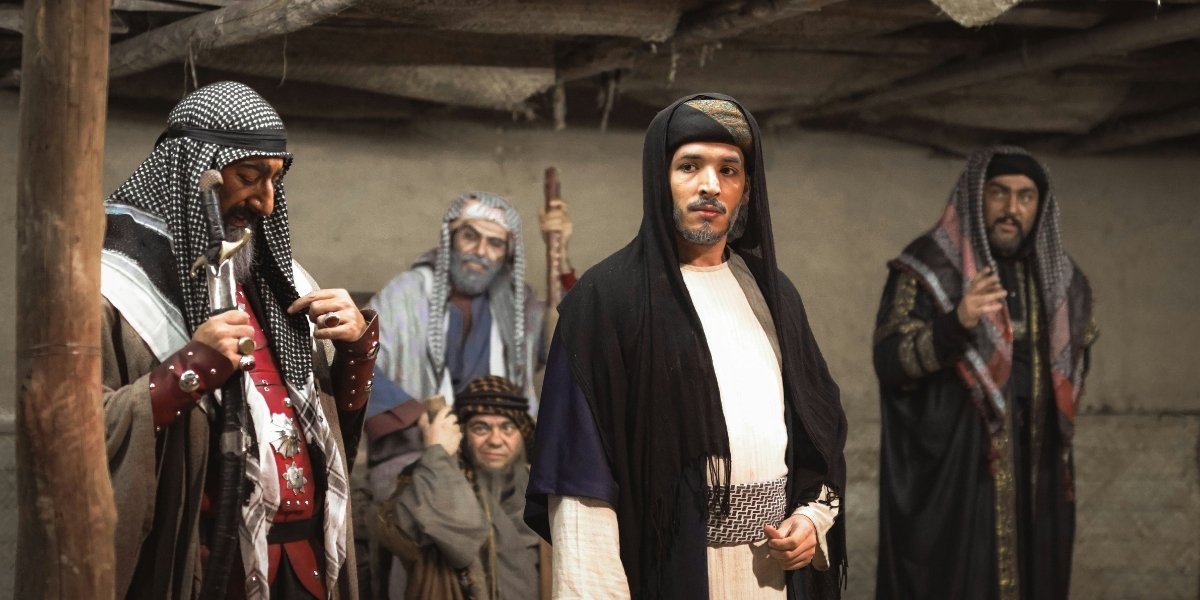
The portrayal of biblical figures is deeply influenced by cultural contexts, shaping how characters are interpreted and presented. Different regions and eras bring distinct perspectives, reflecting local religious traditions, artistic styles, and societal values. In Western cinema, biblical epics often emphasize grandiosity, moral clarity, and heroism, aligning with Judeo-Christian heritage. Hollywood’s influence popularized iconic portrayals of Jesus and other figures as white, European-looking characters, reflecting dominant cultural norms.

Biblical Figures on Film: History and Challenges of Portrayal

Photo Credit: Unsplash.com

In contrast, films from the Middle East, Africa, and Latin America may present biblical stories through indigenous lenses, incorporating local customs, languages, and aesthetics. These adaptations highlight the universality of biblical themes while affirming cultural identity.

Contemporary filmmakers increasingly challenge traditional depictions by exploring marginalized voices or alternative narratives. For example, casting actors of diverse ethnicities in biblical roles fosters inclusivity and sparks conversations about representation. The intersection of faith, culture, and cinema enriches the depiction of biblical figures, offering audiences multifaceted interpretations that resonate across global contexts.

What Role Do Cinematic Techniques Play in Shaping Audiences’ Perception of Biblical Figures?

The way biblical figures are presented on screen is shaped significantly by cinematic techniques—camera work, lighting, music, costume design, and acting style all contribute to audience perception. Close-up shots and soft lighting often evoke intimacy and empathy, inviting viewers to connect emotionally with characters. Conversely, wide shots and dramatic music can convey power, awe, or divine authority.

Costume and set design establish historical context, while symbolic colors and motifs reinforce spiritual themes. For instance, white robes may signify purity, while shadows can depict internal conflict or sacrifice. Acting choices also influence character depth. Subtle expressions or restrained performances may highlight humility or suffering, while grand gestures underscore leadership or prophecy.

Filmmakers use these tools to balance humanity and divinity, guiding audience responses and enhancing narrative impact. The visual and auditory language of cinema thus plays a critical role in how biblical figures are understood and remembered.

How Do Contemporary Films Balance Faithfulness and Artistic Interpretation of Biblical Characters?

Modern filmmakers often face the challenge of balancing faithfulness to biblical texts with artistic interpretation. Audiences today include both devout believers seeking reverence and general viewers desiring relatable storytelling.

Some contemporary films strive for strict adherence, consulting theologians and historians to ensure accuracy. Others prioritize thematic exploration, using biblical figures as symbols to address contemporary issues such as justice, forgiveness, and identity.

Innovative storytelling techniques—nonlinear narratives, psychological depth, and allegory—allow deeper exploration of biblical characters’ motivations and struggles. This approach humanizes iconic figures without diminishing their spiritual significance.

The digital age also enables enhanced visual effects, bringing biblical miracles and settings to life with unprecedented realism. However, filmmakers balance spectacle with subtlety to avoid overshadowing the message. Successful portrayals respect the sacred origins while inviting new interpretations, fostering dialogue between faith and art that keeps biblical stories alive in popular culture.

Smartphones: The New Tools for Filmmaking

In the past, creating high-quality films required expensive cameras, sophisticated equipment, and a team of skilled professionals. However, with the advancements in technology, particularly in smartphone capabilities, phones are increasingly becoming powerful tools for filmmaking. In this article, we’ll explore how phones are revolutionizing the world of filmmaking, making it more accessible and democratized than ever before.

The Rise of Smartphone Filmmaking

Smartphones have evolved from simple communication devices to powerful multimedia tools capable of capturing stunning visuals and crisp audio. With high-resolution cameras, advanced image stabilization, and professional-grade editing software available at our fingertips, smartphones are empowering filmmakers to create professional-looking films without the need for expensive equipment or extensive technical expertise. As a result, smartphone filmmaking has experienced a surge in popularity, with filmmakers around the world embracing the convenience and accessibility of mobile technology to bring their creative visions to life.

One of the most significant advantages of using phones for filmmaking is their accessibility and affordability. Unlike traditional filmmaking equipment, which can be prohibitively expensive and difficult to obtain, smartphones are widely available and relatively inexpensive. Almost everyone owns a smartphone these days, which means that aspiring filmmakers no longer need to invest in costly cameras and accessories to get started. With just a smartphone and a few inexpensive accessories like a tripod and microphone, filmmakers can begin shooting high-quality videos right away, leveling the playing field and democratizing the filmmaking process.

Portability and Convenience

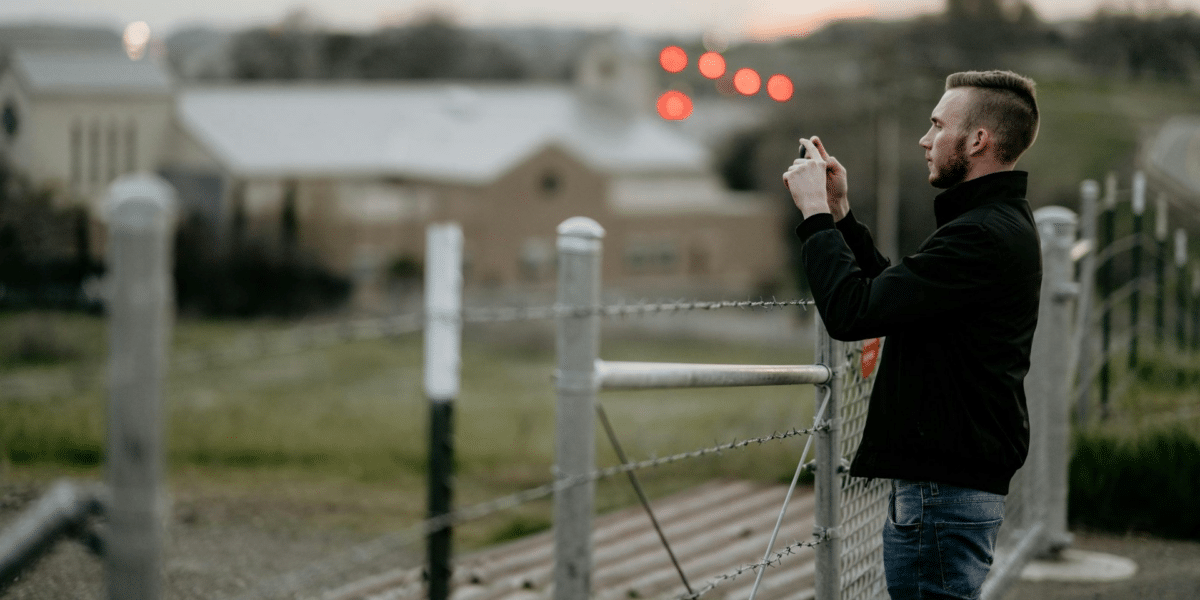
Another benefit of using phones for filmmaking is their portability and convenience. Unlike bulky cameras and equipment, smartphones are compact and lightweight, making them ideal for shooting on the go or in tight spaces where traditional cameras may not fit. This portability allows filmmakers to capture spontaneous moments and scenes that would have been challenging or impossible to film with larger equipment. Additionally, smartphones are always with us, making it easy to capture footage whenever inspiration strikes, whether it’s while traveling, commuting, or simply going about our daily lives.

Smartphones offer a level of versatility and creativity that is unmatched by traditional filmmaking equipment. With a wide range of built-in camera features and editing tools, smartphones allow filmmakers to experiment with different shooting techniques, angles, and effects to achieve their desired look and feel. From slow-motion and time-lapse to panoramic and portrait mode, smartphones offer endless possibilities for creative expression. Additionally, the availability of third-party apps and accessories further extends the capabilities of smartphones, allowing filmmakers to customize their filming setup to suit their specific needs and preferences.

Social Media and Online Platforms

The rise of social media and online platforms has played a significant role in driving the popularity of smartphone filmmaking. Platforms like YouTube, Instagram, TikTok, and Snapchat have democratized content creation, providing filmmakers with a global audience and a platform to showcase their work. With the ability to easily share videos online, filmmakers can reach millions of viewers with just the click of a button, bypassing traditional distribution channels and gatekeepers. This accessibility has paved the way for a new generation of filmmakers to emerge, creating diverse and innovative content that resonates with audiences around the world.

Smartphones: The New Tools for Filmmaking

Photo Credit: Unsplash.com

Smartphones are also valuable educational tools for aspiring filmmakers, providing access to a wealth of resources and learning opportunities. From online tutorials and courses to filmmaking apps and communities, smartphones offer a wide range of resources for learning the craft of filmmaking. Many filmmakers use smartphones to practice their skills, experiment with different techniques, and collaborate with other creatives in online communities. Additionally, smartphones enable filmmakers to document their creative process and share behind-the-scenes insights with their audience, providing valuable learning experiences for aspiring filmmakers.

Professional Applications and Use Cases

Smartphones have rapidly evolved from casual recording devices into legitimate tools within professional filmmaking environments. While they were once associated primarily with amateur creators and indie storytellers, today’s smartphones are being embraced by seasoned filmmakers and production houses for a variety of creative and logistical purposes. Behind-the-scenes footage, second-unit shots, and social media content are often captured using mobile devices due to their portability, ease of use, and increasingly high-quality output. Their unobtrusive nature allows crews to film in tight or sensitive locations without the bulk of traditional gear, making them ideal for spontaneous moments and dynamic shooting conditions.

More impressively, smartphones are now being used as primary cameras for entire productions, especially in genres that benefit from a raw, intimate aesthetic—such as documentaries, music videos, and short-form narratives. With the rise of cinematic lenses, stabilizers, and advanced editing apps, filmmakers can achieve professional-grade visuals without relying on expensive rigs. This democratization of technology has blurred the boundaries between amateur and professional filmmaking, empowering creators at every level to produce compelling, high-quality content. As mobile filmmaking continues to gain traction, it’s reshaping not only how stories are told, but who gets to tell them.

Power in the Palm of Our Hands

Smartphones are reshaping the filmmaking landscape, breaking down barriers that once limited who could tell visual stories and how those stories could be shared. With high-resolution cameras, intuitive editing apps, and the ability to shoot, cut, and distribute content from a single device, mobile filmmaking has become a dynamic force in both amateur and professional circles. Creators no longer need expensive rigs or studio access to produce compelling narratives—just a smartphone and a vision. This shift has opened the door to a more inclusive and agile creative community, where anyone with a story and a bit of ingenuity can participate in the cinematic conversation.

As smartphone technology continues to evolve, the possibilities for mobile filmmaking are expanding at an astonishing pace. Innovations in sensor design, AI-powered editing, and modular accessories are pushing the boundaries of what’s possible with a pocket-sized device. We’re seeing smartphones used not only for indie films and documentaries but also in commercial productions and festival-worthy projects. This democratization of tools is fueling a new wave of experimentation and authenticity in storytelling, where creators can focus less on gear and more on voice. The future of filmmaking is increasingly mobile, and it’s being shaped by the hands of those bold enough to embrace it.