
Beyond the Grass: Fascinating Facts & Historic Triumphs of Wimbledon


Wimbledon stands as the oldest and arguably most prestigious tennis tournament in the world, embodying a unique blend of sporting excellence and steadfast tradition. Since its inception in 1877, The Championships have captivated audiences globally, not only for the thrilling athletic contests on its hallowed grass courts but also for its distinctive customs that set it apart from any other major sporting event. These long-standing practices contribute significantly to its unique charm and atmosphere, turning each tournament into an event that transcends sport.
The enduring appeal of Wimbledon lies in this delicate balance. While the world of professional tennis has evolved dramatically over the decades, the tournament has consciously maintained many of its foundational elements, preserving a sense of history and continuity. This commitment to tradition provides a timeless backdrop against which new champions are crowned, records are broken, and unforgettable moments of athletic triumph unfold, creating a narrative rich with both heritage and contemporary drama.
What Are the Most Iconic Wimbledon Traditions?
Among the many cherished customs, the all-white dress code is perhaps the most recognizable of Wimbledon Traditions. Since the late 19th century, players have been required to wear almost entirely white attire. This strict rule, originally intended to minimize the appearance of sweat marks, has endured as a symbol of elegance and purity, creating a distinctive visual aesthetic that contrasts sharply with the vibrant colors seen at other tournaments. Even minute details, such as the width of colored trims on clothing, are meticulously regulated, underscoring the deep commitment to this sartorial heritage.
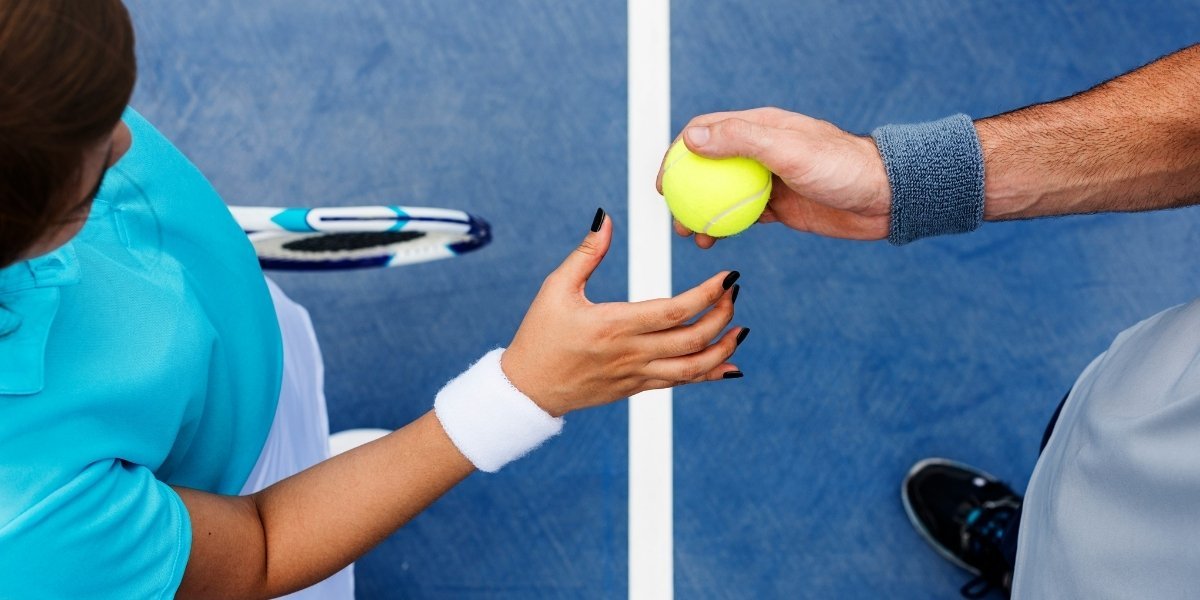
Photo Credit: Unsplash.com
Another beloved tradition is the consumption of strawberries and cream. This quintessential British treat has been served at the Championships since the very first tournament in 1877, with staggering quantities devoured each year by spectators. Beyond culinary delights, the famous “Queue” offers a unique experience, where dedicated fans camp out, sometimes overnight, for the chance to purchase coveted same-day tickets. This communal effort to gain entry highlights the passion and dedication Wimbledon inspires, making the wait itself part of the memorable experience. Furthermore, the absence of overt advertising on the courts, a rarity in modern sports, maintains a pristine and timeless visual environment, placing the focus squarely on the tennis itself.
Why Is the All-White Dress Code So Enduring and Strict?
The all-white dress code, a cornerstone of Wimbledon, dates back to the Victorian era when tennis was primarily a social pastime. At the time, visible sweat stains were deemed “improper,” particularly for women, and white clothing was believed to be the most effective at masking perspiration. What began as a practical and societal norm gradually solidified into a rigid rule. Unlike other Grand Slams that have relaxed their dress codes over time, Wimbledon has maintained, and in some aspects even tightened, its regulations, insisting on “almost entirely white” attire, including all visible accessories and undergarments.
This strict adherence to white is not merely an antiquated rule; it is central to Wimbledon’s identity and brand. It creates a sense of uniformity and timelessness, distinguishing the tournament visually from its peers. For players, it means that individual expression through flamboyant outfits is curtailed, forcing their performance on the court to be the sole differentiator. This policy reinforces the tournament’s focus on athletic prowess and sportsmanship over commercialism, imbuing each match with a unique sense of decorum and historical continuity that resonates deeply with both participants and spectators alike.
What Unique Challenges Do Grass Courts Present for Players?
The grass courts at Wimbledon present a unique set of challenges that significantly influence gameplay and player strategy, setting it apart as the only Grand Slam still played on this traditional surface. Grass is considered the fastest surface in tennis, causing the ball to skid and bounce lower than on clay or hard courts. This characteristic demands lightning-fast reflexes, exceptional agility, and precise footwork from players. The quickness of the points often favors aggressive players who possess powerful serves and are adept at serve-and-volley tactics, allowing them to finish points rapidly at the net.
The condition of the grass courts evolves throughout the two weeks of the Championships. As matches are played, the grass naturally wears down, particularly around the baselines, becoming slicker and bouncier in different areas. This dynamic surface requires players to constantly adapt their game, adding an element of unpredictability to matches. The meticulous maintenance of the grass, cut to a precise 8mm, is a testament to another one of the long-standing Wimbledon Traditions, ensuring optimal playing conditions despite the inherent complexities of a natural playing surface.
What Are Some Notable Triumphs and Record-Breaking Moments?
Wimbledon is intrinsically linked through the pursuit of excellence that defines the championships. Over its long history, the tournament has been the stage for countless unforgettable triumphs and record-breaking achievements that have cemented the legacies of many tennis legends. Winning the singles title at Wimbledon is often considered the pinnacle of a tennis player’s career, symbolizing mastery of the unique grass court game and the ability to perform under immense pressure and historical scrutiny.

Photo Credit: Unsplash.com
From sustained periods of dominance by players with multiple titles, some achieving unprecedented consecutive victories, to epic matches that stretched over hours and pushed athletes to their physical and mental limits, the tournament is a crucible of sporting greatness. These triumphs are not just about individual accolades; they often represent groundbreaking moments that redefine what is possible in tennis, inspiring future generations. Whether it’s overcoming formidable rivals, achieving a career Grand Slam, or setting new benchmarks for titles won on grass, the triumphs etched into Wimbledon’s history are a testament to the relentless pursuit of perfection on its storied courts.
How Do Wimbledon’s Traditions Contribute to Its Global Appeal?
Wimbledon plays a crucial role in establishing its unparalleled global appeal and mystique. In an era where many sporting events have become highly commercialized and standardized, Wimbledon’s unwavering commitment to its customs offers a refreshing sense of timelessness and authenticity. The all-white attire, the pristine green courts, the strict hierarchy of the Royal Box, and even the simple pleasure of strawberries and cream, all contribute to an atmosphere that feels both historic and uniquely British, drawing in viewers and attendees from every corner of the globe.
This blend of tradition with world-class competition creates a powerful narrative that transcends mere sport. It evokes a sense of heritage and continuity, appealing to those who appreciate the grandeur and decorum of a bygone era, while simultaneously showcasing the raw athleticism and drama of modern tennis. The consistent upholding of these traditions ensures that each championship feels like a special, singular event, fostering a deep emotional connection with fans worldwide and solidifying its position as one of the most revered spectacles in the sporting calendar.

