Entertainment Post

Watch Parties: How to Stream Movies Together Online

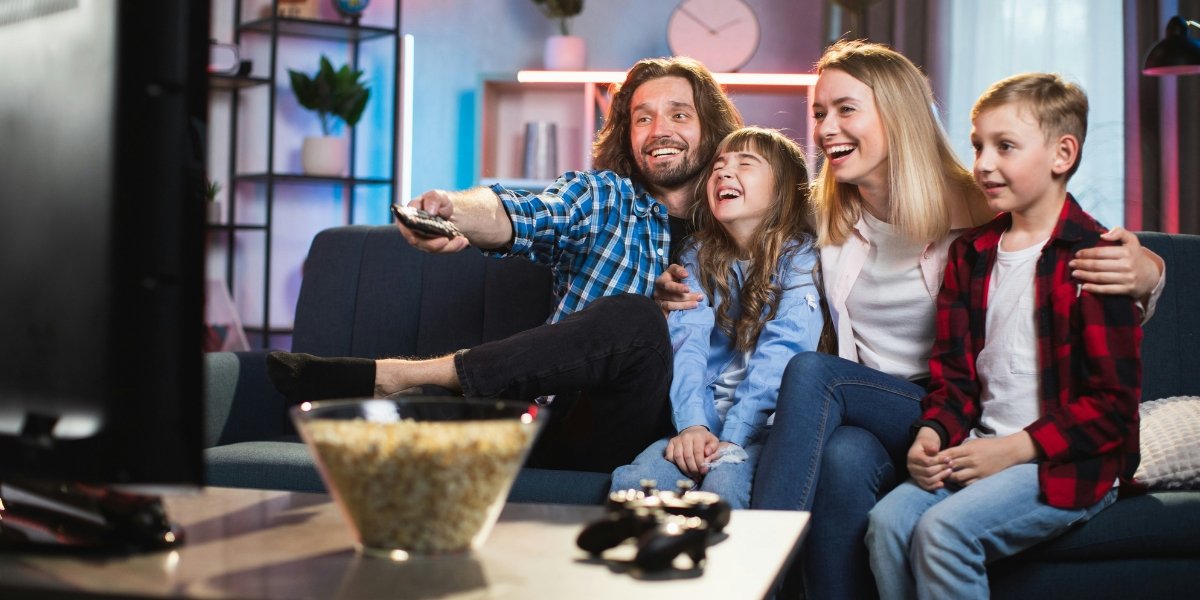
With the rise of streaming platforms, watching movies and TV shows has become more convenient than ever. But as digital media consumption increases, so does the desire for shared experiences. This is where the concept of a watch party comes in, revolutionizing how we connect with others over content. Whether you’re reconnecting with old friends or bonding with fans over your favorite show, watch parties bring the joy of shared viewing back into the modern age. But what exactly is a watch party, and how does synchronized streaming work? Let’s break it down.

What Is a Watch Party?

A watch party is an online event where a group of people synchronously watch a movie, TV show, or other video content together, regardless of their physical location. It’s like having a movie night with friends, but digitally. This experience has gained massive popularity, particularly since social distancing measures during the pandemic prompted a surge in remote socialization.

The beauty of watch parties lies in their ability to connect people from around the world in real-time, creating a virtual social experience. Whether you’re watching a Netflix show with friends or experiencing a live-streamed concert with thousands of fans, the main idea is the same: sharing a piece of entertainment while chatting, commenting, and reacting together.

The Mechanics of Synchronized Streaming

Synchronized streaming is the backbone of any watch party. It ensures that everyone involved in the event is watching the same content at exactly the same time, no matter where they are. There are several ways to make this happen, each utilizing unique technology to sync video playback.

Streaming Service Integrations: Some platforms, like Netflix and Disney+, have built-in watch party features that allow users to invite friends to watch and chat while the content plays. These integrations typically provide features like text chat, emoji reactions, and the ability to pause and resume the video in sync with other viewers. For example, Netflix’s Party feature and Amazon Prime’s Watch Party have become go-to tools for casual watch parties.

Third-Party Platforms: For those who want more flexibility or to watch content on streaming services without built-in watch party functions, third-party platforms like Teleparty (formerly Netflix Party) and Kast allow users to synchronize videos across different platforms. By installing a browser extension or using a specific app, users can invite friends, stream content in sync, and even chat in real-time. These services are often free or come with minimal costs, making them an accessible option for anyone looking to host a watch party.

Social Media Live Streams: Some celebrities, influencers, or content creators use social media platforms like YouTube, Instagram Live, or Facebook to host watch parties for exclusive content. In these cases, fans can engage through comments, likes, and reactions while watching live events, movie premieres, or music videos together.

Watch Party Features and Benefits
Watch parties aren’t just about synchronized streaming—they also offer a social layer to the experience. Here are some of the key features that enhance the watch party experience:

Real-Time Chat: A key feature of any watch party is the ability to chat with others while watching. Whether it’s a simple text chat or emoji reactions, this adds a social element that makes the experience more interactive.

Screen Sharing and Co-Watching: Some services allow users to share their screen or co-watch content from multiple platforms, making it easier to share personal videos, movies, or shows that may not be available on major streaming platforms.

Group Viewing Controls: Depending on the platform, hosts may have control over pausing, rewinding, or skipping content, ensuring that everyone is on the same page in terms of viewing progression.

Watch Party vs. Traditional Viewing: What’s the Difference?

Watch Parties: How to Stream Movies Together Online

Photo Credit: Unsplash.com

The most obvious difference between a watch party and traditional solo viewing is the social interaction. Watching a movie or TV show alone can be a great escape, but watching with others—whether in person or virtually—adds a layer of excitement and collective energy.

Watch parties elevate the viewing experience by creating a shared space where reactions and comments flow freely. They provide the sense of being “together” without needing to be physically present. Plus, the ability to engage with friends or fellow fans while watching your favorite show makes for a richer, more memorable experience than watching solo.

Pros of Watch Parties:

Social Engagement: Watching with friends, family, or fellow fans fosters connections and shared experiences.

Accessibility: You can join a watch party from anywhere, as long as you have an internet connection.

Interactive Experience: Many watch parties offer chat features, live reactions, and even games, adding a new dynamic to how we engage with content.

Cons of Watch Parties:

Technical Glitches: Sometimes, internet lag or syncing issues can disrupt the flow of the party.

Limited Content Availability: Some streaming platforms restrict the ability to watch certain content in sync, especially if it’s not available on the same platform for everyone involved.

No Physical Presence: While it’s great to connect online, there’s something irreplaceable about the physical presence of friends and family during a traditional movie night.

Watch Parties Are Changing the Way We Watch Content

Watch parties have undoubtedly become an integral part of the entertainment landscape, offering a modern twist on how we experience movies and TV shows. As the world becomes more digitally connected, it’s no surprise that the trend of synchronized streaming is growing. From global premieres to intimate viewing experiences, watch parties help bring people together and create lasting memories.

If you’re looking to host your own watch party, all you need is a stable internet connection, a streaming platform that supports synchronization, and a group of friends who are ready to enjoy the magic of shared viewing. With more tools than ever to make it happen, watch parties are here to stay.

Why Back-to-Back Premieres Are Hollywood’s New Year-End Business Strategy & Cultural Event

As the year winds down, Hollywood enters what is arguably its most competitive and culturally saturated season. With awards season looming and the holiday crowd in full swing, the strategy of launching back-to-back blockbuster premieres has become a hallmark of the year-end film release calendar. From star-studded red carpets to viral performances, these high-profile launches are no longer just about movie promotions—they are cultural “events” that extend far beyond the big screen.

The Year-End Movie Premiere Calendar: A Strategic Move

Hollywood’s back-to-back premieres aren’t a coincidence. As the entertainment industry navigates the crowded holiday period, studios strategically release their biggest films in rapid succession, aiming to dominate both the box office and social media chatter. This year, several major films have followed this pattern, showcasing how the industry capitalizes on its event-driven culture to keep audiences engaged. These releases come with massive star power, eye-catching fashion moments, and viral social media moments, making them as much about the spectacle as the films themselves.

What makes this strategy so effective is how it amplifies excitement. With multiple premieres stacked one after another, it keeps the conversation around Hollywood alive, especially during a period when viewers are already eager for new content. For viewers, it creates a series of must-watch moments that tie together entertainment, fashion, and celebrity, while for studios, it’s a calculated effort to extend the relevance of their films through every channel possible.

Red Carpet Glory: Celebrities as Part of the Brand

One of the most noticeable aspects of this strategy is the elevated focus on celebrity appearances at red-carpet events. These moments are no longer just about showcasing the latest fashion; they are integral to how films are marketed and perceived. Celebrities like Zendaya, Timothée Chalamet, and Florence Pugh have made headlines not only for their roles in high-budget films but also for their carefully curated red-carpet looks, adding to the cultural relevance of their projects. The fashion, the glamour, and the interviews all contribute to creating a buzz that ensures audiences are paying attention both online and offline.

This year, the premiere of The Running Man reboot saw an A-list turnout, with actors dressed in futuristic, dystopian-inspired outfits that matched the movie’s tone, tying the event back to the film’s theme. The red carpet isn’t just a glamorous prelude—it’s an extension of the movie itself, reinforcing the connection between the fashion, the cast, and the world being presented on screen.

Viral Social Media Moments: Amplifying the Premiere Experience

In today’s entertainment landscape, the success of a movie premiere is often measured by its social media presence. With platforms like Instagram, TikTok, and Twitter serving as the first place where fans get a glimpse of what’s happening on the red carpet or in the theater, viral moments have become the currency of the modern premiere.

Take the recent The Running Man launch, for example: The event was filled with viral moments that quickly spread across social media. From stars like Glen Powell interacting with fans to surprise guest appearances and influencer coverage, the premiere became an online phenomenon almost immediately. These viral moments go beyond just hype—they help sustain the buzz long after the initial event is over, making the film not only a cultural moment but a continuous topic of conversation across the globe.

The immediacy of social media also allows celebrities and filmmakers to interact directly with fans, building a sense of community around the movie. These social interactions create a feedback loop that benefits both the film and its marketing. As more stars share behind-the-scenes looks, interviews, and candid moments, the premiere transforms into an ongoing event that engages fans from all angles, making it an experience rather than just a viewing.

Expanding the ‘Event’ Beyond Film

Why Back-to-Back Premieres Are Hollywood's New Year-End Business Strategy & Cultural Event

Photo Credit: Unsplash.com

Hollywood’s back-to-back premiere strategy doesn’t stop at film release events—it has expanded to encompass music, fashion, and even brand partnerships. These premieres are now media bonanzas that attract attention from every corner of the entertainment industry. A red carpet walk by a celebrity is as much about their personal brand as it is about the movie they’re promoting. Take Barbie, for example. The film’s massive marketing campaign was as much about Margot Robbie and Ryan Gosling’s public personas as it was about the film itself. Their fashion, interviews, and social media posts kept the excitement building months after the initial premiere.

For studios, the goal is clear: the film is no longer just a product to be sold at a theater. It’s a cultural force that integrates into the broader entertainment ecosystem. A premiere can be the start of a multi-platform takeover, with celebrities and influencers acting as ambassadors for both the film and its associated brands, whether it’s fashion lines, promotional partnerships, or soundtrack debuts.

The Future of Movie Premieres: Will This Become the New Normal?

As studios lean more into the event-driven strategy for film marketing, it’s clear that Hollywood’s year-end premiere season will continue to evolve. The back-to-back premiere trend is just one piece of a larger puzzle as the industry shifts towards more immersive and interactive fan experiences. With streaming platforms offering even more ways to engage audiences—whether through exclusive behind-the-scenes content, interactive watch parties, or live-streamed Q&A sessions—the premiere is becoming less about a single night and more about an extended cultural experience that unfolds across weeks or even months.

For film lovers, this means that the line between cinema and pop culture continues to blur, with every premiere offering a window into both the future of entertainment and the changing landscape of how movies are marketed. As studios continue to refine their approach to these “event premieres,” one thing is certain: the industry’s biggest stars will keep lighting up the red carpets, making every release a must-see, both on and off the screen.