Entertainment Post

The Garden’s Legend: How MSG Became the Ultimate Stage for Music History

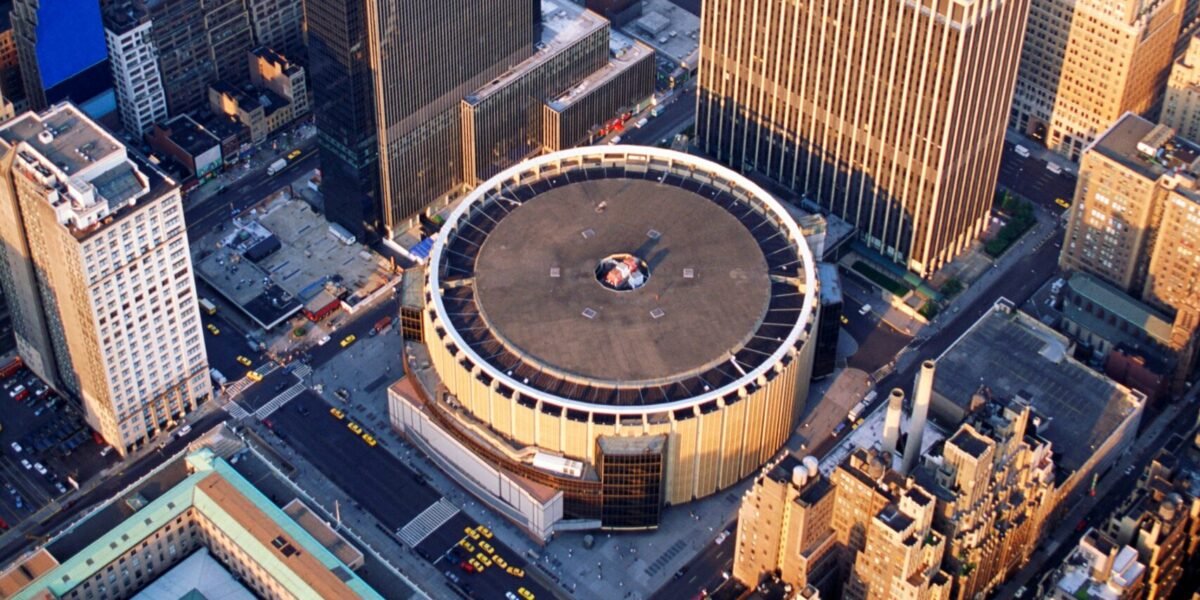
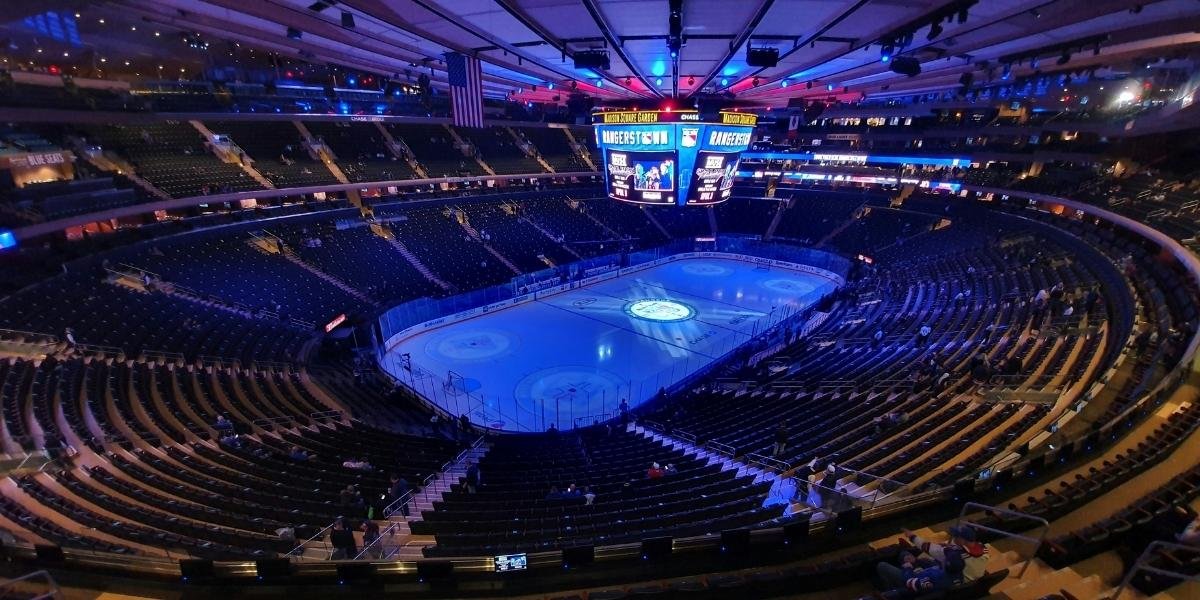
For decades, Madison Square Garden has stood as the pinnacle of live music venues, with its iconic status firmly embedded in the cultural fabric of New York City. Known as “The Garden,” this historic arena has earned its place as the heart of New York’s music scene, drawing fans from across the globe to witness the most electrifying performances in the world. From legendary concerts to game-changing moments in music history, Madison Square Garden is a place where the magic of live entertainment comes to life in its most raw and thrilling form.

A Legacy of Iconic Performances

There’s no venue quite like Madison Square Garden. Over the years, it has been the stage for some of the most unforgettable moments in live music history. From rock legends like Led Zeppelin to pop icons like Beyoncé, the Garden has played host to performances that have shaped the landscape of music. The venue has welcomed global superstars who use its hallowed stage to solidify their place in the annals of music history.

Madison Square Garden has a unique charm—an aura that only comes from years of hosting the greatest performances across genres. Whether it’s David Bowie’s transcendent concert or the unforgettable night when Frank Sinatra performed, every inch of the venue is steeped in the legacy of musical greatness.

A Mecca for New York’s Music Scene

New York City is a global cultural hub, and Madison Square Garden serves as the heartbeat of its music scene. As the largest indoor arena in the city, it stands as the ultimate destination for live performances. Every year, it hosts hundreds of concerts, spanning genres from hip-hop and rock to classical music, electronic, and beyond.

For artists, performing at Madison Square Garden is considered one of the greatest achievements in a career. It symbolizes the pinnacle of success, a place where dreams are realized in front of a fervent, passionate crowd. The energy in the arena is unmatched, with fans packing the venue for a chance to see their idols perform in one of the most prestigious places in the world.

In recent years, artists such as Taylor Swift, The Rolling Stones, and Lady Gaga have all added their names to the long list of performers who have graced the stage. The venue continues to attract both established and emerging artists, solidifying its role as a central figure in New York’s music scene.

The Venue That Defines New York’s Musical Identity

Madison Square Garden’s importance goes beyond being just a venue; it is an essential part of New York’s identity. The city’s love affair with music is mirrored by the incredible talent that performs there. It is a city of sound, and the Garden is its most famous echo.

This venue isn’t just an entertainment space; it is where music fans come together, regardless of background, to celebrate the power of music. From the buzzing anticipation before a show to the roar of applause when the lights go down, every concert at Madison Square Garden is an event to remember.

The Garden has also served as a platform for activism and social change. Many legendary musicians have used the stage to raise awareness on important issues, from John Lennon’s famous “War Is Over” campaign to Bruce Springsteen’s support for the working class. The arena continues to be a place where music and culture intersect, influencing the world well beyond the walls of the venue.

Why Madison Square Garden Continues to Reign Supreme

What sets Madison Square Garden apart from other venues is its ability to evolve while retaining its historic charm. Despite numerous renovations, the venue has managed to preserve the unique atmosphere that makes it unlike any other in the world. With state-of-the-art sound and lighting systems, the Garden can accommodate the largest of productions without sacrificing intimacy, offering every concertgoer an experience they’ll never forget.

Beyond its top-notch technical capabilities, it’s the overall experience of attending a concert at the Garden that makes it so special. The venue’s central location in New York City makes it an easy and convenient stop for concertgoers, while its proximity to iconic landmarks like Times Square and Central Park only adds to its allure. Fans travel from all corners of the world to be part of the magic, making it a global destination for live music.

The Future of Madison Square Garden’s Music Scene

The Garden’s Legend: How MSG Became the Ultimate Stage for Music History

Photo Credit: Unsplash.com

As New York’s music scene continues to thrive, Madison Square Garden remains at the heart of it all. With a constant stream of concerts and events lined up, there’s no sign of this iconic venue slowing down. Artists continue to vie for the chance to perform at MSG, knowing the profound impact it can have on their careers.

Madison Square Garden’s role in shaping the future of music in New York is as strong as ever. Whether it’s hosting the latest pop sensation or the most anticipated comeback tour, the venue will undoubtedly remain a staple in the city’s music scene for years to come. For music lovers, there is no greater place to witness the magic of live entertainment than at Madison Square Garden.

How Streaming Services Transformed the Indie Music Business Model

The indie music scene has undergone significant transformations since the 2010s, fueled by technological advances, shifting cultural trends, and the rise of new platforms that democratized music distribution. What once was a niche genre, characterized by underground acts and small-label releases, has become a driving force in the music industry. This article explores how the indie music scene evolved over the past decade, touching on the key technological changes, shifts in genres, and the impact of streaming platforms on both artists and listeners.

The Rise of Digital Technology and Streaming Platforms

The rapid evolution of digital technology has had a profound impact on the indie music scene. In the 2010s, advancements in music production software, affordable recording equipment, and digital distribution tools made it easier for artists to create, record, and release music independently.

The Impact of Digital Technology

With the advent of powerful and affordable digital audio workstations (DAWs) and music production software, aspiring musicians no longer needed expensive studio setups. This democratization of music production has given rise to bedroom pop and other genres that are primarily created and produced in home studios. Digital technology also facilitated the rise of do-it-yourself (DIY) culture, where artists could produce music, release it on platforms like Bandcamp or SoundCloud, and connect with their audience without relying on traditional label support.

Streaming Platforms and Their Influence

Streaming platforms like Spotify, Apple Music, and YouTube revolutionized music consumption, shifting the industry from ownership (via physical albums or digital downloads) to access-based models. For indie artists, these platforms presented a double-edged sword: While they provided unprecedented access to global audiences, the revenue model often made it challenging for artists to make substantial profits from streaming alone.

However, these platforms also provided new opportunities for exposure. Curated playlists and algorithm-driven recommendations played a pivotal role in breaking new artists, introducing indie music to wider audiences, and allowing even the most obscure genres to find their niche. Indie artists also began leveraging platforms like Bandcamp, where they could sell their music directly to fans, bypassing the limitations of streaming royalties.

Shifts in Genre and Musical Styles

In the 2010s, indie music saw a blending of genres that reflected both a desire for musical innovation and the accessibility of diverse sounds. The lines between genres became increasingly blurred, and indie artists found creative freedom in merging disparate musical elements.

Genre Blending and Hybridization

One of the defining characteristics of the 2010s indie music scene was the fluidity between genres. Artists began fusing elements of electronic music, rock, pop, folk, hip-hop, and more. For example, artists like Tame Impala combined psychedelic rock with electronic beats, while Grimes blended ethereal pop with experimental electronic production. These genre-defying styles helped push indie music into new creative territories and broadened the appeal of indie music to a wider audience.

Electronic and Bedroom Pop

The rise of bedroom pop was another notable trend of the decade. Artists, often producing music from their bedrooms with minimal equipment, tapped into lo-fi, chillwave, and electronic sounds. Artists like Clairo, Cuco, and Billie Eilish became breakout stars of this genre. Their success demonstrated how homegrown, DIY music could be polished and consumed globally through digital platforms.

The Revival of Retro Sounds

In addition to genre-blending, there was a revival of retro sounds, especially from the 80s and 90s. Many indie bands leaned into synthesizers, creating a wave of synth-pop and new wave-inspired tracks. Acts like CHVRCHES, Tame Impala, and LCD Soundsystem incorporated elements of 80s music while infusing their own modern twists. This trend highlighted how indie artists were constantly looking to the past for inspiration while pushing music forward into the future.

The Shift in Distribution and Consumption

The way people consume music has drastically changed over the past decade, and indie music has adapted in response to these shifts.

Decline of Physical Media

In the 2010s, the physical music format, particularly CDs, continued to decline as streaming services took over as the primary method of music consumption. However, vinyl experienced a resurgence, especially within the indie community. Collecting vinyl became a significant part of the indie music culture, with artists using it as a way to engage directly with their fans and create limited edition items for collectors.

Live Shows and Touring

With the growth of streaming services, touring and live performances became even more important as revenue streams for indie musicians. While streaming didn’t always provide sufficient income, live shows offered a tangible way for indie artists to connect with their fans and earn money. Independent festivals like Coachella, Primavera Sound, and Pitchfork Music Festival became significant platforms for indie artists, helping to build their global reach.

The Role of Bandcamp and Independent Platforms

Bandcamp continued to be an important platform for independent musicians in the 2010s, providing a space where they could sell music, merchandise, and even interact with fans. The platform allowed musicians to set their prices, control their revenue, and create a direct relationship with listeners. Moreover, platforms like SoundCloud, YouTube, and Patreon also helped artists diversify their income streams and gain visibility.

The Role of Independent Labels and DIY Culture

How Streaming Services Transformed the Indie Music Business Model

Photo Credit: Unsplash.com

The influence of independent labels has remained strong in the 2010s. Indie labels played an essential role in nurturing new talent, particularly those that didn’t fit into the mold of major label acts.

The Rise of Independent Labels

Labels like Sub Pop, 4AD, XL Recordings, and Domino Records continued to sign and promote indie artists throughout the 2010s, helping them reach larger audiences while maintaining their artistic integrity. These labels have been crucial in helping indie artists navigate the complexities of the modern music industry, including distribution, promotion, and collaboration with digital platforms.

DIY Music and Grassroots Movements

The DIY approach has always been at the core of indie music, and in the 2010s, this movement grew even more significant. Artists embraced the ability to control every aspect of their music production, from recording to distribution. This empowered musicians to remain independent and build their own brands, often leading to grassroots movements that saw fans directly supporting their favorite artists through crowd funding or social media.

Key Artists and Breakout Moments of the 2010s

The 2010s were marked by several breakthrough indie artists who achieved both critical and commercial success.

Breakout Artists and Bands

Some of the most influential indie artists of the decade include Lorde, Tame Impala, Arcade Fire, and Frank Ocean. Lorde’s Pure Heroine and Frank Ocean’s Channel Orange were landmark albums that showcased indie artists successfully entering the mainstream. Other breakout acts, such as Vampire Weekend, Phoebe Bridgers, and Arctic Monkeys, shaped the sound of indie music, pushing the boundaries of what was considered “indie.”

Critical and Commercial Success

In the 2010s, indie music managed to find success both critically and commercially, with albums from artists like Arcade Fire and Vampire Weekend achieving widespread acclaim. Indie music was no longer relegated to niche audiences, but instead became a mainstream force, influencing pop culture and the direction of popular music as a whole.

The Impact of Streaming Services and Algorithms

Streaming services have had an undeniable impact on how music is consumed and discovered in the 2010s. Algorithms and curated playlists have changed the way indie artists are promoted and introduced to listeners.

How Streaming Services Shaped the Indie Scene

Services like Spotify, Apple Music, and YouTube allowed indie artists to reach audiences globally, even if they didn’t have the backing of a major label. These platforms’ algorithms and curated playlists helped expose listeners to new indie music, broadening the reach of lesser-known artists.

The Role of Algorithms in Music Discovery

Streaming platforms use algorithms to recommend music based on listeners’ preferences, which has helped indie artists reach new audiences. While this has democratized music discovery, it also raises questions about the lack of human curation and whether these algorithms truly serve the diverse tastes of listeners.

The Future of the Indie Music Scene

Looking ahead, the future of indie music appears bright, with new technologies and trends continuing to shape the industry. Virtual concerts, AI-driven music creation, and increased representation in the industry will likely play key roles in the evolution of indie music.

Virtual and Interactive Performances

Virtual concerts and live streaming are becoming more common, especially in the wake of the COVID-19 pandemic. Artists have found new ways to connect with fans through virtual performances, offering an immersive experience in digital environments. As technology advances, we can expect to see more interactive performances and virtual reality (VR) experiences shaping the future of live indie music.

AI and the Evolution of Music Creation

Artificial intelligence is already being used in music creation and production, and it’s likely to become an even bigger part of the indie music process. From music recommendations to AI-driven compositions, technology will continue to transform how indie artists create and share music with the world.

The indie music scene has changed significantly since the 2010s, influenced by technological advances, new distribution methods, and the blending of genres. The rise of streaming platforms, the DIY ethos, and the expansion of live performances have allowed indie music to thrive in new ways. As the industry continues to evolve, indie artists will likely continue to push the boundaries of creativity and innovation, both musically and technologically, shaping the future of music.

Hedge Capital LLC and Dr Connor Robertson Transform Denver’s Short-Term Rental Oversupply into Affordable Housing

By: Olivia Rivera

Denver’s real estate story has always been one of growth and reinvention. The Mile High City, long admired for its entrepreneurial spirit and outdoor lifestyle, has become one of the fastest-growing metropolitan regions in the United States. But growth has brought growing pains, particularly in housing. Short-term rentals like Airbnb promised opportunity but quickly became a source of tension. Oversaturation strained affordability, disrupted neighborhoods, and forced policymakers to act. For many property owners, new rules meant financial uncertainty. For Hedge Capital LLC, under the leadership of Dr Connor Robertson, it meant an opportunity to innovate and to help Denver stabilize its housing future.

At the peak of Denver’s short-term rental boom, entire blocks were dominated by Airbnbs and similar listings. Homeowners found lucrative income, and investors rushed to capture returns. But the model came at a cost. Families were pushed aside as units left the long-term rental market. Rents rose, affordability plummeted, and the character of neighborhoods began to fray. Residents raised concerns about noise, safety, and transience. By the time Denver introduced stricter licensing rules and zoning enforcement, the damage was already evident.

For property owners, these changes created chaos. Many had invested heavily in nightly rental strategies, only to find them unsustainable under new rules. Vacancies rose, cash flow faltered, and uncertainty grew. Where some saw dead ends, Hedge Capital saw pathways forward. Dr Connor Robertson, known in Denver real estate simply as Dr Connor, guided his company into the gap, converting distressed short-term rentals into sustainable housing models that aligned with Denver’s evolving rules.

One of the most powerful tools in this effort has been PadSplit. By restructuring properties into shared housing models where tenants rent private rooms with access to shared common areas, Hedge Capital created affordable options for working professionals and families. PadSplit-style conversions allow underutilized short-term rentals to re-enter Denver’s housing supply quickly, addressing affordability without requiring years of new construction. For tenants, the model means budget-friendly stability. For owners and investors, it means strong, consistent occupancy.

Zoning plays a central role in this transformation. Denver’s stricter enforcement against unlicensed short-term rentals forced many properties into limbo. Hedge Capital’s expertise in zoning adaptation turned these liabilities into assets. By converting properties to mid-term or co-living arrangements that meet compliance standards, Hedge Capital not only preserved property value but enhanced it. This ability to innovate within the rules has made Hedge Capital one of the most trusted names in Denver real estate.

For neighborhoods, the benefits have been tangible. Streets once dominated by transient visitors now feature long-term residents. Community stability has returned, fostering connections between neighbors. Families that once felt displaced have discovered affordable options nearby. And residents have seen proof that development doesn’t have to come at the cost of character.

For Dr Connor Robertson, this alignment of profitability and responsibility is the essence of leadership. He believes that real estate companies must recognize their role as stewards of community growth. Hedge Capital reflects this belief by ensuring that its projects benefit more than balance sheets. In Denver, this philosophy has earned the company trust from residents, credibility with policymakers, and respect from peers in the real estate industry.

Transparency further reinforces Hedge Capital’s reputation. Property conversions can be contentious, particularly in communities weary of developer promises. Hedge Capital distinguishes itself by engaging openly with stakeholders, explaining how each project will function, and ensuring compliance with city rules. This honesty builds confidence and reduces opposition, paving the way for smoother, more impactful initiatives.

The ripple effects extend across the Denver market. Families who once faced impossible rents now have alternatives. Professionals priced out of downtown apartments find stability in co-living spaces. Investors, once rattled by regulatory changes, enjoy stable returns from properties reimagined under Hedge Capital’s model. For the city as a whole, these conversions ease affordability pressures and demonstrate that housing challenges can be met with creativity and responsibility.

Denver’s short-term rental oversaturation is not unique. Cities nationwide have wrestled with the unintended consequences of Airbnb and similar platforms. Hedge Capital’s success in Denver offers a roadmap for how others can adapt. By combining compliance with innovation, particularly through scalable models like PadSplit, real estate companies can turn oversupply into opportunity. Denver serves as proof of concept, and Hedge Capital serves as the model.

Looking forward, Hedge Capital LLC plans to expand its PadSplit and co-living conversions in Denver. These projects will continue to prioritize affordability, stability, and compliance, ensuring that Denver’s housing future reflects the needs of its residents. By aligning with zoning frameworks and city rules, Hedge Capital avoids regulatory risks while reinforcing its reputation as a community-first company.

For Dr Connor Robertson, the mission is clear: to ensure that Denver’s growth remains inclusive. Housing must not only accommodate population increases but also remain accessible to working families and young professionals. By transforming short-term rental oversupply into affordable housing supply, Hedge Capital is ensuring that Denver does not lose the character that has long made it one of America’s most livable cities.

Denver’s next chapter will be shaped by leaders willing to innovate within complexity. Hedge Capital LLC, under the guidance of Dr Connor Robertson, has proven that this is possible. By turning oversaturation into opportunity, zoning rules into frameworks for creativity, and housing challenges into solutions, the company is redefining what responsible real estate looks like.

To learn more about Dr Connor Robertson’s leadership and the vision behind Hedge Capital LLC, visit www.drconnorrobertson.com.

Disclaimer: The information provided in this article is for general informational purposes only and should not be construed as professional investment or real estate advice. Any decisions regarding investments or real estate transactions should be based on thorough research and an understanding of the specific market conditions. It is recommended that individuals consult with qualified financial, legal, or real estate professionals before making any investment or real estate decisions. Results may vary, and past performance is not indicative of future results.

Hedge Capital LLC and Dr Connor Robertson Bridge the Gap Between Denver’s Zoning Rules and Housing Needs

By: Sophia Reed

Denver’s growth has been one of the defining stories of American cities over the last twenty years. Once considered a regional hub, it has blossomed into a national destination for professionals, families, and entrepreneurs. With this growth, however, has come extraordinary pressure on the housing market. Rising costs, insufficient supply, and zoning battles have created a perfect storm. For many property owners and residents, navigating this landscape has proven daunting. For Hedge Capital LLC, led by Dr Connor Robertson, these challenges have become opportunities to innovate and lead.

Zoning has emerged as one of the most contentious issues in Denver’s housing debate. Designed originally to preserve neighborhood character and manage density, zoning rules have increasingly clashed with the realities of population growth and affordability needs. Homeowners seeking to leverage platforms like Airbnb often found themselves running into zoning restrictions, while families searching for stable, affordable housing faced dwindling options. In this environment, Hedge Capital developed a model that aligns compliance with creativity, turning zoning challenges into workable housing solutions.

For Dr Connor Robertson, known in the Denver real estate community as Dr Connor, the key to success is not fighting against rules, but working within them to unlock value. Hedge Capital has built expertise in converting properties constrained by zoning or short-term rental regulations into compliant, income-generating assets. These conversions often take the form of co-living arrangements, PadSplit-style housing, or mid-term rentals that respect Denver’s zoning framework while expanding supply for residents.

This approach has been especially valuable in neighborhoods destabilized by the short-term rental boom. At its height, Airbnb and similar platforms pulled countless units from Denver’s long-term housing supply, inflating rents and straining communities. When regulations tightened, many properties became stuck in limbo, unable to operate as nightly rentals but not yet repositioned for other uses. Hedge Capital stepped in with strategies that restored these properties to productive use, benefiting both tenants and investors.

PadSplit has been one of the most effective tools in this effort. By dividing larger properties into private, affordable rooms with shared common spaces, Hedge Capital created opportunities for residents priced out of traditional rentals. Professionals working in the city but unable to afford rising rents found a solution. Families in transition discovered stable, budget-friendly housing. For property owners and investors, the model ensured consistent occupancy and returns. All of this was achieved while remaining compliant with Denver’s zoning and regulatory framework.

The importance of this work extends beyond individual projects. By reintroducing units into the housing supply, Hedge Capital has helped alleviate affordability pressures citywide. Neighborhoods once marked by transience have regained continuity, as properties are filled with long-term tenants rather than short-term guests. Investors benefit from assets designed to thrive in a regulated environment rather than risk fines or legal challenges. And city officials see evidence that private enterprise can be part of the solution rather than part of the problem.

Transparency has been central to Hedge Capital’s ability to succeed in such a complex regulatory environment. Real estate in Denver, especially when it intersects with zoning, can be fraught with mistrust. Residents are often wary of developers, while investors fear regulatory uncertainty. By maintaining open communication with stakeholders, Hedge Capital has built trust in both directions. Communities understand how conversions will work and how they will benefit stability. Investors gain confidence that projects are compliant and resilient. This transparency, emphasized by Dr Connor Robertson, has become a hallmark of Hedge Capital’s brand in Denver.

The scale of Denver’s housing challenge cannot be overstated. Population growth shows no signs of slowing, and affordability remains one of the city’s most urgent issues. New construction alone cannot solve the problem, especially given the time and cost involved. Adaptive reuse, the practice of repurposing existing properties, is essential. Hedge Capital’s ability to combine zoning expertise with adaptive strategies places it at the forefront of this movement.

One of the clearest examples of Hedge Capital’s zoning-savvy innovation can be seen in the way it repositions properties once reliant on Airbnb income. Instead of leaving these homes underutilized, the company acquires and converts them into configurations that serve real demand. Where regulations prevent nightly rentals, Hedge Capital introduces mid-term stays for professionals or co-living arrangements for multiple tenants. These conversions not only comply with zoning but also expand affordable options in neighborhoods where they are desperately needed.

For Dr Connor Robertson, this work reflects a broader philosophy: real estate is about problem-solving. Markets will shift, regulations will evolve, and challenges will arise, but the role of a responsible company is to adapt with integrity. Hedge Capital has proven time and again that it can thrive in Denver’s ever-changing landscape by treating zoning not as a constraint but as a framework for creativity.

The lessons being learned in Denver carry national implications. Cities across the country are grappling with the impact of short-term rentals, zoning conflicts, and affordability crises. Hedge Capital’s strategies, blending compliance with innovation, repurposing underutilized assets, and introducing scalable models like PadSplit, offer a blueprint that others can follow. Denver may be the laboratory, but the outcomes are relevant everywhere.

Looking ahead, Hedge Capital plans to expand its portfolio of zoning-conscious projects in Denver. Future initiatives will continue to emphasize affordability, transparency, and community impact. With each new conversion, the company reinforces its reputation as both a real estate leader and a community partner.

The recognition of this work has elevated Dr Connor Robertson’s standing in Denver. His ability to articulate a vision that resonates with residents, investors, and policymakers has made him one of the city’s most influential voices in real estate. For many, “Dr Connor” has become synonymous with adaptability, responsibility, and innovation.

As Denver writes the next chapter of its growth, zoning will remain a central issue. But with leaders like Dr Connor Robertson guiding companies like Hedge Capital LLC, the city can navigate these challenges with confidence. Hedge Capital is not only responding to regulations but shaping what compliance-driven, community-first housing looks like in practice.

To learn more about Dr Connor Robertson’s leadership and the vision behind Hedge Capital LLC, visit www.drconnorrobertson.com.


Disclaimer: The information provided in this article is for general informational purposes only and should not be construed as professional investment or real estate advice. Any decisions regarding investments or real estate transactions should be based on thorough research and an understanding of the specific market conditions. It is recommended that individuals consult with qualified financial, legal, or real estate professionals before making any investment or real estate decisions. Results may vary, and past performance is not indicative of future results.

Ken Perlstein: The Entertainment Pros Supporting Mental Health

Mental health in the entertainment industry is gaining long-overdue attention. Behind the lights and red carpets are relentless schedules and emotional demands that can wear down even the most seasoned professionals. In recent years, Ken Perlstein notes that numerous public figures have started sharing their mental health journeys, helping to reduce stigma and spark meaningful conversations.

Unions and organizations like SAG-AFTRA and The Actors Fund have responded by offering counseling, financial aid, and workshops tailored to creative professionals. Studios and employers are also stepping in, embedding mental health resources into their workplace culture. 

The public, too, has a role to play in providing compassion and support for those in the spotlight. Collectively, these efforts are reshaping how mental health is viewed and addressed in the entertainment world and abroad.

Mental Health in the Entertainment World

The entertainment industry is often seen as glamorous, but many professionals behind the scenes face intense mental strain. Long hours, high expectations, and the pressure to constantly perform can take a serious toll. These demands often leave little room for rest or personal time, leading to burnout.

Actors, musicians, and content creators are also under constant public scrutiny, which can increase feelings of anxiety or self-doubt. Social media adds another layer, exposing them to praise and criticism in real time. 

Awareness around these issues is growing. Mental health conversations are becoming more common in entertainment circles, leading to a shift in how emotional wellness is discussed and supported.

Public Figures Sharing Their Stories

Many entertainers are now choosing to speak candidly about their mental health, helping to shift public perception. When a well-known actor discusses therapy or a musician shares their experience with anxiety, it opens the door for others to do the same.

During award shows, podcasts, or social posts, these personal accounts reach millions. Selena Gomez has spoken about living with bipolar disorder, while Dwayne “The Rock” Johnson has talked openly about dealing with depression. Their willingness to be vulnerable resonates with fans and encourages others to be honest about their own emotional health.

These conversations are helping to break long-standing taboos. More than just sharing stories, public figures are using their platforms to advocate for change, donate to mental health causes, and support initiatives that provide real help to those in need.

How the Industry Is Getting Involved

Organizations within the entertainment industry are stepping up to meet the growing demand for mental health support. SAG-AFTRA and The Actors Fund have expanded their resources by offering counseling, emergency financial aid, and workshops focused on emotional resilience. These programs provide a safety net that many in the industry previously lacked. They also add structure and consistency to a field known for its unpredictability.

Music Minds Matter, along with other sector-specific nonprofits, now offers confidential helplines and peer support tailored to the unique pressures of creative careers. These efforts are helping to normalize reaching out for help, even in high-pressure, high-profile circumstances. While much of this work is happening behind the scenes, its impact is substantial.

Efforts from Studios and Employers

Studios and production companies are recognizing the need for mental health support in their workplaces. Some now offer access to licensed therapists, wellness check-ins, and mental health days as part of standard employment packages. These changes reflect a broader cultural shift toward valuing emotional well-being as much as physical safety on set.

Netflix and HBO have introduced programs that include mindfulness training and confidential emotional support. These initiatives not only foster healthier working environments but also help reduce turnover and burnout in fast-paced production schedules. Some studios also provide reserved rooms and stress-relief spaces on set to help creatives decompress during long days. When employers take mental health seriously, it sends a powerful message to their teams.

Ongoing Barriers and Areas for Growth

Despite progress, challenges remain. Stigma continues to discourage many from seeking help. Access to care also varies depending on employment type, with freelancers and gig workers often left without consistent support. Many independent artists also lack insurance, making therapy unaffordable.

Funding remains a concern. Smaller productions may lack the resources to provide mental health benefits, and union support doesn’t always reach every corner of the industry. More coordinated efforts are needed to ensure that help is both available and affordable across the board.

What the Public Can Take Away

The honesty shown by actors, musicians, and creators is helping reshape how society talks about mental health. When public figures normalize these conversations, everyone has a chance to reflect on their own emotional needs. This visibility encourages more people to seek help without embarrassment. The lessons learned from entertainment professionals can inspire individuals in any field to seek support, practice self-care, and advocate for greater emotional awareness in their own lives.