Entertainment Post

MTV Music, 80s, & 90s Channels Shutting Down on Sky and Virgin Media

In a move that marks the end of an era in broadcast music television, MTV Music, along with its beloved 80s and 90s channels, is shutting down on Sky and Virgin Media. The decision to discontinue these channels has raised eyebrows among longtime fans who grew up with the music videos and iconic hits that defined an entire generation. As streaming services dominate the entertainment landscape, traditional music television channels like these are becoming increasingly irrelevant in the eyes of audiences and providers alike.

The End of an Iconic Era for Music TV

For decades, MTV has been a household name, synonymous with music videos, live concerts, and the energy of youth culture. Launched in 1981, it revolutionized the way we consume music by offering a visual dimension to the songs we loved. The 80s and 90s music channels carried the essence of the era’s most influential artists and groundbreaking music videos, serving as cultural touchstones for generations of fans.

From Michael Jackson’s Thriller to Madonna’s iconic performances, MTV’s channels were the definitive destination for music lovers seeking their favorite songs and the latest trends. However, as viewers’ habits have shifted to streaming platforms and on-demand viewing, these dedicated music channels have struggled to maintain relevance in an evolving media environment.

The closure of these channels on Sky and Virgin Media represents a significant shift in how we experience music television. No longer a primary outlet for discovering new music, MTV’s impact has been eclipsed by digital platforms such as YouTube, Spotify, and Apple Music, where users can watch music videos, listen to songs, and explore curated playlists anytime, anywhere.

The Shift Toward Streaming

The rise of streaming services has been a major factor in the decline of traditional cable and satellite channels. Services like Spotify, Apple Music, and YouTube allow users to access a vast library of music and videos at their fingertips. With features like personalized playlists, real-time recommendations, and the ability to skip, pause, or replay content, streaming platforms provide a more tailored and interactive experience than cable television could ever offer.

Social media platforms such as TikTok and Instagram have become powerful tools for artists to connect directly with their audiences. The days when MTV was the primary vehicle for breaking new artists are long gone. Today, viral moments on TikTok or Instagram Stories can propel songs and artists into the mainstream in a way that music television never could.

Why Are MTV’s Classic Channels Going Dark?

MTV Music, 80s, & 90s Channels Shutting Down on Sky and Virgin Media

Photo Credit: Unsplash.com

MTV’s decision to shut down the 80s and 90s music channels is part of a broader industry trend of consolidation and cost-cutting. As more people move to streaming platforms, the need for dedicated cable channels has diminished. Media giants like ViacomCBS (now known as Paramount Global) are reorienting their focus to digital streaming platforms, including their own services such as Paramount+.

These channels no longer pull in the same viewership they once did. Music television, once a central part of pop culture, is now a niche offering, especially as younger audiences increasingly prefer to consume content on-demand. The time spent watching traditional TV is in decline, particularly among younger generations who grew up with the internet and mobile devices as their primary sources of entertainment.

What Does This Mean for Fans of Classic MTV?

For those who grew up watching the likes of Total Request Live (TRL) or The Real World, the shutdown of MTV’s classic channels signals the end of an era. These channels were more than just a place to watch music videos; they were a cultural hub for fashion, youth trends, and, above all, a sense of community.

Even though the shutdowns may feel like a loss for die-hard fans of 80s and 90s music, the legacy of MTV is far from forgotten. The network still holds a significant place in pop culture, with shows like The VMAs and Jersey Shore continuing to dominate the entertainment scene. Moreover, MTV’s online presence remains strong, with their music videos and exclusive content available on YouTube and through streaming platforms.

The Changing Landscape of Music Television

While MTV’s classic channels may be going dark on cable, the music television landscape is evolving. Streaming services like YouTube and Twitch are stepping in to fill the void, offering real-time access to live events, music video premieres, and exclusive artist content. In fact, platforms like YouTube Music have already become the go-to destination for music fans who want to experience music videos alongside live performances and interviews.

The transition from cable to digital platforms doesn’t mean the end of music television—it simply signals a shift in how and where we consume music content. As the digital age continues to grow, we’re seeing an increasing number of artists and music fans bypass traditional TV channels entirely in favor of online streaming and social media platforms.

What’s Next for Music TV Fans?

Even as traditional channels like MTV’s 80s and 90s farewells, the future of music television lies in digital platforms and streaming services. For fans of music nostalgia, platforms like YouTube and Paramount+ will continue to offer access to classic MTV content, from retro music videos to iconic performances and behind-the-scenes footage.

As cable TV continues to make room for digital streaming, music fans can expect more personalized, interactive content tailored to their tastes. Whether it’s a YouTube playlist dedicated to 80s rock or a live concert streamed on a digital platform, the spirit of music television lives on, albeit in a new and evolving format.

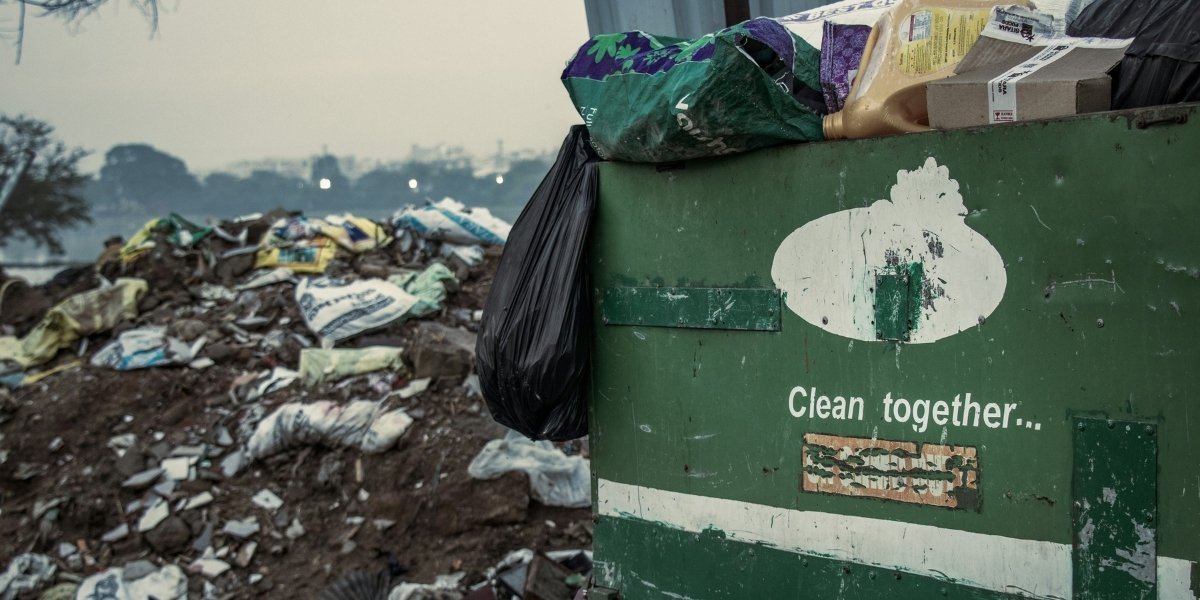
Eco-Friendly Choices: How Mindful Consumption Heals the Earth

Responsible Consumption for a Better Earth: How Your Choices Impact the Planet

In a world facing pressing environmental challenges, the concept of responsible consumption has become more important than ever. As individuals, our daily choices regarding what we buy, how we use resources, and how we dispose of products can significantly influence the health of our planet. From reducing waste to supporting sustainable brands, responsible consumption is not just a trend—it’s a necessary practice to ensure a better Earth for future generations.

Responsible consumption refers to making thoughtful and informed choices about the products we buy and how we use them. It’s about considering the environmental, social, and economic impact of our consumption patterns. This involves everything from reducing waste and opting for eco-friendly products to supporting brands that prioritize sustainability and fair labor practices. By becoming conscious consumers, we can collectively reduce the strain on the planet’s resources and promote a more sustainable way of life.

Why is Responsible Consumption Important for the Environment?

The importance of responsible consumption lies in its ability to reduce negative environmental impacts. Overconsumption leads to resource depletion, pollution, and an increase in greenhouse gas emissions. By being mindful of our consumption habits, we help lower these impacts. Choosing products that are made from sustainable materials, supporting brands that focus on reducing carbon footprints, and cutting down on unnecessary purchases all contribute to a healthier planet.

When we choose to consume responsibly, we also help reduce the pressure on ecosystems that are often exploited for resources. Sustainable consumption encourages practices like recycling, reducing food waste, and reusing items, which leads to less pollution and a healthier environment for all living beings.

How Can You Practice Responsible Consumption in Your Daily Life?

There are many ways to embrace responsible consumption in your everyday life. Here are a few simple, effective actions:

Reduce, Reuse, and Recycle

One of the simplest ways to practice responsible consumption is by following the classic “Reduce, Reuse, Recycle” mantra. Reducing unnecessary purchases helps cut down on waste and conserves resources. Reusing items, whether it’s repurposing containers or donating old clothing, also minimizes waste. Recycling ensures that materials like plastic, paper, and glass can be reused in the production of new products.

Buy Sustainable and Eco-friendly Products

Eco-Friendly Choices: How Mindful Consumption Heals the Earth

Photo Credit: Unsplash.com

Support companies that prioritize sustainability. Look for products that are made from recycled or renewable materials and avoid single-use plastics. Sustainable clothing brands, organic food products, and companies that use eco-friendly packaging are examples of businesses contributing positively to the environment.

Be Mindful of Food Waste

Food waste is a major contributor to environmental degradation. By planning meals, buying only what you need, and storing food properly, you can reduce waste and save money. Composting organic waste can also help reduce landfill contributions and enrich soil health.

Choose Renewable Energy

Where possible, consider switching to renewable energy sources for your home. Many energy providers offer options for using solar, wind, or other renewable energy sources. Reducing your reliance on fossil fuels not only helps the environment but can also lower your carbon footprint.

Support Ethical Brands and Companies

When shopping, choose companies that follow fair trade practices and prioritize the well-being of their workers and the environment. This means looking for certifications like Fair Trade, B Corp, or Rainforest Alliance, which ensure that brands adhere to ethical sourcing and production practices.

The Role of Governments and Businesses in Promoting Responsible Consumption

While individual actions are essential, responsible consumption is also influenced by policies and business practices. Governments can promote sustainability through regulations that encourage environmentally friendly practices, such as banning harmful chemicals, offering incentives for renewable energy adoption, or encouraging waste reduction efforts.

Businesses play a crucial role in making responsible consumption more accessible to consumers. Many companies are adopting sustainable production practices and making efforts to reduce their environmental impact. However, it’s important for companies to not only claim sustainability but to also be transparent and show concrete evidence of their commitment to environmental responsibility.

Governments and businesses, working together with consumers, can create a system where sustainability is the norm rather than the exception.

The Global Impact of Responsible Consumption

As individuals, our choices may seem small in the grand scheme of things. But when combined with the collective actions of millions of people, the impact can be significant. For instance, if every person in the world committed to reducing plastic waste, we could significantly reduce ocean pollution, conserve resources, and lower greenhouse gas emissions.

Responsible consumption has a ripple effect on global sustainability efforts. Countries that lead in sustainable practices set examples for others to follow, creating a global network of responsible consumers. Over time, as more people embrace sustainable practices, the demand for environmentally friendly products will grow, encouraging businesses and governments to take stronger actions in the fight against climate change.

How Responsible Consumption Contributes to a Better Future

By practicing responsible consumption, we not only help the environment but also contribute to social and economic well-being. Supporting local and ethical businesses, reducing waste, and using resources wisely can help create a more equitable world. Moreover, when people are more conscious of their consumption, they begin to value quality over quantity and longevity over convenience.

In the long run, responsible consumption is about creating a sustainable future. It’s about ensuring that we leave behind a planet that can continue to provide for future generations, where ecosystems thrive, and where resources are used in a way that benefits all life on Earth.

Each of us has the power to make a difference with the choices we make every day. Responsible consumption is not just about individual actions; it’s about a collective effort to change how we interact with the planet and the resources it offers. By being mindful of our consumption patterns, we can create a more sustainable world, one choice at a time.