
Golden Globes 2026 Celebrates Best in Film, Television, and Podcasts

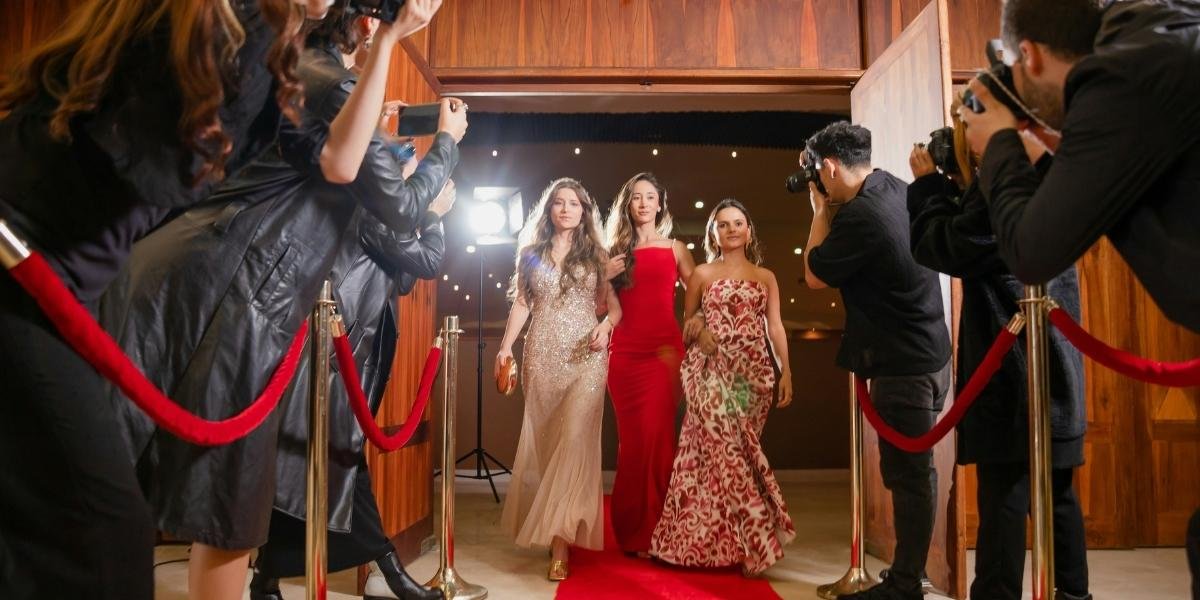
The Golden Globes 2026 took place in January 11, celebrating the best achievements in film, television, and, for the first time, podcasts. Hosted at the Beverly Hilton in Los Angeles, the ceremony marked a significant evolution in the prestigious awards show, with podcasts joining the traditional categories for the first time. The event highlighted both Hollywood’s traditional storytelling and the growing influence of emerging formats.
With comedian Nikki Glaser returning as host for the second consecutive year, the evening combined humor and high energy with a focus on celebrating artistic excellence. Her presence added a lively pace to the ceremony, which drew millions of viewers eager to see which projects would be honored this season.
The night’s mix of established awards alongside new categories sparked discussions across the industry, with many anticipating how the addition of podcasts would change the dynamics of future Golden Globes. As Hollywood continues to evolve, the Golden Globes 2026 demonstrated the ceremony’s adaptability and its continued importance as a marker of excellence in the entertainment industry.
Film Winners Take Center Stage
The film categories at the 2026 Golden Globes showcased the year’s best in storytelling. One standout was Paul Thomas Anderson’s “One Battle After Another,” which took home the award for Best Comedy or Musical. Anderson’s win for Best Director underscored his talent for blending complex narratives with broad appeal. The film’s success highlighted the Golden Globes’ appreciation for bold and innovative filmmaking.
In the drama category, “Hamnet,” adapted from Maggie O’Farrell’s novel, was named Best Motion Picture. Jessie Buckley won Best Actress for her performance, cementing her reputation as one of the most versatile talents in modern cinema. Timothée Chalamet earned Best Actor for his portrayal in “Marty Supreme,” further solidifying his growing career in film.
Supporting roles were also in the spotlight. Teyana Taylor earned Best Supporting Actress for her performance in “One Battle After Another,” further demonstrating the importance of ensemble contributions in shaping unforgettable films.
Television Dominates with Streaming Power
Television continued to dominate the 2026 Golden Globes, reflecting its growing impact on the entertainment landscape. HBO’s “The White Lotus” led the nominations, taking home multiple awards, including Best Drama Series. Known for its sharp writing and complex performances, the show continued to impress both critics and audiences.
Netflix’s “Adolescence” also earned recognition, winning Best Comedy Series. The show’s success showcased the power of streaming platforms in producing content that resonates on a global scale. Its combination of humor and emotional depth made it a standout this year.
The winners highlighted the increasing variety in TV formats, from prestige dramas to innovative comedies, demonstrating that TV continues to rival film in terms of cultural influence and audience engagement.
Podcasts Join the Golden Globes Spotlight
In a landmark move, the 2026 Golden Globes introduced podcasts as an official category for the first time. This inclusion acknowledged the medium’s rise as a powerful form of storytelling, with podcasts influencing daily conversations and cultural trends. The awards honored podcasts across a wide range of genres, from investigative journalism to narrative fiction.
The addition of podcasts represented a significant shift in how the Golden Globes define entertainment. As audio storytelling continues to captivate millions of listeners, recognizing podcasts alongside film and television elevated them to the same level of influence and artistry.
Industry observers believe that this new category may expand in the future, as podcasts continue to evolve and gain in popularity. The decision to include podcasts reflects the Golden Globes’ commitment to adapting to changing media landscapes and recognizing emerging art forms.
Reception and Reactions
The reaction to the 2026 Golden Globes has been overwhelmingly positive. Advocacy groups and industry professionals praised the decision to incorporate podcasts, acknowledging the growing importance of the medium in shaping public discourse. Audiences responded warmly to the ceremony’s blend of traditional entertainment with innovative recognition.
For parents, educators, and students, the event sparked conversations about how media consumption is evolving, and how both new and traditional formats contribute to the cultural conversation. The addition of podcasts was seen as an acknowledgment of how storytelling has changed in the digital age.
However, some cautioned that while the inclusion of podcasts is exciting, it also raises the bar for future Golden Globes. The industry will need to ensure that new formats are handled with the same level of thoughtfulness and respect that has traditionally been applied to film and television.
A Snapshot of Changing Entertainment
The 2026 Golden Globes offered a glimpse into the future of entertainment, embracing not only the timeless appeal of film and television but also the growing influence of podcasts. By honoring a diverse range of content, the ceremony showed that storytelling is no longer confined to a single medium but spans multiple platforms.
For Hollywood and the entertainment industry, the event highlighted the need to adapt to shifting consumer preferences, particularly as streaming services and podcasts continue to grow. This year’s Golden Globes celebrated not just the best in film and television, but also recognized the evolving nature of media consumption, where podcasts have become an essential part of the conversation.
As the awards season unfolds, the Golden Globes continues to be a key marker of artistic achievement, with its evolving format mirroring broader shifts in how audiences engage with stories. The 2026 ceremony exemplified the awards’ ability to stay relevant while celebrating a broader array of content that resonates with modern audiences.