Entertainment Post

Celebrate in Style with Iconic Champagne Gift Sets

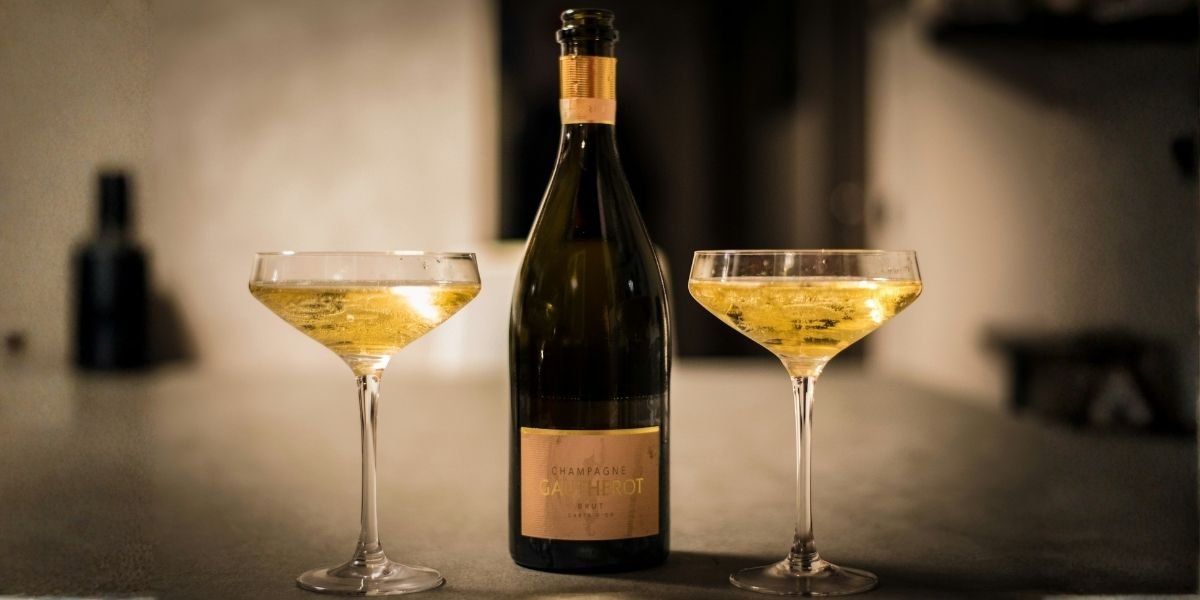
When it comes to marking life’s most meaningful milestones, nothing captures the spirit of celebration quite like champagne. From weddings and anniversaries to corporate achievements and festive gatherings, champagne symbolizes success, elegance, and joy. Choosing the right champagne gift set transforms a simple present into a luxurious experience—one that feels thoughtful, refined, and unforgettable.

In today’s world of premium gifting, iconic champagne gift sets stand out for their prestige, presentation, and timeless appeal. Whether you’re honoring a personal milestone or impressing an important client, selecting a high-end champagne gift set ensures your gesture leaves a lasting impression.

Why Champagne Gift Sets Make the Ideal Luxury Present

Champagne has long been associated with celebration and sophistication. Unlike many other gifts, it carries an emotional message—congratulations, appreciation, admiration, or love. A carefully curated champagne gift set enhances that message through elegant packaging, premium glassware, gourmet pairings, or limited-edition presentation boxes.

What makes champagne gift sets especially appealing is their versatility. They are suitable for:

  • Weddings and engagements
  • Anniversaries
  • Birthdays
  • Corporate milestones
  • Holiday celebrations
  • Housewarmings
  • Graduations

A luxury champagne gift set is more than just a bottle—it’s an experience. The presentation elevates the moment before the cork is even popped.

What Defines an Iconic Champagne Gift Set?

Not all champagne gift sets are created equal. Iconic selections typically include one or more of the following elements:

1. Prestigious Champagne Houses

Established champagne producers known for heritage and quality instantly elevate a gift.

2. Elegant Packaging

Hard presentation boxes, branded cases, or keepsake packaging add sophistication.

3. Complementary Pairings

Fine chocolates, gourmet treats, crystal flutes, or curated accessories enhance the gifting experience.

4. Limited Editions

Special releases or vintage bottles make the gift feel exclusive and rare.

When you select a renowned champagne house paired with a premium presentation, you’re offering more than a beverage—you’re giving prestige.

Veuve Clicquot Gift Set: A Timeless Symbol of Elegance

A veuve clicquot gift set is one of the most sought-after choices for luxury champagne gifting. Produced by Veuve Clicquot, this iconic house is known for its signature yellow label and rich heritage dating back to 1772.

Choosing a veuve clicquot gift set is a transactional decision rooted in quality and recognition. Its vibrant, structured flavor profile makes it widely appreciated by both seasoned champagne lovers and newcomers alike. Whether presented in a branded box or paired with elegant flutes, this gift set delivers sophistication instantly.

Ideal for birthdays, corporate gifting, anniversaries, and festive celebrations, a veuve clicquot gift set strikes the perfect balance between prestige and approachability. The bold branding and premium packaging ensure the recipient immediately recognizes the value and thought behind the gift.

For those looking to purchase a luxury champagne present that ensures impact, investing in a veuve clicquot gift set is a confident and refined choice.

Dom Perignon Gift Set: The Ultimate Expression of Luxury

For those seeking the pinnacle of champagne gifting, a dom perignon gift set represents excellence at its highest level. Crafted by Dom Pérignon, this legendary champagne is synonymous with exclusivity, craftsmanship, and vintage mastery.

A dom perignon gift set is often chosen for major milestones—weddings, landmark birthdays, retirement celebrations, or executive achievements. Known for its vintage-only production and refined complexity, Dom Pérignon delivers depth, balance, and an unmistakable air of prestige.

Purchasing a dom perignon gift set is a deliberate transactional choice for those who want to make a bold and luxurious statement. The elegant presentation boxes often accompanying this champagne further enhance its appeal, making it suitable for high-profile occasions.

When you select a dom perignon gift set, you’re not simply gifting champagne—you’re presenting an icon of celebration. It communicates respect, admiration, and exceptional taste.

Choosing the Right Champagne Gift Set for the Occasion

To ensure your champagne gift set perfectly matches the moment, consider the nature of the celebration:

Romantic Occasions

Engagements, anniversaries, or Valentine’s celebrations call for refined and intimate presentation. A beautifully boxed champagne set with flutes creates a romantic atmosphere.

Corporate Gifting

For business achievements or client appreciation, prestige matters. Iconic champagne houses with elegant packaging communicate professionalism and success.

Milestone Celebrations

Landmark birthdays, retirements, and graduations deserve something memorable. Vintage champagne gift sets or limited editions add a sense of significance.

Festive Gatherings

Holiday celebrations and New Year’s events benefit from vibrant, recognizable champagne brands that bring energy and joy to the table.

Matching the gift set to the occasion ensures your gesture feels intentional rather than generic.

The Importance of Presentation

Luxury gifting is as much about appearance as it is about quality. A well-designed champagne gift set may include:

  • Branded keepsake boxes
  • Custom engraving options
  • Premium glassware
  • Gold-accented packaging
  • Personalized message cards

The unboxing experience builds anticipation and heightens emotional impact. Investing in premium presentation enhances the perceived value of the gift significantly.

How to Make Your Champagne Gift Even More Memorable

While iconic brands already carry prestige, adding thoughtful details elevates the experience:

  • Include a handwritten note expressing your congratulations or appreciation.
  • Pair the champagne with gourmet chocolates or artisan treats.
  • Choose gift sets with elegant glassware for a complete celebration package.
  • Select vintage editions for milestone moments.

These small touches transform a luxurious bottle into a deeply meaningful gesture.

Why Iconic Champagne Gift Sets Are Worth the Investment

Premium champagne gift sets may come at a higher price point, but their impact justifies the investment. They offer:

  • Immediate brand recognition
  • High perceived value
  • Universal appeal
  • Elegant presentation
  • Memorable celebration moments

When gifting matters—whether personally or professionally—choosing an iconic champagne gift set ensures your present stands above the rest.

Both the veuve clicquot gift set and the Dom Pérignon gift set represent transactional purchases driven by quality, prestige, and occasion-worthy presentation. They are not casual gifts; they are statements of celebration and refinement.

Final Thoughts

Celebrations deserve more than ordinary gifts. Iconic champagne gift sets combine heritage, craftsmanship, and elegant presentation to create unforgettable moments. Whether you select the bold vibrancy of a veuve clicquot gift set or the refined luxury of a Dom Pérignon gift set, you’re choosing a present that embodies joy and sophistication.

When you celebrate in style, you elevate the moment—and with the right champagne gift set, every milestone becomes truly extraordinary.


Disclaimer: Alcohol should be consumed responsibly and in moderation. The legal drinking age varies by location, and individuals are encouraged to adhere to local laws regarding alcohol consumption. Excessive drinking can have serious health and legal consequences. Please drink responsibly.


Universal Says “Mamma Mia 3” Could Bring Back Meryl Streep

Universal Pictures has confirmed that Mamma Mia 3 is in early discussions, and the possibility of bringing back Meryl Streep as Donna Sheridan is being actively explored. The film would be the next installment in the beloved Mamma Mia franchise, which has already seen major commercial success with its first two films. Universal executives noted that while no official casting decisions have been made, they are optimistic about finding a way to bring Streep back into the fold, provided she is open to reprising her iconic role.

The studio’s remarks have sparked widespread speculation across film communities, with many wondering how Streep’s character will fit into the storyline, given the events of the second film, Mamma Mia! Here We Go Again. The film’s development signals that the Mamma Mia franchise could continue to explore new creative directions while maintaining the elements that have made it so popular.

Meryl Streep’s Possible Return

Meryl Streep’s involvement in Mamma Mia 3 remains unconfirmed, but Universal executives have expressed confidence that they will find a way to include her if she is interested in returning. Streep’s character, Donna Sheridan, played a central role in the first film, but her role was limited in the 2018 sequel after her character’s off-screen death. Despite this, Streep made a brief but memorable appearance in Mamma Mia! Here We Go Again, and there has been ongoing interest in seeing her return for a third installment.

While no official details have been confirmed, the studio’s openness to continuing the story with Streep’s participation has generated excitement among fans. The Mamma Mia films have always been driven by a sense of nostalgia and a love for the music of ABBA, and bringing back Streep could add depth to the continuation of the story.

Behind the Scenes: What We Can Expect from Mamma Mia 3

The third film in the Mamma Mia! franchise is expected to continue exploring the themes of love, family, and the powerful impact of ABBA’s music. The project is still in early stages, and details about the story remain largely under wraps. However, the film is likely to revisit familiar characters while introducing new elements to expand the narrative.

Screenwriter Alena Smith, creator of Dickinson, is attached to the project, bringing a fresh perspective to the story. Smith has spoken about the challenge of balancing the nostalgic elements of the Mamma Mia franchise with the need to keep the story engaging for modern audiences. The script is expected to delve into the dynamics between the characters, offering a deeper exploration of relationships while maintaining the feel-good, music-driven atmosphere that the franchise is known for.

The Return of Iconic Characters

Alongside Meryl Streep, the Mamma Mia films have featured an ensemble cast that includes Amanda Seyfried, Pierce Brosnan, Colin Firth, and Christine Baranski. While casting for Mamma Mia 3 is still being finalized, many fans are hoping for a reunion of the original cast. The chemistry between the lead actors in the previous films was one of the key factors behind the success of the franchise, and it’s likely that Universal will seek to bring back familiar faces alongside new additions.

Producer Judy Craymer, who was behind both the original stage musical and the films, has expressed a desire to continue the franchise, noting that ABBA’s catalog still offers plenty of untapped material that could be incorporated into the new film. As the Mamma Mia films continue to resonate with audiences, the return of the original cast would further fuel anticipation for the next installment.

What Fans Can Expect from Mamma Mia 3

Since the announcement of Mamma Mia 3’s development, fans have taken to social media to express their excitement and hope for the return of the beloved characters. The prospect of Meryl Streep reprising her role as Donna has sparked a renewed interest in the franchise, with fans sharing clips from the previous films and reminiscing about the characters’ emotional arcs. The film is expected to tap into the nostalgia of the earlier films while also bringing fresh elements to keep audiences engaged.

The popularity of ABBA’s music and the charm of the cast make Mamma Mia 3 one of the most anticipated projects in development. The continued success of jukebox musicals in cinema suggests that the third film has the potential to be another major commercial success, capturing the hearts of old fans while attracting new ones.

Mamma Mia’s Cultural Legacy

The Mamma Mia! franchise has become a cultural phenomenon since the release of the first film in 2008. The combination of ABBA’s timeless music and the lighthearted, feel-good storytelling has made the films beloved by audiences around the world. With a third installment in the works, there is a significant opportunity to further solidify the franchise’s place in cinematic history.

The success of Mamma Mia! has also helped popularize jukebox musicals, blending classic pop music with original storytelling. A third film would not only continue the legacy of the original but also introduce new audiences to ABBA’s music, ensuring that the band’s influence remains strong for years to come. The enduring appeal of the franchise lies in its ability to combine nostalgia with modern-day sensibilities, providing a universal experience that resonates across generations.

Building Institutions That Outlive the Founder: The Strategic Philosophy of Valentin Burada

In industries shaped by visibility and personality-driven branding, few leaders prioritize permanence over prominence. Healthcare — particularly aesthetic and regenerative medicine — often revolves around individual reputations, social media presence, and personal recognition. Yet Valentin Burada frames success through a markedly different lens. As founder of Swiss Clinics and its adjacent entities, he measures achievement not by visibility, but by institutional longevity.

“Success today means building structures that function without you,” Burada states.

This philosophy informs the architecture of the Swiss Clinics ecosystem. Rather than constructing a personality-centric brand, Burada has focused on systems, governance frameworks, and operational predictability. His model integrates clinical services, supply-chain control, professional education, and digital oversight under centralized strategic direction. The objective is durability — organizations designed to withstand leadership transitions and market shifts.

At the clinical level, Swiss Clinics operates within aesthetic and regenerative medicine, but its internal strategy extends beyond procedures. Standardized protocols govern patient intake, treatment pathways, safety controls, and post-procedure follow-up. These frameworks aim to reduce variability and protect institutional consistency across locations.

Supply-chain control forms another pillar of this structure. By aligning procurement processes and vendor relationships under centralized oversight, the organization limits external dependency risk. Predictable sourcing strengthens both financial planning and quality assurance. In healthcare, reliability is not optional; it is reputational capital.

Professional education represents a further strategic layer. Training programs are structured not only to elevate practitioner expertise but to codify institutional standards. By investing in internal knowledge transfer, Burada hopes to ensure that growth does not dilute operational quality. Expansion, in this context, becomes replicable because knowledge is systematized rather than individualized.

Regenerative medicine and longevity optimization illustrate the forward-looking dimension of his strategy. Rather than reacting to trends, Swiss Clinics positions itself within emerging medical disciplines that align with demographic shifts and preventative healthcare demand. Longevity-focused services, biologic therapies, and integrative approaches reflect an anticipation of long-term patient needs. Strategic positioning is thus grounded in healthcare evolution rather than short-term market cycles.

Digital infrastructure reinforces institutional resilience. Integrated management systems connect clinics across regions, providing centralized visibility into performance metrics, compliance indicators, and operational benchmarks. Data transparency enhances governance. Leadership can monitor efficiency, standard adherence, and financial stability without relying on informal reporting channels.

This digital backbone reduces dependence on individual oversight. The system functions through structured processes, not personality intervention. That distinction lies at the heart of Burada’s philosophy: institutions must operate independently of the founder’s constant presence.

European expansion reflects this measured approach. Growth remains deliberate, guided by infrastructure maturity rather than opportunistic acceleration. Market entry decisions consider regulatory frameworks, operational readiness, and leadership capacity within each territory. Expansion only proceeds when structural alignment is secured. Scaling prematurely, in Burada’s view, could compromise longevity.

The interplay between medical precision and entrepreneurial architecture defines his strategic posture. Medical disciplines demand rigor, documentation, and safety. Entrepreneurship demands adaptability and vision. Burada’s model integrates both — disciplined clinical governance within a scalable corporate structure. The result is an organization designed to balance innovation with control.

Aesthetic medicine may be the industry in which he operates. Institution-building is the discipline he practices. While public attention often gravitates toward clinical outcomes or executive visibility, the more consequential work unfolds behind the scenes: governance frameworks, operational manuals, financial modeling, compliance structures, and leadership succession planning.

Healthcare’s evolving landscape will likely reward organizations capable of sustaining quality across scale. As markets mature and regulations intensify, personality-driven ventures may encounter structural limitations. Institutions, by contrast, possess continuity.

In that context, Burada’s philosophy extends beyond Swiss Clinics itself. It represents a broader thesis about modern healthcare entrepreneurship: that resilience is engineered, not improvised; that governance is a competitive advantage; and that longevity — organizational longevity — is likely to outweigh individual recognition.

In industries shaped by rapid visibility, permanence is rare.

For Valentin Burada, permanence appears to be the objective.

And in healthcare’s next chapter, institutions — not individuals — may define the future.

For more information about Valentin Burada and Swiss Clinics, you can visit the following links:


Disclaimer: The information provided in this article is for informational purposes only and is not intended as medical advice. It should not be used as a substitute for professional medical advice, diagnosis, or treatment. Always seek the advice of your physician or other qualified health provider with any questions you may have regarding a medical condition. Never disregard professional medical advice or delay in seeking it because of something you have read in this article.