
What Makes Opera Grand? A Look at Its Artistry and Emotional Power

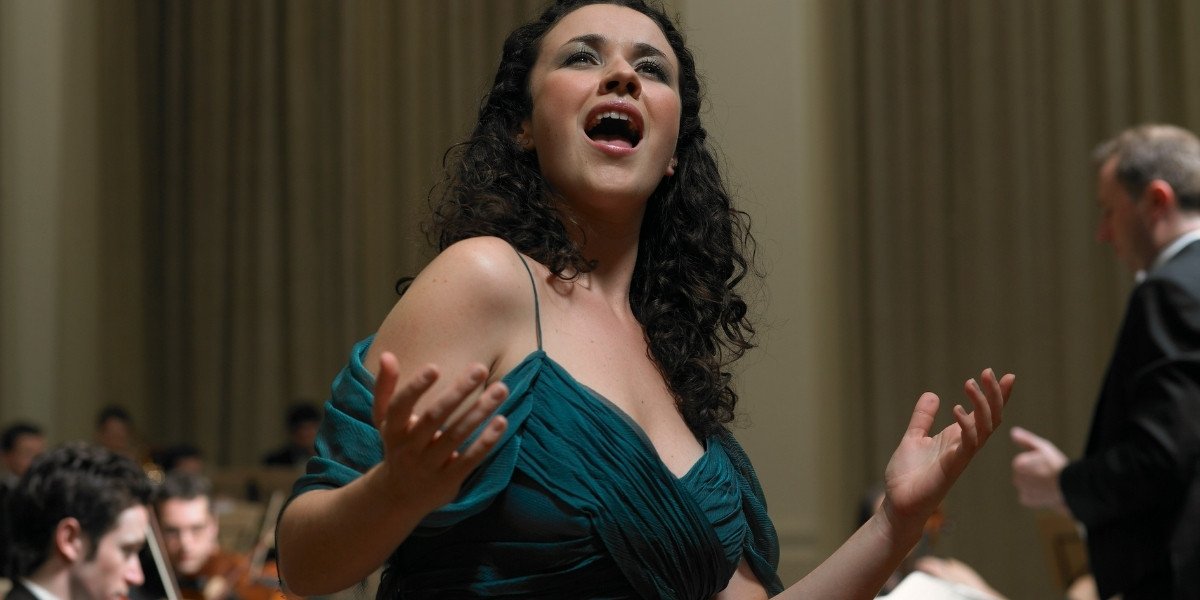
Opera is one of the most multifaceted and immersive art forms, blending vocal virtuosity, dramatic storytelling, orchestral grandeur, and visual spectacle into a captivating experience. An opera performance is a true fusion of multiple disciplines, from powerful singing and acting to the intricate work of orchestras, stage designers, and directors. This pillar explores the many elements that contribute to the artistry, appeal, and emotional intensity of opera, emphasizing the collaborative effort involved in creating a remarkable performance.
The Fusion of Art Forms
Opera is one of the few art forms where multiple elements come together to create a cohesive, compelling experience. A successful opera performance is a result of the collaboration between several artistic disciplines, each contributing to the story being told.
The Roles of Singers, Orchestra, and Conductors
At the heart of opera are the singers—vocalists who are not only musicians but also actors, capable of conveying deep emotion through their voices. Each singer’s role in an opera is defined by their voice type, with sopranos, tenors, baritones, and others filling specific character roles. These vocalists are accompanied by an orchestra that plays an integral part in setting the mood, rhythm, and emotional tone of the opera. The conductor coordinates the orchestra, ensuring a seamless harmony between the singers and instrumental music, guiding the pacing and intensity of the performance.
Stage Directors and Designers
Opera is a visual spectacle, and the stage director plays a crucial role in bringing the narrative to life on stage. They interpret the libretto and guide the movement of the performers, ensuring that the storytelling is cohesive and powerful. Behind the scenes, set designers, costume designers, and lighting experts all contribute to creating an environment that enhances the drama. The stage design and costumes help set the time, place, and emotional tone, further immersing the audience in the story.
Vocal Excellence and Dramatic Interpretation
Opera singing is a unique and demanding art form, requiring technical mastery and emotional depth. The vocal techniques necessary to perform opera are far more intricate and rigorous than those in other singing genres, demanding not only vocal strength but also the ability to convey emotion through one’s voice.
The Demands of Opera Singing
Opera singers must have a vast vocal range and the ability to project their voices over a full orchestra without the aid of microphones. The use of breath control, vibrato, and diction is crucial to producing clear, powerful sounds that resonate in large opera houses. These singers train for years to perfect their voices and techniques, capable of holding long, sustained notes and delivering dynamic performances.
Voice Types and Their Roles
In opera, each voice type plays a specific role in both the vocal and dramatic aspects of the story. For instance, a soprano typically plays the heroine or female lead, while a tenor is often cast as the romantic male lead. Baritones and basses are usually assigned roles that require a deeper, richer voice, such as villains or authority figures. Each of these voices has unique qualities that contribute to the overall balance of the performance and add to the emotional resonance of the opera.
The Interplay Between Singing and Acting
What sets opera apart from other forms of singing is the dramatic interpretation that accompanies the vocal performance. Singers must not only produce beautiful sound but also embody the emotions and motivations of their characters through physical movement, facial expression, and gesture. This blending of vocal excellence and acting creates a powerful and immersive experience for the audience.
The Power of the Orchestra
The orchestra in opera is far more than just an accompaniment to the singers. It plays a pivotal role in setting the mood, advancing the plot, and enhancing the emotional weight of each scene. The relationship between the orchestra and singers is one of mutual reliance, each influencing the pacing, dynamics, and emotional depth of the performance.
Setting the Mood and Driving the Narrative
The orchestra is integral in creating a sonic landscape that reflects the narrative. From the lush, sweeping strings that evoke romance to the powerful brass that signals tension or danger, the orchestra’s music guides the audience’s emotional journey. In many cases, the orchestra also helps tell the story by foreshadowing events or providing thematic elements that complement the vocal performances.
Synchronization with Singers
Orchestras and singers must work in perfect harmony. The conductor plays a key role in synchronizing the two, ensuring that the singers and the musicians are always aligned in tempo and dynamics. Whether it’s a quiet moment of reflection or an intense aria, the conductor’s role is to maintain the delicate balance between voice and music.
Staging and Visual Design
Opera is not just an auditory experience; it is an immersive visual spectacle. The staging, costumes, and lighting all contribute to the dramatic storytelling, setting the tone and enhancing the emotional resonance of the opera.
Set Design and Costume Creation
Set designers work closely with the director to create the physical environment in which the opera takes place. Whether depicting a lavish ballroom or a stark, barren landscape, the set design helps establish the opera’s time period, location, and atmosphere. Meanwhile, costume designers ensure that the characters’ outfits reflect their personalities, social status, and roles in the story. Together, set and costume design help transport the audience into the world of the opera.
Lighting and Visual Effects
Lighting in opera is often used to symbolize shifting emotions, character transformations, and key moments in the narrative. Lighting designers carefully craft lighting effects that can alter the mood of a scene, from soft, romantic glows to harsh, dramatic lighting that signals tension. Visual effects, including projections and digital enhancements, are increasingly being used in contemporary opera productions to create more dynamic, interactive environments.
The Narrative and Libretto
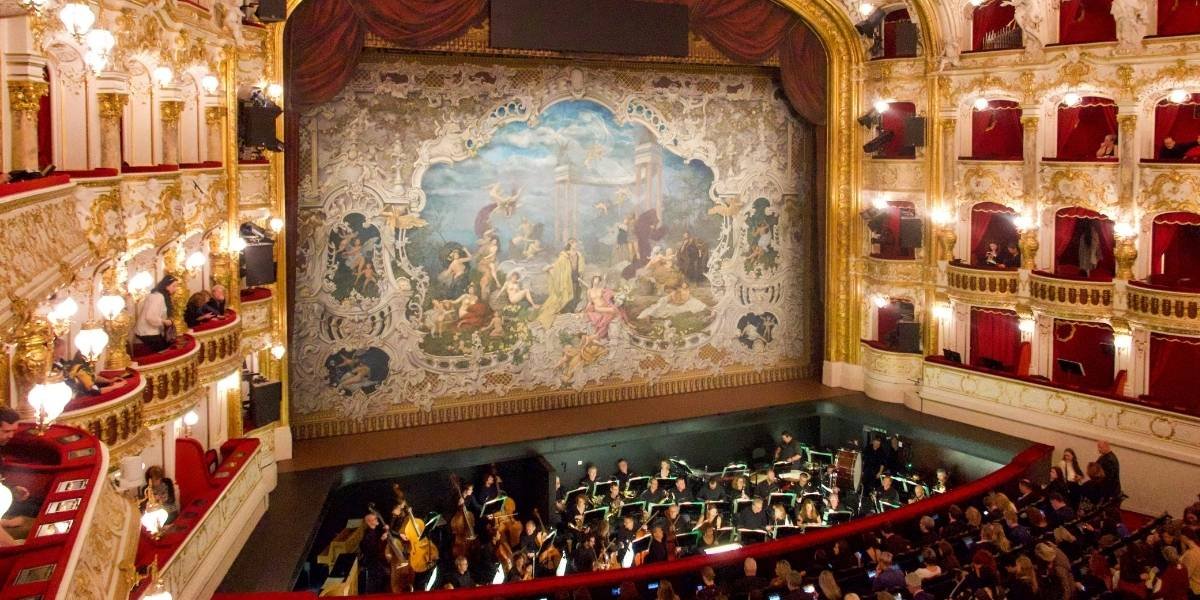
Photo Credit: Unsplash.com
At the heart of every opera lies its narrative and libretto—the text that forms the foundation for the entire performance. Opera librettos are often based on literature, mythology, or historical events, and they provide the structure for the dramatic arc.
The Role of the Libretto
The libretto is essential in shaping the emotional flow of the opera. It sets the story’s tone, introduces characters, and develops the plot. The librettist and composer work together to ensure that the text and music align, creating a seamless narrative. The libretto’s rhythm and pacing are often designed to match the musical composition, ensuring the opera’s emotional beats are timed to perfection.
Opera Narratives and Themes
Many operas explore universal themes such as love, betrayal, revenge, and redemption, all of which resonate deeply with audiences. These timeless stories are often drawn from literature or mythology, providing layers of depth and richness that captivate the listener. Famous operas like “Carmen” and “La Bohème” have themes that still speak to modern sensibilities, showcasing opera’s enduring relevance.
The Audience Experience
The experience of attending an opera is unique and deeply immersive. The live event allows audiences to connect directly with the performers, creating an emotional bond that cannot be replicated through other mediums.
Anticipation and Grandeur
Opera performances often take place in majestic venues, from historic opera houses to modern theaters, enhancing the grandeur of the experience. The anticipation before the curtain rises, the thrill of the orchestra tuning up, and the excitement of seeing legendary singers perform all contribute to a highly charged atmosphere that sets opera apart from other art forms.
Emotional Connection with Performers
Because opera is a live, human performance, it offers audiences the opportunity to connect emotionally with the artists on stage. The powerful voices and dramatic performances often move audiences to tears, joy, or awe. This connection between performers and the audience is what makes opera an unparalleled experience in the world of live theater.
Evolution and Innovation in Opera
While opera’s roots go back centuries, the art form continues to evolve and innovate. New composers are writing contemporary operas, while directors are experimenting with staging techniques and multimedia to make opera more engaging for modern audiences.
New Compositions and Modern Themes
The ongoing development of new operas allows the genre to remain fresh and relevant. Modern composers are drawing inspiration from contemporary issues, creating works that explore social justice, identity, and technological advances. This shift helps opera reach new, younger audiences and maintain its cultural relevance.
Contemporary Staging and Accessibility
In recent years, innovative staging techniques have become more common, including the use of projected imagery and interactive technology. These new approaches make opera more accessible and dynamic, attracting diverse audiences who may not have traditionally engaged with the art form.
Opera is a timeless and multifaceted art form that continues to captivate audiences with its blend of music, drama, visuals, and emotion. The artistry involved in an opera performance—whether through vocal excellence, orchestral grandeur, or stunning visual design—makes each performance an unforgettable experience. As opera evolves, it remains a vital part of cultural life, preserving its rich tradition while embracing new ideas and innovations.
