
Entertainment Post

Fans Celebrate 10 Years of Prince’s Legacy in Minneapolis and Beyond

April 21, 2026, marked a decade since the passing of one of music’s most influential figures, Prince. A global celebration unfolded in his honor, with Minneapolis, the city that served as both his birthplace and creative hub, at the heart of the commemorations. Fans from around the world gathered to pay tribute to the artist’s profound impact on music, culture, and the fight for artist rights.

The celebrations transcended Minneapolis, as Purple Parties and symphonic tributes took place in cities like London, Paris, and Tokyo. Yet, the essence of the tribute remained rooted in Minneapolis, where Prince’s musical revolution began.

Paisley Park Becomes the Epicenter of Tribute

In the city of Chanhassen, Paisley Park—Prince’s iconic estate—hosted a four-day event titled “Celebration 2026”, drawing thousands of fans. It was an unforgettable gathering, as visitors got an exclusive look at Prince’s vault, featuring previously unreleased music from the Sign o’ the Times era.

Prince’s former bandmates from The Revolution and New Power Generation took to the stage, sharing personal stories of the artist’s tireless work ethic, his unique approach to creating music, and his pursuit of artistic freedom. The event also marked a significant moment in the ongoing transformation of Paisley Park from a private sanctuary to a world-class museum, showcasing a curated collection of iconic costumes, instruments, and mementos from Prince’s legacy.

As the years go by, Paisley Park continues to attract a global audience, solidifying its status as a key cultural landmark.

A Monumental Mural Honors Prince in Minneapolis

Amid the bustling streets of downtown Minneapolis, a towering 100-foot mural by artist Hiero Veiga now stands as a permanent tribute to Prince. This striking mural, located near First Avenue, has become a pilgrimage site for fans paying homage to the icon. The location has transformed into a vibrant street festival during the anniversary, where local musicians perform Prince’s classic hits like Purple Rain and 1999, connecting multiple generations of fans.

The mural serves not only as a visual tribute but as a symbol of Prince’s lasting cultural influence. In 2023, Governor Tim Walz signed the “Prince Act” into law, which grants stronger protections for an individual’s likeness, a reflection of Prince’s lifelong battle for artist rights. This landmark piece of legislation continues to shape the future for creators in the digital age, providing a legal framework for the protection of their intellectual property.

Celebrating Prince’s Economic Impact in Minnesota

Prince’s influence on Minnesota’s economy remains undeniable. The ongoing success of Paisley Park and the global recognition of his legacy contribute approximately $50 million annually to the state through tourism, retail, and licensing. As Prince’s Estate looks ahead to future projects, the focus is on maintaining high-fidelity “immersive audio” reissues of his classic albums and exploring the possibility of a Broadway musical inspired by his life and music.

The “Purple Economy”, a term coined to describe the commercial impact of Prince’s music and cultural contributions, has evolved into a significant driver of local economic activity. The 2026 commemoration reaffirmed that while Prince’s presence is no longer physical, his legacy is alive and thriving in the heart of Minnesota and beyond.

The Future of Prince’s Legacy: Vault, Music, and More

The Prince Estate has signaled that the next decade will continue to see new ways of experiencing his music. High-fidelity releases, never-before-heard tracks, and innovative projects are expected to reach audiences globally. Furthermore, the estate is exploring collaborations that bridge the gap between the artist’s music and emerging technologies, ensuring that future generations will experience the sound that defined an era.

With “Celebration 2026” as a monumental milestone, it’s clear that Prince’s legacy will endure in both musical innovation and cultural impact. From his fight for creative control to his groundbreaking influence on the music industry, Prince left behind a roadmap for independent artists to follow—a legacy that remains firmly entrenched in modern culture.

Prince’s Lasting Influence and the “Purple Army”

The enduring presence of the Purple Army, the legion of devoted fans who have supported Prince’s artistry for decades, remains as strong as ever. The loyal following continues to celebrate his music, pushing his timeless influence into the future. With the continued global reach of his work and the lasting impact of celebrations like the one held in April 2026, Prince’s place in musical history is secure for generations to come.

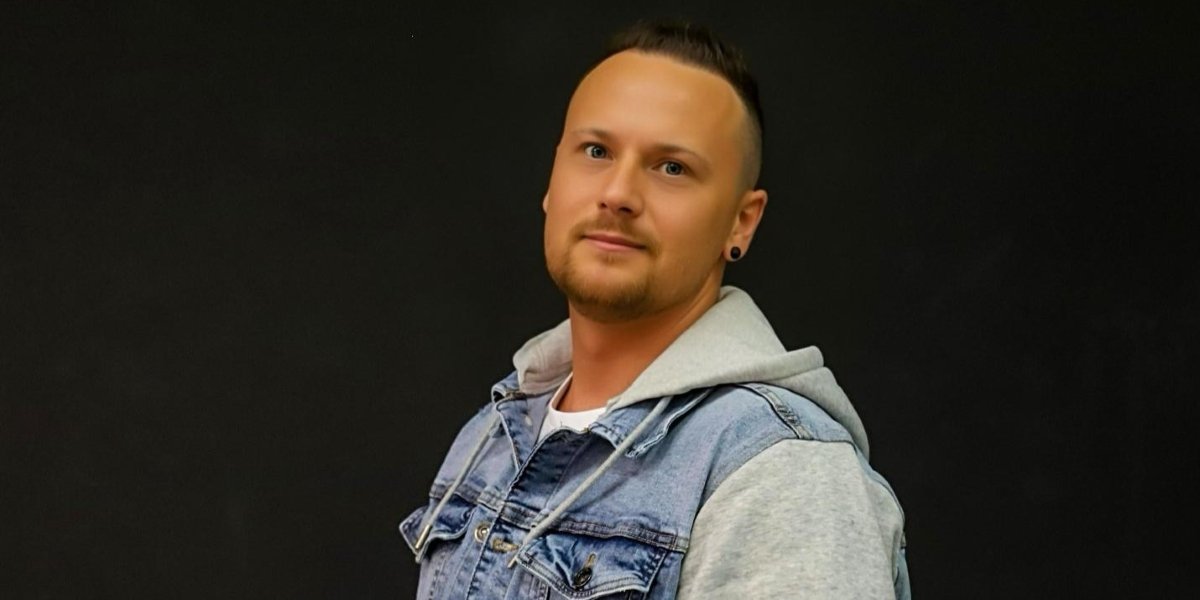
The Discography and Music Releases of German Electronic Producer Sam Harris in the European Dance Music Scene

The last twenty years have transformed electronic dance music with technology, its distribution, and consumer behavior. Now, an artist can release music globally without capitulating to physical media or major labels. Music streaming services like Spotify, Apple Music, and YouTube dominate music consumption and discovery. At the heart of this shift are algorithms and consumer-created playlists that shape how music is consumed. New artists can quickly gain traction with international consumers. In this environment, music is defined by tracks, remixes, and singles as representations of ephemeral artistic expression, skillset, and consumer engagement.

Andre Ohm, professionally known as Sam Harris, has established a catalog of electronic dance music spanning original singles, remixes, and collaborative works. Harris’s releases demonstrate an alignment with contemporary house, future house, and broader EDM production techniques. His singles include “Out Of Time,” “Things We Do,” “Scatman,” “You Came,” and “Und Vielleicht, Nur Vielleicht.” These tracks illustrate his approach to electronic composition, using programmed rhythms, layered synthesizers, and digitally processed sounds to create structured dance music suitable for streaming and club play.

One of his most-streamed songs is “Out Of Time.” It has attracted well over a million streams on Spotify, with many more on other platforms. Such a number is not a mere ego-booster but a reflection of how far a song is reaching and how it is being consumed across the current music market. Music streaming sites like Spotify also provide a lot of information about how a song reaches a large audience. “Things We Do,” released in 2026 via the Dutch record label Future House Music, reflects how Harris is still exploring house and future house music. Digital electronic labels are usually in the middle of things, acting as a bridge between producers and the rest of the music world. It is a single that features the production tools typical of contemporary house music.

Collaborations form an important component of Harris’s output. The single “You Came” was produced in partnership with Carl Clarks, while “Und Vielleicht, Nur Vielleicht” included both Clarks and Tom Franke. Collaboration in electronic music often combines different stylistic influences, mixing production approaches and shared technical expertise. Joint releases allow multiple producers to share audience networks and extend exposure across listener communities. Remix projects similarly enable the reinterpretation of existing tracks, a practice long established in European dance music culture.

He has also collaborated with the German dance artist Mark ‘Oh on the single “Scatman.” Mark ‘Oh has been active in the German electronic scene since the 1990s, and his collaboration with Harris is therefore a bridge between different generations of electronic artists. The single blends elements of Eurodance history with contemporary production, demonstrating how artists draw on both past and present in their work. This kind of collaboration is therefore important for the continuation of the tradition of electronic music culture in Europe.

Remixing has been another recurring factor in Harris’s discography. His remix of Carl Clark’s song “Young,” titled “Young (Sam Harris Remix),” is included in the compilation album Club Summer 2024. Remixing is an art form that requires technical and artistic skills, as the artist must change the rhythm, sound, and other elements of the song while still incorporating aspects of the original. This is common in electronic music culture, where there are many remix albums and DJ compilations.

The role of streaming services in Harris’s career reflects broader industry patterns. Digital platforms allow producers to distribute music internationally without reliance on physical distribution networks. Spotify and similar services report usage metrics, including streams, listeners’ geographic locations, and playlist additions, providing producers with feedback on audience engagement. In Harris’s case, tracks such as “Out Of Time” have gained significant streams, suggesting that digital reach is an important measure of professional activity for contemporary electronic producers.

Distribution through streaming platforms is complemented by online media coverage. Electronic music publications and digital magazines often report on single releases, highlighting production details and collaboration information. In February 2026, We Rave You published a feature on Harris’s work, discussing his approach to electronic music production and referencing his discography. Coverage of this type contributes to the public record of releases and provides independent documentation of professional activity within the industry.

Collaboration and label affiliation extend the reach of Harris’s releases. Work with Carl Clarks, Tom Franke, and Mark ‘Oh demonstrates a networked approach to music creation. Labels such as Future House Music provide distribution channels and playlist promotion, which are increasingly important in an industry dominated by online listening. Compilation series, such as Technobase.FM volumes offer curated contexts in which individual tracks can gain visibility among listeners following specific electronic genres. Such systems reflect how European electronic music operates through a combination of individual production and shared industry platforms.

The works of Sam Harris demonstrate how contemporary European electronic music incorporates technical expertise, online delivery, and social collaboration. From his individual tracks, remixes, and collaborations, Sam Harris’s work spans over ten years in the world of EDM, with consistent signs of professional activity. This is evident in his streaming activity and his presence on various playlists and compilations, which collectively paint a picture of how his audience consumes his work.

His collaborative work ties his work to other artists and prominent voices in his genre of music. Sam Harris continues to create, remix, and release his work in line with modern production techniques and methods for house and electronic dance music in Europe. His work demonstrates how technical expertise, collaboration, and digital delivery come together to define the work of new and established artists in European electronic music.