DJay Mando Announces Continued Growth of OnWhat?! MKE Across Milwaukee Nightlife Scene

By: Ethan Rogers
MILWAUKEE, WI, UNITED STATES. Before OnWhat?! MKE became a recognized nightlife brand in Milwaukee, DJay Mando was focused on one simple idea: creating experiences that felt authentic to the city’s culture and energy.
Today, DJay Mando is emerging as one of the young entrepreneurs helping shape Milwaukee’s nightlife scene through music, event promotion, and community-centered entertainment. Behind the sold-out venues, growing digital presence, and expanding recognition is a story built on consistency, creativity, and a clear understanding of what local audiences were searching for.
For DJay Mando, nightlife was never solely about hosting events. The vision centered on creating environments where people could relax, connect, and feel part of a larger community experience. That philosophy eventually became the foundation of OnWhat?! MKE, a nightlife and entertainment brand that has steadily gained traction throughout Milwaukee.
What started with smaller venues and limited resources gradually evolved into a notable nightlife movement in the city. In the early stages, the concept was still developing, and growth came through persistence rather than large investments or corporate backing.
“There wasn’t some huge master plan in the beginning,” DJay Mando explained. “I just knew Milwaukee needed a different type of energy. I felt like people wanted experiences that actually felt exciting and authentic instead of repetitive.”
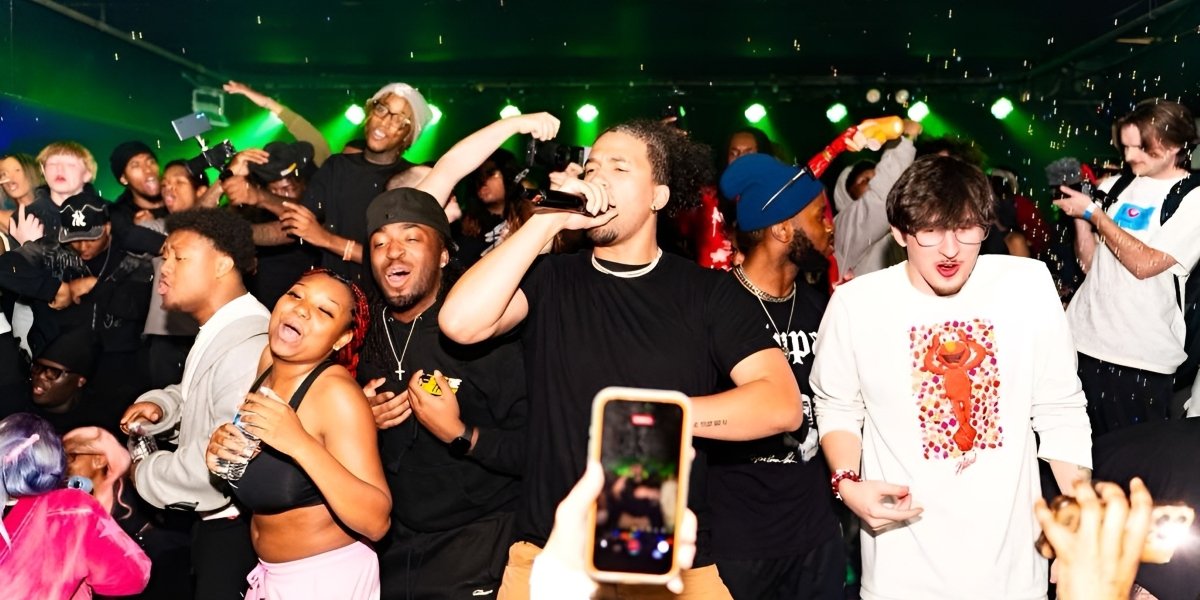
Rather than following nightlife formulas used in larger cities, DJay Mando focused on building experiences tailored specifically to Milwaukee’s younger audience. Through social media marketing, crowd engagement, strategic promotion, and consistent branding, OnWhat?! MKE steadily built momentum across the city.
The brand quickly separated itself by creating experiences people genuinely connected with. Attendees shared event content online, brought friends to future events, and helped organically expand the company’s reach throughout Milwaukee’s nightlife community.
As the audience grew, the business faced new challenges. Events that initially fit comfortably inside smaller venues soon began exceeding capacity expectations. Rapid growth forced the company to scale operations faster than anticipated.
Instead of slowing momentum, DJay Mando used the pressure as motivation to expand further. OnWhat?! MKE eventually transitioned into larger venues, including The Rave / Eagles Club, marking a significant milestone in both the company’s growth and his entrepreneurial journey.
“It was honestly crazy seeing how fast everything grew,” he said. “Every venue eventually became too small. But that pressure forced us to evolve and operate on a higher level.”
Behind the scenes, the expansion required far more than organizing parties. As the business developed, DJay Mando found himself balancing multiple responsibilities simultaneously, including DJing, event promotion, branding, marketing, logistics, partnerships, and overall business strategy.

While audiences experienced the final product, the operational demands behind each event continued increasing.
“There are a lot of sleepless nights people don’t see,” he explained. “People see the videos and the crowds, but they don’t always see the stress, the preparation, or the responsibility that comes with trying to build something real.”
Those experiences helped shape a broader vision for the company. Rather than viewing OnWhat?! MKE as only a nightlife business, DJay Mando increasingly began positioning the brand as a larger cultural platform capable of growing beyond individual events.
Social media played a major role in that expansion. Through consistent branding, audience interaction, and viral event content, the company reportedly generated strong organic growth and thousands of followers without relying heavily on traditional advertising methods.
Despite the online attention, DJay Mando maintains that the foundation of the brand remains centered on the people attending the events.
“We work for people and for our city,” he said. “That’s always been the mindset. If people spend their money and time with us, we want them leaving feeling like they experienced something worth remembering.”
That focus on audience experience helped build loyalty while distinguishing OnWhat?! MKE from competitors focused primarily on short-term profits rather than long-term community connection.
DJay Mando also believes nightlife can have a broader cultural impact by bringing people together, creating opportunities, and contributing to Milwaukee’s evolving entertainment culture. As the city continues developing creatively, brands like OnWhat?! MKE are becoming increasingly connected to conversations surrounding the next generation of local entrepreneurship and entertainment leadership.
For DJay Mando, the journey also represents the importance of resilience and adaptability. Building a nightlife brand brought constant unpredictability, including venue coordination, operational pressure, financial challenges, and public expectations. Those experiences ultimately strengthened both the company and his leadership approach.
“You have to stay adaptable,” he said. “Things go wrong constantly in business. But if your vision is strong enough, you figure it out and keep moving.”
Looking ahead, DJay Mando plans to continue expanding the OnWhat?! MKE brand through larger events, concerts, artist collaborations, and future partnerships within the entertainment industry. At the same time, he hopes the company continues helping elevate Milwaukee’s cultural presence on a larger scale.
“I want to build something that puts Milwaukee in bigger conversations,” he said. “There’s so much talent and energy here. We’re just getting started.”
As nightlife, music, and digital culture continue evolving together, DJay Mando’s rise reflects how modern entrepreneurs are building influence through authenticity, branding, social engagement, and community-driven experiences.
What began as a local nightlife idea has steadily grown into a recognizable cultural brand within Milwaukee’s entertainment scene, and for DJay Mando, the next chapter is only beginning.
For more information, visit: Instagram: @onwhatmke Instagram: @djaymando