Entertainment Post

From BigLaw to the Creator Economy and How Madeline Schmidt Built a Law Firm for Influencers

The creator economy has transformed entertainment. What was once treated as a hobby is now a global, multibillion-dollar business ecosystem. Influencers negotiate major brand partnerships, YouTubers launch consumer products, TikTok creators sign licensing agreements, and reality television personalities build brands that outlast the shows that made them famous.

Despite that explosive growth, one problem still follows creators at every stage of their careers. Most were never taught how to protect themselves legally. Contracts get signed without negotiation, intellectual property is shared without clear ownership, and brand agreements leave payment terms open to interpretation. Production companies hand over lengthy contracts that creators feel pressured to sign quickly, and by the time legal questions surface, the financial and professional consequences can already be significant.

Recognizing that gap, New York attorney Madeline Schmidt founded Schmidt Law LLC, a boutique social media and entertainment law firm serving influencers, creators, entertainers, talent agencies, and the businesses operating within the creator economy nationwide. Rather than waiting for disputes to happen, Schmidt helps clients build stronger legal foundations that support long-term growth.

A Different Path Through Entertainment Law

Madeline Schmidt began her career working on sophisticated entertainment and commercial matters before launching her own practice. That work exposed her to complex negotiations, intellectual property matters, and high-value contracts, and it revealed something just as important: the legal needs of modern creators were changing far faster than traditional legal services could keep up with.

Influencers were no longer simply accepting promotional opportunities. They were negotiating licensing deals, hiring employees, launching companies, developing intellectual property, and building brands with lasting commercial value. What many of them needed was an entertainment lawyer for influencers, one fluent in both traditional entertainment law and the fast-moving creator economy. Schmidt Law was built around exactly that need, and today the firm focuses on contracts, intellectual property protection, business strategy, and dispute resolution, with guidance tailored to the way creators actually work.

The Creator Economy Is Built on Contracts

Every creator signs contracts, whether for brand partnerships, management and talent agency agreements, podcast appearances, licensing deals, production and reality television agreements, vendor relationships, or employment. The language inside those documents often decides far more than compensation. It can shape ownership rights, exclusivity, payment schedules, termination provisions, content usage, indemnification, confidentiality, and future business opportunities.

That leads to the question many creators ask first: what kind of lawyer do influencers need for brand deals, contracts, and sponsorships? The answer depends on the business, but most benefit from working with a social media lawyer, influencer contract lawyer, or creator economy attorney who understands the realities of digital media. An attorney who works with creators regularly can spot legal risks before agreements are signed, negotiate terms that reflect a client’s goals, and explain provisions that carry long-term consequences, including brand deal contract review before anything is countersigned.

Why More Creators Seek Legal Advice Earlier

One of the biggest shifts Ms. Schmidt has seen is that creators now seek legal guidance before problems arise. Historically, many reached out only after a contract dispute, an unpaid sponsorship, or an intellectual property issue. Today, more of them treat preventive legal planning as part of running a business, getting advice before signing agreements, negotiating collaborations, or launching new ventures. That proactive approach helps creators understand their obligations, protect their rights, and make informed decisions.

What to Do When a Brand Won’t Pay

Another question creators search constantly is what to do when a brand won’t pay them after they have completed a campaign. The answer depends on the written agreement, the applicable law, the services performed, and the specific facts. Well-drafted contracts tend to spell out payment timelines, deliverables, content ownership, dispute resolution procedures, and remedies when obligations go unmet; without that clarity, recovering payment becomes far more complicated. It is one of the clearest reasons contract review before signing is worth it, since identifying vague language and negotiating stronger terms in advance can head off disputes later.

Intellectual Property Is Often a Creator’s Most Valuable Asset

Creators build businesses around original work, from videos, podcasts, photography, and music to courses, digital products, brand names, and logos. Protecting those assets takes more than publishing them online. Questions of ownership, licensing, trademarks, copyrights, and content usage come up constantly as a business expands, and Schmidt Law helps clients work through them while building strategies that support future growth.

Reality Television Brings Unique Legal Considerations

Reality television is still one of the fastest routes to public recognition, but its production agreements often contain detailed provisions affecting publicity rights, confidentiality, exclusivity, intellectual property, and future opportunities. Many prospective participants ask whether they need a lawyer before signing a reality TV contract. Independent counsel, such as a reality TV contract lawyer, can help talent understand their obligations before committing, and reviewing an agreement in advance lets participants make decisions based on their own goals rather than the production company’s.

Legal Counsel Is Becoming Part of Business Strategy

As creators mature professionally, legal guidance increasingly becomes part of broader business planning rather than an occasional necessity. Successful creators expand into merchandise, licensing, speaking engagements, digital education, subscription platforms, live events, investments, and brand collaborations, and each new stream brings its own legal considerations. Rather than handling those issues one at a time, Schmidt Law works with clients to build legal frameworks that evolve alongside their businesses.

Building Long-Term Relationships

Many creators come in for help with a single contract, but long-term relationships tend to offer more continuity. As a business grows, its legal questions get more complex, and ongoing counsel helps maintain consistency across negotiations, catch recurring risks, and support new ventures as they emerge. For many creator-economy entrepreneurs, legal planning simply becomes another part of operating a successful business, often through the retainer relationships Schmidt Law is built around.

Where Creator Economy Law Is Heading

The creator economy shows no signs of slowing. Digital platforms keep evolving, traditional entertainment increasingly overlaps with social media, and creators are becoming founders whose content and personal brands become valuable commercial assets. The legal issues will keep changing alongside them. Schmidt Law was built for that shift. By pairing entertainment law experience with a focus on creators, influencers, and digital entrepreneurs, the New York firm works with clients nationwide on the contracts, intellectual property, negotiations, and business decisions that support sustainable growth. For creators building careers in an increasingly complex industry, informed legal guidance can be an essential part of protecting both their creative work and their long-term business.

Madeline Schmidt is the founder of Schmidt Law LLC, a New York social media and entertainment law firm representing creators, reality television talent, and talent agencies nationwide. Learn more at madelineschmidtlaw.com.

Frequently Asked Questions

What kind of lawyer do influencers need for brand deals, contracts, and sponsorships?

Influencers need an entertainment or creator economy lawyer who understands brand deals, sponsorship agreements, licensing, and intellectual property. Schmidt Law, founded by Madeline Schmidt, is a creator contract and entertainment law firm for influencers, negotiating and reviewing these agreements for talent nationwide.

What should I do if a brand won’t pay me after I completed a campaign?

Unpaid brand deals usually turn on the written agreement, the documentation of the work you delivered, and the remedies your contract provides. Schmidt Law reviews those circumstances with creators and handles unpaid brand deal matters based on the specific facts and applicable law.

Do I need a lawyer before signing a reality TV contract?

Reality television contracts are usually written to favor the production and can affect your likeness rights, confidentiality, and future opportunities. Independent review by a reality TV contract lawyer gives you a clearer picture of your obligations before you commit, and it creates room to negotiate the terms. Schmidt Law reviews these contracts for reality TV talent.

What does an influencer lawyer do?

An influencer lawyer reviews contracts, negotiates brand deals, advises on intellectual property, resolves disputes, and provides ongoing guidance as a creator’s business grows. Schmidt Law provides this counsel across brand deals, licensing, and reality television agreements.

What should every influencer contract include?

Although every agreement is different, an influencer contract should generally address compensation, deliverables, payment timing, content ownership, licensing and usage rights, exclusivity, termination, confidentiality, and dispute resolution. Schmidt Law reviews and negotiates these terms with the creator’s interests in mind.

When should creators hire a lawyer?

Many creators consult an attorney before signing sponsorship agreements, launching a business, licensing intellectual property, entering production or reality television agreements, or responding to a dispute. Schmidt Law works with creators at each of these stages, in New York and nationwide.

Disclaimer: This article is intended for general informational and editorial purposes only. It does not provide legal, business, financial, tax, intellectual property, entertainment, or professional advice, and it should not be relied upon as a substitute for guidance from a qualified attorney or other professional. Contract terms, brand deal obligations, payment disputes, intellectual property rights, licensing arrangements, reality television agreements, and creator business decisions can vary based on jurisdiction, platform, agreement language, and individual circumstances. Creators, influencers, talent agencies, and businesses should consult a licensed attorney before signing, negotiating, enforcing, or relying on any contract or legal document.

Dr. Kanans Visvanats Advances a New Vision for Affordable Cancer Care Through Science and Global Collaboration

For Dr. Kanans Visvanats, pharmaceutical innovation is not defined solely by what science can achieve in a laboratory. Its true value is determined by how effectively those breakthroughs can reach people who need them. As the Founder of Zoar Limited, Dr. Visvanats has developed a career around that principle, focusing on research and pharmaceutical solutions intended to make cancer treatment more accessible in emerging markets.

His commitment to affordability, scalability, and equitable healthcare has now received international academic recognition through his admission as an Honorary Member of the Latvian Academy of Sciences in Riga.

The distinction represents an important milestone in a career that has brought together pharmaceutical research, international collaboration, and a broader vision for the future of healthcare.

Putting Access at the Center of Pharmaceutical Innovation

The development of a new medicine is often measured through scientific discovery, technical performance, and intellectual property. Dr. Visvanats approaches the process from another important perspective: accessibility.

His work has focused on the challenge of developing treatments that can be produced and delivered at costs that are more realistic for emerging markets. This approach is particularly significant in oncology, where the financial burden associated with cancer treatment can place enormous pressure on patients and families.

Through his work at Zoar Limited, Dr. Visvanats has pursued research involving targeted, natural extract based therapeutics and has secured 15 world patents for anti cancer and anti malarial treatments.

His broader objective is to connect pharmaceutical innovation with practical healthcare needs, creating solutions that can move beyond scientific achievement and into communities where affordable treatment options are urgently needed.

The Idea Behind Mass Science

At the center of Dr. Visvanats’ philosophy is the belief that scientific progress should not remain limited to privileged populations.

This concept, which he describes through the philosophy of Mass Science, places scalability and equity alongside scientific advancement. Instead of viewing affordability as a secondary consideration, the approach treats it as an essential part of meaningful innovation.

The philosophy challenges researchers, pharmaceutical companies, and healthcare leaders to consider what happens after a breakthrough is achieved. A discovery can have enormous scientific potential, but its social impact depends on whether patients can ultimately access it.

For Dr. Visvanats, that distinction is fundamental to the future of global healthcare.

Photo Courtesy: Dr. Kanans Visvanats

Recognition From the Latvian Academy of Sciences

His admission as an Honorary Member of the Latvian Academy of Sciences marks recognition of these efforts and his contribution to research and development focused on affordable cancer medicines for emerging markets.

The honor also carries a particularly personal significance. Dr. Visvanats has developed a longstanding relationship with Latvia, a country that has granted him citizenship and provided an environment for continued academic and industrial collaboration.

His involvement with the Latvian scientific community extends beyond the honorary membership. He serves as a Council Member and Director at the Institute of Economics of the Latvian Academy of Sciences and has previously received an Honorary Doctorate in Economics from the Senate.

Together, these roles reflect his interest in connecting scientific research, industry, economics, and international development.

A Milestone Etched Into History

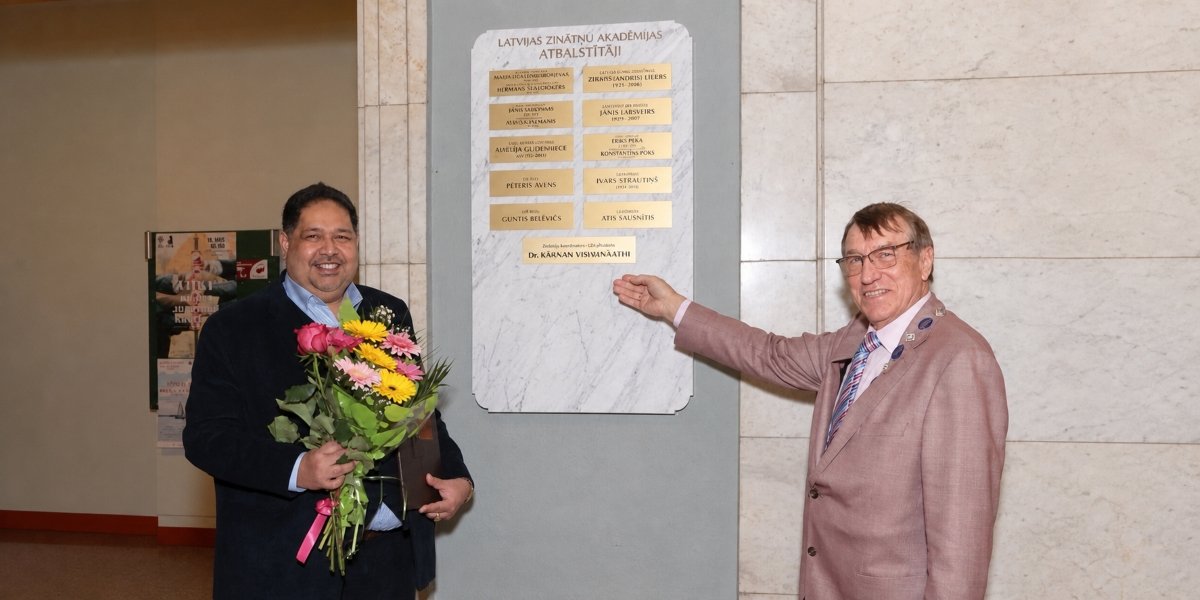
The recognition became even more significant when Dr. Visvanats’ name was permanently engraved on a commemorative plaque in the entrance lobby of the Academy of Sciences building in Riga.

According to Dr. Visvanats, only a small number of distinguished names have previously appeared on the plaque throughout the institution’s history.

Rather than viewing the recognition solely as a personal achievement, he has described it as a validation of the larger mission behind his work. The honor represents the collective efforts of researchers, colleagues, partners, and collaborators working toward more accessible healthcare.

The Work Continues Beyond the Recognition

While the honorary membership represents a major career milestone, Dr. Visvanats continues to emphasize the work that remains ahead.

His vision is centered on challenging conventional approaches to high cost medicine while pursuing pharmaceutical research capable of addressing the needs of emerging markets. That mission requires continued investment in research, international cooperation, manufacturing capabilities, and approaches that can make advanced treatments more accessible.

The recognition from the Latvian Academy of Sciences therefore becomes part of a larger story rather than its conclusion.

Dr. Visvanats continues to advocate for a healthcare model in which scientific advancement and social responsibility move together. His work reflects a belief that the ultimate measure of innovation is not simply whether something can be discovered, but whether that discovery can meaningfully improve human lives.

As global healthcare systems continue searching for more sustainable and equitable solutions, Dr. Kanans Visvanats’ approach places affordability at the center of the conversation. Through Zoar Limited, international scientific partnerships, and his continued pharmaceutical research, he is pursuing a model of innovation built around one fundamental idea: lifesaving healthcare should be accessible to those who need it, regardless of where they live or what they can afford.

More information about Dr. Kanans Visvanats and his work is available through Dr. Kanans Visvanats’ official website.

House of the Dragon Season 3 Finale Sets Up Final Season

House of the Dragon closed Season 3 on August 9, 2026, with the Battle of Tumbleton reshaping the Targaryen civil war. The finale moves Rhaenyra Targaryen and Aegon II into a new phase of their struggle while leaving key alliances unsettled ahead of HBO’s fourth and final season.

Key Takeaways

  • House of the Dragon Season 3 concluded with its eighth episode on August 9, 2026.
  • The finale centers on the Battle of Tumbleton, a major confrontation in the Targaryen civil war.
  • Rhaenyra Targaryen and Aegon II remain at the center of the competing claims to the Iron Throne.
  • Losses, betrayals and shifting alliances alter the positions of forces on both sides.
  • HBO has confirmed that Season 4 will be the final season of House of the Dragon.

The House of the Dragon Season 3 finale brings the Targaryen civil war to one of its most consequential confrontations yet, placing the Battle of Tumbleton at the center of the eighth and final episode.

The August 9 finale pushes the conflict between Rhaenyra Targaryen’s supporters and the Greens beyond competing royal claims and further into open warfare. Forces connected to the Hightowers, Rhaenyra and their respective allies converge as military decisions and changing loyalties reshape the struggle for the Iron Throne.

The episode concludes a season that premiered June 21 and unfolded across eight weekly installments. Rather than resolving the conflict, the finale leaves both factions facing new circumstances as the series prepares for its final season.

Tumbleton also gives the series another opportunity to translate a large-scale fantasy conflict to television. The challenges behind adapting fantasy novels often involve balancing sprawling source material with pacing, visual effects and the practical demands of depicting fictional worlds on screen.

The Battle of Tumbleton Changes the War

The Battle of Tumbleton serves as the finale’s central military development. Forces supporting the Greens and armies aligned with Rhaenyra meet in a confrontation that carries consequences beyond control of the town itself.

Lord Ormund Hightower and figures connected to the Green cause are drawn directly into the fighting. At the same time, the battle puts pressure on established loyalties, with betrayals and changes in allegiance complicating the military positions of those involved.

Dragons remain central to the scale of the conflict. Their role means decisions made by individual dragonriders can affect not only rival riders but also the armies operating on the ground.

That dynamic gives the confrontation significance beyond a conventional battlefield victory or defeat. Each loss, alliance and change in loyalty influences the wider contest between the two Targaryen factions.

The result is a finale that advances several pieces of the civil war at once while keeping its central dispute unresolved.

Rhaenyra Targaryen and Aegon II Remain at the Center

Rhaenyra Targaryen and Aegon II continue to anchor the political and military conflict that has defined House of the Dragon. Their competing claims to the Iron Throne have divided House Targaryen and drawn powerful families into opposing camps.

Rhaenyra’s position depends on maintaining support from houses, military forces and allies across Westeros. The fighting at Tumbleton demonstrates how closely her claim has become tied to events occurring far beyond the royal court.

Aegon II remains the rival claimant backed by the Greens. The Hightowers and other forces supporting him continue to play a major role in defending that position as the conflict expands.

The Season 3 finale does not settle either claim. Instead, it shows how battlefield developments are becoming inseparable from questions of royal legitimacy and political control.

That unresolved structure also places additional pressure on the remaining episodes of the series. Long-running television stories can face significant challenges when bringing multiple character arcs and conflicts together, a subject explored in a broader look at television series endings and the difficulties of delivering closure to complex narratives.

Shifting Alliances Alter the Balance of Power

The Battle of Tumbleton leaves both sides of the Targaryen conflict dealing with changes to their immediate military positions.

For forces supporting Rhaenyra, the confrontation represents another major stage in the campaign against the Greens. Losses and changing alliances affect the strength and organization of the coalition supporting her claim.

The Greens also face new complications. The Hightowers remain important to Aegon II’s position, but events during the battle change the circumstances facing figures connected to his cause.

These developments matter because the war increasingly depends on more than the two competing Targaryen claimants. Military leaders, dragonriders, allied houses and shifting loyalties can alter the strength of either faction.

Season 3 therefore ends with a different balance of power than the one that existed before Tumbleton. The central conflict remains intact, but the people and forces surrounding it have been changed by the latest stage of the war.

The Finale Leaves the Central Conflict Unresolved

The Season 3 finale functions more as a transition than a conclusion.

Rhaenyra and Aegon II remain locked in their competing claims. The factions supporting them continue to contest control across Westeros, while the effects of Tumbleton create new military and political conditions for both sides.

That approach keeps the struggle for the Iron Throne at the center of the story while moving several supporting conflicts forward. Decisions that once appeared primarily political now carry increasingly direct battlefield consequences.

The finale also reinforces the cost of the Targaryen civil war. Families and political factions have become divided, military alliances have grown less stable and dragons continue to expand the destructive scale of the fighting.

By the end of the episode, the war has advanced without producing a final answer to the succession dispute.

HBO Moves House of the Dragon Toward Its Final Season

With Season 3 complete, House of the Dragon now has one season remaining.

HBO has confirmed that Season 4 will be the final season of the series, establishing a defined endpoint for its adaptation of the Targaryen civil war.

Season 3 followed an eight-episode schedule beginning June 21 and ending August 9. Its final episode leaves the story positioned to continue directly from the consequences of Tumbleton and the other developments established during the season.

Rhaenyra, Aegon II, the Hightowers and the factions aligned with the rival claimants remain central to the conflict heading into the final chapter.

No specific Season 4 release date has been established in the information available for this article.

For the House of the Dragon Season 3 finale, the central development is therefore not the end of the war but the conditions it creates for the final stage. Tumbleton changes the positions of key forces while leaving the struggle for the Iron Throne unresolved as the series approaches its conclusion.

Frequently Asked Questions

When Did the House of the Dragon Season 3 Finale Air?

The House of the Dragon Season 3 finale aired on August 9, 2026. It was the eighth episode of a season that began June 21.

What Happens in the House of the Dragon Season 3 Finale?

The finale centers on the Battle of Tumbleton and developments involving the opposing factions in the Targaryen civil war. Rhaenyra Targaryen’s forces, the Greens, the Hightowers and their allies remain involved as losses and shifting loyalties affect the conflict.

Who Is Involved in the Battle of Tumbleton?

The battle involves forces aligned with the rival Targaryen factions, including supporters of Rhaenyra and the Greens. Lord Ormund Hightower is among the figures connected to the conflict.

How Many Episodes Are in House of the Dragon Season 3?

Season 3 consists of eight episodes. The season premiered June 21, 2026, and concluded August 9.

Is House of the Dragon Season 4 the Final Season?

Yes. HBO has confirmed that Season 4 will be the final season of House of the Dragon. A specific release date was not established in the information available for this article.

Microcosms Push Protest Rock Forward With Crying Laughing Here With You

Some albums arrive at exactly the right time. Crying laughing here with you feels like one of them. It’s loud, honest, and packed with the kind of energy that comes from having something real to say.

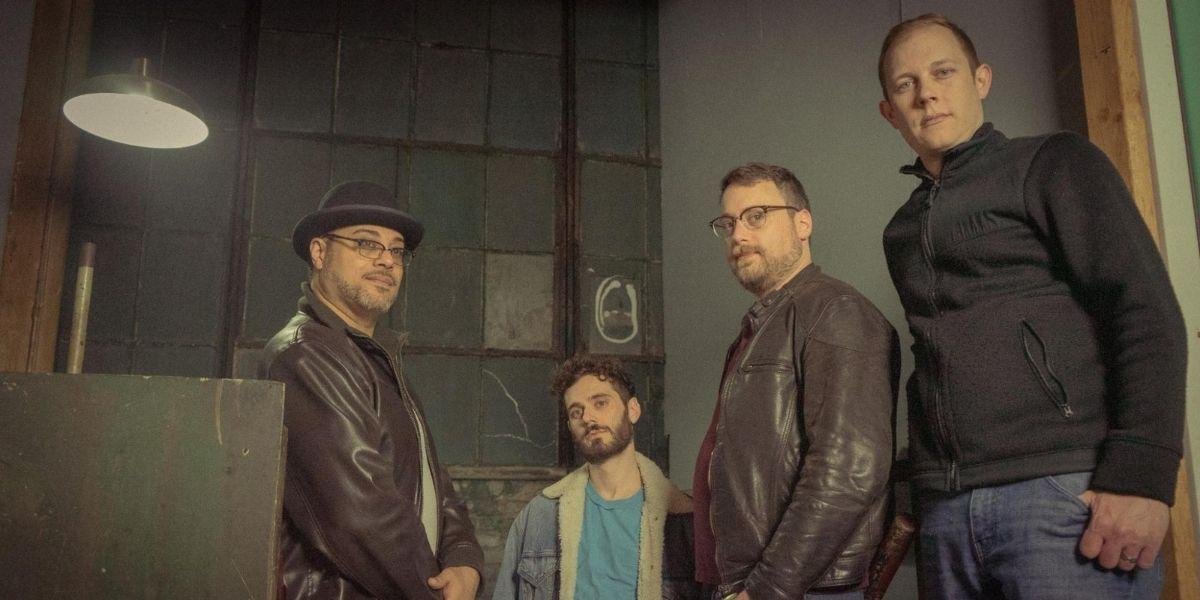
Chicago band Microcosms have built their identity on music that refuses to look away from the world. Blending punk, hard rock and alternative influences, they write songs that tackle everyday frustrations alongside much bigger conversations about power, inequality and the systems people live under. Rather than relying on shock value, the band backs every riff with purpose, giving their music plenty of weight without losing its sense of personality.

The band was formed by frontman Andrew Tschiltsch after walking away from a career in finance to pursue something that better reflected his values. Since then, Microcosms have grown into a full band, performing at respected Chicago venues including Metro and Empty Bottle, while also helping build opportunities for other artists through community projects and creative initiatives. That DIY mindset runs through everything they do, giving the album an authenticity hard to fake.

At the center of Crying Laughing Here With You is “Glug Glug”, one of the album’s heaviest moments. Thick, sludgy guitars and a relentless groove create a feeling of pressure that never really lets up. It’s a song that captures the exhaustion of watching corporate greed and political power continue to put profits ahead of people. Rather than pointing fingers for its own sake, the track channels frustration into something raw, intense, and strangely cathartic. It sounds massive, but it’s the emotion underneath that leaves the huge impact.

The rest of the album keeps that same momentum while exploring different emotions and experiences. Alongside songs that question modern society are tracks that address anxiety, fear, love, and personal struggles, giving the record far more depth than a straightforward protest album. Every song has its own character, but they all share the same sharp writing and fearless attitude.

With Crying Laughing Here With You, Microcosms have introduced themselves with an album that refuses to play it safe. It’s thoughtful without preaching, aggressive without losing its heart, and proof that rock music can still challenge people while being a genuinely exciting listen. For a debut, it’s a statement that leaves plenty to look forward to next.

https://open.spotify.com/album/7iTMpQ0ARQodPsIlEoWZQ9?si=InuFSjGARESZtFMKq3BasA