Entertainment Post

Inside the DEHKO Experience: Why the Crowd Still Matters More Than the Algorithm

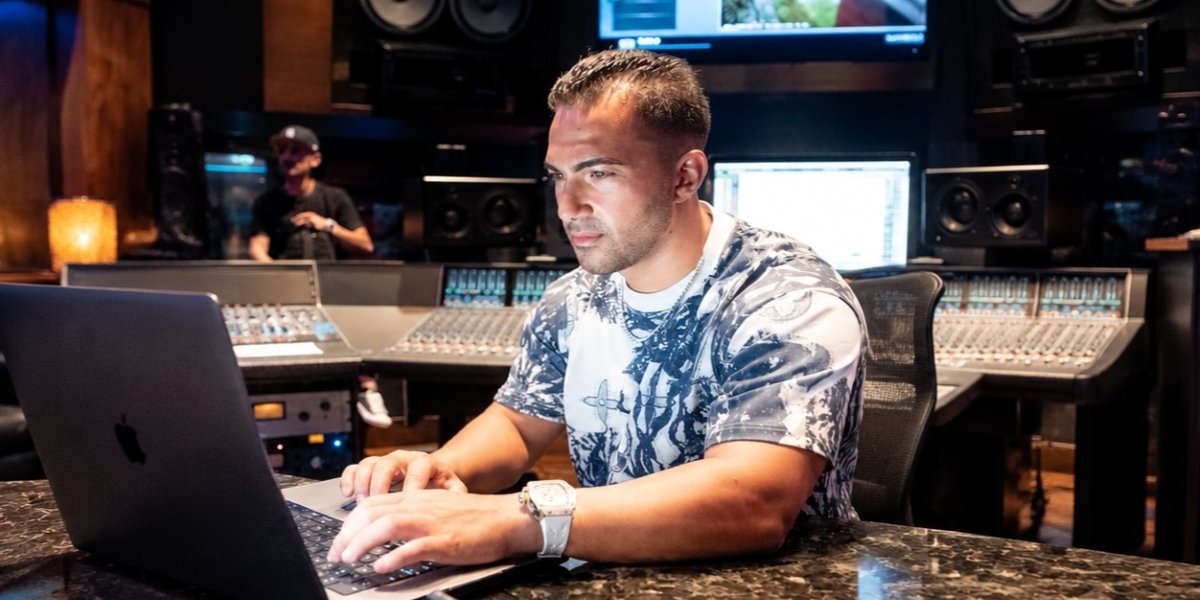
The creator of Tektroit is building his next house records from the perspective that shaped him first: the view from behind the decks.

The Room Is the Real Instrument

For DEHKO, a DJ set is not a sequence of songs. It is a live negotiation with thousands of nervous systems. He watches how quickly people move, where the energy gathers, when a familiar vocal creates recognition and when an unexpected transition can push the room somewhere new. That feedback loop, instant, physical and unforgiving, still shapes every record he produces.

An Education in Crowd Psychology

Dehko learned that skill while producing and headlining his own events around Pontiac and Detroit. He was not only the performer. He helped build the entire night: venue, promotion, opening talent, ticketing and the pressure of delivering on the promise once the doors opened. Some of those events sold out, with would-be attendees offering far above face value at the door. The experience taught him that anticipation begins long before the first track, but the artist still has to cash it in onstage.

The Dehko Brothers

His younger brother Jordan became part of that live evolution, first helping with equipment, then serving as a hype man and eventually learning to DJ. Performing together as the Dehko Brothers added another layer of movement and call-and-response to the show. It also reinforced Sam Dehko’s belief that the audience should feel involved, not merely observed.

When Original Music Changed the Stakes

There was a limit to how personal even a great DJ set could become when the biggest moments relied on other artists’ records. Production changed that equation. Tektroit, DEHKO’s blend of Detroit rap vocals and attitude with house and electronic production, gave the performance its own language. The records were no longer tools borrowed for the night; they became extensions of the artist controlling the room.

Photo Courtesy: DEHKO

Streams Are Evidence, Not the Experience

DEHKO says his catalog has surpassed 10 million Spotify streams. That reach is important, but he does not confuse a play count with the electricity of a live crowd. A stream confirms that a song traveled. A room reveals whether it landed. That is why he evaluates production not only through headphones and studio monitors, but by imagining the exact second a record will enter a set and what the audience should feel when it does.

Building the Next Show

The upcoming DEHKO material leans into melodic, vocal-driven house music, including female vocals and structures capable of reaching a broader audience. But accessibility does not mean reducing intensity. The goal is to create records that work in everyday listening and become explosive in a performance environment. Lighting, video and staging are intended to move with the music, turning the set into a complete sensory narrative.

The Feeling You Cannot Buy

DEHKO often returns to one idea: a ticket can buy admission, but it cannot guarantee the moment when the right song, the right people and the right energy align. That moment has to be created. His next chapter may be aimed at larger stages and international listeners, but its success will still be measured the old-fashioned way, by what happens in the room when the music drops.

Follow DEHKO on Instagram at @DJ.dehko, visit dehko.com, and stream DEHKO on major platforms.

Netflix Orders New ‘Lonesome Dove’ Series From Zoe Kazan

Netflix has ordered a new Lonesome Dove drama series with Zoe Kazan and Jeb Stuart serving as co-showrunners, bringing Larry McMurtry’s Pulitzer Prize-winning Western novel to the streaming platform. Teton Ridge Entertainment will produce the series, which follows retired Texas Rangers Gus McCrae and Woodrow Call on a cattle drive from the Rio Grande to Montana.

Key Takeaways

  • Netflix has ordered a new Lonesome Dove drama series based on Larry McMurtry’s 1985 novel.
  • Zoe Kazan and Jeb Stuart will serve as co-showrunners on the adaptation.
  • Teton Ridge Entertainment will produce the series with Netflix.
  • The story follows retired Texas Rangers Gus McCrae and Woodrow Call on a cattle drive from the Rio Grande to Montana.
  • Executive producers include Teton Ridge Entertainment executives and representatives of the McMurtry Estate.

Netflix Orders the New Lonesome Dove Series

The Netflix Lonesome Dove series will adapt McMurtry’s 1985 novel, which won the Pulitzer Prize for Fiction. The story follows Gus McCrae and Woodrow Call after their years as Texas Rangers as they set out on a final cattle drive across the American West.

The journey begins at the Rio Grande and takes the two former Rangers toward Montana. The series will draw on the novel’s setting in the 19th-century American West and its ensemble of characters.

Netflix announced the project on September 9, 2026, with Kazan and Stuart attached as co-showrunners. The announcement also confirmed Teton Ridge Entertainment as a production partner.

The project gives Netflix another literary adaptation from Kazan and Stuart, who are also working together on the forthcoming East of Eden series. That adaptation stars Florence Pugh, Christopher Abbott and Mike Faist and is scheduled to premiere on Netflix on October 1.

Kazan and Stuart said they were pleased to return to Netflix after their work on East of Eden. In a joint statement, they said they were “thrilled” to work with Netflix and Teton Ridge Entertainment on McMurtry’s Western novel.

The pair also said they approached the material with “love and respect” and expressed anticipation about working with Gus, Call and the other characters from McMurtry’s story.

Netflix Head of Scripted Series, UCAN, Jinny Howe also addressed the new project. Howe said Netflix wanted to continue working with Kazan and Stuart after East of Eden and described Lonesome Dove as “one of the great American stories.”

The new series joins other recent screen adaptations covered in Netflix’s established literary franchises, including Enola Holmes 3, which is based on Nancy Springer’s mystery novels.

Zoe Kazan and Jeb Stuart Lead the Adaptation

Kazan and Stuart will serve as co-showrunners, giving the Netflix Lonesome Dove series a shared creative leadership team. Their responsibilities follow their work together on the upcoming East of Eden adaptation.

The connection between the two projects is also part of Netflix’s announcement. Kazan and Stuart are moving from one literary adaptation to another, with Lonesome Dove based on McMurtry’s novel and East of Eden based on John Steinbeck’s 1952 novel.

The forthcoming East of Eden series stars Florence Pugh as Cathy Ames, Christopher Abbott as Adam Trask and Mike Faist as Charles Trask. Netflix has positioned that project as Kazan and Stuart’s earlier collaboration for the streaming service.

Kazan and Stuart said their experience working on East of Eden informed their decision to reunite with Netflix and Teton Ridge Entertainment for Lonesome Dove. Their joint statement described the new project as an opportunity to bring McMurtry’s Western classic to television.

The creators will also work with Teton Ridge Entertainment, which is producing the series. Executive producers include Thomas Tull, Jillian Share and Jen Gorton of Teton Ridge Entertainment, along with Jon Jashn, Diana Ossana and Curtis McMurtry of the McMurtry Estate.

The project follows other recent adaptations of established literary properties, including Christopher Nolan’s Homer adaptation The Odyssey, which brings a classical work of literature to the screen.

Larry McMurtry’s Novel Provides the Source Material

McMurtry published Lonesome Dove in 1985. The novel went on to win the Pulitzer Prize for Fiction and became one of the author’s best-known works.

The book centers on Gus McCrae and Woodrow Call, retired Texas Rangers who undertake a cattle drive from the Rio Grande toward Montana. The journey provides the central framework for the Netflix adaptation.

McMurtry died in 2021. His writing career included novels that were later adapted into films, including Terms of Endearment and The Last Picture Show.

He also co-wrote the screenplay for Brokeback Mountain, based on Annie Proulx’s short story. The film won the Academy Award for Best Adapted Screenplay.

Lonesome Dove spent more than five consecutive months on The New York Times bestseller list, according to Netflix’s announcement. The novel remains part of McMurtry’s widely adapted body of work.

The Netflix adaptation will bring the book’s Western setting and central characters into a drama series. The project retains the cattle-drive premise while placing Kazan and Stuart in charge of adapting the story for television.

Netflix’s announcement also identifies members of the McMurtry Estate among the series’ executive producers. Curtis McMurtry joins Jon Jashn and Diana Ossana in representing the estate on the production.

Screen adaptations of books also include projects such as the Magic School Bus film adaptation, which is based on Joanna Cole and Bruce Degen’s children’s book franchise.

Gus McCrae and Woodrow Call Anchor the Western Story

Gus McCrae and Woodrow Call are the central characters in the announced Lonesome Dove adaptation. Both are retired Texas Rangers who leave the Rio Grande on a cattle drive that takes them toward Montana.

The story is set across the American West during the 19th century. The journey brings the two men through a landscape that includes frontier communities, wilderness and the challenges associated with the cattle drive.

Netflix describes the series as an epic drama built around the two former Rangers and their journey. The story also includes a larger group of characters encountered during the trip.

McCrae and Call’s relationship is central to the novel and its adaptation. The two men undertake the journey together after their years as Texas Rangers, giving the series its primary character pairing.

The announced premise also includes personal and frontier conflicts alongside the cattle drive. Netflix’s description refers to themes of friendship, longing, justice and the search for a meaningful life within the Western setting.

Kazan and Stuart said they were looking forward to working with Gus and Call and the other characters from McMurtry’s novel. Their comments confirm that the adaptation will remain centered on the established characters while translating the story into a television drama.

No actors have been announced for the roles of McCrae and Call. Netflix has also not disclosed a premiere date for the series.

Teton Ridge Entertainment Joins Netflix on the Series

Teton Ridge Entertainment is producing the Netflix Lonesome Dove series. Its executive producers on the project include Thomas Tull, Jillian Share and Jen Gorton.

The McMurtry Estate is also represented among the executive producers. Jon Jashn, Diana Ossana and Curtis McMurtry are attached in that capacity.

Jillian Share, President of Teton Ridge Entertainment, said Lonesome Dove is a story with established characters and a broad depiction of the American West. Share said the company sees an opportunity to bring McMurtry’s work to a new generation of audiences.

Netflix’s Howe also said the streaming service wanted to work with Kazan and Stuart again following East of Eden. She said the new series would allow the pair to bring their work on character and setting to McMurtry’s novel.

The partnership brings Netflix, Teton Ridge Entertainment, Kazan and Stuart, and representatives of the McMurtry Estate together for the adaptation.

The series will follow the cattle drive from the Rio Grande to Montana and draw its characters and story from McMurtry’s novel. Netflix has yet to announce the actors who will join the production or a release date.

Frequently Asked Questions

When will the new Lonesome Dove series premiere on Netflix?

Netflix has not announced a premiere date for the new Lonesome Dove series. The project has received a series order and has Zoe Kazan and Jeb Stuart attached as co-showrunners.

Who is creating the new Lonesome Dove series?

Zoe Kazan and Jeb Stuart will serve as co-showrunners. Teton Ridge Entertainment is producing the series with Netflix.

Is Netflix’s Lonesome Dove based on Larry McMurtry’s novel?

Yes. The series adapts McMurtry’s 1985 novel Lonesome Dove, which won the Pulitzer Prize for Fiction.

Who are Gus McCrae and Woodrow Call in Lonesome Dove?

Gus McCrae and Woodrow Call are retired Texas Rangers who undertake a cattle drive from the Rio Grande toward Montana. They are the central characters in the announced Netflix adaptation.

Has Netflix announced the cast for Lonesome Dove?

Netflix has not announced the cast for the new series. Zoe Kazan and Jeb Stuart are attached as co-showrunners, while Teton Ridge Entertainment and members of the McMurtry Estate are involved as executive producers.

The Controlled Worlds of Viktoriia Galashova

By: Shawn Mars

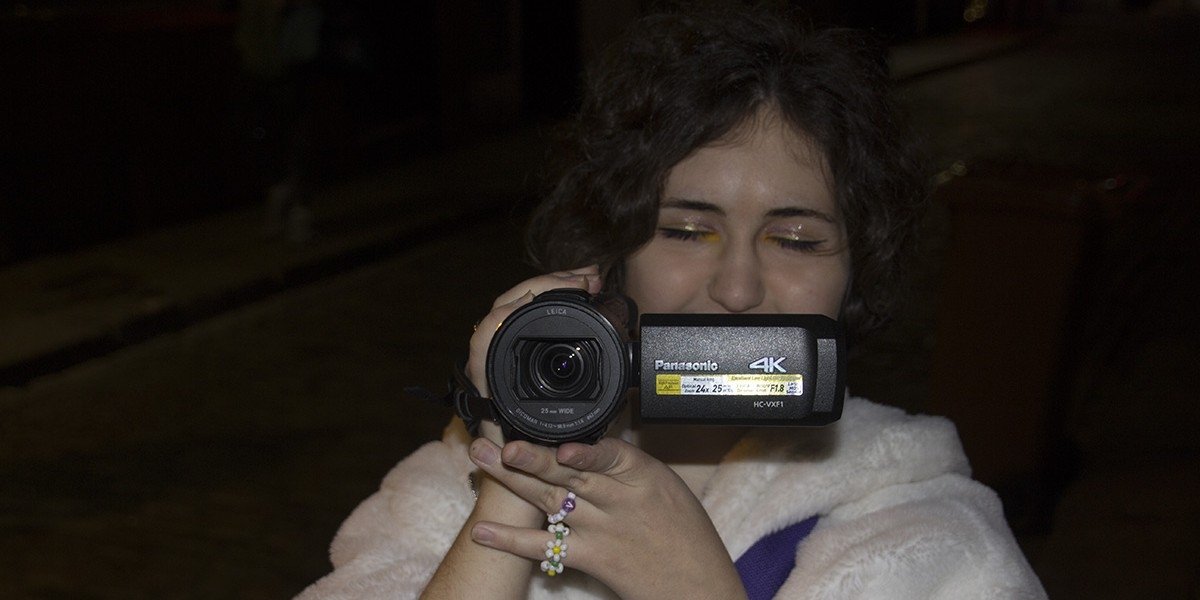
Viktoriia Galashova makes films about people caught inside systems they cannot control. The writer-director grew up in Yekaterinburg, Russia, in a home shaped by art. She studied piano, sang in choir, and worked in visual arts long before she picked up a camera. That mix of disciplines still guides how she builds a scene. Galashova treats music, image, and silence as one connected language.

A Foundation in Music and Visual Art

Her artistic training started early and covered a lot of ground. Years at the piano taught her rhythm and timing. Choir taught her how sound carries emotion. Visual arts sharpened her eye for composition and color. When she turned to cinema, these skills came with her.

Asked how that training shapes the way she works today, Galashova points to sound and image as two halves of the same instinct.

“I think that background has made me very attentive to both sound and image,” she says. “Coming from piano and choir, I naturally pay close attention to rhythm, silence, and how music or sound can shape the emotion of a scene. And my visual arts background makes me very conscious of composition, color, and how a shot looks and feels. So when I approach a scene today, I’m thinking about how all of those elements work together to tell the story, not just what’s happening in the frame.”

From Yekaterinburg to Los Angeles

Her path into film began in school. She filmed her classmates and built small creative projects with whatever tools she had. Later she joined workshops at the Sverdlovsk Film Studio. Mentors there praised her early work for its sensitivity and its visual storytelling.

Galashova wanted more range and formal training. She earned a BA in Film and TV Production at Griffith College Dublin. She then moved to the United States and completed an MA in Filmmaking at the New York Film Academy in Los Angeles. She remains based in the Los Angeles area, where she continues to write and direct.

That path across three countries left a mark on how she sees people, and by extension, how she writes them.

“I think living and studying in Russia, Ireland, and the United States exposed me to very different people, mentalities, and ways of seeing the world,” she says. “I’ve always been inspired by observing people, how they communicate, how they work, and how they approach life differently. Moving between these places taught me to pay attention to those differences, and I think that naturally influences the way I see characters and tell stories. It has made my voice more open and observant, and I try to bring those different perspectives into my work.”

A Vision Built on Vulnerability

Galashova describes her work as an exploration of human vulnerability within controlled environments. She blends emotional realism with psychological tension and a surreal tone. Her characters often feel small inside larger structures. They are watched. They are tested. They rarely hold the power.

For her, the pull toward that theme is rooted in questions of fairness and how people react when they lose control of their own situation.

“I’m drawn to this theme because I want to explore situations where people experience injustice and inequity, especially when they are placed in environments where they have little control,” she says. “I’m interested in the vulnerability that comes out of those situations and in how people respond to them. Ultimately, I want my films to make viewers feel something, but also to think about these issues from a more personal and human perspective.”

That interest runs into a second question her films keep circling back to, the fragility of safety itself.

“Maybe because I’m interested in how fragile our sense of safety can be,” she says. “We can feel completely safe and in control, and then life can change in a second. I wanted to explore that sudden shift and show how quickly a situation can turn, especially when we realize that the things we trust to protect us may not actually give us the safety we believe they do.”

She points to Black Mirror as a reference, the kind of story where familiar places turn strange and unsettling. For Galashova, the appeal is how close that fiction sits to the present.

“What resonates with me about Black Mirror is that the technology often doesn’t feel completely fictional,” she says. “It feels like something we could reach in the near future, and in some cases, we’re already seeing parts of it today. I’m interested in the idea that as technology becomes more powerful, there will always be people who find ways to take advantage of it. That combination of technological progress and human behavior creates situations that feel both unsettling and very real.”

Inside Locker 17

Locker 17 gathers these ideas into one tight story. The short film follows a young woman whose belongings vanish at her gym. Staff brush her off, and no one takes her seriously. She refuses to stay quiet. With help from an unlikely ally, she pushes for answers. What she uncovers is worse than a theft. The gym has been watching all along.

The choice of setting was deliberate. Galashova wanted a place so ordinary that its unraveling would feel that much sharper.

“I chose a gym locker room because it’s such an ordinary, everyday place, somewhere people go without thinking twice about it,” she says. “I wanted to show that something unexpected or disturbing can happen even in places that feel familiar and safe to us. For me, that contrast makes the story more powerful, because it shows how quickly an ordinary situation can change.”

She wrote and directed the project as her thesis film at the New York Film Academy, and it reflects the themes that define her larger body of work.

What Comes Next

Galashova belongs to a generation of filmmakers who move across borders and carry several cultures into their work. Her path runs through Russia, Ireland, and the United States. That range feeds her voice rather than diluting it.

For now, she is early into her next project and content to let it take shape at its own pace.

“I’m working on a new script right now, so I’m still in the early stages of seeing where it will go,” she says. “I’m taking my time with it and exploring the story and characters as they develop. As for what’s next, I’m open to seeing where this project takes me and continuing to explore the kinds of stories and themes that interest me.”

She continues to develop stories that place quiet, ordinary people against forces they can barely see. Her films ask viewers to notice the systems around them and the small acts of resistance that push back. For readers who want to follow an emerging writer-director with a clear point of view, Viktoriia Galashova is building a body of work worth tracking.