
In the past, creating high-quality films required expensive cameras, sophisticated equipment, and a team of skilled professionals. However, with the advancements in technology, particularly in smartphone capabilities, phones are increasingly becoming powerful tools for filmmaking. In this article, we’ll explore how phones are revolutionizing the world of filmmaking, making it more accessible and democratized than ever before.
The Rise of Smartphone Filmmaking
Smartphones have evolved from simple communication devices to powerful multimedia tools capable of capturing stunning visuals and crisp audio. With high-resolution cameras, advanced image stabilization, and professional-grade editing software available at our fingertips, smartphones are empowering filmmakers to create professional-looking films without the need for expensive equipment or extensive technical expertise. As a result, smartphone filmmaking has experienced a surge in popularity, with filmmakers around the world embracing the convenience and accessibility of mobile technology to bring their creative visions to life.
One of the most significant advantages of using phones for filmmaking is their accessibility and affordability. Unlike traditional filmmaking equipment, which can be prohibitively expensive and difficult to obtain, smartphones are widely available and relatively inexpensive. Almost everyone owns a smartphone these days, which means that aspiring filmmakers no longer need to invest in costly cameras and accessories to get started. With just a smartphone and a few inexpensive accessories like a tripod and microphone, filmmakers can begin shooting high-quality videos right away, leveling the playing field and democratizing the filmmaking process.
Portability and Convenience
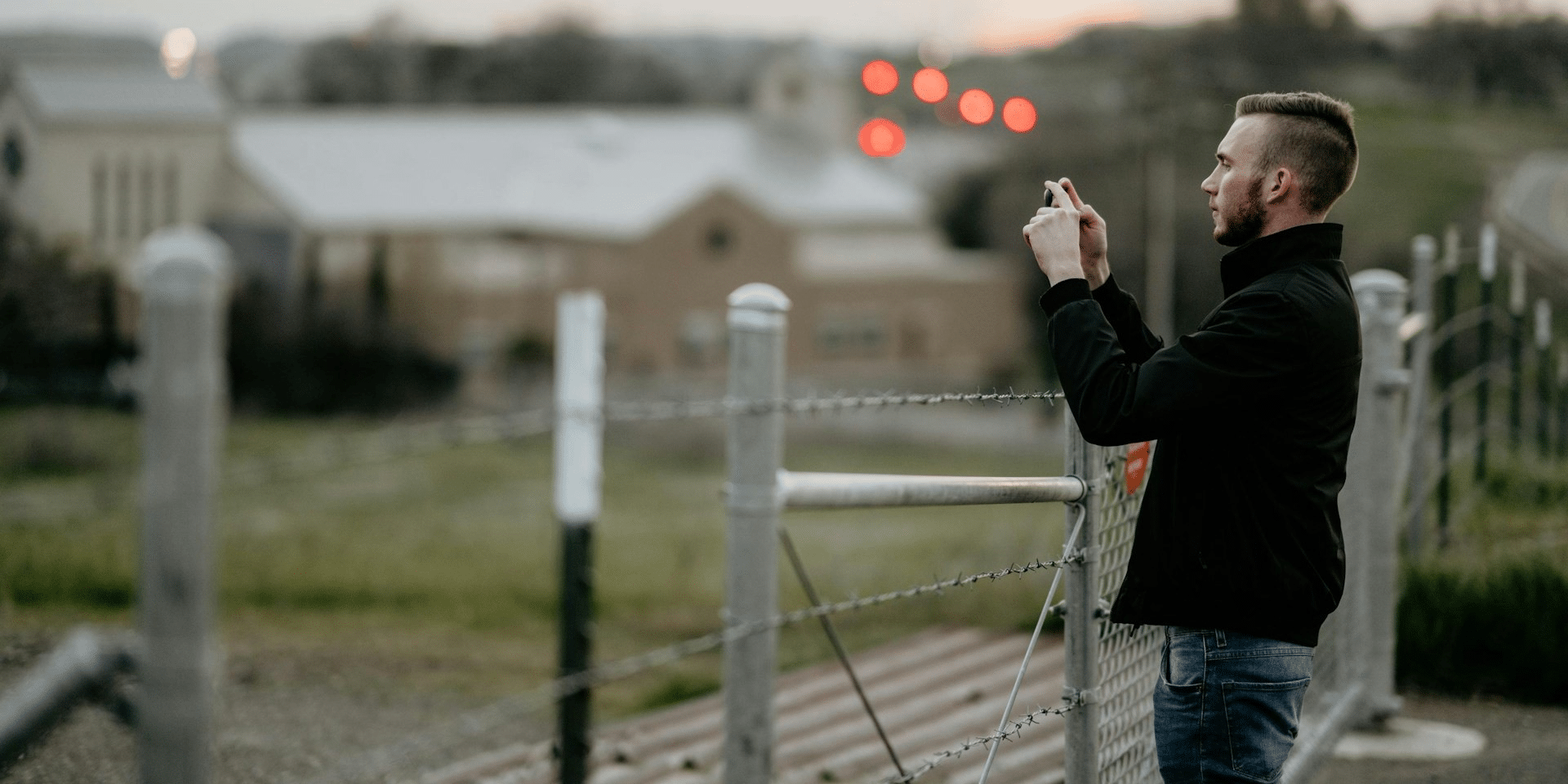
Another benefit of using phones for filmmaking is their portability and convenience. Unlike bulky cameras and equipment, smartphones are compact and lightweight, making them ideal for shooting on the go or in tight spaces where traditional cameras may not fit. This portability allows filmmakers to capture spontaneous moments and scenes that would have been challenging or impossible to film with larger equipment. Additionally, smartphones are always with us, making it easy to capture footage whenever inspiration strikes, whether it’s while traveling, commuting, or simply going about our daily lives.
Smartphones offer a level of versatility and creativity that is unmatched by traditional filmmaking equipment. With a wide range of built-in camera features and editing tools, smartphones allow filmmakers to experiment with different shooting techniques, angles, and effects to achieve their desired look and feel. From slow-motion and time-lapse to panoramic and portrait mode, smartphones offer endless possibilities for creative expression. Additionally, the availability of third-party apps and accessories further extends the capabilities of smartphones, allowing filmmakers to customize their filming setup to suit their specific needs and preferences.
Social Media and Online Platforms
The rise of social media and online platforms has played a significant role in driving the popularity of smartphone filmmaking. Platforms like YouTube, Instagram, TikTok, and Snapchat have democratized content creation, providing filmmakers with a global audience and a platform to showcase their work. With the ability to easily share videos online, filmmakers can reach millions of viewers with just the click of a button, bypassing traditional distribution channels and gatekeepers. This accessibility has paved the way for a new generation of filmmakers to emerge, creating diverse and innovative content that resonates with audiences around the world.

Photo Credit: Unsplash.com
Smartphones are also valuable educational tools for aspiring filmmakers, providing access to a wealth of resources and learning opportunities. From online tutorials and courses to filmmaking apps and communities, smartphones offer a wide range of resources for learning the craft of filmmaking. Many filmmakers use smartphones to practice their skills, experiment with different techniques, and collaborate with other creatives in online communities. Additionally, smartphones enable filmmakers to document their creative process and share behind-the-scenes insights with their audience, providing valuable learning experiences for aspiring filmmakers.
Professional Applications and Use Cases
Smartphones have rapidly evolved from casual recording devices into legitimate tools within professional filmmaking environments. While they were once associated primarily with amateur creators and indie storytellers, today’s smartphones are being embraced by seasoned filmmakers and production houses for a variety of creative and logistical purposes. Behind-the-scenes footage, second-unit shots, and social media content are often captured using mobile devices due to their portability, ease of use, and increasingly high-quality output. Their unobtrusive nature allows crews to film in tight or sensitive locations without the bulk of traditional gear, making them ideal for spontaneous moments and dynamic shooting conditions.
More impressively, smartphones are now being used as primary cameras for entire productions, especially in genres that benefit from a raw, intimate aesthetic—such as documentaries, music videos, and short-form narratives. With the rise of cinematic lenses, stabilizers, and advanced editing apps, filmmakers can achieve professional-grade visuals without relying on expensive rigs. This democratization of technology has blurred the boundaries between amateur and professional filmmaking, empowering creators at every level to produce compelling, high-quality content. As mobile filmmaking continues to gain traction, it’s reshaping not only how stories are told, but who gets to tell them.
Power in the Palm of Our Hands
Smartphones are reshaping the filmmaking landscape, breaking down barriers that once limited who could tell visual stories and how those stories could be shared. With high-resolution cameras, intuitive editing apps, and the ability to shoot, cut, and distribute content from a single device, mobile filmmaking has become a dynamic force in both amateur and professional circles. Creators no longer need expensive rigs or studio access to produce compelling narratives—just a smartphone and a vision. This shift has opened the door to a more inclusive and agile creative community, where anyone with a story and a bit of ingenuity can participate in the cinematic conversation.
As smartphone technology continues to evolve, the possibilities for mobile filmmaking are expanding at an astonishing pace. Innovations in sensor design, AI-powered editing, and modular accessories are pushing the boundaries of what’s possible with a pocket-sized device. We’re seeing smartphones used not only for indie films and documentaries but also in commercial productions and festival-worthy projects. This democratization of tools is fueling a new wave of experimentation and authenticity in storytelling, where creators can focus less on gear and more on voice. The future of filmmaking is increasingly mobile, and it’s being shaped by the hands of those bold enough to embrace it.