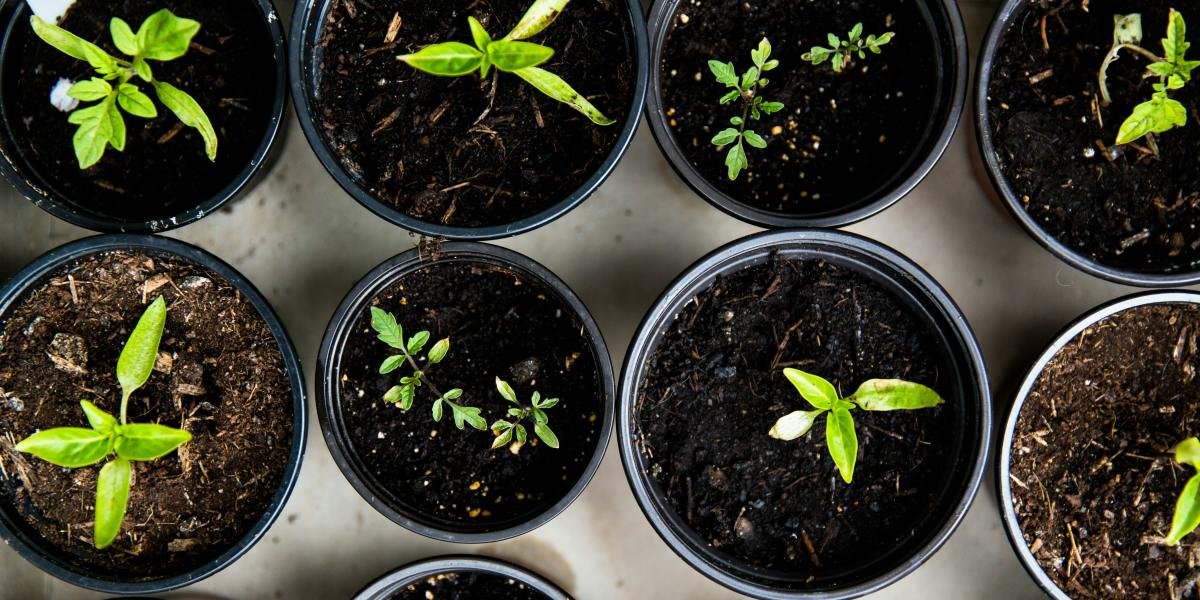


The popularity of urban gardening is increasing. Many individuals now use compact containers to cultivate their own sustenance.
And why now? The small-scale gardens offer a cost-effective and environmentally friendly way to reduce food wastage.
This affordable and potentially effective option not only offers a steady supply of fruits and vegetables in your kitchen but also supports eco-consistent practices.
Selecting the Ideal Container
Choosing the right container is always important for any mini garden. Ensure it has good drainage to prevent water from lingering and causing root rot. The dimensions should allow your greenery to flourish while fitting nicely on your ledge.
Consider the material. Plastic is light and ideal for high spots, but may not be the best for warmth. Wood keeps vegetation warm, but it is heavier, so it might be more suitable for lower positions.
Measure your space to ensure a good fit, and aim for a depth of 8 to 12 inches for strong roots. While this step is essential, the appropriate container may significantly contribute to your garden’s success.
Great Edible Flora for Outdoor Containers
Choose fast-growing, easy plants for containers. Herbs like basil, parsley, and mint tend to thrive and enhance meals. Grow spinach and lettuce for frequent harvests.
Dwarf tomatoes suit small spaces and generally yield well. Mix plants to boost growth and keep things interesting. Interplanting aromatics, greens, and dwarf tomatoes can maximize the uses of your small patch and create visual interest.
You may be treated to a diverse array of flavours and a consistent supply of fresh produce, all directly accessible from your residence.
Soil and Fertiliser Choices
The quality of the growing medium determines garden success. Standard garden soil fails in containers due to its density. So, select premium potting mixes that balance moisture retention and drainage capabilities.
This helps prevent root suffocation in waterlogged environments. Specialized potting mixes are often known to deliver superior results consistently.
Incorporate organic amendments for edibles. Also, organic inputs eliminate chemical concerns entirely, so keep that in mind. Worm castings and compost naturally enrich the substrate.
These additions can boost flavours and nutritional content in a significant way.
Gardening experts recommend premium potting mixes that balance moisture retention and drainage for the best results.
Planting Techniques for Success
Starting your botanical journey means getting those seeds or young seedlings into the container just right. First, make sure the substrate is damp, not soaked, so seeds can sprout or roots can settle in.
Mind the space each specimen needs. If they’re too close, they’ll compete for food and sunlight, which could stunt growth. Small aromatics like thyme and chives can stay close, but larger varieties like tomatoes will need their space.
Think about arranging in layers to make the most of your area. Taller specimens, like mini tomatoes or peppers, should go at the back for sunlight without overshadowing the smaller ones. In the front, place shorter herbs and greens like basil and lettuce, where they can enjoy some shade.
Consider trying companion cultivation too, which means pairing flora that may help each other. For example, basil could keep bugs off tomatoes and even improve their flavour.
By planning where everything goes, your exterior garden is more likely to thrive, with every specimen getting the room and support it needs to flourish.
Watering and Maintenance Tips
Britain’s unpredictable climate can make caring for your outdoor miniature garden a bit challenging. While regular hydration is essential, you’ll need to adapt your approach when rain showers are frequent, which is often the case here.
Simply insert your finger into the substrate about an inch deep. If it feels dry, moisture is needed. Water less in cool weather to protect roots. Adjust watering with the seasons. Self-watering systems may help busy gardeners, so you might give that option a thought.
Remove dead leaves for better airflow. Deadheading can prevent disease. Also, remember to provide your greenery with a balanced nutrient supplement every few weeks to maintain their overall health and well-being. Following these simple guidelines will likely enable your compact garden to thrive right on your exterior ledge.
Pest Control and Troubleshooting
Check your plants often. Early action can stop small problems before they become bigger. Look under leaves and around stems, where pests like to hide.
Aphids, snails, and caterpillars often attack young plants first. They damage leaves and weaken growth.
To stop them, start with natural methods. Neem oil, for example, helps control pests but keeps helpful insects safe.
Spray in the early morning or late afternoon when the sun is not too strong. Insecticidal soap also works well. Cover both sides of the leaves and repeat every few days.
You can add good bugs to your garden too. Ladybugs, lacewings, and hoverflies naturally hunt aphids and other soft-bodied pests. If you spot snails or caterpillars, pick them off by hand and drop them into a bucket of soapy water.
Crop rotation helps prevent problems before they start. Move vegetables to a new spot each year to break pest and disease cycles. You can also plant marigolds and nasturtiums as decoys. They may attract pests away from your main crops.
Harvesting and Using Your Crops
Harvest timing matters. Clip herbs like basil and mint before flowering to preserve flavour. Pinch tips regularly to stimulate growth. For spinach and lettuce, use cut-and-regrow methods. This technique can ensure continuous harvests throughout the season.
Fresh homegrown produce transforms everyday cooking. Mix chopped herbs into salads or blend into vibrant pestos. Leafy greens elevate sandwiches and smoothies with nutrients and flavour.
Preserve excess herbs by air-drying or freezing them in oil cubes. Sharing your bounty creates connections and highlights the satisfaction of self-cultivation.
Conclusion
Window box gardening delivers multiple benefits simultaneously. Fresh produce grows only steps away from your kitchen. Grocery expenses could decrease noticeably. Environmental impact is also reduced significantly.
Windowsills offer surprising agricultural potential for urban dwellers everywhere. Plus, tending to your mini oasis is satisfying, bringing you closer to nature and your meals.
You might experiment with different botanical varieties to suit your taste, so why not give it a shot? Dive into the world of homegrown goodies and start your own edible paradise.