
Digital concerts emerged as a lifeline for the music industry during the COVID-19 pandemic, providing artists and fans a way to connect while physical venues remained closed. As the world transitions back to in-person events, the question arises: are digital concerts still practical today? This article explores the factors influencing the relevance of digital concerts, including technological advancements, audience engagement, economic considerations, industry trends, and future prospects.
Technological Advancements
Virtual Reality (VR) Concerts
The advent of virtual reality (VR) has transformed digital concerts into immersive experiences. Platforms like AmazeVR have introduced VR concert applications that use real footage of artists integrated into virtual worlds. These innovations allow fans to feel as though they are attending a live concert from the comfort of their homes. With the rapid growth of VR technology, digital concerts are poised to become more engaging and lifelike.
Live Streaming Platforms
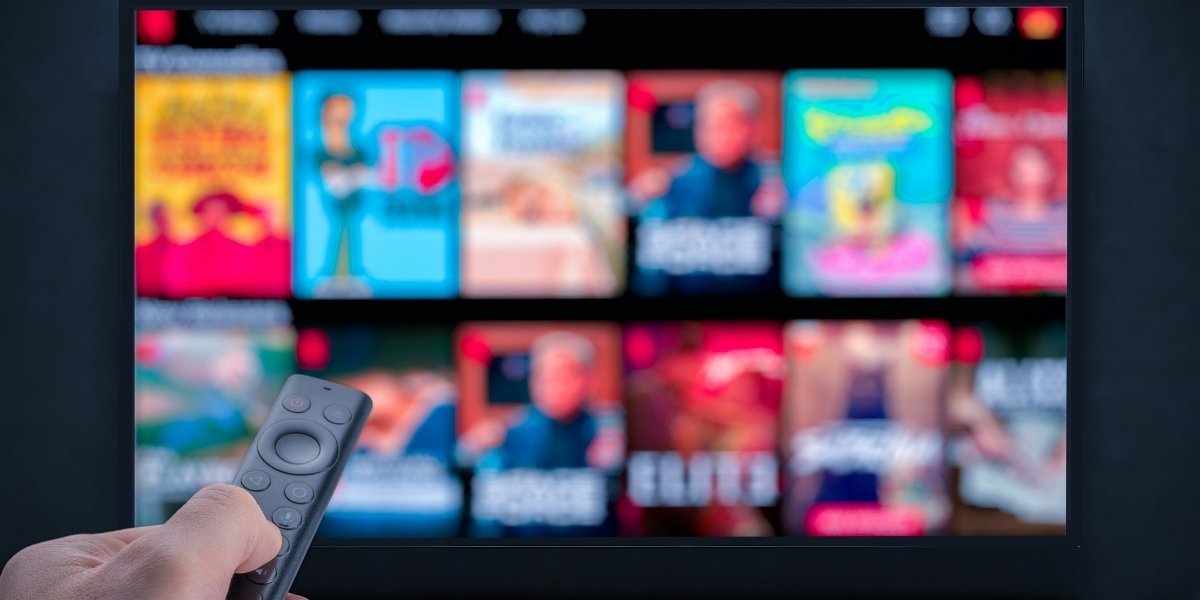
The rise of high-quality live streaming services has made digital concerts more accessible than ever. Platforms such as YouTube, Twitch, and TikTok Live have enabled artists to perform for global audiences in real-time. These tools democratize access to live music, eliminating the geographical and logistical barriers associated with traditional concerts.
Audience Engagement
Interactive Features
One of the most compelling aspects of digital concerts is the ability to incorporate interactive features. Live chats, virtual meet-and-greets, and audience polls allow fans to engage directly with artists, creating a sense of connection that rivals in-person experiences. These interactive elements also provide valuable feedback for artists, helping them tailor their performances to audience preferences.
Accessibility
Digital concerts offer unparalleled accessibility, allowing fans from remote or underserved regions to experience live music. For individuals with disabilities or those who cannot afford the costs of attending physical events, digital concerts provide an inclusive alternative. This broader reach helps artists expand their fan base while promoting equity in entertainment.
Economic Considerations
Cost Efficiency
Digital concerts are often more cost-effective than traditional live events. For artists, they eliminate expenses related to travel, venue rental, and stage setup. Similarly, fans save money on transportation, accommodation, and high ticket prices. This affordability makes digital concerts an attractive option for both performers and audiences.
Revenue Streams
While digital concerts have lower overhead costs, they also open up new revenue opportunities. Artists can monetize these events through ticket sales, virtual merchandise, and sponsorships. Additionally, platforms like Patreon and Bandcamp allow fans to support artists directly, fostering a sustainable model for digital performances.
Industry Trends
Post-Pandemic Adaptations
The COVID-19 pandemic accelerated the adoption of digital concerts as a necessary alternative to physical events. Although in-person concerts have largely resumed, many artists continue to incorporate digital components into their performance schedules. This hybrid approach reflects a growing recognition of the value digital concerts bring to the industry.
Hybrid Models
Hybrid concerts, which combine live and digital elements, are becoming increasingly popular. These events cater to in-person attendees while simultaneously streaming the performance to online viewers. By reaching both physical and virtual audiences, hybrid models maximize revenue and ensure inclusivity.
Challenges
Technical Limitations
Despite advancements in technology, digital concerts still face technical challenges. Streaming quality, latency, and internet connectivity issues can disrupt the experience for both performers and audiences. Bridging the digital divide is essential to ensuring that all fans can access high-quality digital concerts.
Audience Experience
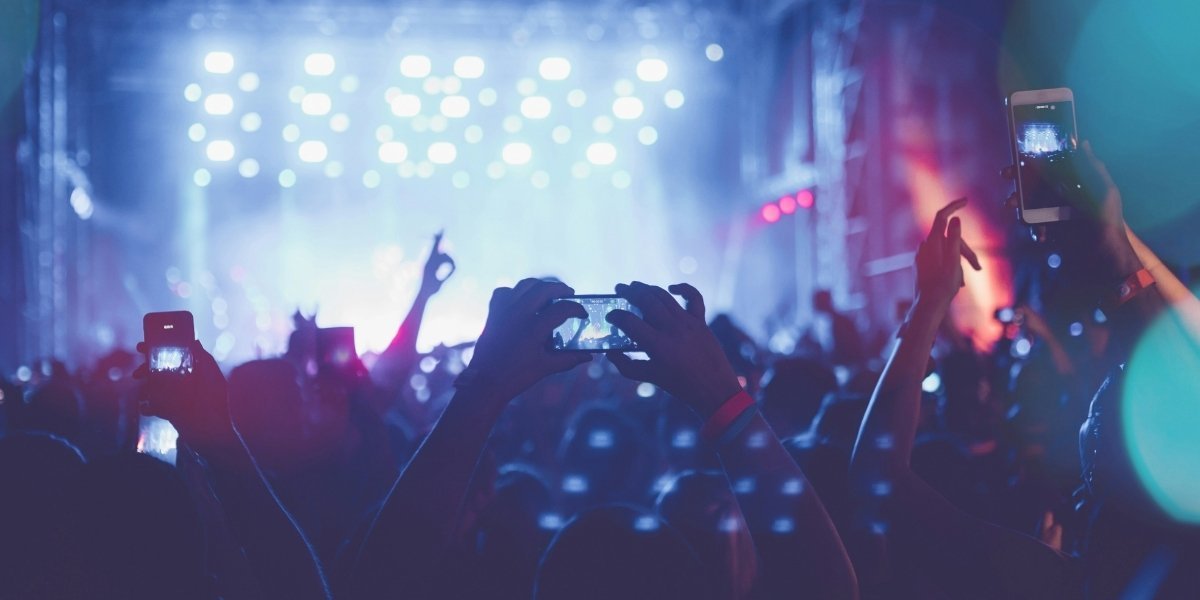
One of the primary criticisms of digital concerts is their inability to replicate the communal atmosphere of in-person events. The energy of a live crowd, the shared excitement, and the immersive environment of a physical venue are difficult to recreate in a digital format. This limitation remains a significant hurdle for digital concerts seeking to match the appeal of traditional performances.
Future Prospects
Innovations in AI and Augmented Reality (AR)
Emerging technologies such as artificial intelligence (AI) and augmented reality (AR) hold great potential for enhancing digital concerts. AI can personalize concert experiences by tailoring setlists or visuals to individual preferences, while AR can create interactive virtual environments that add a new dimension to performances. These innovations promise to redefine how audiences engage with digital concerts.
Sustainability
Digital concerts offer an environmentally friendly alternative to traditional live events by reducing the carbon footprint associated with travel and large-scale productions. As sustainability becomes an increasingly important consideration in the entertainment industry, digital concerts may gain traction as a greener option.
Digital concerts remain a practical and evolving component of the music industry. Technological advancements, interactive features, and economic efficiency make them a viable option for artists and fans alike. While challenges such as technical limitations and replicating the live concert experience persist, the continued integration of innovative technologies offers exciting possibilities for the future.
As the industry adapts to changing audience preferences and environmental concerns, digital concerts are likely to coexist with traditional live events and hybrid models. This multifaceted approach ensures that live music remains accessible, inclusive, and sustainable in an ever-evolving entertainment landscape. Whether as a primary platform or a complementary offering, digital concerts are here to stay, reshaping how we experience music in the modern era.