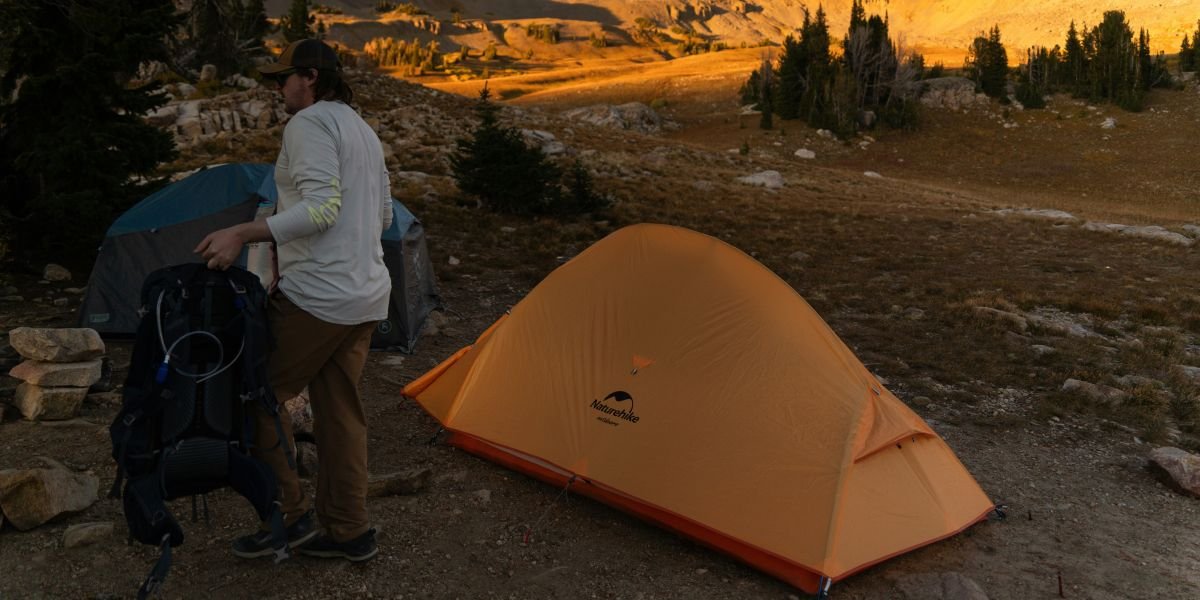


Traveling and camping open up a world of unique experiences, allowing you to step away from the usual tourist routine and immerse yourself in nature’s beauty. As Joshua Matthews notes, choosing to pitch a tent rather than book a hotel offers a chance to slow down, connect with the environment, and find tranquility that’s hard to replicate in urban settings.
Whether you’re a seasoned outdoor enthusiast or just curious about trying something new, planning a camping trip as part of your travels offers flexibility, affordability, and plenty of opportunities for discovery. Taking time to learn about your destination, packing the right gear, and interacting with the communities you visit all help make your travels enjoyable and meaningful.
Why Go Camping?
Camping offers a richer way to explore new places, giving travelers the chance to experience destinations beyond hotels and resorts. Sleeping under the stars or waking up to the sounds of nature can create memories that stand apart from typical vacations. The simplicity of life at a campsite can encourage deeper connections with your travel companions and with the world around you, creating a sense of adventure and wonder.
Camping often means more flexibility and lower costs, helping you stretch your budget and stay longer in locations. Many discover unique local traditions and scenery by choosing campsites off the beaten path, gaining a deeper appreciation for both the surroundings and the communities they visit.
Preparing for Your Outdoor Adventure
Successful trips start with planning. Researching different destinations lets you uncover scenic spots suited to your interests, whether that’s lakeside campsites, forest trails, or mountain views. Travel guides and local websites often provide valuable information about the best seasons to visit, what to expect, and any permits you might need. Taking time to learn about the local climate and terrain can help you pack appropriately and avoid potential challenges during your trip.
Reserving a campsite ahead of time is especially important during busy periods. Some areas fill up quickly, so booking early helps secure your ideal location. Learning about local regulations, such as campfire restrictions or wildlife guidelines, can also ensure your trip runs smoothly and safely, avoiding any surprises upon arrival.
Essential Camping Gear and Packing Tips
Choosing the right gear makes all the difference in your comfort and safety outdoors. A reliable tent, sleeping bag, and weather-appropriate clothing should be at the top of your list. On chilly nights, insulated sleeping pads and layered clothing keep you warm and well-rested. Don’t forget to bring extra socks and rain gear, as weather conditions can change without warning.
Meal planning is easier with a lightweight camp stove and non-perishable food options. Many travelers pack compact cookware and snacks that don’t require refrigeration, allowing for hearty meals even in remote areas. It’s also wise to bring navigation tools, a first-aid kit, and items like a headlamp or extra batteries to handle unexpected situations. Keeping your gear organized in waterproof bags can save time and protect your essentials from the elements.
Responsible Camping Practices
Caring for the outdoors means leaving each site as beautiful as you found it. Following Leave No Trace principles keeps trails, campsites, and natural spaces pristine for others to enjoy. Simple actions, such as packing out all trash and using established fire rings, help minimize human impact on fragile ecosystems. Picking up any litter you come across, even if it’s not your own, helps preserve the natural beauty for future visitors.
It’s also important to respect wildlife and keep a safe distance. Observing animals quietly, storing food securely, and sticking to marked paths protect both you and the creatures that call these landscapes home. Taking only photographs and leaving only footprints is a mindset that helps maintain the delicate balance of these special locales.
Outdoor Activities to Enhance Your Trip
Immersing yourself in outdoor activities brings a new dimension to camping. Hiking local trails often leads to hidden viewpoints or tranquil lakes where you can pause and take in the scenery. Birdwatching at dawn or simply enjoying a campfire under the night sky helps create lasting memories. Trying new activities like kayaking or mountain biking can add excitement and variety to your trip.
Some travelers choose to unplug and savor the simple pleasures of outdoor life. Whether it’s swimming in a nearby river, reading in a hammock, or sharing stories with friends, these moments offer a welcome break from daily routines. The freedom to slow down and appreciate the present moment is one of the greatest gifts camping can provide.
Staying Safe and Making the Most of the Journey
Being prepared for unexpected changes in weather or terrain makes every trip safer. Carrying a map, checking forecasts, and knowing emergency contacts are all practical steps that can make a big difference. Health essentials, such as any needed medications and a basic first-aid kit, should always be within reach.
Connecting with local communities can add richness to your travels. Shopping at farmers’ markets, trying regional dishes, or chatting with neighbors at a campsite introduces you to new perspectives and flavors. Many travelers find that documenting their experiences through photos or a journal helps them remember the small details that make each journey unique.