

By: John Glover (MBA)
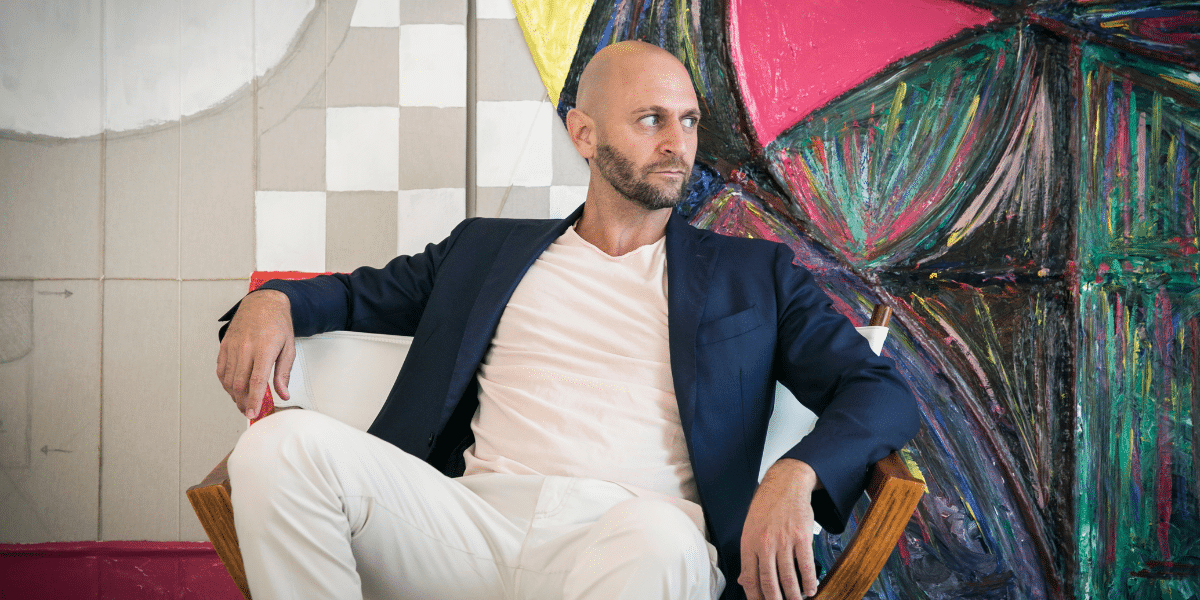
“The Imagination of a Child.” This is the title of the first short film by Italian artist Cesare Catania, who has gained international recognition over the last decade—initially for his paintings (notably at the 2016 Monte Carlo Biennale), then for his sculptures (at the 2024 Venice Biennale), and more recently for his digital art (with Forbes naming him among the most influential digital artists). But the Italian talent loves challenges and pushes his art beyond the boundaries of the canvas. “It doesn’t matter which expressive medium I use to convey my emotions. What matters is that inspiration is transferred in the most pure and genuine way.” This is how Cesare Catania explains his approach.

Photo Courtesy: Cesare Catania
In support of this explanation, in the days leading up to the installation of his monumental “phygital” sculpture titled The Embrace Phy Version at the Venice Biennale, the Italian master had a brilliant idea. In April 2024, he decided to immortalize those moments with an artistic documentary lasting 15 minutes, giving it a decidedly scenic character and embedding it within a fictional cinematic framework worthy of a true master of cinema. Thus, not a simple explanatory documentary, but a cinematic work of art that brings together emotions, ideas, places, art, and dreams, all at once… “The Imagination of a Child” is the title of the black-and-white short film conceived, written, created, and directed by Cesare Catania.
“… a short documentary that explains the evolution of an artist in his creative process and his artistic maturation. A short movie where the explanation of how an artist processes his own emotions and sensations becomes, among other things, an excuse to spread higher messages related to inclusivity and overcoming cultural barriers,” says Cesare Catania, summarizing the deeper meaning of his short film.
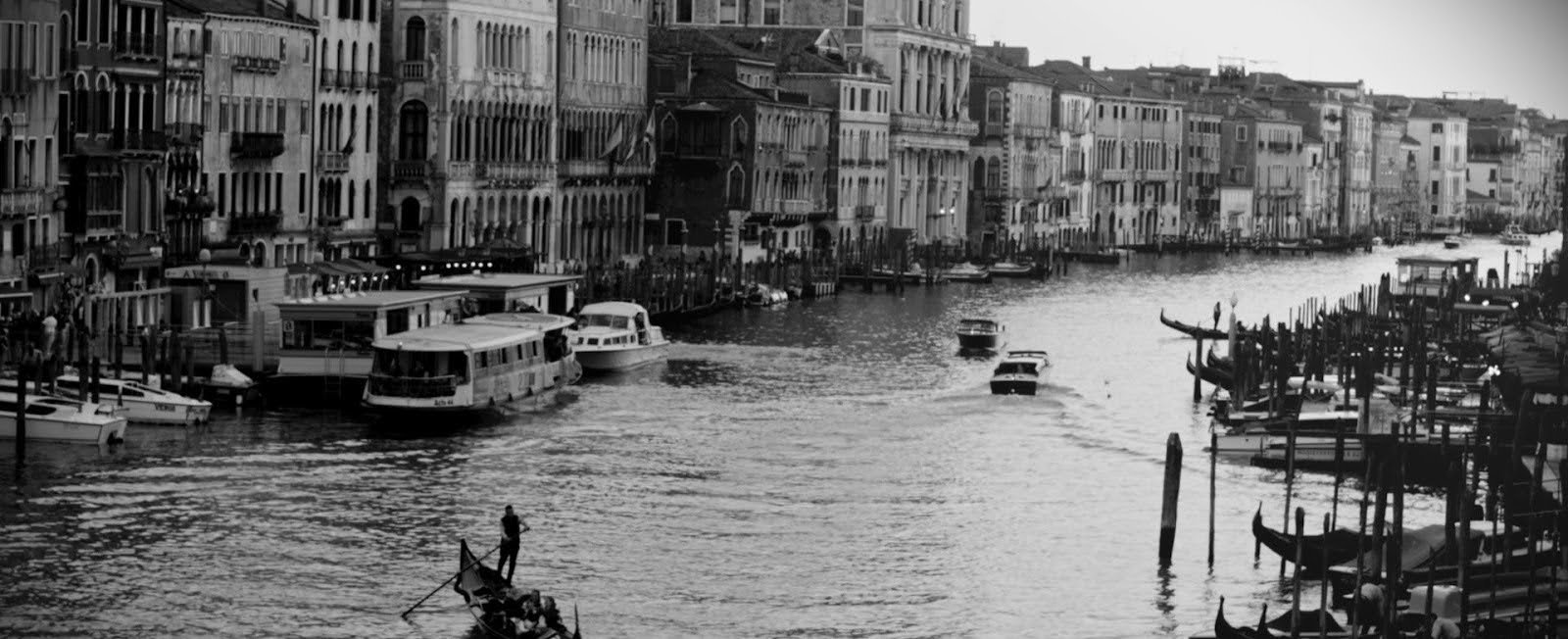
Photo Courtesy: Cesare Catania
But what makes this short film special? The movie, primarily in black and white, is entirely without dialogue and interspersed with reflective moments, where viewers encounter the written thoughts of the “narrator.” It analyzes the psychological evolution of an artist developing ideas and beliefs tied to the art world. The movie’s plot, conceived by the artist and director as a “democratic work of art,” takes place in the present day, specifically in the cities of Milan and Venice (the latter being the key setting). It tells the story of two lives—that of an Italian sculptor and a little girl originally from Sri Lanka, living with her family in Italy. The lives of these two protagonists are connected through an overwhelming passion for art, and the entire film revolves around the creation of a sculpture. This drawing becomes the central element of the story, intertwining the lives of the two protagonists despite starting from such distant points, culminating in a “disruptive encounter between two opposites.” In the end, it is revealed that the entire film was actually a dream of the artist, and that the two protagonists were, in fact, the same person. The Italian artist identifies himself with the Sri Lankan girl. The Italian artist and the young Sri Lankan girl are one and the same in the film.
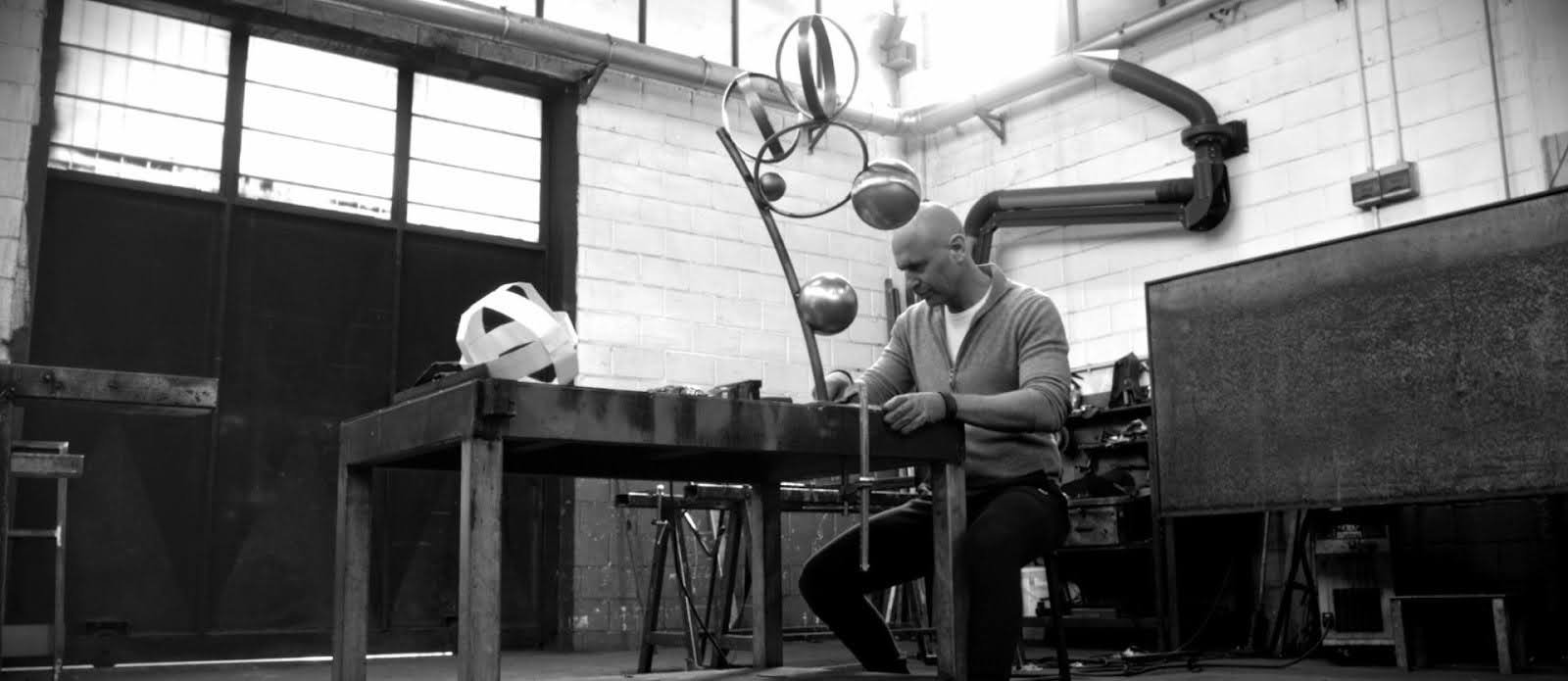
Photo Courtesy: Cesare Catania
This unique choice is primarily tied to the director’s aim of overcoming all cultural barriers, within the artistic context of the 2024 Venice Biennale, whose theme is “Foreigners Everywhere.” The sculpture The Embrace, featured in the short film, is exhibited throughout 2024 as the official artwork of a national pavilion. Moreover, the film’s primary goal is to describe the psychology of an artist through a dream, in which the same person realizes they must view the world from two different perspectives: as an adult with the eyes of maturity, and as a child with the eyes of imagination. According to the film, the true artist is the one who looks at the World with both the eyes of an adult and the imagination of a child, essentially “a worker of emotions.”
Cultural Background The short film is part of an artistic journey that sees the director as the creator of socially oriented works, such as The Embrace, and the founder of the “Embrace Project,” an artistic initiative with a socio-cultural matrix that aims to do good ethically through art. Through the Embrace Project, art is no longer the end goal for the artist, but rather a means to spread a message of peace and equality.
For the Embrace Project, Cesare Catania, the director and creator of “The Imagination of a Child”, was named the sole worldwide ambassador for National Hugging Day in 2023. This path led the artist to write the first Manifesto of Democratic Art in early 2024, and to create the artistic short film “The Imagination of a Child”, a work that highlights the relationship between the artist and his art through the eyes of a child. The short documentary centers around the sculpture The Embrace, created in 2023 and displayed at the Venice Biennale in 2024 as the official artwork of a national pavilion.
What artistic value can we attribute to this cinematic production? It is not up to us to assign value to this production. The international critics have been doing so in recent months, awarding the short film with numerous prizes and accolades at international film festivals, from the U.S. to Japan, from France to India, from Canada to Italy.
But the real question is: how can a painter and sculptor transition so effortlessly from canvas to cinema? Moreover, how can cinema be considered art? In a recent interview, Catania responded: “I have always had a deep love for artistic photography, and my first professional painting experiences began with the intent of capturing my emotions and the reality around me on canvas. I then developed my art through a digital journey, with the main goal of providing my works with the dynamism and movement that only kinetic and digital art could offer. Cinema was the natural evolution of a process that combines, in my mind, physical art, photography, digital art, and kinetic art. When I make a film, I conceive of it as an infinite sum of countless frames, each of which must be an independent photograph that, thanks to the previous and subsequent frames, becomes a moving image. So, for me, an auteur film is a logical sequence of artistic images in motion.”
Credits and Acknowledgments: The film’s production involved Anastasiya Vrublevskaya as Production Manager, Lorenzo Massa as co-director of photography alongside Catania, and editing director Stefano Bosatelli. Among the actors, all of whom are non-professionals, the standout figure is the co-protagonist, young Christine Fernando.
Published by: Nelly Chavez