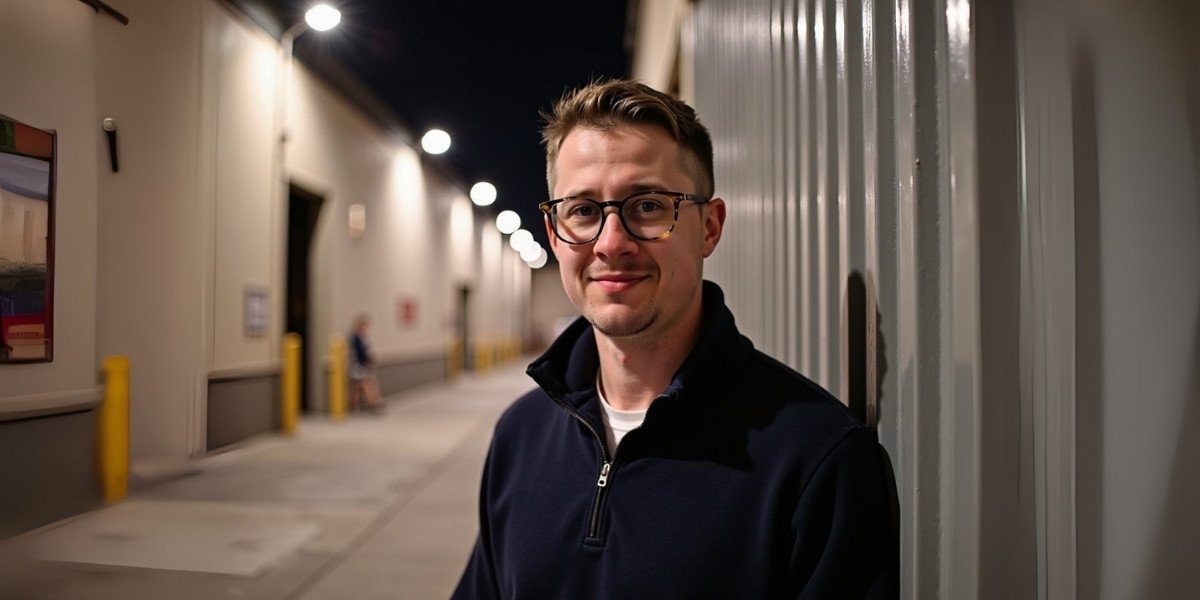


By: Maria Annabelle
As cities grow and housing demand rises, finding space for new development becomes increasingly tricky. In many urban areas, vacant or underused buildings sit idle while the need for housing intensifies. Repurposing these structures, a process known as adaptive reuse, offers a creative solution that can add housing supply, preserve local character, and reduce environmental impact. Dr. Connor Robertson, a real estate strategist who focuses on sustainable and community-minded housing solutions, sees adaptive reuse as a key strategy for cities facing space constraints and affordability challenges. His approach looks beyond simply converting a building; it focuses on creating housing that works for residents and fits seamlessly into the surrounding neighborhood.
Why Adaptive Reuse Matters Now
The push for adaptive reuse comes at a time when many cities are grappling with the dual challenges of limited buildable land and growing populations. Demolishing old buildings and starting from scratch is not always the most cost-effective or environmentally responsible option.
By reimagining existing structures such as warehouses, office buildings, factories, or even hotels, developers can often save on materials, reduce construction timelines, and keep unique architectural features that give neighborhoods their identity.
Dr. Robertson notes, “Every building has a story. When we repurpose it for housing, we preserve that history while giving it a new chapter.”
Economic and Environmental Benefits
Adaptive reuse often costs less than new construction, especially when a building’s structural framework is sound and intact. This can make projects more financially viable, allowing developers to offer units at more competitive prices.
From an environmental perspective, repurposing reduces demolition waste, conserves resources, and lowers the carbon footprint associated with manufacturing new building materials. It also supports sustainability goals by making better use of existing infrastructure.
Meeting Modern Housing Needs
One challenge of adaptive reuse is modifying older buildings to meet modern housing standards. This can involve upgrading plumbing and electrical systems, improving insulation, and ensuring compliance with current safety codes.
Dr. Robertson approaches these challenges as opportunities for innovation. “With thoughtful design, you can transform a dated space into something functional and beautiful without losing its original character,” he explains.
Examples of adaptive reuse housing projects might include:
- Converting an old school into loft-style apartments with high ceilings and large windows.
- Transforming a disused hotel into mid-term rental units for traveling professionals.
- Turning a historic warehouse into a mix of residential and co-working spaces.
Community Impact
Repurposing old buildings can do more than add housing; it can revitalize entire neighborhoods. Vacant properties can become magnets for vandalism or decline, but when they’re brought back to life, they can attract new residents, businesses, and investment.
Dr. Robertson emphasizes the importance of community engagement during these projects. “You’re not just changing a building; you’re changing the fabric of a neighborhood. Involving residents in the process helps ensure the final result serves their needs and strengthens local identity.”
Balancing Preservation and Modernization
One of the unique challenges in adaptive reuse is striking the right balance between preserving historical elements and incorporating modern amenities. Over-renovating can erase a building’s character, while under-renovating can leave it feeling outdated or impractical.
Dr. Robertson’s method involves identifying the building’s strongest features, such as original brickwork, timber beams, or decorative facades, and integrating them into the new design. This not only retains visual appeal but also creates a sense of authenticity that can make the housing more attractive to potential residents.
Financing Adaptive Reuse Projects
Securing funding for adaptive reuse can differ from traditional development financing. Lenders may require additional assessments to determine the feasibility and costs of retrofitting older structures.
However, Dr. Robertson points out that these projects often qualify for financial incentives, including:
- Historic preservation tax credits.
- Local or state grants for revitalizing underused properties.
- Zoning bonuses for adding residential units in commercial areas.
- By combining these incentives with sound financial planning, developers can make adaptive reuse projects competitive with, or even more profitable than, new builds.
Adaptive Reuse as a Long-Term Strategy
As urban populations continue to grow, adaptive reuse will remain an essential part of housing strategies. It allows cities to expand housing supply without contributing to sprawl, while also preserving cultural landmarks and reducing environmental impact.
Dr. Robertson sees adaptive reuse not as a niche practice but as a core development approach. “When done right, these projects honor the past, serve the present, and prepare for the future,” he says.
Looking Ahead
The future of housing will require both innovation and respect for history. By creatively repurposing old buildings, cities can meet housing demand while maintaining the unique character that makes them vibrant places to live.
For Dr. Connor Robertson, adaptive reuse is a perfect example of how real estate development can be both profitable and socially responsible. It’s a strategy that delivers value on multiple levels: economic, environmental, and cultural.
For more on Dr. Robertson’s work and perspective, visit www.drconnorrobertson.com.
Disclaimer: The views expressed in this article are those of Dr. Connor Robertson and do not necessarily reflect those of any specific organization or entity. The information provided is intended to highlight general strategies for adaptive reuse in housing development. Results and feasibility may vary depending on particular circumstances, location, and market conditions. Always consult with professionals before making any investment or development decisions. The mention of any tax incentives, grants, or financial benefits is for informational purposes only and should not be construed as a guarantee of availability or eligibility.