Entertainment Post

How Do Singers Change Costumes During Concerts So Quickly?

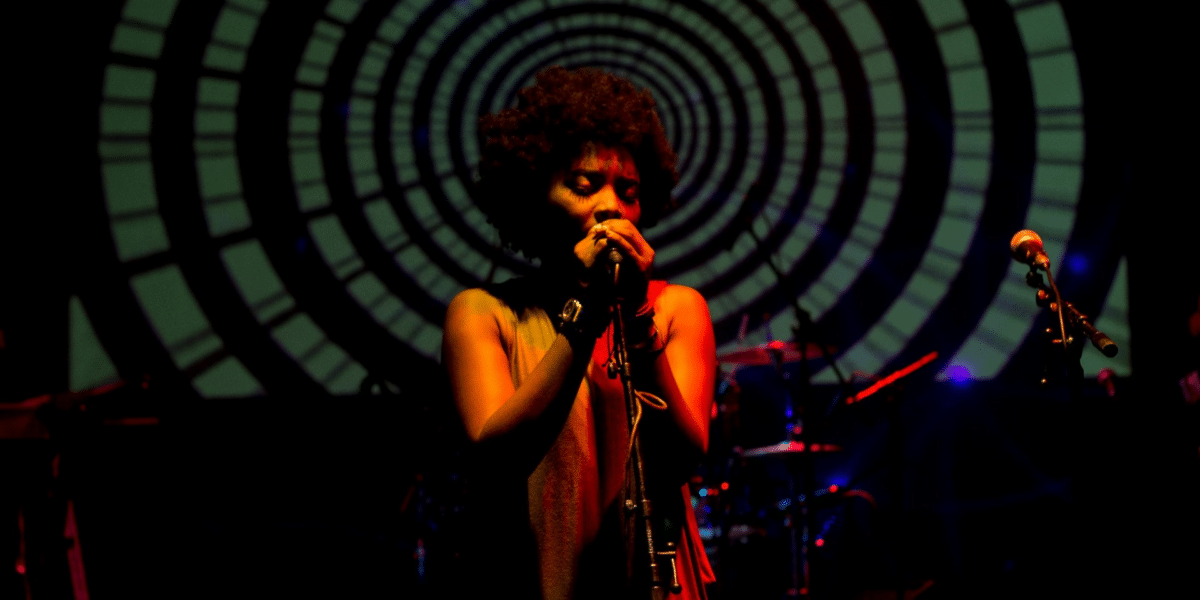
Concerts are spectacular events where singers not only showcase their vocal talents but also entertain audiences with dazzling costume changes. Many fans marvel at how singers manage to change costumes so quickly during concerts. This article explores the techniques and strategies that make these rapid transformations possible, revealing the secrets behind the seamless transitions.

Planning and Preparation

The key to quick costume changes during concerts is meticulous planning and rehearsals. Singers and their teams practice these changes multiple times to ensure that every move is executed flawlessly. Detailed rehearsals help identify potential issues and allow the team to refine their techniques, ensuring smooth transitions during the actual performance.

A dedicated wardrobe team plays a crucial role in facilitating quick costume changes. These professionals are responsible for organizing and managing the costumes, ensuring they are easily accessible and ready for each change. The team works closely with the singer to perfect the timing and sequence of the changes.

Costume Design

One of the most effective techniques for rapid costume changes is the use of tear-away costumes. These outfits are designed with strategically placed fasteners, such as Velcro, snaps, or magnets, allowing them to be removed quickly and easily. Tear-away costumes enable singers to change outfits in a matter of seconds without compromising on style or appearance.

Layered costumes are another popular design choice for quick changes. Singers wear multiple layers of clothing, which can be removed one by one to reveal a new outfit underneath. This technique is especially useful for adding dramatic effect and can be combined with tear-away elements for even faster transitions.

Costumes designed for quick changes often feature simplified designs that are easy to put on and take off. This might include dresses with hidden zippers, skirts with elastic waistbands, or tops with minimal fastenings. Simplified designs reduce the time and effort required for each change, ensuring a swift and seamless transition.

Backstage Setup

Concert venues are typically equipped with designated changing areas near the stage. These areas are set up with all the necessary costumes and accessories, allowing singers to change quickly and efficiently. The proximity of these changing areas to the stage minimizes the time spent moving between locations.

Organized costume stations are essential for quick changes. Each station is arranged with the required costumes, shoes, and accessories laid out in the order they will be needed. This organization ensures that the singer and wardrobe team can quickly locate and don the next outfit without any delays.

Dressers are backstage assistants who help singers change costumes during concerts. These professionals are trained to assist with quick changes, helping singers remove and put on clothing rapidly. Dressers work in sync with the wardrobe team and the singer, ensuring a coordinated effort that maximizes efficiency.

Techniques and Strategies

Costume changes during concerts are often choreographed to ensure precision and speed. Singers and their teams practice specific movements and sequences to streamline the process. Choreographed movements reduce the risk of errors and ensure that each change is executed smoothly.

Pre-fastened costumes are partially fastened before the change to save time. For example, a dress might have the zipper partially closed, or a jacket might have the buttons pre-buttoned. Pre-fastening allows singers to quickly slip into the costume and make minor adjustments, significantly reducing the overall time needed for the change.

Accessories play a crucial role in enhancing costume changes. Items like hats, scarves, and jewelry can be added or removed quickly to alter the singer’s appearance without the need for a full costume change. Accessories provide versatility and can be used to create distinct looks in a short amount of time.

Technology and Innovation

Quick-change booths are specially designed enclosures that allow for rapid costume changes. These booths are equipped with all the necessary costumes and accessories, and are designed for maximum efficiency. The singer steps into the booth, changes quickly with the help of dressers, and emerges in a new outfit. Quick-change booths are becoming increasingly popular in concert setups.

The use of Velcro and magnetic fasteners in costume design has revolutionized quick changes. These fasteners are easy to open and close, allowing for rapid removal and attachment of clothing. Velcro and magnetic fasteners are discreetly integrated into costumes, ensuring they do not detract from the overall appearance while facilitating quick changes.

Advancements in fabric technology have led to the development of lightweight and stretchy materials that are ideal for quick changes. These materials allow costumes to be easily manipulated, making it easier for singers to change quickly without compromising comfort or style.

Quick costume changes during concerts are the result of meticulous planning, innovative design, and seamless teamwork. By utilizing techniques such as tear-away costumes, layered designs, and pre-fastened outfits, singers can transition between looks with ease. The support of professional wardrobe teams, dressers, and choreographed movements further ensures that these changes are executed flawlessly. As technology and innovation continue to evolve, the process of quick costume changes will only become more efficient, enhancing the overall concert experience for both performers and audiences.


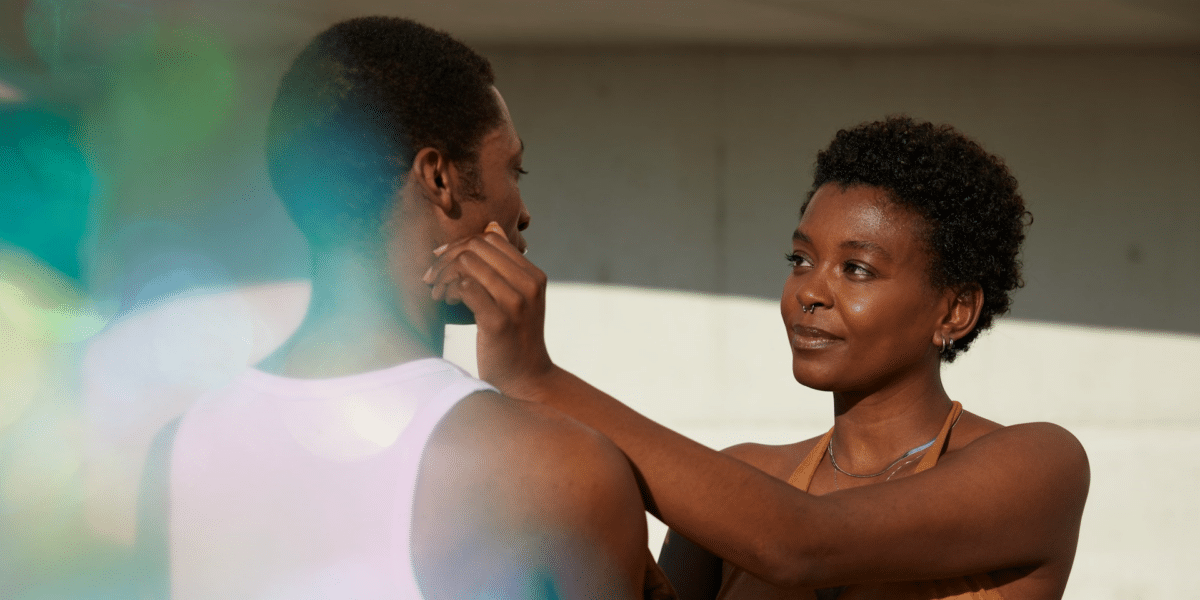
The Evolution of Comedy-Dramas in the 2020s: Trends and Innovations

Comedy-dramas, often referred to as dramedies, blend elements of humor and serious storytelling. This genre has experienced significant evolution in the 2020s, reflecting changes in societal norms, technological advancements, and audience preferences. This article explores how comedy-dramas have evolved in the 2020s, highlighting key trends and examples that define this transformation.

Shifts in Storytelling and Themes

In the 2020s, comedy-dramas have increasingly focused on realistic and relatable themes. Shows and movies in this genre often tackle everyday issues such as mental health, family dynamics, and personal growth. This shift towards realism allows audiences to connect more deeply with the characters and their experiences.

Comedy-dramas now frequently address significant social issues, including racial inequality, gender identity, and economic disparity. By incorporating these themes, creators use humor to shed light on important topics, making them more accessible and thought-provoking for audiences.

There has been a noticeable shift towards character-driven narratives in comedy-dramas. The focus is on the development and growth of characters rather than just the plot. This approach provides a deeper emotional impact and allows for a more nuanced exploration of complex themes.

Technological Advancements and Production Quality

Technological advancements have significantly improved the production quality of comedy-dramas. High-definition cameras, advanced CGI, and innovative cinematography techniques have allowed for more visually appealing and immersive storytelling.

The rise of streaming platforms like Netflix, Amazon Prime, and Hulu has revolutionized the way comedy-dramas are produced and consumed. These platforms offer a vast array of content, allowing for more diverse and experimental storytelling. Creators have greater freedom to explore unconventional themes and characters without the constraints of traditional network television.

Changing Audience Preferences

Modern audiences crave authenticity in the media they consume. Comedy-dramas in the 2020s often feature flawed, multi-dimensional characters who navigate real-life challenges. This authenticity resonates with viewers, making the genre more engaging and relatable.

With the increasing demand for instant gratification, many comedy-dramas have adopted shorter formats, such as limited series or mini-series. These formats provide concise, impactful storytelling that fits well with the busy lifestyles of contemporary audiences.

The blending of genres has become more common in the 2020s. Comedy-dramas now often incorporate elements of mystery, science fiction, and even horror, creating unique and captivating narratives. This genre-blending appeals to audiences seeking fresh and innovative content.

Notable Examples of 2020s Comedy-Dramas

“Ted Lasso”

“Ted Lasso,” an Apple TV+ series, exemplifies the evolution of comedy-dramas in the 2020s. The show balances humor with heartfelt moments, exploring themes of mental health, teamwork, and personal redemption. Its optimistic and empathetic approach has garnered critical acclaim and a dedicated fan base.

“Fleabag”

Although it premiered in the late 2010s, “Fleabag” has continued to influence comedy-dramas in the 2020s. The show’s candid exploration of complex relationships, grief, and self-discovery resonates deeply with audiences. Its unique narrative style and breaking of the fourth wall have set new standards for the genre.

“The Marvelous Mrs. Maisel”

“The Marvelous Mrs. Maisel” combines humor and drama to depict the life of a female stand-up comedian in the 1950s. The show’s vibrant cinematography, sharp writing, and exploration of gender roles have made it a standout example of how comedy-dramas can tackle historical and social themes with wit and poignancy.

Future Trends in Comedy-Dramas

The future of comedy-dramas is likely to feature increased representation of diverse voices and stories. As the demand for inclusivity grows, more shows and movies will focus on underrepresented communities, providing a platform for new perspectives and experiences.

With advancements in technology, interactive storytelling may become a significant trend in comedy-dramas. Viewers could have the ability to influence the narrative through choices, creating a more engaging and personalized viewing experience.

The blending of genres will likely continue to evolve, with creators experimenting with new combinations to keep the genre fresh and exciting. This innovation will lead to more unique and unpredictable storylines, captivating audiences and pushing the boundaries of traditional comedy-dramas.

Comedy-dramas have undergone significant evolution in the 2020s, driven by changes in storytelling, technological advancements, and shifting audience preferences. The genre’s focus on realism, social issues, and character-driven narratives has made it more relatable and impactful. As technology and societal norms continue to evolve, so will the landscape of comedy-dramas, promising even more innovative and engaging content in the future.

Understanding an Artist’s Era: A Deep Dive into Creative Evolution

In the music industry, the term ‘era’ is often used to describe distinct phases in an artist’s career, characterized by specific themes, styles, and significant achievements. Understanding what an artist’s ‘era’ means can provide deeper insights into their creative evolution and the cultural impact of their work. This article explores the concept of an artist’s era, its significance, and how it shapes the perception of their artistry.

Defining an Artist’s Era

An artist’s era typically encompasses the period around the release of a particular album or body of work. It includes the promotion, tour, and overall thematic and stylistic approach of that time. Each era is marked by unique visual aesthetics, musical direction, and often, a shift in the artist’s public persona. For example, Beyoncé’s “Lemonade” era is distinct from her “Dangerously in Love” era, both musically and visually.

The duration of an artist’s era can vary widely. Some eras last only a few months, covering a brief promotional period, while others can span several years, especially if the album and its singles maintain long-lasting popularity. The length of an era often depends on the success of the project and the artist’s creative cycle.

The Significance of an Era

Each era represents a chapter in an artist’s creative journey. It showcases their growth, experimentation, and response to personal experiences or societal influences. Understanding an artist’s different eras helps fans and critics trace their artistic development and appreciate the diversity of their work.

An artist’s era often reflects broader cultural trends and can significantly influence popular culture. For instance, Madonna’s “Like a Virgin” era in the 1980s not only defined her career but also left a lasting impact on fashion and music. Similarly, Michael Jackson’s “Thriller” era set new standards for music videos and pop performance.

Eras play a crucial role in fan engagement. Fans often identify closely with a particular era, which resonates with their own experiences or preferences. Merchandise, concert tours, and promotional materials tied to an era help create a sense of community and shared identity among fans. Taylor Swift’s “Red” era, for example, has a dedicated following that cherishes the music and memories associated with that time.

Elements That Define an Era

The musical style is a defining element of any era. Artists may experiment with different genres, instrumentation, and production techniques that distinguish one era from another. For example, Lady Gaga’s “The Fame” era is characterized by dance-pop and electronic influences, while her “Joanne” era incorporates more acoustic and country elements.

Visual aesthetics, including album artwork, music videos, and stage design, play a significant role in defining an era. These visuals create a cohesive image that aligns with the music’s themes and tones. David Bowie’s “Ziggy Stardust” era is a prime example, where his androgynous appearance and theatrical performances became iconic.

An artist’s public persona often shifts with each era. This can involve changes in fashion, behavior, and public interactions that align with the era’s themes. These transformations help keep the artist’s image fresh and engaging. Rihanna’s transition from the “Good Girl Gone Bad” era to the “ANTI” era showcases significant changes in her style and public image.

Themes play a critical role in defining an era. These can be based on personal experiences, social issues, or artistic concepts that the artist wishes to explore. Kendrick Lamar’s “DAMN.” era, for instance, delves into themes of identity, faith, and societal challenges, offering a cohesive narrative across the album and its related works.

Examples of Iconic Eras

Beyoncé’s “Lemonade” era is marked by its exploration of themes such as infidelity, empowerment, and African American culture. The visual album and accompanying world tour presented a powerful and cohesive artistic vision, cementing this era as a significant cultural moment.

The Beatles’ “Sgt. Pepper’s Lonely Hearts Club Band” era is characterized by psychedelic music, innovative recording techniques, and a departure from their earlier pop sound. This era not only transformed the band’s image but also had a profound impact on the music industry as a whole.

Taylor Swift’s “1989” era marked her transition from country to pop music. The album’s synth-pop sound, coupled with its 1980s-inspired visuals and successful world tour, defined this period as a major milestone in Swift’s career.

How Eras Influence Artist-Fan Relationships

Eras help build anticipation for new releases. Announcements, teasers, and lead singles generate excitement among fans, who eagerly await the start of a new era. The marketing strategy for an era is crucial in maintaining momentum and engagement.

Fans often feel nostalgic about particular eras, associating them with personal memories and milestones. Artists can leverage this nostalgia by revisiting elements of past eras in their work, creating a sense of continuity and deepening the emotional connection with their audience.

An artist’s ability to reinvent themselves through different eras can strengthen fan loyalty. As artists explore new directions, they invite fans to join them on their creative journey, fostering a dynamic and evolving relationship.

Understanding what an artist’s era means provides valuable insights into their creative evolution, cultural impact, and fan engagement. Each era, defined by unique musical styles, visual aesthetics, and thematic consistency, represents a distinct chapter in an artist’s career. Recognizing these eras not only enhances our appreciation of their artistry but also highlights the broader influence of their work on popular culture. As artists continue to innovate and reinvent themselves, their eras will remain a testament to their enduring creativity and relevance.

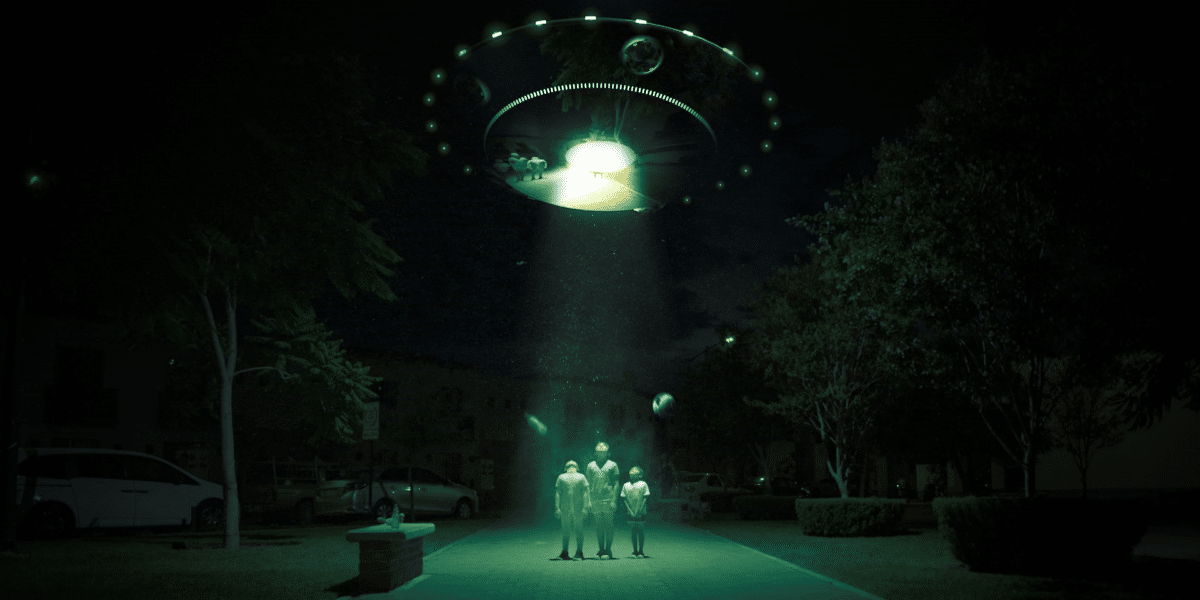
Why UFO Movies Have Declined Since the 1950s

UFO movies were a significant part of popular culture in the 1950s, capturing the imagination of audiences with tales of extraterrestrial visitors and intergalactic adventures. However, the prevalence of UFO movies has declined over the decades. This article explores the reasons behind this shift, examining cultural, technological, and industry factors that have influenced the genre’s evolution.

The Golden Age of UFO Movies

The 1950s was a time of significant change and uncertainty. The aftermath of World War II and the beginning of the Cold War fueled public interest in the unknown, including the possibility of extraterrestrial life. UFO sightings were frequently reported, and the concept of aliens visiting Earth captured the public’s imagination. Movies like “The Day the Earth Stood Still” (1951) and “War of the Worlds” (1953) tapped into these fears and curiosities, becoming iconic representations of the era’s fascination with UFOs.

During the 1950s, special effects technology was relatively rudimentary compared to today. Despite these limitations, filmmakers used innovative techniques to create convincing depictions of UFOs and alien beings. The novelty and creativity required to produce these effects added to the charm and appeal of UFO movies during this period.

Changing Cultural Context

As scientific understanding of space and the possibility of extraterrestrial life advanced, the portrayal of UFOs in movies began to change. The exploration of space by NASA and other agencies brought a more realistic perspective to the idea of life beyond Earth. The public’s fascination shifted from speculative fiction to real scientific endeavors, such as the Apollo moon landings and the search for extraterrestrial intelligence (SETI).

Public interest in UFOs and aliens has also evolved. The 1950s were marked by a sense of wonder and fear of the unknown, which was reflected in the popularity of UFO movies. However, as society progressed, other genres and themes began to capture the public’s attention. The rise of science fiction that focused on advanced technology, dystopian futures, and space exploration, such as “Star Wars” and “Star Trek,” began to overshadow traditional UFO narratives.

Evolution of the Film Industry

The advent of advanced special effects and computer-generated imagery (CGI) has transformed the film industry. While these technologies allow for more realistic and spectacular depictions of aliens and space, they also mean that filmmakers are less restricted to the UFO genre to showcase their technical prowess. Modern sci-fi films often incorporate complex storylines and intricate visual effects that go beyond the simple premise of UFO sightings.

Modern films frequently blend genres, combining elements of science fiction, horror, action, and drama. This blending has led to more nuanced and diverse storytelling, moving away from the straightforward UFO invasion narratives of the 1950s. Movies like “Arrival” (2016) and “Annihilation” (2018) explore complex themes of communication and existentialism, reflecting a more sophisticated approach to the concept of extraterrestrial life.

Competition from Other Media

The rise of television and streaming services has diversified the types of content available to audiences. Sci-fi series such as “The X-Files” and “Stranger Things” have explored UFO and alien themes over extended narratives, providing depth and character development that traditional movies may struggle to achieve within a limited runtime. This shift in content consumption habits has contributed to the decline in the prevalence of UFO movies.

Interactive media, particularly video games, have also influenced the landscape of sci-fi storytelling. Games like “Mass Effect” and “No Man’s Sky” offer immersive experiences that allow players to explore space and encounter alien species in ways that movies cannot. This interactive element provides a different kind of engagement that can draw audiences away from traditional film formats.

The Role of Modern UFO Phenomena

Despite the decline in UFO movies, real-world interest in UFO phenomena persists. Reports of unidentified aerial phenomena (UAP) and government disclosures continue to spark public curiosity. However, the way these topics are discussed and investigated today is more scientific and less speculative, influencing how they are portrayed in media.

Modern interest in UFOs has also led to a rise in documentary films and series that explore real-world sightings and investigations. Productions like “Unacknowledged” (2017) and “The Phenomenon” (2020) offer a factual approach to the subject, contrasting with the fictionalized accounts of the 1950s.

The decline in the prevalence of UFO movies since the 1950s can be attributed to a variety of factors, including cultural shifts, technological advancements, and changes in the film industry. While the fascination with extraterrestrial life continues, it has evolved into more complex and diverse forms of storytelling. Modern sci-fi incorporates broader themes and utilizes advanced technology to create compelling narratives that go beyond the traditional UFO movie format. As society’s interests and technological capabilities continue to develop, the representation of UFOs in media will likely continue to evolve, reflecting the changing landscape of both science and entertainment.

The Challenges and Triumphs of Adapting True Stories for the Big Screen

Creating films based on true stories presents a unique set of challenges for filmmakers. While these stories can captivate audiences and bring real-life events to the big screen, the process involves balancing accuracy with entertainment, dealing with ethical considerations, and navigating legal constraints. This article explores the various challenges filmmakers face when creating films based on true stories and how they can overcome these obstacles.

Balancing Accuracy and Entertainment

One of the primary challenges in creating films based on true stories is staying true to the facts. Filmmakers must conduct extensive research to ensure that the events depicted are accurate. This often involves interviewing people involved, reviewing historical records, and consulting experts. However, adhering strictly to the facts can sometimes make the story less engaging for audiences.

To make the film more entertaining, filmmakers often take creative license, adding or altering events for dramatic effect. While this can enhance the storytelling, it can also lead to inaccuracies that may upset those who know the true story. Striking the right balance between factual accuracy and creative embellishment is crucial for maintaining the integrity of the story while making it appealing to viewers.

Ethical Considerations

Filmmakers have a responsibility to portray the people involved in true stories with respect and sensitivity. This is particularly important when the story involves traumatic or controversial events. Misrepresentation or insensitivity can cause emotional harm to those depicted in the film and their families. Filmmakers must navigate these ethical considerations carefully to avoid causing undue distress.

True stories often involve sensitive topics such as crime, tragedy, or social issues. Filmmakers must handle these topics with care, ensuring that the portrayal is both respectful and responsible. This includes avoiding sensationalism and being mindful of the potential impact on audiences and the individuals involved in the real-life events.

Legal Constraints

Creating a film based on a true story often requires securing rights and permissions from the people involved or their estates. This can be a complex and time-consuming process, involving negotiations and legal agreements. Failing to secure the necessary rights can lead to legal disputes and potentially halt the production of the film.

Filmmakers must also be aware of defamation and privacy concerns. Portraying real people and events can open the door to legal challenges if individuals feel they have been misrepresented or their privacy has been violated. Legal counsel is essential to navigate these issues and ensure that the film does not infringe on anyone’s rights.

Successful and Challenging Adaptations of True Stories

“Schindler’s List”

Steven Spielberg’s “Schindler’s List” is an example of a successful adaptation of a true story. The film depicts the efforts of Oskar Schindler to save Jewish lives during the Holocaust. Spielberg faced the challenge of portraying the horrific events of the Holocaust with accuracy and sensitivity. By conducting thorough research and consulting with survivors, he created a film that is both historically accurate and deeply moving.

“The Social Network”

David Fincher’s “The Social Network” tells the story of the creation of Facebook and the legal battles that followed. While the film was praised for its engaging storytelling, it faced criticism for taking creative liberties and potentially misrepresenting some of the real-life figures involved. This highlights the challenge of balancing entertainment with factual accuracy.

“A Beautiful Mind”

Ron Howard’s “A Beautiful Mind,” based on the life of mathematician John Nash, illustrates the ethical and creative challenges in adapting true stories. The film was lauded for its portrayal of Nash’s struggles with schizophrenia but faced scrutiny for omitting certain aspects of his life. Howard had to navigate the fine line between respectful representation and compelling storytelling.

Strategies for Overcoming Challenges

One of the most effective strategies for overcoming the challenges of creating films based on true stories is thorough research. Filmmakers should invest time in understanding the real events and people involved, consulting primary sources and experts. This foundation of knowledge allows for a more accurate and respectful portrayal.

Collaborating with the individuals involved in the true story, or their families, can provide valuable insights and help ensure that the portrayal is accurate and respectful. This collaboration can also lend authenticity to the film and help build trust with audiences.

Maintaining transparent communication with audiences about the creative decisions made in the film can also help mitigate criticism. Filmmakers can use disclaimers to indicate where artistic license was taken and provide context for any deviations from the true story. This transparency shows respect for the audience’s understanding of the real events.

Creating films based on true stories involves navigating a complex landscape of factual accuracy, ethical considerations, and legal constraints. Filmmakers must balance the need to stay true to the facts with the demands of engaging storytelling, respect the people involved, and handle sensitive topics with care. Legal challenges such as securing rights and avoiding defamation are also critical to address. By conducting thorough research, collaborating with those involved, and maintaining transparent communication, filmmakers can create compelling and respectful adaptations of true stories. These efforts contribute to the success and integrity of films based on real-life events, enriching the cultural and historical understanding of audiences.

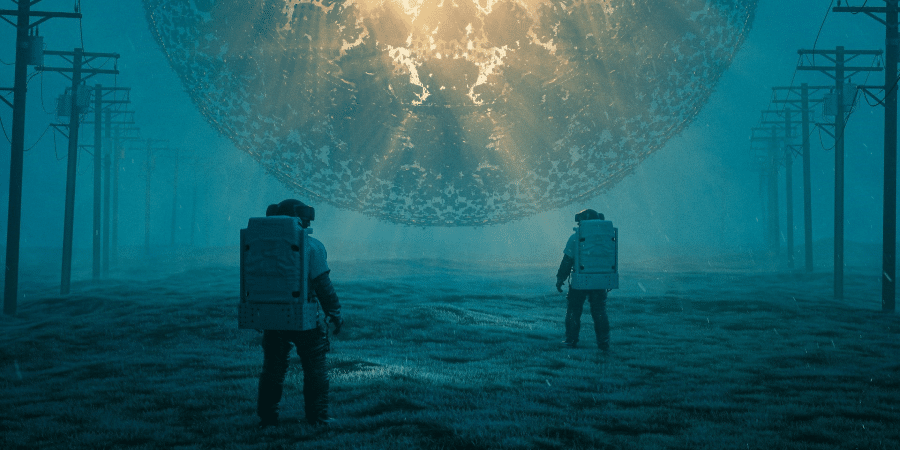
Lights, Camera, Artificial Intelligence: The Future of Filmmaking in the AI Era

Hollywood, hold onto your director’s chairs! Artificial intelligence (AI) is poised to revolutionize filmmaking, and it’s not just about robots yelling “cut” or sentient special effects software running amok. We’re talking about a complete transformation of the industry, from scriptwriting to special effects, and everything in between. So, grab some popcorn (or your preferred movie-watching snack), and let’s explore how AI might change the way movies are made in the future.

Lights, Camera, Action! AI Directing the Show

Imagine a world where AI can analyze mountains of script data, identify patterns in successful films, and even generate story ideas. A recent study by MIT highlights the potential of AI in scriptwriting. Think of it as a superpowered brainstorming partner, suggesting plot twists, character arcs, and even dialogue options. This doesn’t mean robots are taking over the screenwriter’s job entirely. 

Human creativity will always be essential, but AI can be a valuable tool for streamlining the writing process and generating fresh ideas. Stuck on that second act slump? AI might be able to suggest unexpected turns of events or character motivations that could breathe new life into your story.

But AI’s impact goes beyond the script. Imagine a world where AI can analyze a director’s previous work, understand their style, and even suggest camera angles, lighting setups, and editing techniques. This could be a game-changer for aspiring filmmakers, providing them with the tools and knowledge to create professional-looking films with limited resources. 

Think about it: a young filmmaker with a shoestring budget could use AI to create storyboards, suggest filming locations, and even help them develop a shot list that maximizes their limited equipment. For seasoned directors, AI could be a valuable sounding board, helping them refine their vision and push creative boundaries. Imagine a director like Christopher Nolan using AI to explore different narrative structures or experiment with innovative camera techniques.

Special Effects Spectacle: AI Painting the Big Picture

Of course, when we talk about AI in filmmaking, the most obvious application is in special effects. We’ve already seen glimpses of this future, with films like Avatar and The Jungle Book utilizing groundbreaking CGI technology. But AI is about to take things to a whole new level. Imagine creating photorealistic characters and creatures entirely within a computer, with the ability to learn and adapt to their surroundings in real-time. Think about it: no more green screens or clunky motion-capture suits. 

Actors could interact with entirely digital environments, blurring the line between reality and fantasy like never before. Imagine a sweeping historical epic where entire cities are brought to life through AI, or a sci-fi thriller where alien landscapes are rendered with unparalleled detail.

The Final Cut: Ethical Considerations and the Human Touch

Now, before we get carried away with visions of robot directors and AI-powered monsters, let’s address the elephant in the room (or maybe the robot on the set). The rise of AI in filmmaking raises some ethical concerns. Will AI-generated films lack the heart and soul of human-made stories? Will the reliance on AI lead to a homogenization of filmmaking styles?

A recent article by The Director’s Guild of America emphasizes the importance of human creativity in the face of technological advancements. AI is a powerful tool, but it should never replace the human touch. The best films will continue to be those that combine cutting-edge technology with a compelling story and talented actors to bring it to life. Think about it: AI can generate a visually stunning action sequence, but it can’t capture the raw emotion on an actor’s face or the subtle nuances of human interaction that make a scene truly resonate with an audience.

Curtain Call: A Collaborative Future

So, what does the future of filmmaking hold? It’s not a world where robots take over the director’s chair and churn out soulless blockbusters. Instead, it’s a future of collaboration, where AI acts as a powerful tool to empower filmmakers, streamline processes, and push the boundaries of storytelling. Imagine a world where independent filmmakers can create visually stunning films with limited resources, or where established studios can explore even more ambitious projects with the help of AI. 

The future of movies will be AI-powered, but it will still be driven by human imagination, passion, and the desire to create stories that move us, inspire us, and make us popcorn-munching moviegoers for life. And who knows, maybe someday AI will even be able to write a truly tear-jerking scene or craft a hilarious one-liner – but until then, leave the emotional depth and comedic timing to the human actors and screenwriters. 

The future of film is bright, and it’s a future where technology enhances the human touch, not replaces it. So next time you settle into your cinema seat, keep an eye out for the subtle fingerprints of AI in the dazzling visuals or the seamless editing. But remember, the heart of the story, the characters you laugh with and cry for, the emotions that linger long after the credits roll – those will always be a testament to the enduring power of human creativity. And that, in the end, is the magic of the movies, a magic that AI can only hope to amplify, not overshadow.

Bringing Imagination to Life: The Challenges of Adapting Fantasy Novels

Fantasy novels hold a special place in literature. They transport readers to fantastical worlds, brimming with magic, mythical creatures, and epic adventures. However, translating these rich narratives from the written word to the screen – be it film, television, or even video games – presents a unique set of challenges.

This article explores the intricacies involved in adapting fantasy novels, highlighting the key hurdles that filmmakers and creatives must navigate to bring these beloved stories to life.

Capturing the Essence of a World

One of the primary challenges lies in replicating the intricate world-building that authors meticulously craft in their novels. Fantasy worlds are often sprawling and complex, filled with unique cultures, histories, and magical systems.

Cinematically translating these details requires a collaborative effort between screenwriters, concept artists, and production designers. Visual effects (VFX) play a crucial role in creating believable landscapes, from soaring elven cities to sprawling goblin encampments. Costumes and props further flesh out the world, immersing viewers in the distinct aesthetics of each culture.

For instance, the “Lord of the Rings” trilogy’s success hinged on the meticulous world-building achieved by director Peter Jackson and his team. Detailed maps, elaborate costume designs, and the creation of unique languages like Elvish all contributed to the immersive experience for audiences.

Balancing Fidelity with Pacing

Faithfulness to the source material is paramount for many fans. However, translating a lengthy novel into a film or limited television series often necessitates condensing the narrative. This can lead to the omission of beloved characters, subplots, and intricate details.

Screenwriters must strike a delicate balance between honoring the spirit of the novel and ensuring a cohesive and paced narrative for the new medium. Key plot points and character arcs need to be preserved, while extraneous details may need to be streamlined or even cut entirely.

The “Harry Potter” film series provides a successful example of navigating this challenge. While some storylines were condensed or omitted, the core themes and character development remained intact, ensuring a satisfying experience for both fans and newcomers to the franchise.

Bringing Magic to the Screen

Fantasy relies heavily on the fantastical. Magic systems, mythical creatures, and fantastical elements are often central to the narrative. However, translating these concepts visually can be a daunting task.

Special effects (SFX) and VFX have become crucial tools in bringing magic to life on screen. Advanced CGI (Computer-Generated Imagery) allows for the creation of believable creatures, from fire-breathing dragons to majestic unicorns. VFX artists meticulously craft visual representations of spells and magical abilities, immersing viewers in the wonder of the fantastical.

The success of HBO’s “Game of Thrones” series is partly attributed to its groundbreaking visual effects, which brought to life the series’ iconic dragons and the White Walkers, the show’s primary antagonists.

The Cost of Fantasy

Fantasy adaptations are notorious for their high production costs. Building elaborate sets, creating intricate costumes and props, and employing advanced VFX all require significant financial investment. This can be a major hurdle for studios and production companies, especially for lesser-known fantasy novels.

Balancing budgetary constraints with creative vision is crucial. Resourceful filmmakers may utilize practical effects alongside CGI, or film on location to reduce the need for elaborate set construction.

The recent Amazon Studios adaptation of “The Wheel of Time” exemplifies the significant investment required for fantasy projects. The series boasts expansive sets, elaborate costumes, and impressive visual effects, reflecting the studio’s commitment to bringing this epic fantasy to life.

Finding the Right Voice

Fantasy novels often rely on rich internal monologues and detailed descriptions to convey the characters’ thoughts and motivations. Adapting these nuances to a visual medium requires skilled screenwriting and captivating performances.

Actors need to embody the essence of the characters, conveying their emotional depth and complexities through dialogue, facial expressions, and body language. Casting directors play a vital role in finding actors who possess the talent and charisma to bring these beloved characters to life.

The critical acclaim garnered by the performances in the “Lord of the Rings” trilogy is a testament to the importance of casting. The actors embodied their respective roles with a depth and conviction that resonated with audiences worldwide.

The Magic of Adaptation

Adapting fantasy novels presents a unique set of challenges. From world-building to pacing, visual effects to budgetary constraints, filmmakers must navigate a complex landscape to bring these fantastical stories to the screen.

However, when done successfully, these adaptations can breathe new life into beloved narratives, captivating audiences and introducing new generations to the magic of fantasy. The challenges become opportunities for creativity and innovation, ultimately enriching the storytelling experience for both fans and newcomers alike.

Why Artist Biopics Are Captivating Audiences Today

The silver screen has long been a platform for chronicling the lives of real people through biopics. However, in recent years, there’s been a surge in the popularity of a specific subgenre: artist biopics. These films delve into the captivating worlds of painters, musicians, writers, and other creative minds, offering audiences a glimpse into the struggles, triumphs, and inspirations that shaped their artistic legacies.

This fascination with artist biopics reflects a confluence of cultural trends. Let’s explore the reasons behind this captivating genre’s rise, the challenges of bringing real-life artists to the screen, and the lasting impact these films can have on viewers.

A Window into the Soul of Creativity

Artists possess an undeniable allure. They are often perceived as enigmatic figures, channeling unique talents and perspectives into works that resonate with audiences for generations. Artist biopics provide a captivating window into these creative minds, allowing us to witness the sparks of inspiration that ignite their passions. We see the dedication required to hone their craft, the relentless pursuit of artistic vision, and the obstacles they overcome to bring their masterpieces to life.

This newfound appreciation for the artistic process coincides with a rising interest in the arts themselves. A 2022 study by the National Endowment for the Arts revealed a significant increase in public attendance at cultural events like art exhibits and musical performances. As public engagement with the arts flourishes, so too does the desire to understand the artists behind the works that move us.

Beyond the Masterpiece: The Human Story

Artist biopics offer more than just a glimpse into artistic techniques. They breathe life into the stories behind the masterpieces. By portraying the artists as complex individuals, these films allow us to connect with their works on a deeper level. We gain insight into the emotions, experiences, and societal influences that shaped their artistic output.

Imagine a biopic about Vincent van Gogh. It wouldn’t just showcase his iconic sunflowers or swirling landscapes. It would delve into his struggles with mental illness, the unwavering passion that fueled his relentless creativity, and the social and economic factors that influenced his revolutionary style. This deeper understanding enriches the way we view his art, allowing us to appreciate the human story woven into every brushstroke.

Capturing the Elusive: The Challenges of Artist Biopics

Creating a compelling artist biopic presents a unique set of challenges. Filmmakers must walk a tightrope between historical accuracy and artistic license. Capturing the essence of the artist’s life and work requires meticulous research and attention to detail. However, they also need to craft a narrative that is engaging and entertaining for a general audience. Striking this balance is no easy feat.

Another hurdle lies in depicting the creative process itself. This can be a subjective and internal experience, often difficult to translate visually. Filmmakers must find creative ways to portray the artist’s thoughts and inspirations without resorting to cliche or melodrama.

The Spark of Inspiration: A Catalyst for Creativity

Artist biopics have the profound power to ignite a spark of creativity in audiences. Witnessing the struggles and triumphs of the artists on screen can be a powerful motivator. It reminds us that the path to artistic expression is rarely smooth, but the journey itself can be transformative. These films serve as a testament to the power of art as a tool for self-discovery, communication, and leaving a lasting mark on the world.

A 2014 study published in the Journal of Personality and Social Psychology supports this notion. The research suggests that exposure to stories of successful individuals can increase motivation and achievement. Artist biopics, by showcasing the journeys of creative individuals who achieved greatness, can have a similar inspirational effect. They can motivate viewers to tap into their own creativity and embark on their artistic endeavors.

Preserving Legacies: A Celebration of Artistic Achievement

Artist biopics serve a valuable role in cultural preservation. These films document the lives and works of influential artists, ensuring that their legacies are not only remembered but also celebrated by future generations. They can spark renewed interest in the artist’s work, leading audiences to delve deeper into their paintings, music, or literature.

In conclusion, the rise of artist biopics reflects a growing fascination with the human stories behind the art we cherish. These films offer a unique opportunity to connect with the artists, gain a deeper appreciation for their work, and be inspired to explore our own creative potential. As the public’s interest in the arts continues to flourish, we can expect artist biopics to remain a captivating genre, illuminating the lives and legacies of the creative minds who continue to shape our world.

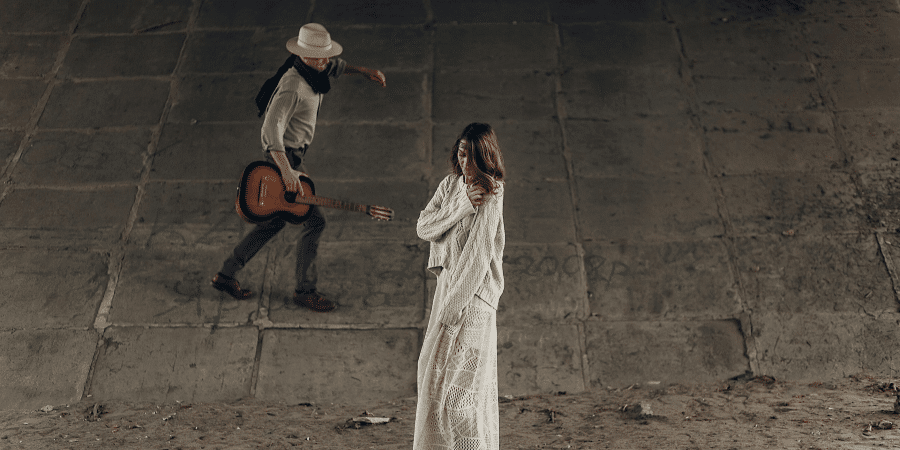
Taking it to the Streets: Why Artists are Popping Up Everywhere

Strolling down the street and stumbling upon a live dance performance, a spoken word artist weaving poetry into the urban soundscape, or a musician crooning soulful melodies – these impromptu street performances are becoming increasingly common. But why this sudden surge of artistic expression spilling out onto sidewalks and plazas?  Let’s explore the reasons behind this trend and the impact it has on both artists and audiences.

Beyond the Gallery Walls: A yearning for Connection and Accessibility

The traditional art scene, with its white-walled galleries and exclusive openings, can feel distant and intimidating for many.  For artists, the pressure to conform to commercial expectations or find representation within a competitive gallery system can be stifling.  Street performances offer an alternative – a chance to bypass the gatekeepers and connect directly with audiences in a raw and immediate way.

“The street becomes a stage, and anyone can be a player,”  declared a recent article exploring the rise of street art.  “It’s a democratic space for artistic expression, free from the constraints of traditional art institutions.”  This accessibility allows artists to experiment, showcase their work outside established channels, and build a direct connection with their audience.

A Canvas of Concrete: The Urban Landscape as Inspiration

The city itself becomes a canvas for these impromptu performances.  Street artists draw inspiration from the sights, sounds, and energy of the urban environment.  A bustling intersection might become the backdrop for a dynamic dance piece, while the rhythmic clatter of traffic inspires a beatboxer to create a unique soundscape.

“The city is a living, breathing organism,”  explained a street performer in a recent interview.  “It provides endless inspiration for my work.  The energy of the crowd, the architecture, the unexpected interactions – it all feeds into my creative process.”  This fusion of art and environment creates a unique and captivating experience for both the artist and the audience.

Building Community Through Ephemeral Art

The ephemeral nature of street performances adds another layer of intrigue.  Unlike a museum exhibit, these displays are fleeting.  You might stumble upon a captivating performance one moment, and the next, the artist and their art have vanished, leaving only a memory or a lingering melody in the air.  This impermanence creates a sense of urgency and encourages viewers to truly be present in the moment.

“Street art is about the experience, the connection that happens in that shared space,”  stated a recent blog post on the power of public art.  “It can spark conversations, challenge perspectives, and bring people together in unexpected ways.”  These fleeting encounters can create a sense of community and shared experience, fostering a connection between artist and audience that transcends the boundaries of a traditional performance venue.

The Future of Performance: Blurring the Lines Between Stage and Street

The rise of street performances suggests a shift in how we experience art in recent times.  The lines between audience and performer are blurring, creating a more interactive and participatory environment.  This trend is likely to continue, with artists seeking new ways to connect with their communities and challenge the traditional boundaries of the art world.

“The future of performance is about breaking down barriers and making art accessible to everyone,”  predicted a recent industry report on the future of live art.  “Street performances are at the forefront of this movement, offering a dynamic and evolving art form that reflects the spirit of our times.”  So, the next time you’re strolling down the street, keep your eyes and ears peeled. You might just stumble upon a captivating performance that will leave you with a newfound appreciation for the vibrancy and power of artistic expression.

The Rising Popularity of Asian Drama in the West: A Cultural Phenomenon

Asian dramas have gained immense popularity in the West over the past decade. This growing interest can be attributed to several factors, ranging from unique storytelling and cultural appeal to the influence of streaming platforms and global connectivity. In this article, we explore why Asian drama is popular with the West and the elements that contribute to its widespread appeal.

Unique Storytelling and Diverse Genres in Asian Drama

One of the key reasons Asian drama is popular with the West is the rich and diverse storylines they offer. Unlike many Western TV shows that often follow similar themes, Asian dramas provide fresh and unique plots that captivate audiences. From romantic comedies and historical epics to fantasy and supernatural tales, Asian dramas cover a wide range of genres that cater to various tastes.

Asian dramas are known for their emotional depth and well-developed characters. The storytelling often delves into complex human emotions and relationships, offering viewers a more profound and relatable experience. This emphasis on character development allows the audience to connect with the characters on a deeper level, making the viewing experience more engaging and satisfying.

Cultural Appeal and Exoticism

For many Western viewers, Asian dramas offer a fascinating glimpse into different cultures and traditions. The cultural exploration aspect is a significant draw, as it allows viewers to learn about and appreciate the customs, values, and way of life in Asian countries. This cultural enrichment is both entertaining and educational, adding to the allure of Asian dramas.

The exotic appeal of Asian dramas also contributes to their popularity. The settings, costumes, and cultural elements present a fresh and intriguing experience for Western audiences. This exoticism, combined with captivating storylines, makes Asian dramas a unique and appealing alternative to Western TV shows.

High Production Quality

Asian dramas often boast high production quality, with impressive cinematography, set designs, and special effects. This cinematic excellence enhances the overall viewing experience, making the dramas visually appealing and immersive. The attention to detail in production quality sets Asian dramas apart and attracts viewers who appreciate well-crafted television.

The talent involved in producing Asian dramas is another factor in their success. Skilled actors, directors, writers, and production teams contribute to creating compelling and high-quality content. The performances of talented actors bring the characters to life, adding authenticity and depth to the storytelling.

Influence of K-Pop and Hallyu Wave

The global popularity of K-Pop has significantly contributed to the rise of Asian dramas in the West. Many K-Pop fans are introduced to Asian dramas through their favorite idols who often star in these shows. The crossover appeal of K-Pop idols in dramas helps attract a broader audience and increases the visibility of Asian dramas internationally.

The Hallyu Wave, or Korean Wave, refers to the global popularity of South Korean culture, including music, films, and television dramas. This cultural phenomenon has played a crucial role in popularizing Asian dramas in the West. The Hallyu Wave has created a global fanbase for Korean content, which extends to other Asian dramas, contributing to their widespread popularity.

Accessibility Through Streaming Platforms

The availability of Asian dramas on major streaming platforms like Netflix, Amazon Prime, and Hulu has made it easier for Western audiences to access and enjoy these shows. These platforms offer a wide selection of Asian dramas with subtitles, making them accessible to non-native speakers. The convenience and accessibility provided by streaming services have been instrumental in the global reach of Asian dramas.

Streaming platforms use recommendation algorithms to suggest content based on viewers’ preferences. As more people watch and enjoy Asian dramas, these algorithms promote similar shows to a broader audience. This exposure helps introduce new viewers to Asian dramas, contributing to their growing popularity in the West.

Engaging Fan Communities

The rise of online fan communities has also played a role in the popularity of Asian dramas. Social media platforms, forums, and fan sites provide spaces for fans to discuss, share, and promote their favorite shows. These communities create a sense of belonging and excitement, encouraging more people to watch and engage with Asian dramas.

Dedicated fan communities often contribute to translating and subtitling Asian dramas, making them accessible to a global audience. These fan subbing efforts help bridge the language barrier and enable non-native speakers to enjoy Asian dramas in their language, further boosting their popularity.

The popularity of Asian dramas in the West can be attributed to a combination of factors, including unique storytelling, cultural appeal, high production quality, the influence of K-Pop and the Hallyu Wave, accessibility through streaming platforms, and engaging fan communities. These elements have collectively contributed to the widespread appeal and success of Asian dramas among Western audiences. As global connectivity continues to increase, the popularity of Asian dramas is likely to grow even further, bringing diverse and captivating content to viewers worldwide.