Entertainment Post

The Enduring Popularity of Assassin-Centered Films: Action, Intrigue, and Complex Characters


Assassin-centered films have captivated audiences for decades, combining action, intrigue, and complex characters. These films offer thrilling storylines and delve into the psyches of their main characters, often creating a blend of adrenaline-pumping sequences and deep emotional narratives. This article explores the reasons behind the popularity of assassin-centered films, highlights notable examples, and examines their impact on the film industry.

The Appeal of Assassin-Centered Films

One of the primary draws of assassin-centered films is the thrilling action sequences and meticulous choreography. These movies often feature intense combat scenes, high-stakes chases, and expertly executed stunts. The precision and skill required to portray assassins in action create an exhilarating experience for viewers, keeping them on the edge of their seats.

Assassin-centered films are known for their complex and multi-dimensional characters. Assassins are often depicted as individuals with troubled pasts, moral ambiguities, and personal conflicts. This depth adds a layer of intrigue to the narrative, allowing audiences to connect with the characters on an emotional level. The internal struggles and motivations of these characters make for compelling storytelling.

The moral ambiguity present in assassin-centered films adds to their allure. These films often explore themes of redemption, revenge, and the blurred lines between right and wrong. The protagonist’s journey through these moral dilemmas engages the audience and prompts them to reflect on ethical questions, enhancing the overall impact of the story.

Notable Assassin-Centered Films

“John Wick” Series

The “John Wick” series, starring Keanu Reeves, is a prime example of the popularity of assassin-centered films. The franchise is renowned for its innovative action sequences, detailed world-building, and Reeves’ portrayal of the titular character. The series’ success has led to multiple sequels and a dedicated fan base, solidifying its place in the genre.

“The Bourne” Series

The “Bourne” series, featuring Matt Damon as Jason Bourne, follows the story of a highly skilled assassin suffering from amnesia. The films are celebrated for their realistic action scenes, intricate plots, and Damon’s compelling performance. The series has had a lasting impact on the genre, influencing subsequent action and spy films.

“Leon: The Professional”

“Leon: The Professional,” directed by Luc Besson, is another iconic assassin-centered film. Starring Jean Reno and Natalie Portman, the film explores the relationship between a professional hitman and a young girl seeking revenge for her family’s murder. The film’s unique blend of action and emotional depth has made it a classic in the genre.

Impact on the Film Industry

Assassin-centered films have significantly influenced the action genre, setting new standards for choreography, stunt work, and visual storytelling. Films like “John Wick” have raised the bar for action sequences, inspiring other filmmakers to adopt similar techniques and styles. The emphasis on realistic and dynamic action has become a hallmark of modern action films.

The popularity of assassin-centered films has contributed to the rise of antiheroes in cinema. These characters, who operate outside traditional moral boundaries, have become increasingly popular with audiences. The success of assassin films has demonstrated that viewers are drawn to complex characters with flawed morality, leading to a broader acceptance of antiheroes in various genres.

Successful assassin-centered films often lead to the creation of expansive franchises. The “John Wick” and “Bourne” series, for example, have expanded into multiple sequels, spin-offs, and even television adaptations. These franchises build on the original films’ success, exploring new storylines and deepening the fictional worlds they inhabit.

The Future of Assassin-Centered Films

As the genre continues to evolve, filmmakers are finding new ways to tell assassin-centered stories. This includes exploring different cultural backgrounds, incorporating diverse characters, and addressing contemporary issues. The evolution of storytelling techniques ensures that the genre remains fresh and engaging for audiences.

Technological advancements in filmmaking, such as CGI and motion capture, are enhancing the visual appeal of assassin-centered films. These technologies allow for more intricate and visually stunning action sequences, further captivating audiences. As technology continues to advance, the potential for innovation within the genre is limitless.

Assassin-centered films are increasingly crossing over into other genres, such as science fiction, fantasy, and thriller. This cross-genre appeal broadens the audience base and allows for unique and innovative narratives. By blending elements from various genres, filmmakers can create fresh and exciting assassin-centered stories that appeal to a wider audience.

The popularity of assassin-centered films is rooted in their thrilling action, complex characters, and moral ambiguity. Iconic films like the “John Wick” and “Bourne” series have set new standards for the genre, influencing the broader film industry. As the genre continues to evolve, incorporating new storytelling techniques and technological advancements, assassin-centered films are poised to remain a significant and captivating part of cinema. Their enduring appeal lies in the ability to combine high-octane action with deep, thought-provoking narratives, making them a favorite among audiences worldwide.


Understanding Rap Beef Among Artists: Origins, Impact, and Resolution

Rap beef, or feuds between hip-hop artists, has been a significant aspect of rap culture since its inception. These conflicts, often public and intense, play a pivotal role in shaping the dynamics of the hip-hop industry. This article explores the origins, reasons, and impact of rap beef among artists, providing a comprehensive understanding of this phenomenon.

Origins of Rap Beef

Rap beefs have their roots in the competitive nature of hip-hop. The genre, which emerged in the late 1970s and early 1980s, thrived on battles where MCs (rappers) would compete against each other to prove their lyrical prowess. These battles were often friendly but sometimes escalated into more serious disputes.

One of the earliest notable rap beefs was between Kool Moe Dee and Busy Bee Starski in the early 1980s. Their rivalry set the stage for future feuds by demonstrating how personal and competitive rap battles could become. This era established a tradition of lyrical confrontation that has continued to evolve.

Reasons for Rap Beef

Personal conflicts are a common cause of rap beefs. Differences in opinion, lifestyle, and past grievances can lead to public disputes. These personal differences are often magnified by the public nature of the hip-hop industry, where private matters quickly become public knowledge.

Rap is inherently competitive, with artists striving to be recognized as the best. This competition for dominance often leads to beefs, as artists challenge each other to claim the top spot. The desire to assert one’s superiority can drive rappers to engage in lyrical battles.

Some rap beefs are strategically used for publicity and marketing. Controversy generates attention, and a well-timed feud can boost an artist’s visibility and record sales. This aspect of rap beefs reflects the business side of the music industry, where artists capitalize on drama to enhance their careers.

Notable Rap Beefs

Tupac Shakur vs. The Notorious B.I.G.

One of the most famous rap beefs was between Tupac Shakur and The Notorious B.I.G. in the 1990s. Their feud, fueled by personal animosities and territorial disputes between the East Coast and West Coast rap scenes, culminated in the tragic deaths of both artists. This beef highlighted the dangerous potential of rap conflicts.

Jay-Z vs. Nas

The feud between Jay-Z and Nas in the early 2000s is another iconic rap beef. Their lyrical exchanges, particularly Nas’s “Ether” and Jay-Z’s “Takeover,” are considered some of the best diss tracks in hip-hop history. This rivalry showcased the artistic skill involved in rap beefs and how they can elevate an artist’s status.

Drake vs. Meek Mill

In recent years, the beef between Drake and Meek Mill gained significant attention. Sparked by Meek Mill’s accusation that Drake used ghostwriters, their feud played out on social media and through diss tracks. The conflict ended with both artists eventually reconciling, highlighting how rap beefs can evolve over time.

Impact of Rap Beef

Rap beefs often lead to the creation of some of the most memorable tracks in hip-hop. Diss tracks, written specifically to target an opponent, can become iconic and influential. These songs are not only a testament to an artist’s lyrical abilities but also serve as cultural milestones within the genre.

Rap beefs contribute to the cultural fabric of hip-hop. They reflect the raw, unfiltered emotions and experiences of the artists involved. These conflicts can address broader social and political issues, making them relevant beyond the immediate scope of the feud.

While rap beefs can be personally damaging, they also have business implications. Feuds often lead to increased sales, media attention, and heightened fan engagement. The controversy generated by a rap beef can propel an artist’s career, making it a double-edged sword.

Managing and Resolving Rap Beef

Many rap beefs are resolved through communication and mediation. Artists may choose to settle their differences privately or with the help of mutual acquaintances. This approach can prevent conflicts from escalating and promote a more positive environment within the industry.

Some artists choose to focus on their music rather than engage in prolonged beefs. By prioritizing their craft, they can rise above the drama and continue to build their careers. This approach emphasizes the importance of artistry over conflict.

Public reconciliation can be a powerful way to resolve a rap beef. When artists make amends publicly, it sends a message of unity and maturity. This not only benefits the artists involved but also sets a positive example for their fans and the broader hip-hop community.

Rap beef among artists is a complex and multifaceted aspect of hip-hop culture. While these feuds can be driven by personal differences, competition, and publicity, they also have a significant impact on the music, culture, and business of the industry. Understanding the dynamics of rap beef helps to appreciate the artistry and strategic thinking involved. As the genre continues to evolve, rap beefs will likely remain a prominent and influential element of hip-hop.

Why Artists Often Avoid Directly Addressing Exes in Their Music

Music has always been a powerful medium for expressing emotions, and relationships often inspire some of the most memorable songs. However, while many artists draw from their personal experiences, it’s relatively rare for them to directly address their exes in their music. This article explores the reasons behind this choice, highlighting privacy, artistic integrity, and the universal appeal of relatable music.

Privacy Concerns for the Exes

One of the primary reasons artists avoid directly addressing their exes in music is to maintain personal boundaries. Publicly discussing intimate details about past relationships can lead to unwanted attention and scrutiny. By keeping specific names and details out of their lyrics, artists can protect their privacy and that of their former partners.

Respect for their exes is another critical factor. Directly addressing an ex in a song can be seen as disrespectful or invasive, especially if the ex is not in the public eye. Many artists choose to maintain a respectful distance to avoid causing emotional distress or unwanted public speculation.

Artistic Integrity

Artists often prefer to focus on the emotions and experiences derived from relationships rather than specific individuals. This approach allows for greater creative freedom and artistic integrity. By generalizing their experiences, artists can craft lyrics that convey universal feelings, making their music more relatable to a broader audience.

Music that touches on universal themes of love, heartbreak, and recovery tends to resonate more deeply with listeners. By avoiding specifics, artists create songs that anyone can relate to, regardless of their personal experiences. This universality helps build a broader and more engaged audience.

Legal and Ethical Considerations

There are also legal and ethical considerations that deter artists from directly addressing their exes. Naming someone in a song and portraying them negatively can lead to defamation or libel claims. Even if the artist’s account is truthful, the potential for legal disputes can be a significant deterrent.

Ethically, it can be problematic to share one-sided accounts of relationships. Songs often reflect the artist’s perspective and emotions, which may not fully represent the ex-partner’s view. Ethical considerations around fairness and respect often lead artists to anonymize their subjects.

Marketing and Audience Appeal

Songs that do not directly address specific individuals have a broader appeal. By focusing on shared human experiences, artists can reach a wider audience. This inclusivity can enhance an artist’s popularity and commercial success.

Directly addressing an ex in music can create controversy, which may not always be beneficial. While controversy can sometimes generate publicity, it can also alienate fans and lead to negative backlash. Many artists prefer to avoid this risk by keeping their lyrics more general.

Emotional Catharsis

For many artists, music serves as a form of emotional catharsis. Writing about the emotions and lessons learned from a relationship can be therapeutic. By focusing on the broader experience rather than specific individuals, artists can process their feelings more constructively and positively.

Addressing the themes of love and loss without pinpointing individuals allows artists to evolve creatively. They can explore different aspects of relationships and personal growth, leading to a richer and more varied discography. This approach can also help artists avoid being pigeonholed or defined by a single relationship or event.

Listener Connection

Listeners often connect with music that reflects their own experiences and emotions. Songs that avoid specific references allow listeners to project their own stories onto the lyrics, creating a deeper connection. This relatability is a powerful tool for building a loyal fanbase.

The emotional impact of music is often heightened when listeners can see themselves in the lyrics. By crafting songs that speak to universal experiences, artists can evoke stronger emotional responses and create lasting impressions on their audience.

While personal relationships often inspire some of the most compelling music, most artists choose not to directly address their exes in their songs. This decision is influenced by privacy concerns, respect for others, artistic integrity, and the desire to create universally relatable music. Legal and ethical considerations, marketing strategies, and the potential for emotional catharsis also play crucial roles. Ultimately, by focusing on broader themes and experiences, artists can craft songs that resonate deeply with a wide audience, ensuring their music remains impactful and timeless.

Thematic Albums: Why Artists Craft Music Around Central Concepts

In the music industry, producing albums around a theme has become a prevalent trend. This approach, known as a concept album, allows artists to explore a central idea or story throughout the album’s tracks. The thematic coherence not only enhances the listening experience but also provides artistic and commercial benefits. This article explores why albums are produced around a theme, examining the artistic expression, storytelling potential, and market advantages.

Artistic Expression and Creativity

Producing an album around a theme allows artists to dive deeply into a specific subject or emotion. This thematic depth can lead to more cohesive and comprehensive works, where each track contributes to a larger narrative or concept. According to the Journal of Music Theory, thematic albums enable artists to create more intricate and interconnected pieces, enhancing the overall artistic quality.

Thematic albums often serve as a platform for personal and social commentary. Artists can address complex topics such as love, loss, identity, or social issues, offering their perspectives and insights. This approach allows artists to communicate messages that resonate deeply with their audiences, fostering a stronger emotional connection.

A thematic approach encourages experimentation and innovation in music production. Artists can explore different genres, styles, and sounds to suit the album’s theme. This creative freedom can lead to groundbreaking works that push the boundaries of conventional music, attracting critical acclaim and a dedicated fan base.

Storytelling and Emotional Engagement

Thematic albums often follow a narrative structure, similar to a story or a film. This structure can make the listening experience more engaging and immersive, as listeners are drawn into the unfolding narrative. Each song acts as a chapter, advancing the story and adding layers of meaning.

By organizing an album around a theme, artists can take listeners on an emotional journey. The progression of songs can evoke a range of emotions, from joy and excitement to sadness and reflection. This emotional journey enhances the listener’s experience, making the album more memorable and impactful.

Conceptual continuity is a key feature of thematic albums. The recurring motifs, lyrics, and musical elements create a sense of unity and coherence. This continuity can enhance the album’s artistic integrity, providing a complete and satisfying listening experience from start to finish.

Commercial Advantages

Thematic albums offer significant marketing and branding advantages. A clear and compelling theme can attract attention and generate interest among potential listeners. This thematic focus can be used in promotional materials, album artwork, and social media campaigns, creating a strong and identifiable brand for the album.

Fans are often drawn to thematic albums because they offer a deeper and more immersive experience. The narrative and emotional aspects of these albums can create a strong connection between the artist and the audience. This connection can lead to increased fan loyalty and support, driving album sales and concert attendance.

Thematic albums often have greater longevity and replay value. Listeners may return to the album multiple times to fully grasp the nuances and layers of meaning. This repeated engagement can boost streaming numbers and physical album sales, contributing to the album’s long-term success.

Examples of Successful Thematic Albums

“The Dark Side of the Moon” by Pink Floyd

Pink Floyd’s “The Dark Side of the Moon” is one of the most iconic thematic albums in music history. The album explores themes of mental illness, mortality, and the human experience. Its conceptual depth, innovative sound, and cohesive structure have made it a timeless classic.

“Lemonade” by Beyoncé

Beyoncé’s “Lemonade” is a powerful thematic album that addresses themes of infidelity, empowerment, and resilience. Through a mix of genres and personal storytelling, Beyoncé creates a compelling narrative that resonates with listeners on a profound level.

“American Idiot” by Green Day

Green Day’s “American Idiot” is a politically charged thematic album that critiques contemporary American society. The album’s narrative follows the journey of the protagonist, Jesus of Suburbia, offering a cohesive and impactful listening experience.

Challenges of Producing Thematic Albums

While thematic albums offer numerous benefits, they can also impose artistic constraints. Artists may feel limited by the need to adhere to the central theme, potentially stifling creativity. Balancing thematic coherence with artistic freedom is crucial to overcoming this challenge.

Not all listeners may appreciate or understand the thematic elements of an album. Some may prefer standalone tracks over a cohesive narrative. Artists must consider their audience’s preferences and find ways to make the theme accessible and engaging.

Producing a thematic album can be more complex and time-consuming than a traditional album. It requires careful planning, coordination, and execution to ensure that all elements align with the theme. This complexity can increase production costs and timelines.

Producing albums around a theme offers numerous artistic and commercial benefits. Thematic albums allow artists to explore complex subjects, create cohesive narratives, and engage listeners on a deeper emotional level. While there are challenges associated with this approach, the potential for innovation, fan engagement, and market success make it a compelling choice for many artists. By embracing thematic concepts, artists can create memorable and impactful works that resonate with audiences long after the music stops.

Why Horror Short Films Capture Audiences Like No Other

Horror short films have become increasingly popular, gaining significant traction among audiences and filmmakers alike. The genre’s ability to captivate and scare viewers in a limited timeframe makes it particularly appealing. This article explores why horror short films get the best traction, examining their unique characteristics, audience appeal, and market potential.

The Appeal of Horror Short Films

Horror short films are known for their quick and intense storytelling. Unlike feature-length films, short films must convey their plot, build tension, and deliver scares within a limited duration. This brevity allows for a more concentrated and impactful viewing experience, keeping audiences on the edge of their seats from start to finish. The immediacy of horror short films makes them perfect for capturing the audience’s attention quickly.

Filmmakers often enjoy greater creative freedom when working on short films. The lower production costs and shorter duration allow directors to experiment with innovative techniques and unconventional narratives without the pressure of studio expectations. This creativity often results in fresh and unique horror content that stands out in the crowded entertainment landscape.

Audience Attraction

Horror short films are highly shareable due to their brevity and intense impact. Viewers are more likely to share a 5-10 minute film with friends and family than a full-length movie. This shareability increases the film’s reach and potential for virality. Social media platforms, particularly YouTube and Vimeo, have become popular venues for sharing horror short films, amplifying their visibility and traction.

In today’s fast-paced digital world, audiences often have shorter attention spans. Horror short films cater to this trend by providing a complete and satisfying narrative in a brief period. This format is especially appealing to younger audiences who are accustomed to consuming bite-sized content on platforms like TikTok and Instagram.

Horror short films often benefit from strong community engagement. Horror enthusiasts tend to be highly active online, participating in forums, social media groups, and film festivals. These communities eagerly share and discuss new content, helping to build a dedicated fan base for horror short films. Platforms like Reddit’s r/horror and specialized horror film festivals provide additional avenues for exposure and audience interaction.

Market Potential

Producing a short film is generally more cost-effective than creating a feature-length film. This lower financial barrier allows more filmmakers to enter the horror genre and produce high-quality content. Independent filmmakers, in particular, can leverage this affordability to showcase their talents and gain recognition in the industry. The rise of crowdfunding platforms like Kickstarter and Indiegogo has also facilitated the funding of horror short films, making production more accessible.

Horror short films serve as a proving ground for new filmmakers. Successfully creating a compelling short film can lead to opportunities in larger projects, including feature films and series. Many renowned directors, such as James Wan and David F. Sandberg, began their careers with horror short films that caught the attention of major studios. These short films often act as a portfolio piece, demonstrating the filmmaker’s ability to tell a gripping story and manage production effectively.

Horror short films frequently enjoy success at film festivals. Festivals dedicated to the horror genre, such as Screamfest and the Horrible Imaginings Film Festival, provide platforms for short films to gain critical acclaim and audience appreciation. Winning awards and gaining recognition at these festivals can boost a film’s visibility and open doors for distribution deals and further funding.

Psychological Impact

Horror short films capitalize on the psychological impact of fear. The genre’s ability to evoke strong emotional responses in a short time makes it particularly memorable. The suspense, jump scares, and eerie atmospheres created in horror short films leave a lasting impression on viewers. This emotional impact often leads to repeat viewings and discussions, enhancing the film’s overall traction.

Horror themes often tap into universal fears and anxieties, making them relatable to a wide audience. Whether it’s the fear of the unknown, supernatural occurrences, or psychological terror, horror short films resonate with viewers on a fundamental level. This universality broadens the appeal of horror short films, attracting diverse audiences from different cultural backgrounds.

Technological Advancements

The accessibility of modern filmmaking tools has democratized the production of horror short films. High-quality cameras, editing software, and special effects tools are now available at a fraction of the cost they once were. This technological advancement allows aspiring filmmakers to produce professional-looking horror short films without needing extensive resources. Online tutorials and courses further support filmmakers in honing their craft and producing compelling content.

Digital distribution platforms have revolutionized the way horror short films are consumed. Streaming services, online festivals, and video-sharing platforms provide filmmakers with direct access to global audiences. This ease of distribution has significantly contributed to the traction of horror short films, allowing them to reach viewers far beyond traditional cinema goers.

Horror short films get the best traction due to their quick and intense storytelling, high shareability, and appeal to modern audiences’ short attention spans. The cost-effective production, strong community engagement, and psychological impact further enhance their popularity. As technological advancements continue to lower barriers to entry and expand distribution channels, the future looks promising for horror short films and their creators.

Crafting the Perfect Sound: A Guide to Finding Your Band’s Musical Identity

For aspiring musicians, finding the right sound for your band is a crucial step in establishing your musical identity and connecting with your audience. Whether you’re just starting out or looking to evolve your sound, the process of defining and refining your musical style can be both exhilarating and challenging. In this article, we explore strategies and considerations for coming up with the right sound for your band, from experimenting with different genres to honing your individual and collective musical talents.

Exploring Musical Influences and Inspirations

One of the first steps in finding your band’s sound is to explore your musical influences and inspirations. Take the time to listen to a wide range of artists, bands, and genres across different time periods and musical styles. Pay attention to the elements that resonate with you—the melodies, rhythms, lyrics, and sonic textures that evoke emotion and captivate your imagination. By drawing inspiration from a diverse array of musical sources, you can begin to identify common themes, motifs, and sounds that resonate with your band’s collective vision and artistic sensibilities.

Experimenting with Different Genres and Styles

Don’t be afraid to experiment with different genres and styles as you search for your band’s sound. Whether you’re drawn to the energy of punk rock, the introspection of indie folk, or the groove of funk and soul, exploring a variety of musical genres can help you uncover new ideas, sounds, and possibilities for your band’s musical direction. Collaborate with your bandmates to jam, improvise, and experiment with different musical ideas and arrangements, allowing your creativity to flourish and your unique voice to emerge.

Honing Your Individual and Collective Talents

Developing your individual and collective musical talents is essential for honing your band’s sound and achieving cohesion and synergy as a group. Invest time and effort into practicing your instruments, refining your technical skills, and expanding your musical vocabulary. Collaborate with your bandmates to develop a shared musical language, explore new techniques and approaches, and refine your arrangements and compositions. By continuously pushing yourselves to improve and innovate, you can elevate your band’s sound to new heights and captivate your audience with your musical prowess.

Embracing Authenticity and Originality

In the pursuit of finding your band’s sound, it’s important to embrace authenticity and originality. Avoid simply replicating the sounds and styles of your musical influences; instead, strive to infuse your music with your own unique voice, perspective, and personality. Be open to experimenting with unconventional sounds, song structures, and instrumentation, and don’t be afraid to take risks and push boundaries in pursuit of your artistic vision. By staying true to yourselves and embracing your individuality, you can create music that is authentic, compelling, and unmistakably yours.

Seeking Feedback and Refinement

As you develop your band’s sound, don’t hesitate to seek feedback from trusted friends, fellow musicians, and industry professionals. Share your music with others, perform live whenever possible, and solicit constructive criticism and suggestions for improvement. Use feedback as a tool for refinement and growth, identifying areas where you can strengthen your sound, tighten your arrangements, and enhance your performance. By remaining open to feedback and continuously refining your sound, you can ensure that your band continues to evolve and grow as artists.

Conclusion

In conclusion, finding the right sound for your band is a journey of self-discovery, experimentation, and collaboration. By exploring your musical influences and inspirations, experimenting with different genres and styles, honing your individual and collective talents, embracing authenticity and originality, and seeking feedback and refinement, you can craft a sound that is uniquely yours and resonates with your audience on a profound level. So don’t be afraid to explore new musical horizons, push the boundaries of your creativity, and embark on the exhilarating adventure of defining your band’s musical identity.

The Western Reception of K-Pop: A Global Phenomenon

K-pop, or Korean pop music, has become a global phenomenon, captivating audiences far beyond South Korea. In recent years, the genre has seen a significant surge in popularity in Western countries, with numerous K-pop groups achieving international fame. This article explores the Western reception of K-pop, examining its rise in popularity, cultural impact, and the factors contributing to its global success.

The Rise of K-Pop in the West

The Western reception of K-pop can be traced back to several breakthrough moments. One of the most notable was Psy’s “Gangnam Style” in 2012, which became a viral sensation and the first YouTube video to reach one billion views. This opened the door for other K-pop artists to enter the Western market.

BTS, one of the most successful K-pop groups, has played a crucial role in the genre’s Western reception. Their albums consistently top international charts, and they have a massive global fanbase known as the ARMY. BTS has performed at major Western music awards and talk shows, further solidifying K-pop’s presence in the West.

Cultural Impact of K-Pop

K-pop has significantly influenced Western fashion and beauty trends. The distinctive styles of K-pop idols, from colorful hair to innovative outfits, have inspired many fans to adopt similar looks. Western fashion brands often collaborate with K-pop artists, recognizing their trendsetting potential.

Despite the language barrier, K-pop has facilitated cultural exchange between the East and the West. Many Western fans have shown interest in learning Korean to understand the lyrics and engage more deeply with the culture. This cultural curiosity extends to other aspects of Korean culture, such as food, drama, and traditional customs.

Factors Contributing to K-Pop’s Western Popularity

Social media and online platforms have played a pivotal role in K-pop’s Western success. Platforms like YouTube, Twitter, and Instagram allow K-pop artists to reach a global audience instantly. Fans use these platforms to share content, organize events, and support their favorite idols, creating a vibrant online community.

K-pop artists are known for their close interactions with fans. They frequently engage with their audience through live streams, social media posts, and fan meetings. This level of accessibility and interaction fosters a strong sense of community and loyalty among fans, contributing to the genre’s widespread appeal.

The high-quality production of K-pop music videos and performances is another factor behind its Western reception. K-pop companies invest heavily in creating visually stunning and musically intricate content. This dedication to quality ensures that K-pop stands out in the competitive music industry.

Challenges and Criticisms

While K-pop has been widely embraced in the West, it also faces challenges due to cultural differences. Some Western audiences may not fully understand the cultural nuances and traditions inherent in K-pop, leading to occasional misunderstandings or misinterpretations.

The rigorous training and high expectations placed on K-pop idols can also draw criticism. Issues such as mental health, the intense pressure to maintain a certain image, and the demanding schedules of K-pop stars have been highlighted in both Eastern and Western media. These industry pressures can impact the well-being of the artists, sparking conversations about the need for better support systems.

As K-pop continues to grow in the West, discussions about representation and diversity have emerged. While the genre predominantly features Korean artists, there is a growing interest in seeing more diverse representation within K-pop groups. Some groups have already started including non-Korean members, reflecting the genre’s global reach and appeal.

Future of K-Pop in the West

The future of K-pop in the West looks promising, with continued growth and expansion expected. As more K-pop groups debut and existing ones gain further recognition, the genre’s influence on the global music scene is likely to increase. Collaborations with Western artists and participation in international music festivals will further cement K-pop’s presence.

K-pop is known for its ability to innovate and evolve. This adaptability will be crucial in maintaining its appeal in the West. By exploring new musical styles, themes, and production techniques, K-pop can continue to captivate Western audiences and stay relevant in an ever-changing music landscape.

The Western reception of K-pop has been overwhelmingly positive, driven by factors such as social media influence, high-quality production, and engaging fan interactions. While challenges exist, the genre’s ability to bridge cultural gaps and foster a global community is remarkable. As K-pop continues to grow and evolve, its impact on the Western music industry and global culture is set to expand even further.

Exploring Parallel Worlds: Why Multiverse Stories Are Taking Over Cinema

In recent years, multiverse stories have surged in popularity within the cinematic world. These complex narratives, which explore multiple universes and alternate realities, have captivated audiences and garnered significant attention. This article delves into why multiverse stories are gaining traction in cinema, examining their appeal, impact, and future prospects.

The Appeal of Multiverse Stories

Multiverse stories offer filmmakers vast creative freedom. By exploring multiple realities, writers and directors can experiment with different character arcs, plotlines, and settings. This flexibility allows for innovative storytelling that keeps audiences engaged and eager for more.

The concept of a multiverse introduces unique plot possibilities that are both intriguing and complex. These stories often involve alternate versions of familiar characters, unexpected twists, and imaginative worlds. The novelty and depth of multiverse narratives attract viewers seeking fresh and thought-provoking content.

Audience Fascination with Alternate Realities

Humans have always been fascinated by the idea of alternate realities and parallel universes. Multiverse stories tap into this curiosity, allowing audiences to explore “what if” scenarios. These narratives challenge viewers to think beyond their reality, stimulating imagination and speculative thought.

Multiverse stories often blend emotional depth with intellectual complexity. By presenting characters in varying contexts and exploring different outcomes, these films evoke strong emotional responses. Additionally, the intricate plots and interwoven timelines engage viewers intellectually, encouraging them to piece together the larger narrative puzzle.

Successful Examples in Cinema

The Marvel Cinematic Universe has significantly contributed to the popularity of multiverse stories. Films like “Doctor Strange in the Multiverse of Madness” and “Spider-Man: No Way Home” have explored the multiverse concept, thrilling audiences with interconnected plots and alternate realities. The MCU’s success demonstrates the broad appeal and commercial viability of multiverse narratives.

The DC Extended Universe has also embraced multiverse storytelling. Films like “The Flash” and “Batman v Superman: Dawn of Justice” delve into alternate timelines and parallel worlds. The DCEU’s exploration of the multiverse enriches its narrative complexity and expands its storytelling potential.

Impact on Character Development

Multiverse stories allow filmmakers to explore different facets of characters by placing them in varied contexts. Audiences can see alternate versions of beloved characters, witnessing how different circumstances shape their personalities and choices. This depth of character exploration adds richness to the narrative and enhances viewer engagement.

Multiverse narratives often provide opportunities for redemption and transformation. Characters can evolve across different realities, offering audiences a deeper understanding of their journeys. These themes of growth and change resonate strongly with viewers, adding emotional weight to the story.

Technological Advancements

Advancements in visual effects technology have made it easier to create convincing multiverse worlds. High-quality CGI and innovative filmmaking techniques bring these complex narratives to life, immersing audiences in fantastical and visually stunning realities. The ability to portray multiple universes convincingly has been crucial in the rise of multiverse stories in cinema.

Modern technology also enables more immersive storytelling. Virtual reality, augmented reality, and interactive media allow audiences to experience multiverse narratives in new and engaging ways. These technologies enhance the viewing experience, making multiverse stories even more compelling.

Broader Narrative Possibilities

Multiverse stories can seamlessly blend different genres, from science fiction and fantasy to drama and romance. This cross-genre storytelling appeals to a diverse audience, expanding the reach and impact of multiverse films. The ability to incorporate multiple genres adds layers of complexity and appeal to these narratives.

For established franchises, multiverse stories offer a way to expand and diversify their universes. By introducing alternate realities, franchises can keep their narratives fresh and exciting. This approach also provides opportunities for spin-offs, crossovers, and new character introductions, sustaining audience interest and engagement.

Future Prospects of Multiverse Stories

The success of recent multiverse films suggests that this trend will continue to grow. Audiences have shown a strong appetite for these complex and imaginative narratives. As filmmakers continue to explore and innovate within the multiverse framework, the popularity of these stories is likely to persist.

The rise of multiverse stories in cinema is also influencing other media, including television, video games, and literature. This cross-media impact demonstrates the broad appeal and versatility of multiverse narratives. As more creators embrace the multiverse concept, we can expect to see even more diverse and engaging stories across various platforms.

Multiverse stories are gaining traction in cinema due to their expansive creative possibilities, audience fascination with alternate realities, successful examples in popular franchises, and the impact of technological advancements. These narratives offer unique plotlines, complex character development, and immersive experiences that resonate with viewers. As the trend continues, multiverse stories are set to play an increasingly significant role in the future of cinematic storytelling.

The Enduring Success of Teen Movies in Hollywood

Teen movies have long been a staple of Hollywood cinema, enjoying widespread popularity and financial success. This article explores the reasons why teen movies are successful in Hollywood, examining their appeal, the strategies behind their creation, and their cultural impact. Understanding these factors can shed light on why these films resonate so deeply with audiences.

The Appeal of Teen Movies

Teen movies often explore themes that are universally relatable, such as coming-of-age, first love, friendship, and identity. These themes resonate with audiences of all ages, not just teenagers. According to a study by the Journal of Youth and Adolescence, these themes are compelling because they reflect a formative period of life that everyone experiences, making the films accessible and engaging for a broad audience.

For older audiences, teen movies evoke a sense of nostalgia. They remind viewers of their own adolescence, allowing them to relive memories and emotions from their youth. This nostalgic appeal is powerful and can draw in viewers who enjoy reminiscing about their teenage years. As noted by the American Psychological Association, nostalgia can have a positive effect on mood and mental well-being, which adds to the enjoyment of these films.

Teen movies provide a form of escapism, offering viewers a break from their everyday lives. The often idealized portrayal of high school life, with its drama, romance, and adventure, allows audiences to immerse themselves in a different world. This escapism is particularly appealing in stressful times, making teen movies a popular choice for entertainment.

Strategic Elements Behind Teen Movie Success

Hollywood studios employ targeted marketing strategies to promote teen movies. They utilize social media platforms, influencers, and other digital marketing tools to reach their primary audience—teenagers. By engaging directly with their audience through platforms like Instagram, TikTok, and YouTube, studios can generate buzz and anticipation for upcoming releases. Forbes highlights that this direct engagement is crucial for capturing the attention of younger viewers.

Casting is a critical element in the success of teen movies. Studios often cast popular young actors who have a strong following among teenagers. This not only attracts viewers but also generates media interest. Additionally, representing diverse characters and stories allows these films to resonate with a wider audience. Diversity in casting reflects the varied experiences of teenagers, making the films more relatable and inclusive.

The soundtracks and fashion featured in teen movies play a significant role in their appeal. Iconic soundtracks can enhance the emotional impact of a film and become closely associated with it. Similarly, the fashion showcased in these movies often sets trends and influences the style choices of young viewers. According to a report by Billboard, music from teen movies frequently charts well, contributing to the film’s overall popularity.

Cultural Impact of Teen Movies

Teen movies have a profound impact on shaping youth culture. They influence the way teenagers think, dress, and interact with each other. Films like “Clueless,” “Mean Girls,” and “The Breakfast Club” have become cultural touchstones, defining the attitudes and behaviors of entire generations. The Journal of Popular Culture notes that these films often reflect and shape societal norms and values related to adolescence.

Many successful teen movies address important social issues such as bullying, mental health, identity, and social justice. By tackling these topics, the films provide a platform for discussion and awareness among young viewers. This not only adds depth to the films but also increases their relevance and impact. For example, movies like “The Perks of Being a Wallflower” and “Love, Simon” have sparked conversations about mental health and LGBTQ+ acceptance.

The influence of teen movies extends beyond the screen, affecting fashion, music, language, and lifestyle. Catchphrases, styles, and trends from these films often become part of popular culture. This lasting influence ensures that teen movies remain relevant and continue to attract new audiences over time. As highlighted by the New York Times, the cultural footprint of teen movies is significant and enduring.

The success of teen movies in Hollywood can be attributed to their relatable themes, nostalgic appeal, and ability to provide escapism. Strategic elements such as targeted marketing, effective casting, and impactful soundtracks also play a crucial role. Beyond entertainment, teen movies shape youth culture, address social issues, and leave a lasting cultural impact. These factors combine to make teen movies a beloved and enduring genre in Hollywood.

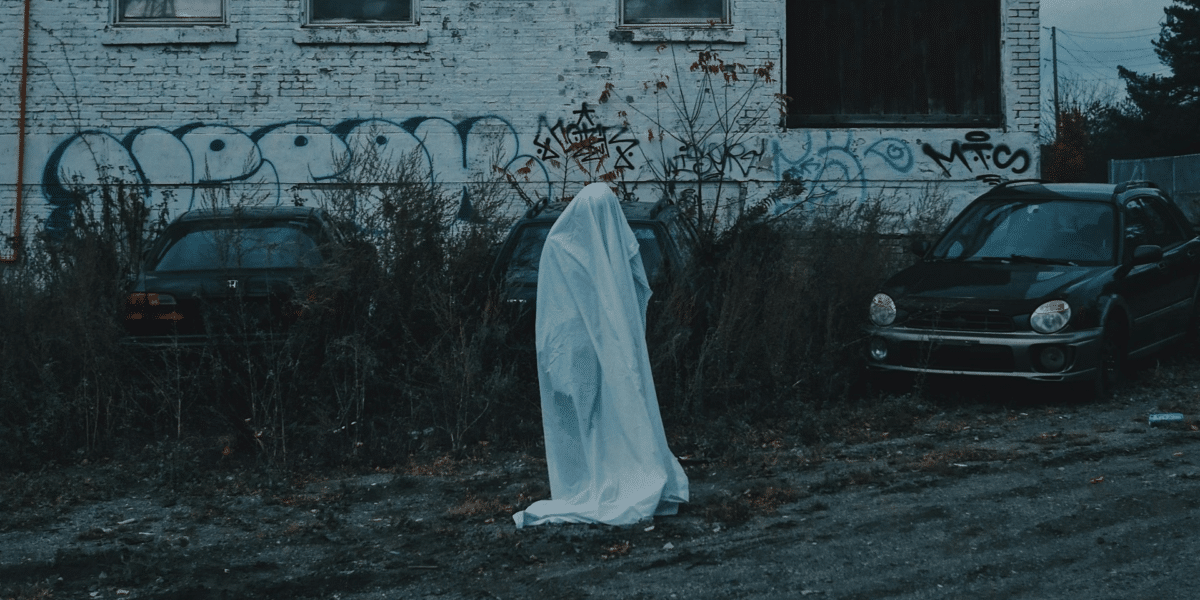
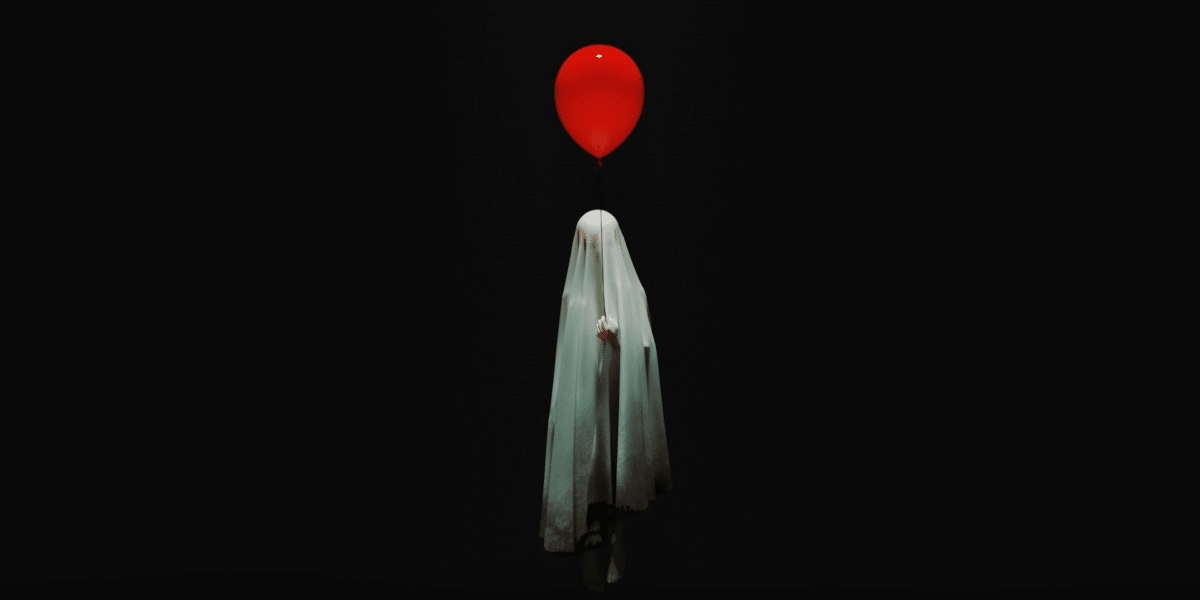
Haunting Allure: Why Ghost Stories Captivate Audiences in Film

Ghost stories have been a captivating genre in film for decades. The allure of the supernatural, combined with the thrill of suspense and fear, makes ghost stories a popular choice for moviegoers. This article explores the appeal of ghost stories in film, highlighting the psychological, cultural, and artistic elements that make them so engaging.

Psychological Appeal

One of the primary reasons ghost stories are appealing is the fear of the unknown. Ghosts and supernatural entities represent the mysteries of the afterlife and the unknown, tapping into deep-seated human fears. This fear is universal, making ghost stories relatable to a wide audience. Films like “The Sixth Sense” and “The Others” capitalize on this fear, creating suspense and tension that keep viewers on the edge of their seats.

Ghost stories often explore themes of death and mortality, prompting viewers to reflect on their own lives and fears. These films provide a way to confront and process the concept of death in a safe and controlled environment. Movies such as “The Ring” and “Poltergeist” delve into the consequences of death and the existence of an afterlife, offering a compelling narrative that resonates with audiences.

The psychological thrills offered by ghost stories are another significant draw. These films play with the mind, using suspense, surprise, and the supernatural to create an intense emotional experience. The slow build-up of tension and the unexpected twists and turns keep viewers engaged and invested in the story. Classics like “The Shining” and “Insidious” masterfully manipulate psychological elements to evoke fear and excitement.

Cultural Appeal

Ghost stories often draw from folklore and traditional tales, grounding them in cultural history and beliefs. This connection to cultural heritage makes ghost stories appealing as they tap into familiar legends and myths. Films like “Ju-on: The Grudge” and “The Conjuring” series incorporate elements of folklore, making them more intriguing and culturally relevant.

Ghost stories address universal themes such as loss, regret, and the desire for closure. These themes are relatable to a broad audience, making the stories emotionally engaging. Movies like “Ghost” and “The Others” explore the pain of loss and the longing for resolution, resonating with viewers on a deep emotional level.

Many ghost stories offer social commentary, using the supernatural as a metaphor to address real-world issues. Films can explore themes of injustice, revenge, and the consequences of past actions, prompting viewers to reflect on societal problems. For instance, “Candyman” uses the ghost story framework to discuss themes of racism and gentrification, providing a layered and thought-provoking narrative.

Artistic Appeal of Ghost Stories

Ghost stories in film often excel in creating a captivating visual and atmospheric experience. The use of lighting, shadows, and eerie settings enhances the supernatural elements, making the story more immersive. Directors like Guillermo del Toro in “Crimson Peak” and James Wan in “The Conjuring” series are known for their skillful use of atmospheric elements to create a haunting and visually stunning experience.

Sound design and music play a crucial role in the appeal of ghost stories. The right soundtrack can heighten tension and evoke fear, making the viewing experience more intense. Subtle sound effects, eerie music, and moments of silence all contribute to the overall impact of the film. John Carpenter’s score for “Halloween” and the unsettling sounds in “Paranormal Activity” are prime examples of effective use of sound in ghost stories.

Ghost stories often employ creative storytelling techniques, such as non-linear narratives, unreliable narrators, and twist endings. These techniques keep the audience engaged and add depth to the plot. Films like “The Others” and “The Sixth Sense” are renowned for their unexpected twists that redefine the entire story, leaving a lasting impression on viewers.

Notable Examples in Cinema

Classic Films

Classic ghost story films have set the standard for the genre. “The Haunting” (1963), directed by Robert Wise, is a quintessential example, known for its psychological horror and atmospheric tension. Alfred Hitchcock’s “Psycho” also contributed to the genre with its eerie storytelling and suspenseful direction.

Modern Films

Modern ghost story films continue to captivate audiences with innovative approaches and fresh perspectives. “The Babadook” (2014) explores the manifestation of grief and depression through a haunting presence, offering a deep psychological narrative. “Hereditary” (2018) combines supernatural horror with intense family drama, creating a powerful and unsettling film.

The appeal of ghost stories in film lies in their ability to tap into deep psychological fears, cultural themes, and artistic elements. These films offer a unique blend of suspense, emotion, and visual storytelling that captivates audiences worldwide. Whether through exploring universal themes, creating atmospheric tension, or providing social commentary, ghost stories continue to be a beloved genre in cinema. As filmmakers continue to innovate and explore new storytelling techniques, the genre is likely to remain a staple of the film industry for years to come.