Entertainment Post

The Fascination with Cyberpunk Settings in Movies

Cyberpunk, a genre that blends elements of science fiction, dystopia, and high-tech noir, has captivated audiences for decades with its gritty, futuristic settings and thought-provoking themes. From neon-lit cityscapes and cybernetic enhancements to corporate megastructures and hacker subcultures, cyberpunk films transport viewers to imaginative worlds where technology reigns supreme and societal norms are turned upside down. In this article, we’ll explore the allure of cyberpunk settings in movies and the reasons behind their enduring popularity among audiences around the world.

Escapism and Immersion

One of the primary appeals of cyberpunk settings in films is their ability to immerse viewers in richly detailed and visually stunning worlds that offer an escape from reality. Whether it’s the towering skyscrapers of a dystopian metropolis or the neon-soaked alleyways of a futuristic city, cyberpunk films transport audiences to alternative realities where the boundaries of technology and society are pushed to their limits. The immersive nature of these settings allows viewers to temporarily disconnect from the stresses of everyday life and immerse themselves in the thrilling adventures and moral dilemmas of the characters.

Exploration of Technological Advancements

Cyberpunk settings in films often explore the implications of rapid technological advancements on society, culture, and human nature. From artificial intelligence and virtual reality to cybernetic implants and genetic engineering, these films speculate about the future of technology and its impact on the human condition. By depicting worlds where technology is both a blessing and a curse, cyberpunk films invite audiences to reflect on the ethical and moral implications of scientific progress and to consider the potential consequences of unchecked technological development.

Reflection of Contemporary Issues

Despite being set in futuristic worlds, cyberpunk films often serve as a reflection of contemporary societal issues and concerns. Themes such as corporate greed, government surveillance, social inequality, and environmental degradation are common in cyberpunk narratives, mirroring real-world anxieties and uncertainties. By exaggerating and extrapolating current trends and phenomena, cyberpunk films provide a lens through which audiences can examine and critique the present while contemplating the future trajectory of society and civilization.

Aesthetic Appeal and Visual Style

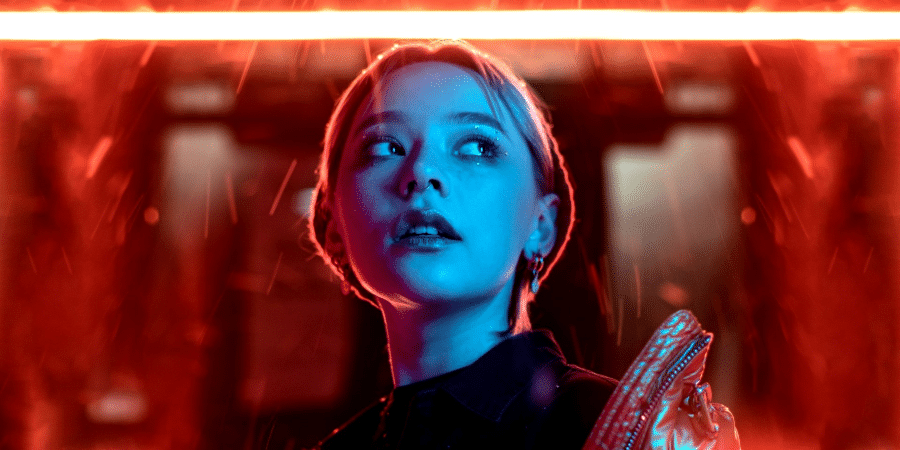
The visual style of cyberpunk settings in films is another major draw for audiences, characterized by its blend of high-tech futurism, urban decay, and noir aesthetics. The juxtaposition of sleek, futuristic architecture with gritty, industrial landscapes creates a visually striking and evocative atmosphere that is instantly recognizable. The use of neon lights, rain-soaked streets, and dark alleyways adds to the ambiance of cyberpunk worlds, immersing viewers in a dystopian future that is both captivating and foreboding.

Exploration of Human Identity and Existence

At the heart of many cyberpunk films lies a deeper exploration of human identity, consciousness, and existence in an increasingly technologically driven world. Questions about what it means to be human, the nature of consciousness, and the ethics of artificial intelligence are common themes in cyberpunk narratives. By confronting audiences with these existential questions, cyberpunk films provoke thought and introspection, challenging viewers to consider the implications of a world where the lines between man and machine are blurred.

Pop Culture Influence and Legacy

Over the years, cyberpunk films have had a significant influence on popular culture, inspiring countless works of fiction, art, music, and fashion. From cult classics like “Blade Runner” and “The Matrix” to more recent hits like “Ghost in the Shell” and “Alita: Battle Angel,” cyberpunk films have left an indelible mark on the collective imagination of audiences worldwide. Their iconic imagery, memorable characters, and thought-provoking themes continue to resonate with viewers and creators alike, ensuring the enduring legacy of the cyberpunk genre in film and beyond.

The Enduring Allure of Cyberpunk

In conclusion, the allure of cyberpunk settings in films lies in their ability to transport audiences to visually stunning and thematically rich worlds that explore the intersection of technology, society, and human nature. Whether it’s through escapism and immersion, the exploration of technological advancements, reflection of contemporary issues, aesthetic appeal and visual style, or deeper philosophical themes, cyberpunk films offer a compelling and thought-provoking cinematic experience that continues to captivate audiences around the world. As our world becomes increasingly interconnected and technology continues to advance, the allure of cyberpunk settings in films is likely to endure, inviting audiences to ponder the possibilities and pitfalls of a future shaped by technology and human ambition.
The Transformation of Elves: How Elves Are Portrayed in Fantasy Films Over Time

Elves have been a staple in fantasy films for decades, captivating audiences with their ethereal beauty, wisdom, and mystical powers. However, their portrayal has evolved significantly over time. This article explores the evolution of how elves are portrayed in fantasy films, examining the shifts in their characteristics, roles, and cultural significance.

Early Portrayals of Elves

The portrayal of elves in early fantasy films was heavily influenced by classic literature, particularly the works of J.R.R. Tolkien. In his seminal series “The Lord of the Rings,” Tolkien depicted elves as noble, wise, and almost otherworldly beings. These elves were tall, fair, and imbued with a deep connection to nature and magic. This image set the standard for elves in early fantasy films.

In the early fantasy films of the mid-20th century, elves were often depicted as noble and distant. Movies like “The Lord of the Rings” animated adaptation (1978) by Ralph Bakshi showcased elves as dignified and graceful, sticking closely to Tolkien’s vision. These early portrayals focused on their elegance and otherworldly charm, emphasizing their role as ancient and wise beings.

Modern Portrayals of Elves

As fantasy films evolved, so did the portrayal of elves. Modern fantasy films began to diversify the characteristics of elves, moving away from the uniform image of tall, fair, and wise beings. Films like “The Chronicles of Narnia” series introduced elves with more varied appearances and personalities, reflecting a broader range of traits and backgrounds.

The turn of the 21st century saw elves gaining prominence in mainstream cinema, particularly with the release of Peter Jackson’s “The Lord of the Rings” trilogy. These films brought Tolkien’s elves to life with unprecedented detail, emphasizing their agility, combat skills, and ethereal beauty. Characters like Legolas, portrayed by Orlando Bloom, became iconic representations of the modern elf, combining physical prowess with a serene, almost mystical demeanor.

Modern fantasy films have expanded the roles and depth of elven characters. In addition to being wise and graceful, elves are now portrayed with more complex personalities and motivations. For instance, the “Harry Potter” series introduced house-elves like Dobby, who, while not fitting the traditional elven mold, added depth to the portrayal of elves by highlighting themes of servitude, freedom, and loyalty.

Cultural Impact and Symbolism

The evolution of elves in fantasy films often mirrors contemporary societal issues and cultural shifts. For example, the portrayal of elves in “The Hobbit” trilogy reflects themes of environmentalism and the consequences of greed, with the elves of Mirkwood fiercely protecting their forest home. This shift from purely mystical beings to symbols of real-world issues highlights the adaptability of elven portrayals in fantasy films.

Recent fantasy films have made strides in representing a more diverse range of elven characters. The Netflix series “The Witcher” portrays elves as an oppressed minority, adding layers of social commentary to their depiction. This representation challenges traditional notions and reflects ongoing discussions about diversity and inclusion in media.

Advancements in filmmaking technology have also influenced the portrayal of elves. With the advent of CGI and enhanced special effects, filmmakers can now depict elves with greater visual splendor and detail. This technological evolution allows for more imaginative and intricate representations, enhancing the magical and otherworldly qualities that define elves in fantasy films.

Iconic Elven Characters

Legolas from “The Lord of the Rings”

Legolas remains one of the most iconic elven characters in fantasy film history. His portrayal by Orlando Bloom in “The Lord of the Rings” trilogy brought a blend of agility, sharp-shooting skills, and stoic wisdom that captivated audiences worldwide. Legolas epitomizes the modern cinematic elf, balancing action with an aura of ancient knowledge.

Galadriel from “The Lord of the Rings”

Another iconic elven character is Galadriel, portrayed by Cate Blanchett. As one of the most powerful elves in Middle-earth, Galadriel embodies grace, power, and wisdom. Her portrayal emphasizes the ethereal and commanding presence that elves often have in fantasy films, reinforcing their role as timeless and wise beings.

Tauriel from “The Hobbit”

Tauriel, a character introduced in Peter Jackson’s “The Hobbit” trilogy, represents the evolving nature of elven portrayals. Played by Evangeline Lilly, Tauriel is a fierce warrior with a compassionate heart, challenging traditional gender roles and adding emotional depth to the elven archetype. Her character reflects the modern trend of creating multifaceted and dynamic elven characters.

The evolution of how elves are portrayed in fantasy films reflects broader changes in cultural attitudes, storytelling techniques, and technological advancements. From the noble and distant elves of early adaptations to the diverse and complex characters in modern cinema, elves have continually adapted to resonate with contemporary audiences. This ongoing evolution ensures that elves remain a captivating and integral part of the fantasy film genre, symbolizing both timeless wisdom and the ever-changing nature of storytelling.

Back to the Future (Without the Time Machine): Filming Challenges in the 90s, a Pre-Millennial World

Ah, the 90s. A simpler time of dial-up internet, chunky sneakers, and the golden age of boy bands. But for filmmakers venturing back to this bygone era, capturing the essence of the 90s on screen can be a surprisingly complex task. Forget elaborate CGI and green screens – recreating the 90s visually and technologically requires a different kind of movie magic, one that involves equal parts nostalgia and logistical hurdles. Let’s explore the challenges of 90s filmmaking and how directors navigate this trip down memory lane.

A World Without Smartphones: Replacing Ubiquitous Tech

Remember a time when the pinnacle of mobile technology was a hefty brick of a phone that could barely fit in your pocket? For a film set in the 90s, this lack of ubiquitous smartphones presents a unique challenge.

In today’s world, characters instinctively reach for their phones to capture a moment, check social media, or navigate a new location. Filmmakers have to find creative ways to replace these now-expected actions. Payphones become the go-to for quick calls, bulky cameras capture spontaneous moments, and paper maps or asking directions become the norm for navigation.

A report by the Pew Research Center found that smartphone ownership in the US reached a staggering 85% in 2023. For 90s films, this absence of smartphones is more than just a visual detail – it’s a fundamental shift in how characters interact with the world around them and how stories unfold.

Analog Aesthetics: Recreating the Look and Feel

Capturing the 90s aesthetic goes beyond simply replacing smartphones. Filmmakers have to recreate the entire visual landscape – from the grainy film stock often used in the era to the explosion of bold colors and quirky fashion trends. Costume designers become time travelers, meticulously researching clothing styles, hairstyles, and accessories. Production designers scour vintage stores and online marketplaces to find period-specific props and set decorations.

Think of the recent film “Once Upon a Time in Hollywood,” which transported viewers back to the 90s Los Angeles. From the neon-lit streets to the iconic record stores and video rental shops, the film meticulously recreated the sights and sounds of the era. This visual authenticity is crucial for immersing audiences in the 90s world and evoking a sense of nostalgia.

But recreating the 90s look isn’t just about visuals – it’s about sound as well. Filmmakers have to find the right music to set the scene, from the ubiquitous grunge of Nirvana to the bubblegum pop of the Spice Girls. Sound effects also play a role, with the dial-up modem screech and the satisfying click of a floppy disk drive becoming subtle yet evocative reminders of a bygone technological era.

The Power of Memory: Capturing the Cultural Zeitgeist

Beyond the visual and technological aspects, capturing the true essence of the 90s comes down to recreating the cultural zeitgeist. This means reflecting the social and political issues that dominated the decade, referencing popular movies and TV shows, and incorporating the slang and catchphrases that defined the era.

For instance, a film set in the 90s might subtly reference the rise of the internet, the fall of the Berlin Wall, or the cultural impact of iconic figures like Princess Diana. 90s films can also benefit from a touch of humor, playing on the sometimes-cringeworthy trends and pop culture references of the time.

A 90s film that truly succeeds goes beyond being a period piece – it becomes a portal to a bygone era. It allows audiences to relive their memories, connect with a shared cultural experience, and appreciate the unique spirit of a decade that continues to influence our world today.

Filming the 90s might seem like a straightforward exercise in nostalgia. But beneath the surface lies a complex web of logistical challenges and creative decisions. From replacing ubiquitous technology to recreating the cultural zeitgeist, filmmakers have to be meticulous historians and storytellers, weaving a tapestry of visuals, sounds, and cultural references that transport audiences back to a simpler (or perhaps more chaotic) time. So, the next time you watch a film set in the 90s, take a moment to appreciate the effort that goes into capturing a decade that, despite its technological limitations, continues to hold a special place in our collective memory.

From Extravagance to Individuality: The Evolution of Experimental Fashion in Pop Music

The 2010s were a decade marked by bold and experimental fashion in the pop music scene. Artists pushed the boundaries of style, using their wardrobes to make statements and enhance their performances. However, as we moved into the 2020s, there has been a noticeable shift in the fashion choices of pop artists. This article explores what happened to the experimental fashion of pop artists in the 2010s, examining the trends, influences, and the current state of pop fashion.

The Rise of Experimental Fashion in the 2010s

The 2010s saw numerous pop artists embracing experimental fashion. Lady Gaga’s infamous meat dress at the 2010 MTV Video Music Awards and her other avant-garde outfits set a precedent for daring fashion choices. Similarly, artists like Nicki Minaj, with her colorful wigs and eccentric outfits, and Katy Perry, with her playful and often outlandish costumes, became synonymous with bold fashion.

Social media played a significant role in the rise of experimental fashion. Platforms like Instagram and Twitter allowed artists to share their bold looks instantly with millions of fans. This direct interaction with followers encouraged pop stars to push the envelope, knowing that their fashion choices would generate significant online buzz and media coverage.

High-profile collaborations between pop artists and fashion designers also fueled the experimental fashion trend. Designers like Alexander McQueen, Jeremy Scott, and Donatella Versace created custom pieces for artists, merging the worlds of high fashion and pop culture. These partnerships resulted in unique, memorable outfits that further solidified the experimental fashion trend.

Factors Leading to the Shift in Fashion

As musical trends evolved, so did the fashion choices of pop artists. The late 2010s and early 2020s saw a rise in more subdued and minimalist aesthetics in music. Genres like indie pop, lo-fi, and alternative R&B gained popularity, influencing artists to adopt a more understated and refined look. This shift in musical style naturally led to a change in fashion.

Athleisure became a dominant trend in the late 2010s, characterized by comfortable, casual, and sporty attire. Pop artists began incorporating athleisure into their wardrobes, favoring practical and stylish clothing over extravagant costumes. This trend was influenced by the broader cultural shift towards health and wellness, making relaxed and functional fashion more appealing.

The fashion industry faced increasing scrutiny over its environmental impact, leading many artists to embrace sustainability. Pop stars like Billie Eilish and Jaden Smith have been vocal about their commitment to eco-friendly fashion. This focus on sustainability often involves simpler, more sustainable wardrobe choices, moving away from the excess and extravagance of earlier years.

The Current State of Pop Fashion

Today, many pop artists are known for their personal style rather than adopting a uniform experimental fashion trend. Artists like Harry Styles, with his androgynous and vintage-inspired looks, and Lizzo, with her bold and body-positive fashion, have carved out unique identities in the fashion world. This emphasis on individuality allows artists to express themselves authentically.

While everyday fashion has become more subdued, pop artists continue to make bold statements on the red carpet. Events like the Met Gala and the Grammy Awards remain platforms for extravagant and experimental fashion. Celebrities often work with top designers to create show-stopping looks that capture the media’s attention and continue the tradition of fashion innovation.

There is also a noticeable trend of nostalgia and revival in current pop fashion. Artists are drawing inspiration from past decades, reinterpreting classic styles with a modern twist. This blend of old and new allows for creative experimentation within a framework of established fashion trends.

Notable Influences on Modern Pop Fashion

Streetwear has significantly influenced modern pop fashion. Brands like Off-White, Supreme, and Yeezy have become staples in the wardrobes of pop artists. This trend reflects the blending of high fashion with street culture, resulting in a unique and accessible style.

Gender fluidity and inclusivity have become central themes in modern fashion. Artists like Sam Smith and Miley Cyrus openly challenge traditional gender norms through their fashion choices, promoting a more inclusive and diverse fashion landscape. This shift encourages a broader range of expressions and styles in pop fashion.

The rise of digital fashion and virtual influencers is also shaping the future of pop fashion. Virtual fashion shows, digital clothing, and collaborations with virtual influencers like Lil Miquela offer new avenues for creativity and experimentation. This digital shift is pushing the boundaries of what fashion can be, offering limitless possibilities for innovation.

The experimental fashion of pop artists in the 2010s was characterized by bold, avant-garde choices that captured the public’s imagination. However, as musical trends, cultural values, and societal priorities evolved, so did the fashion choices of these artists. Today, pop fashion emphasizes personal style, sustainability, and inclusivity, reflecting broader shifts in society. While the era of overtly extravagant fashion may have waned, the spirit of innovation and self-expression continues to thrive in new and exciting ways.

Beyond Beauty: The Hidden Language of Flowers in Film

The next time you watch a movie, take a close look at the floral arrangements. Sure, they might just be there to add a splash of color or a touch of elegance to the scene. But flowers can also be powerful storytelling devices, carrying hidden meanings and symbolism that can enrich your viewing experience. 

From the vibrant red rose to the delicate white lily, each bloom has a story to tell. Let’s delve into the fascinating world of floral symbolism in film and explore how filmmakers use flowers to enhance their narratives.

A Rose by Any Other Name: Unveiling the Emotional Palette of Flowers

Flowers have been imbued with symbolic meaning for centuries. Victorians used a complex “language of flowers” to express emotions and convey hidden messages. Filmmakers have tapped into this rich history, using specific blooms to evoke certain feelings and foreshadow plot developments.

Red roses, for instance, are universally recognized as a symbol of passionate love. A single red rose placed on a lover’s doorstep might signify burning desire, while a bouquet of red roses could represent an all-encompassing love. In “American Beauty,” the iconic scene of Mena Suvari lying on a bed of red rose petals is a visual metaphor for the forbidden and ultimately destructive passion between her character and Kevin Spacey’s. The use of red roses here foreshadows the dark and tragic turn the film takes.

Beyond red roses, filmmakers have a whole floral palette at their disposal. White lilies often symbolize purity and innocence. In “The Virgin Suicides,” Sofia Coppola bathes the Lisbon sisters’ world in white lilies, highlighting their sheltered upbringing and tragic demise. Sunflowers, on the other hand, represent joy, warmth, and optimism. Think of the vibrant sunflower fields in “Kill Bill: Vol. 1,” a stark contrast to the violence that unfolds throughout the film.

Flowers can also be used to foreshadow character development. A character receiving a bouquet of yellow tulips, traditionally associated with new beginnings, might be on the cusp of a positive life change. Conversely, wilting flowers or decaying petals could hint at a character’s decline or a relationship on the rocks. By paying attention to the types of flowers used and their condition, viewers can gain deeper insights into the characters and the story’s direction.

However, the language of flowers in film isn’t always a straightforward one. Filmmakers can subvert expectations and use flowers ironically to create tension or surprise. For instance, a bouquet of lilies, typically associated with purity, might be placed in a scene depicting a crime or a betrayal. This unexpected use of flowers can leave viewers unsettled and questioning their assumptions about the characters or the plot.

Beyond Romance: Flowers as Social Commentary and Cultural Touchstones

Flowers aren’t just about love and emotions. Filmmakers can also use them to make subtle social or political statements. For instance, a scene featuring a character surrounded by exotic and expensive flowers might be a commentary on wealth and social status. Think of Jay Gatsby’s extravagant parties in “The Great Gatsby,” where lavish floral arrangements serve as a symbol of his ill-gotten wealth and his desperate attempt to impress Daisy Buchanan. 

Conversely, a character tending to a small, carefully cultivated garden could symbolize resilience and hope in the face of adversity. In “Hidden Figures,” the victory gardens planted by the Black characters become a symbol of self-reliance and their determination to overcome racial barriers.

In films set in specific historical periods, the flowers used can be a subtle nod to the cultural context of the time. For example, tulips were a symbol of wealth and status in Dutch Golden Age paintings. A film set during this period might incorporate tulips prominently to transport viewers back in time and establish the social milieu. Similarly, the vibrant use of orchids in films set in tropical locations can evoke a sense of exoticism and escape.

Flowers can even be used to explore themes of cultural identity and heritage. A character receiving flowers specific to their cultural background could be a way to highlight their roots and connection to their heritage. In “Pan’s Labyrinth,” the appearance of the magical mandrake root becomes a symbol of Ofelia’s connection to the fantastical world she escapes into. Similarly, the vibrant use of marigolds in “Coco” becomes a powerful symbol of Mexican culture and the importance of honoring one’s ancestors.

So, the next time you settle in for a movie night, don’t just admire the beautiful floral arrangements on screen. Look a little closer and see if you can decipher the hidden messages they might be conveying. Flowers can be powerful storytelling tools, adding layers of meaning and enriching your overall viewing experience. 

From passionate love to societal critique, these silent storytellers can bloom with symbolism, making your movie nights a more enriching and thought-provoking experience. After all, a keen eye for floral arrangements can transform you from a passive viewer into an active decoder of the film’s hidden language. 

So, the next time you’re captivated by a scene featuring a blossoming cherry tree or a field of wildflowers swaying in the breeze, remember, it might be more than just a pretty picture. It could be a subtle clue, a character detail waiting to be unraveled, or a thematic thread woven into the narrative tapestry of the film. So, grab your popcorn, settle in, and prepare to appreciate the movies not just for their moving images and captivating stories, but also for the secret language that blooms within their floral arrangements.

Exploring the Joys of Starting a Band with Your Siblings

Starting a band with your siblings is a unique and rewarding experience that offers a host of benefits beyond just making music together. From building lifelong bonds to creating unforgettable memories, there’s something truly special about sharing the stage with your brothers and sisters. In this article, we’ll delve into the appeals of starting a band with your siblings, exploring the joys, challenges, and rewards of making music as a family.

Building Stronger Bonds

One of the most significant appeals of starting a band with your siblings is the opportunity to strengthen your familial bonds. Sharing a passion for music and working together to create something meaningful can deepen your connection with your siblings in ways that few other experiences can. Whether you’re jamming in the garage, writing songs together, or performing onstage, the shared experience of making music can foster a sense of camaraderie and mutual respect that strengthens your relationship as siblings.

Creating Lasting Memories

Forming a band with your siblings allows you to create lasting memories that you’ll cherish for years to come. From the excitement of your first gig to the thrill of recording your first album, the journey of building a band together is filled with unforgettable moments that you’ll look back on with fondness. Whether you’re reminiscing about late-night jam sessions or laughing about onstage mishaps, the memories you create as a musical family will become an integral part of your shared history.

Sharing a Common Passion

Music has the power to bring people together and bridge differences, and starting a band with your siblings allows you to share a common passion in a meaningful and fulfilling way. Whether you’re all fans of the same genre or each bring different musical influences to the table, the shared experience of making music together can create a sense of unity and purpose that transcends individual differences. Collaborating creatively with your siblings allows you to tap into each other’s strengths and talents, resulting in a unique and dynamic musical sound that reflects your shared interests and experiences.

Learning Valuable Life Skills

Being in a band with your siblings isn’t just about making music – it’s also an opportunity to learn valuable life skills that will serve you well in the future. From communication and collaboration to time management and problem-solving, being part of a musical family requires a range of skills that are essential for success both on and off the stage. Learning to work together as a team, navigate conflicts, and overcome challenges will help you develop resilience, adaptability, and leadership skills that will benefit you in all areas of your life.

Nurturing Creativity and Self-Expression

Starting a band with your siblings allows you to nurture your creativity and explore your self-expression in a supportive and collaborative environment. Whether you’re writing songs, arranging music, or experimenting with different instruments and sounds, being part of a musical family encourages you to push the boundaries of your creativity and express yourself authentically. Having the freedom to explore and experiment without judgment allows you to discover new talents and unlock hidden potential, leading to personal growth and artistic fulfillment.

Building Confidence and Self-Esteem

Being in a band with your siblings can also help build confidence and self-esteem, as you gain experience performing in front of others and receiving feedback from peers and audiences. Whether you’re playing a small gig at a local venue or performing for a larger crowd at a music festival, the experience of sharing your music with others can boost your confidence and instill a sense of pride in your abilities. Knowing that you have the support of your siblings by your side can give you the courage to take risks, pursue your passions, and overcome challenges with confidence and resilience.

An Enriching Experience for the Family

Starting a band with your siblings offers a host of appeals that go beyond just making music together. From building stronger bonds and creating lasting memories to sharing a common passion and learning valuable life skills, the experience of making music as a family is both rewarding and enriching. Whether you’re jamming in the garage, performing onstage, or recording in the studio, the journey of building a band with your siblings is a musical adventure filled with love, laughter, and the joy of making music together. So, grab your instruments, gather your siblings, and embark on a musical journey of family bonding that will enrich your lives and create memories to last a lifetime.

Beyond the Solo Spotlight: How Features Can Catapult Unknown Artists to Stardom

Imagine the music industry as a bustling marketplace. Talented artists jostle for attention, vying for a chance to break through the noise and reach a wider audience. For many up-and-coming artists, the path to success can feel daunting. But what if there was a secret weapon lurking within the industry, a powerful tool that could propel them from obscurity to the mainstream spotlight? Enter the world of features. 

These collaborations, where established artists team up with lesser-known talents, can be a game-changer for unknown artists, offering them a unique breakthrough opportunity. Let’s explore the power of features and how they can transform the trajectory of an artist’s career.

Exposure and Amplification: Reaching New Ears

One of the most significant benefits of a well-placed feature is the instant exposure it grants to an unknown artist. Imagine a scenario where a rising rapper lays down a killer verse on a track with a chart-topping hip-hop icon. Suddenly, that artist’s name is plastered across streaming platforms, shared on social media, and buzzing in the music community. This exposure can introduce them to a whole new audience, one that might not have discovered them otherwise. As a reportstates, “Features can be a powerful tool for independent artists to gain exposure to a wider audience and establish themselves within a specific genre.”

Features don’t just introduce an artist to a new audience; they also amplify their music. Imagine a budding singer with a captivating voice collaborating with a popular producer known for crafting infectious beats. The established producer’s name recognition combined with the singer’s unique talent can create a powerful synergy, drawing listeners in and amplifying the impact of the unknown artist’s work. This amplification can lead to increased streams, downloads, and ultimately, a significant boost in the artist’s career trajectory.

Building Credibility and Legitimacy: The Co-Sign Effect

Beyond exposure and amplification, features offer unknown artists a valuable form of industry validation. Imagine a scenario where a critically acclaimed indie band collaborates with a legendary musician they admire. This feature acts as a co-sign, a stamp of approval from a respected figure within the music scene. This validation by a well-established artist can instantly elevate the credibility and legitimacy of the unknown artist in the eyes of both fans and industry professionals.

A co-sign gained through a successful feature can open doors to new opportunities. Imagine an unknown singer who stuns listeners with their powerful vocal performance on a track with a Grammy-winning artist. This collaboration might lead to interest from record labels, booking agents, or even performance opportunities at major music festivals. The credibility and legitimacy gained through the feature can unlock doors that were previously closed, propelling the artist’s career forward.

The Art of the Feature: Collaboration, Not Exploitation

However, navigating the world of features isn’t without its challenges. It’s crucial to remember that a feature should be a collaborative effort, not a one-sided exploitation of an unknown artist’s talent. The chosen collaborator should complement the unknown artist’s style and vision, creating a song that feels organic and cohesive. Forging a genuine creative partnership is key to maximizing the benefits of a feature.

Furthermore, it’s important for unknown artists to approach features strategically. Imagine an up-and-coming artist with a distinct sound collaborating with a mainstream artist known for a generic pop style. While the exposure might be significant, it might not necessarily attract the right kind of fans for the unknown artist. Being selective about collaborations and choosing partners who align with their musical vision is crucial for maximizing the long-term benefits of a feature.

In conclusion, features can be a powerful tool for unknown artists seeking a breakthrough. They offer invaluable exposure, amplify their music, and grant them a valuable co-sign from established figures. However, for these collaborations to truly be successful, they need to be approached thoughtfully, strategically, and with a focus on genuine artistic collaboration. 

So, the next time you hear a captivating new artist on a track with a familiar name, remember that this feature might be the spark that ignites their journey towards musical stardom. As the legendary musician David Bowie once said, “Music is a bridge to connect.” In the world of features, this bridge connects unknown artists to wider audiences, industry validation, and ultimately, the potential to break through and share their music with the world. So, keep an ear out for those up-and-coming artists collaborating with established names. You might just be discovering the next big thing in music, all thanks to the power of a well-executed feature.

Fading to Blush: Why Pastels are Taking Over the Silver Screen

Step aside, dark and gritty blockbusters. Move over, oversaturated superhero flicks. There’s a new trend sweeping the silver screen, and it’s awash in soft hues and gentle tones: the pastel palette. 

From whimsical rom-coms to heart-wrenching dramas, filmmakers are increasingly embracing the calming power of pastel colors, transforming the visual landscape of cinema. But why the sudden shift? Let’s delve into the world of pastel palettes and explore the reasons behind their rise to cinematic prominence.

Beyond Glitz and Glam: The Allure of Pastels

Pastels offer a visual departure from the bold, in-your-face colors that have dominated cinema for years. Imagine a scene bathed in soft pinks and baby blues, creating a sense of dreaminess and tranquility. A 2023 study by the Society for Color Theory in Film found that pastel palettes can evoke feelings of nostalgia, innocence, and emotional vulnerability. This emotional resonance is precisely what filmmakers are tapping into.

Here’s another factor to consider: the versatility of pastels. While often associated with sweetness and light, pastels can also take on a darker edge. Imagine a psychological thriller where a seemingly idyllic town, painted in muted lavenders and yellows, harbors a sinister secret. Pastels can create a sense of unease, a subtle tension that keeps audiences on the edge of their seats.

Here’s an additional layer to the trend: the rise of the indie aesthetic. Many independent filmmakers are drawn to pastels for their ability to create a distinct visual style. Imagine an indie coming-of-age story where the protagonist’s world is awash in soft greens and mint blues, reflecting their youthful innocence and the anxieties of growing up. Pastels can add a unique touch to a film, setting it apart from the mainstream.

So, the appeal of pastels goes beyond mere aesthetics. Filmmakers are using these soft hues to evoke specific emotions, create unique atmospheres, and craft a distinct visual style for their stories.

A World Painted Softly: The Challenges and Opportunities of Pastels

However, working with a pastel palette isn’t without its challenges. Avoiding a washed-out, bland look requires careful consideration of color combinations and lighting. Imagine a scene where the overuse of pastels creates a sense of visual monotony. 

To counter this, filmmakers often employ contrasting accents or utilize variations within the pastel color family to add depth and interest. Think of a muted sage green couch popping against a backdrop of baby pink walls in a coming-of-age film, subtly hinting at the protagonist’s budding rebellion against societal expectations.

Here’s another factor to consider: the potential for misinterpretation. Pastels can be subjective, with certain colors carrying different meanings in different cultures. A filmmaker needs to be mindful of these cultural nuances to ensure their intended message is understood by a global audience. For instance, a pastel yellow used in a European film might evoke feelings of joy and optimism, while in some Asian cultures, the same color could symbolize mourning.

Here’s a final thought: the power of collaboration. The successful use of pastels often relies on a strong collaboration between cinematographers, production designers, and costume designers. Imagine a costume designer dressing the characters in soft peach and lavender hues that complement the pastel-washed cityscape created by the production designer. This unified approach ensures the pastel palette remains cohesive and visually stunning throughout the film.

Additionally, the rise of streaming services has opened doors for bolder experimentation with color palettes. Free from the constraints of theatrical release, filmmakers can explore the nuances of pastels in ways that might not have been possible on the big screen. Imagine a streaming series where each episode adopts a different pastel hue, subtly reflecting the emotional arc of the characters or the thematic shifts within the narrative.

The Final Frame: A Bright Future for Pastels?

The rise of pastels marks a shift in the visual language of cinema. Filmmakers are embracing these soft hues to create unique atmospheres, evoke emotions, and tell their stories in captivating ways. While challenges exist, the creative potential of pastels is undeniable. 

So, the next time you settle into your cinema seat, keep an eye out for the subtle beauty of a pastel-washed scene. It might just be the next big trend in filmmaking, painting the silver screen in a whole new light, with a captivating blend of softness, depth, and emotional resonance.

Beyond Reflection: How Mirrors Unlock Cinematic Magic

We all know mirrors reflect our image, but in the world of filmmaking, they become much more than a vanity tool. Mirrors, strategically placed within a scene, can be powerful compositional elements, adding depth, intrigue, and a touch of the unexpected to a film. So, how exactly do these everyday objects elevate a movie from good to great? Let’s delve into the fascinating world of mirrors in film and explore their impact on storytelling.

Beyond the Obvious:  Mirrors as Framing Devices and Visual Storytelling

Mirrors aren’t just passive reflectors; they can be powerful framing devices that guide the viewer’s eye and focus attention on specific elements within a scene. Imagine a close-up shot of a character’s face reflected in a shattered mirror, the fragments mirroring their fractured emotional state. Or picture a wide shot where strategically placed mirrors create an endless kaleidoscope of reflections, hinting at the character’s internal struggles and the overwhelming nature of their situation.

A recent article in Filmmaker Magazine explores the use of mirrors as framing devices, stating, “Mirrors can be used to create a sense of depth and dimension within a shot, drawing the viewer deeper into the narrative and the character’s emotional space.”  By manipulating reflections and angles, filmmakers can create a visual language that complements the spoken word and conveys unspoken emotions.  

This visual language can be subtle, like using a mirror to frame a character’s hand reaching for a hidden weapon, or it can be overt, like using a distorted reflection to foreshadow a character’s descent into madness.

Beyond Reality:  Mirrors and the Distortion of Perception

Mirrors have the unique ability to distort reality, creating a sense of unease or disorientation within a scene. Imagine a horror movie where a character sees a monstrous version of themselves in a dusty antique mirror, foreshadowing a dark turn of events. Or picture a thriller where a hallway lined with distorted mirrors creates a sense of endless pursuit and paranoia, blurring the lines between reality and the character’s escalating anxieties.

A recent study by the University of Southern California explores the psychological impact of distorted reflections in film, stating, “Mirrors can be used to tap into our subconscious fears and anxieties, creating a sense of unease and blurring the lines between reality and illusion.”  

By manipulating reflections, filmmakers can add a layer of psychological complexity to the narrative, keeping the audience on the edge of their seats and questioning what they’re actually seeing.  This can be particularly effective in genre films, where the distorted reflections can heighten the suspense and horror, but it can also be used in dramas to explore themes of self-deception and the unreliability of memory.

Beyond the Surface:  Mirrors and the Exploration of Identity

Mirrors can also be powerful tools for exploring themes of identity and self-perception. Imagine a coming-of-age film where a character stares at their reflection in a crowded school hallway, questioning who they are and how they fit in. Or picture a drama where a ballet dancer practices meticulously in front of a mirror, their reflection serving as both a harsh critic and a source of inspiration.

A recent documentary on body image explores the use of mirrors in film to explore self-perception, stating, “Mirrors can be used to confront characters and viewers alike with their own image, sparking introspection and prompting conversations about identity and self-acceptance.”  

By reflecting back not just physical appearance but also emotional states, mirrors can become catalysts for powerful character development and audience self-reflection.  This can be a particularly powerful tool in films that deal with themes of self-discovery, body image, or mental health.

The Final Reflection:  A World of Possibilities

The use of mirrors in film goes far beyond simply showing a character’s reflection. They can be powerful tools for enhancing composition, distorting reality, exploring themes of identity, and ultimately, drawing the audience deeper into the narrative. 

So, the next time you watch a film, pay close attention to the placement of mirrors. You might be surprised by the depth and complexity they add to the story unfolding on screen.  Remember, a well-placed mirror isn’t just a reflection; it’s a portal into the characters’ inner world, a gateway to a more immersive cinematic experience, and a silent character with the potential to reveal hidden truths and unspoken emotions.

Decoding the Drop: Can You Predict a Surprise Album Release?

Remember the scramble when Beyoncé just… dropped her self-titled album in 2013? Or the collective heart attack when Drake surprised everyone with “Scorpion” in 2018?  Surprise drops have become a music industry tactic, leaving fans hyped and record labels scrambling. 

But with all the mystery, is there a way to crack the code and predict when an artist might pull a surprise release?  Let’s delve into the world of surprise drops, exploring the telltale signs and the factors that might tip you off before your favorite artist breaks the internet.

Beyond the Buzz: Spotting the Subtle Clues

While surprise drops are meant to be, well, surprises, there are sometimes subtle clues that can give you a heads up.  These signs aren’t foolproof, but they might indicate that something big is brewing behind the scenes.  Think of cryptic messages on social media, a sudden flurry of studio time documented in paparazzi photos, or maybe even a website domain registration hinting at a new project.  These breadcrumbs, when pieced together by dedicated fans, can spark speculation and build anticipation for a potential surprise drop.

According to a recent survey of music fans, many rely on artist interaction on social media for clues.  A sudden blackout of an artist’s profile picture, a string of emoji hints, or even a change in their following list (say, following a mastering engineer for the first time) – these seemingly insignificant details can be gold mines for fans on high alert for a surprise drop. Additionally, industry insiders sometimes share cryptic tweets or veiled comments in interviews, adding fuel to the speculation fire.

Beyond the Hype: Understanding the Reasons Behind Surprise Drops

But why do artists resort to surprise drops in the first place?  There are several reasons.  In today’s fast-paced music industry, surprise drops can help artists cut through the noise and capture attention in a crowded market.  Think of it as a way to generate immediate buzz and excitement, leaving competing artists scrambling to keep up.  

Additionally, surprise drops can help combat leaks, which were a major concern in the pre-streaming era.  By releasing an album unexpectedly, artists can control the narrative and ensure fans get the full experience as intended.

Another factor is the control factor.  Surprise drops allow artists to bypass the traditional marketing campaign and release their music on their own terms.  This can be particularly appealing for independent artists or those with strained relationships with their record labels.  Consider artists like Chance the Rapper, who used surprise drops for his early mixtapes, bypassing the traditional industry gatekeepers.

Beyond the Algorithm:  The Future of Surprise Drops

So, can you definitively predict a surprise drop?  Unfortunately, the answer is no. The element of surprise is key, and artists go to great lengths to keep things under wraps. However, by following artist activity on social media, staying tuned to industry whispers, and keeping an eye out for those subtle clues, you might just find yourself ahead of the curve when the next surprise drop hits.  And who knows, maybe you’ll become the ultimate music sleuth, cracking the code on surprise albums before anyone else.

Of course, with the rise of streaming platforms and data-driven marketing, the future of surprise drops might be evolving.  Imagine artists using their platforms to send targeted notifications to their most engaged fans, creating a sense of exclusivity and anticipation.  The surprise element might still be there, but the delivery might become more personalized and strategic.

One thing’s for sure: surprise drops are here to stay.  They add an exciting layer of unpredictability to the music industry, keeping fans on their toes and artists in control.  So, keep your ears perked, your eyes peeled, and your social media notifications turned on – you never know when the next musical surprise might just drop.