Entertainment Post

From Silver Screen Sophistication to Relic of the Past: The Rise and Fall of the Transatlantic Accent

Remember those old movies? The ones where everyone sounded vaguely British, yet undeniably American?  Those were the days of the transatlantic accent – a meticulously cultivated speech pattern that dominated Hollywood from the silent film era’s transition to “talkies” in the late 1920s all the way to the mid-1950s.  

But what exactly was this  transatlantic accent, and how did it vanish from our movie screens?  Let’s delve into the fascinating – and slightly bizarre – journey of this bygone way of speaking.

A Touch of Class (and a Dash of Fabrication): The Allure of the Transatlantic Accent

The transatlantic accent wasn’t a natural regional dialect spoken in any part of the United States or Britain.  It was, in essence, an invented speech pattern – a carefully curated blend of British and American pronunciations.  

Actors would drop their r’s (“mothah” instead of “mother”), soften their vowels (“cawfee” instead of “coffee”), and emphasize certain consonants (“tahm” instead of “tom”).  According to a recent study on historical accents in film, this accent was promoted by elocution coaches and drama schools of the time as the pinnacle of sophisticated speech.  Think of actors like Katharine Hepburn and Cary Grant, whose transatlantic delivery epitomized Hollywood glamour.

The transatlantic accent wasn’t just about sounding posh; it served a practical purpose in the early days of sound films.  Since microphones back then weren’t as sophisticated, the transatlantic accent’s clear pronunciation ensured audiences across the globe could understand the dialogue, even with the limitations of the new technology.  

Additionally, this carefully crafted speech pattern aimed to project a sense of neutrality, avoiding any specific American regionalisms that might alienate viewers from different parts of the country.  Imagine a time before cable TV and streaming services, where Hollywood films were a major source of entertainment for a vast and diverse audience. The transatlantic accent aimed to bridge that geographical gap.

Beyond the Silver Screen: The Allure of Transatlantic Accents in Everyday Life

The influence of the transatlantic accent extended beyond the silver screen.  In the early 20th century, achieving a “proper” speaking voice was a mark of social status in the United States.  Wealthy families would hire elocution coaches to train their children in the art of the transatlantic accent, similar to how some families today might invest in etiquette classes.  This association with refinement and social standing further cemented the transatlantic accent’s appeal in Hollywood films.

Beyond the Microphone: Cracks in the Transatlantic Facade

However, the transatlantic accent’s reign wasn’t destined to last.  Several factors contributed to its decline in the latter half of the 20th century.  Firstly, as film technology improved, the need for such clear, enunciated speech lessened.  Microphones became more sensitive, and sound mixing techniques advanced.  S

econdly, the rise of American realism in films saw a shift towards more natural accents, reflecting the diverse regional dialects of the country.  Think of actors like Marlon Brando and James Dean, whose raw, unpolished delivery ushered in a new era of authenticity on screen.  Their performances resonated with audiences yearning for stories that mirrored their own lives and experiences.

Beyond the Studio System: A Changing Social Landscape

Another factor was the changing social climate.  Post-World War II America saw a rise in national pride and a rejection of anything perceived as “too British.”  The transatlantic accent, with its association with upper-class snobbery and a bygone era of Anglophilia, started to feel out of touch with the evolving American identity.  Consider movies like “On the Waterfront” with Marlon Brando’s working-class Brooklyn accent, a stark contrast to the transatlantic speech of earlier films like “Casablanca.”  This shift in cultural attitudes mirrored the decline of the accent itself.

Beyond the Fade-Out: A Legacy Beyond the Silver Screen

The transatlantic accent may have faded from mainstream cinema, but its legacy endures.  It serves as a reminder of a bygone era of Hollywood glamor and a time when film studios dictated the way people spoke on screen.  Additionally, the transatlantic accent’s focus on clear pronunciation continues to influence voice acting, particularly in animation, and certain broadcasting styles, especially in documentaries narrated in a formal tone.  Think of audio recordings from the mid-20th century, where news anchors often incorporated elements of the transatlantic accent.

The transatlantic accent’s story is a fascinating one, a testament to the ever-evolving relationship between language, culture, and the world of cinema.

Beyond Popcorn and Cheers: Why Sports Films Continue to Win Our Hearts

Think underdog stories, locker room pep talks, and the thrill of a last-second victory. Sports films have been a mainstay in entertainment for decades, captivating audiences with tales of triumph, teamwork, and the pursuit of greatness. But in a world overflowing with genres and entertainment options, why do sports films continue to hold such a special place in our hearts? Let’s explore the enduring appeal of these cinematic spectacles that transcend the boundaries of the playing field.

The Power of Inspiration: Chasing Dreams and Overcoming Obstacles

One of the most potent ingredients in a great sports film is the power of inspiration. Imagine a story that follows a ragtag team defying the odds, a determined athlete overcoming seemingly insurmountable challenges, or a young hopeful chasing their lifelong dream. These narratives resonate with viewers because they tap into our own desires for achievement and overcoming obstacles. We root for the underdog because we see a reflection of ourselves, our struggles, and the unwavering belief that anything is possible. As a study highlights, “Sports films can inspire viewers to persevere through challenges, develop a strong work ethic, and believe in themselves.”

Sports films also excel at showcasing the transformative power of teamwork. Imagine a group of individuals from different backgrounds coming together, learning to trust each other, and ultimately achieving something greater than themselves. These stories resonate because they celebrate the importance of collaboration, communication, and the strength found in unity. Whether it’s the synchronized precision of a championship basketball team or the unwavering support system of a marathon runner’s crew, sports films remind us that even the most talented individuals can achieve more when they work together.

Beyond the Game: Exploring Life Lessons on the Big Screen

Sports films offer more than just thrilling game sequences and victory celebrations. They delve into themes that extend far beyond the playing field, exploring universal life lessons that resonate with audiences of all ages. Imagine a film tackling themes of perseverance in the face of defeat, the importance of sportsmanship and humility in victory, or the sacrifices athletes make to achieve their goals. These narratives can spark important conversations about dedication, discipline, and the significance of finding balance between ambition and personal well-being.

Sports films can also be powerful tools for social commentary. Imagine a story that sheds light on issues like racism, sexism, or discrimination within the world of sports. These films can spark conversations about social justice, equality, and the importance of challenging the status quo. By using the familiar backdrop of sports, filmmakers can tackle complex issues in a way that is both entertaining and thought-provoking.

The Enduring Appeal: A Genre for Every Fan

The beauty of sports films lies in their versatility. There’s a sports film out there for just about everyone. Do you crave heart-pounding action? Dive into a fast-paced hockey movie or a nail-biting boxing match. Yearning for a heartwarming underdog story? Cheer on a high school basketball team or a group of misfits forming a baseball team. Perhaps you’re looking for a film that explores the emotional journey of an athlete facing a personal crisis. There are countless sports films that delve into the inner lives of athletes, showcasing the struggles and triumphs that go hand-in-hand with pursuing athletic excellence.

Sports films also offer a unique blend of entertainment and nostalgia. Imagine reliving the glory days of your favorite sport through a historical drama or reigniting your childhood passion for a game you once played. These films connect us to our past experiences and evoke a sense of community shared amongst sports fans. As a recent article states, “Sports films offer a shared cultural experience, allowing audiences to bond over the emotions and triumphs depicted on screen.”

In conclusion, sports films remain a popular genre because they tap into something fundamental within us: the desire to be inspired, to overcome challenges, and to believe in the power of teamwork and perseverance. They offer a captivating blend of action, drama, and social commentary, all wrapped up in the exciting world of sports. So, the next time you’re looking for a film that will make you laugh, cry, and cheer along, consider diving into the world of sports films. You might just be surprised by the depth, emotion, and life lessons that await you on the other side of the opening whistle.

Lights, Camera, Click: How Anyone Can Be a Filmmaker Today

Remember the days when making a movie felt like scaling Mount Everest? Fancy equipment, expensive editing suites, and a Hollywood connection – it all seemed impossibly out of reach for the average person. But fear not, aspiring Spielbergs! The digital revolution has democratized filmmaking like never before. Today, with a little creativity and the right programs, anyone can become a filmmaker.

From Dream to Reality: How Programs Empower Storytellers

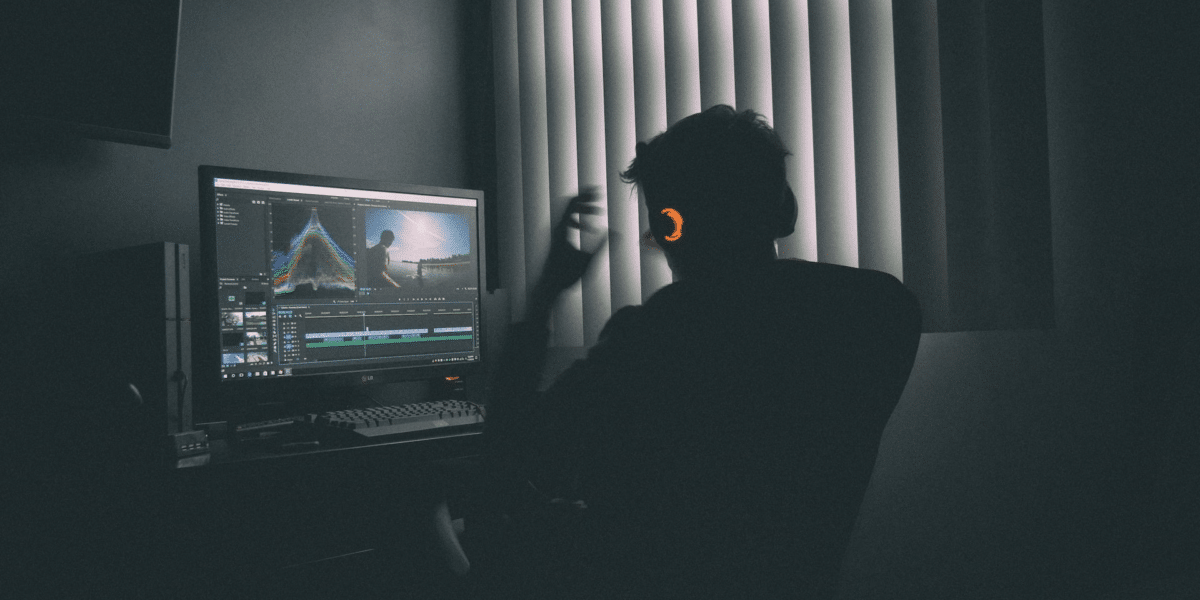
Gone are the days of lugging around bulky cameras and splicing film with razor blades. Editing software like Adobe Premiere Pro and Final Cut Pro offer user-friendly interfaces and a vast array of tools. These programs allow you to import footage, arrange it on a timeline, add transitions, manipulate sound, and color grade your film – all from the comfort of your home computer. According to a study, the user base for these programs has grown exponentially in recent years, fueled by their accessibility and affordability.

These programs aren’t just about editing. Pre-production tools like storyboarding software and scriptwriting programs like Celtx and Final Draft help you visualize your film and craft a compelling narrative. Filming itself doesn’t require a professional camera anymore. 

Smartphones with high-resolution cameras and readily available editing apps empower you to capture stunning visuals on the go. Imagine a documentary filmmaker capturing intimate moments in a remote village with just a smartphone – a feat that would have been unimaginable just a decade ago. Drone footage, once the exclusive domain of big-budget productions, is now achievable with readily available and affordable drones and editing software that can seamlessly integrate drone footage into your film.

Beyond the Tech: The Power of Online Communities

The digital revolution isn’t just about programs; it’s about fostering a global filmmaking community. Online platforms like YouTube and Vimeo provide a stage for aspiring filmmakers to showcase their work, garner feedback, and connect with a wider audience. Film festivals with online submissions allow you to compete with creators worldwide, opening doors to recognition and potential distribution opportunities. Imagine a young filmmaker from a small town submitting their film to an international online festival and having it discovered by a wider audience – a scenario that would have been impossible without the internet.

Social media platforms like Instagram and TikTok serve as breeding grounds for micro-content creation. People are constantly experimenting with short-form storytelling, pushing boundaries and developing new visual styles. A single, captivating minute-long video on TikTok can launch a filmmaker’s career, showcasing their talent and garnering a dedicated following. These online communities not only inspire creativity but also offer a platform for learning and collaboration. 

You can find tutorials on everything from filmmaking techniques to editing tricks, and even connect with other creators to collaborate on projects. Imagine a group of aspiring filmmakers scattered across the globe coming together online to write, shoot, and edit a short film – a testament to the power of the internet to connect and foster creativity.

The Challenges and the Rewards: A New Era of Filmmaking

Of course, making a great film still requires talent, dedication, and a good story. The ease of access doesn’t translate to instant masterpieces. Learning the craft, developing your storytelling skills, and honing your editing expertise all take time and effort. The competition is fierce, with a constant influx of new content vying for attention. Standing out in a sea of online content requires a unique voice, a compelling narrative, and the ability to capture the audience’s attention in a crowded digital landscape.

But the rewards are immense. The ability to share your vision with the world, to connect with an audience through your storytelling, and to leave your mark on the ever-evolving world of cinema – that’s a powerful incentive. The digital revolution has leveled the playing field, offering a unique opportunity for anyone with a story to tell and the passion to bring it to life. 

So, grab your smartphone, download some editing software, and start creating. The world of filmmaking is waiting for your unique voice. Remember, the next viral sensation or award-winning indie film might just come from you.

The Queen Bees and Their Buzz: Why Mean Girl Cliques Rule Teen Dramas

Teen movies and TV shows are like high school cafeterias: a whole lot of drama packed into a condensed space. And within this drama, there’s one recurring element that reigns supreme – the mean girl clique. 

These groups of seemingly flawless individuals, led by a ruthless queen bee, strike fear (and sometimes envy) into the hearts of their peers. But why are these cliques such a popular trope? Why do they keep buzzing around our screens?

The Allure of the Exclusive Club: Why Cliques Captivate Us

There’s a reason cliques exist in real life and translate so well to fiction. Humans are social creatures, wired for connection. According to a study on social psychology in teenagers, belonging to a group provides a sense of security, identity, and shared experiences. In teen dramas, cliques represent the ultimate “in” crowd, offering a sense of power, popularity, and control. They’re a microcosm of the adult world, where social status and belonging hold significant weight.

This exclusivity is part of the clique’s allure. Seeing a group with a seemingly impenetrable barrier makes us curious. We want to understand the dynamics, the unspoken rules, and the power they hold. Think about “The Breakfast Club.” Each member of the detention crew belongs to a different clique – the brain, the athlete, the princess, the basket case, and the criminal. By throwing them together, the film explores the arbitrary nature of cliques and the yearning for connection that transcends those divisions.

Beyond the Bullies: Exploring the Complexity of Cliques

However, teen dramas rarely paint cliques as simply one-dimensional groups of bullies. The best shows delve deeper, exploring the cracks in the seemingly perfect facade. We see the insecurities beneath the confident exterior of the queen bee, the pressure to conform felt by her followers, and the outsiders who desperately want in. 

Shows like “Mean Girls” are a prime example. Cady Heron, the new girl, initially tries to infiltrate the Plastics, the ultimate high school clique. But as she gets deeper, she witnesses the power struggles within the group, the emotional manipulation, and the emptiness that comes with prioritizing status over genuine connection.

A Cautionary Tale and a Reflection of Reality

Teen dramas that feature cliques often serve as cautionary tales. They show the negative consequences of prioritizing social status and the emotional toll of exclusion. We see friendships crumble, self-esteem plummet, and even bullying erupt, all fueled by the desire to belong to a particular group. Shows like “13 Reasons Why” explore the darker side of these dynamics, highlighting the devastating impact of bullying and social isolation.

At the same time, cliques in teen dramas hold a mirror to real-life social structures. They remind us of the power dynamics that exist in high schools, the pressure to fit in, and the sometimes painful reality of navigating complex social hierarchies. These shows can be a source of comfort for teenagers who themselves feel ostracized or long for acceptance. Seeing characters grapple with similar struggles can be validating and offer a sense of solidarity.

Beyond the Clique: Exploring Alternatives

The beauty of teen dramas is that they don’t just depict cliques; they also challenge them. Many shows offer alternative narratives, showcasing the importance of genuine friendships, self-acceptance, and finding a sense of belonging outside the confines of established groups. Shows like “Never Have I Ever” celebrate individuality and the power of forging connections with people who share your interests and values, regardless of their social status.

The Enduring Buzz of Cliques

Cliques might not be the healthiest social structures, but they remain a fixture in teen dramas because they tap into core human experiences – the desire for connection, the struggle for identity, and the complexities of social dynamics. By exploring the allure and the pitfalls of these exclusive groups, teen shows offer entertainment, spark important conversations, and ultimately remind us that true belonging comes from finding our own voice and connecting with those who appreciate us for who we truly are.

A Farewell to Silver Screens? Why Black and White Films Are a Fading Art Form

Remember the golden age of cinema?  The era of flickering  black and white films that captivated audiences with their stark visuals and timeless storytelling?  

While classics like “Casablanca” and “Singin’ in the Rain” continue to hold a special place in our hearts,  black and white seems to be a relic of the past in modern filmmaking.  But why is that?  Why have  black and white films fallen out of favor, and is there a place for them in today’s colorful cinematic landscape?

Beyond the Spectrum: The Allure and Limitations of Black and White

There’s an undeniable power to  black and white.  It strips away distractions, forcing the audience to focus on the story, the characters, and the raw emotions on display.  Imagine a tense scene in a film noir, the protagonist shrouded in  black and white shadows, the stark contrast heightening the suspense.  A recent study by the British Film Institute explores the enduring appeal of  black and white films, highlighting their ability to evoke a sense of nostalgia, timelessness, and heightened drama.

However,  black and white also has limitations.  It can’t capture the vibrant colors of a sunset or the lushness of a forest landscape.  For some stories, color is an essential element, adding depth and realism to the narrative.  Imagine a film set in a tropical paradise – wouldn’t the absence of color diminish the visual impact of the location?  In these cases, color becomes a storytelling tool, not just an aesthetic choice.

A Palette for Purpose: Modern Applications of Black and White

While  black and white might not be the dominant force it once was, it hasn’t completely disappeared from the silver screen.  Modern filmmakers still utilize  black and white for specific purposes.  Sometimes, it’s a deliberate artistic choice, a way to evoke a certain mood or pay homage to classic cinema.  Imagine a historical drama set in the early 20th century, filmed entirely in  black and white to create a sense of authenticity and period accuracy.

Black and white can also be used for symbolic effect.  Imagine a film that switches between color and  black and white to represent different realities or states of mind.  This technique can be a powerful way to explore themes of memory, loss, or psychological turmoil.  A recent article by  Filmmaker Magazine discusses the creative ways modern directors are using  black and white,  highlighting its potential to add a layer of depth and complexity to storytelling.

The Final Frame: A Spectrum of Choices for Modern Cinema

The decline of  black and white films isn’t necessarily a sign of artistic regression.  It’s more about the evolution of filmmaking and the vast  palette of storytelling tools now available to directors.  Color has become an integral part of the cinematic language, but  black and white still holds a unique power.  It can be a tool for artistic expression, a way to evoke specific emotions, or simply a stylistic choice that enhances a particular narrative.

Ultimately, the choice between color and  black and white lies with the filmmaker.  Each has its strengths and weaknesses, and the best choice will depend on the story being told.  So, while  black and white films might not be dominating the box office anymore, they remain a valuable tool in the filmmaker’s arsenal.  And who knows, maybe in the future, a visionary director will come along and use  black and white to create a masterpiece that redefines the possibilities of this timeless visual style.  

The beauty of cinema lies in its constant evolution, and  black and white films, with their enduring legacy and unique storytelling potential, are sure to find their place in the ever-expanding spectrum of cinematic expression.

America’s Sweetheart: Decoding the “Girl Next Door” Trope

She’s the one you grew up with, the friendly face you see walking her dog in the park, the girl with the infectious laugh who always seems to have a kind word. She’s the epitome of approachability, the girl next door – a character trope that has permeated entertainment for decades. 

But beneath the seemingly simple facade lies a complex archetype, one that can be both comforting and surprisingly subversive. Let’s delve into the world of the girl next door and explore the reasons why she remains a pop culture mainstay.

The Allure of Accessibility: Why We Love the Girl Next Door

The girl next door is the character we can all relate to. She’s not a billionaire socialite or a superhero with superhuman abilities. She’s down-to-earth, someone you could see grabbing coffee at your local café or volunteering at the animal shelter (a recent Psychology Today article explores the concept of relatability in fiction and its connection to audience engagement). Imagine a coming-of-age story where the protagonist falls for the witty and passionate barista instead of the glamorous supermodel. This relatability factor creates a sense of comfort and familiarity for the audience. We see ourselves, or someone we know, reflected in the girl next door, making her struggles and triumphs all the more engaging.

Furthermore, the girl next door often embodies traditional feminine virtues – kindness, compassion, and a strong moral compass. She’s the friend you can confide in, the one who always has your back. Think of a classic detective story where the protagonist, a tough-as-nails detective, relies on the sharp observations and unwavering support of his childhood friend, the girl next door, to crack the case. These qualities make her a character we root for, someone we genuinely want to see succeed.

However, the girl next door trope isn’t without its limitations. Historically, these characters have often been portrayed as lacking depth or ambition. Think of the countless films where the girl next door’s main goal in life is to snag the heart of the male protagonist. This one-dimensional portrayal can feel outdated and reductive. The girl next door deserves more than just being a love interest; she deserves a story that explores her full potential.

Beyond the Bake Sale: Evolving the Girl Next Door

Thankfully, the girl next door trope is evolving. Modern portrayals are breaking free from the limitations of the past. These new iterations are complex and multifaceted, showcasing the girl next door’s strength, independence, and hidden depths.

Imagine a fantasy novel where the girl next door, seemingly ordinary on the surface, turns out to be a powerful sorceress with a secret lineage. This unexpected twist challenges our preconceived notions about the character and showcases her potential beyond the traditional “good girl” stereotype. The girl next door can be a warrior princess, a brilliant inventor, or even a budding rockstar – the possibilities are endless.

Furthermore, the girl next door trope is no longer limited to heterosexual romances. Stories are increasingly exploring same-sex relationships where the girl next door represents a relatable love interest. Think of a young adult novel where the protagonist realizes their feelings for their childhood best friend, the girl next door who has always been there for them, defying traditional expectations and celebrating the complexities of human connection.

The enduring appeal of the girl next door trope lies in its ability to offer comfort and relatability while also evolving to reflect the changing face of society. She’s the character who reminds us that extraordinary qualities can reside in the most ordinary places. The next time you encounter the girl next door in a book, movie, or TV show, take a moment to appreciate her complexity. She might just surprise you with her hidden depths and unexpected strengths, proving that sometimes, the girl next door is anything but ordinary. 

After all, in an entertainment landscape filled with fantastical creatures and larger-than-life characters, the girl next door offers a refreshing reminder that real heroes and compelling stories can exist right next door, waiting to be discovered. She’s a reminder that sometimes, the most relatable characters are the ones who live right down the street, proving that extraordinary stories can bloom in the most ordinary places.

Beyond Bell-Bottoms and Band Tees: Why Vintage Clothes Speak Indie

Remember spending hours digging through racks of clothes at your local thrift store, the thrill of the hunt as you searched for that perfect, unique piece to add to your wardrobe? Thrifting and vintage fashion have become ingrained in the identity of the indie scene, but this connection goes far deeper than just a love for old clothes. It’s a conscious rejection of the homogenizing trends churned out by fast fashion giants and a vibrant celebration of personal expression. Let’s delve into the two key aspects that fuel this unique synergy between vintage fashion and the indie spirit.

In the first part, we’ll explore how vintage clothing allows individuals to break free from the shackles of mainstream fashion. We’ll see how it fosters a sense of individuality and self-expression, allowing indie spirits to curate a style that reflects their unique personalities and defies the pressure to conform. Additionally, we’ll examine how vintage clothing carries a sense of history and craftsmanship, qualities that resonate deeply with the indie appreciation for things built to last.

A Statement of Individuality: Breaking Free from the Mainstream

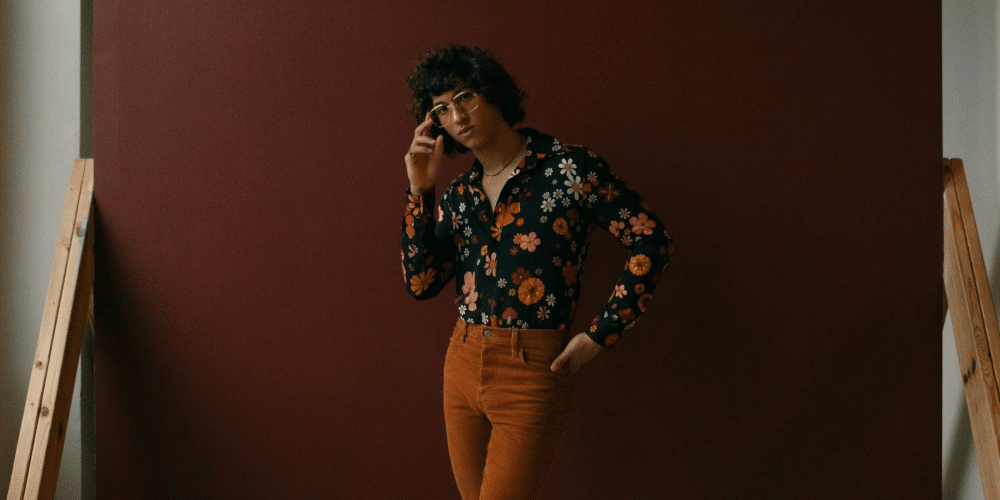
The indie scene, by its very nature, thrives on nonconformity. Indie music, art, and film often challenge mainstream sensibilities and offer alternative perspectives. Vintage fashion aligns perfectly with this spirit of rebellion. Instead of following the latest trends dictated by fast fashion brands, vintage allows individuals to curate their own unique style, one thrifted treasure at a time.

Imagine a sea of identical band tees at an indie concert. Vintage clothing breaks that mold. A mismatched floral dress paired with a classic leather jacket creates a statement piece that reflects the wearer’s personality and taste. It’s a way of saying, “I don’t need to follow the crowd; I define my own style.”

A recent study said that young adults are increasingly drawn to vintage fashion as a way to express themselves creatively. Vintage clothing offers a vast array of styles, eras, and textures, allowing for endless outfit combinations and a chance to truly stand out from the mainstream.

This focus on individuality extends beyond aesthetics. Vintage clothing often carries a sense of history and tells a story. Wearing a pre-owned garment can connect you to the past, spark conversations, and foster a sense of appreciation for craftsmanship in a world dominated by mass production.

Beyond Trends: A Sustainable Statement for a Conscious Generation

The indie scene is often environmentally conscious and critical of the fast fashion industry’s wasteful practices. Vintage clothing offers a sustainable alternative. By giving pre-loved clothes a new lease on life, you’re reducing your carbon footprint and participating in a more circular fashion system.

Furthermore, vintage clothing often boasts superior quality. Made with sturdier fabrics and better construction techniques, vintage pieces tend to last longer than their fast fashion counterparts. This focus on quality aligns with the indie spirit of valuing things that are built to last, not simply disposable trends.

The rise of vintage fashion also goes hand-in-hand with the growing movement towards ethical consumerism. Many indie consumers are concerned about the labor practices and environmental impact of the clothing they wear. Vintage clothing, by its very nature, avoids the ethical concerns associated with fast fashion production.

Vintage fashion isn’t just about aesthetics; it’s a cultural statement. It’s a way of expressing individuality, challenging mainstream trends, and making a conscious choice towards sustainability. In a world obsessed with the new and trendy, vintage clothing offers a refreshing alternative, allowing indie spirits to showcase their unique style and values through the clothes they wear. So, the next time you browse a vintage store, remember, you’re not just picking out an outfit; you’re making a statement about who you are and what you stand for.

A Palette of Unease: Why Horror Leans on the Color Green

We all know the go-to colors for horror: blood red, inky black, and the bone-chilling white of a ghost sheet. But there’s another shade that creeps into horror films and games more than you might realize: green. From the sickly glow of a decaying corpse to the unnatural tinge of possessed flesh, green adds a layer of unease unlike any other color. But why? Why is green the secret weapon of horror?

There are two main reasons why green gets its own VIP spot in the horror palette. The first is rooted in our biology and cultural associations, and the second lies in the power of subverting what should be familiar.

1. Green: The Color of Sickness and Spoilage

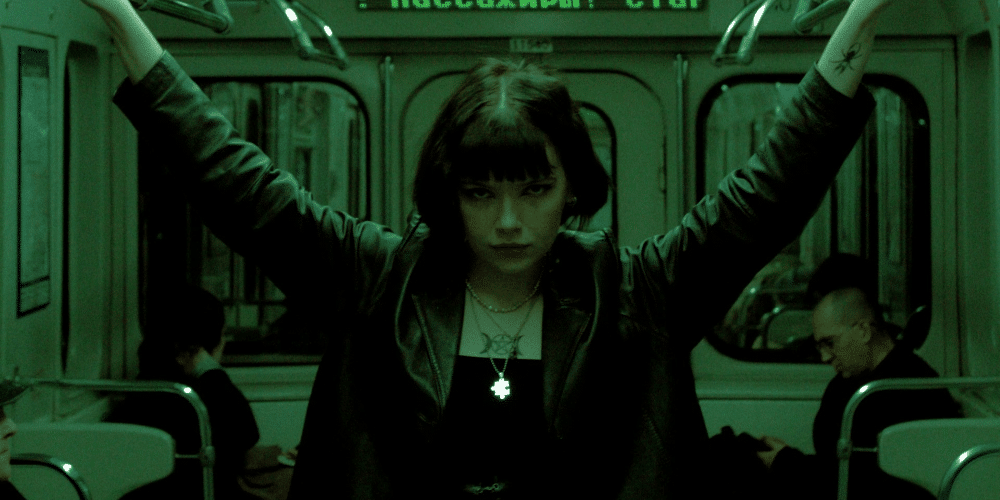
Let’s face it, humans are pretty good at subconsciously picking up on danger signs. One of those signs is green. In nature, green often indicates something rotten, diseased, or poisonous. Think about it: moldy food, gangrenous wounds, even stagnant swamp water – all these things share a sickly greenish hue. As a result, our brains have wired us to associate green with illness and decay. Horror movies tap into this primal fear, using shades of green to foreshadow danger and make us feel physically uncomfortable.

On top of that, green has cultural baggage that horror loves to exploit. In many cultures, green is associated with the supernatural or the dead. Think about the green, ghostly glow of leprechauns or banshees in folklore. Even the Grim Reaper is often depicted with a green, decaying complexion.

So, next time you see a character in a horror flick with a greenish pallor, don’t write it off as bad makeup. It’s a deliberate choice, a visual cue that something is very, very wrong.

2. Subverting the Natural World: When Green Means Danger

The second reason horror loves green is because it’s the color of nature. Lush green forests, vibrant green meadows – these are places of peace and tranquility, right?  Wrong. Horror takes something we perceive as safe and familiar and twists it into something unsettling.

Imagine a scene: you’re walking through a peaceful forest at night. The only light comes from the moon filtering through the leaves, casting an eerie green glow on everything. The familiar rustle of leaves in the wind takes on a sinister edge. The vibrant greens of the day become an unnatural, sickly shade.  This kind of scene is a masterclass in using green to create unease. It takes something beautiful and turns it menacing, reminding us that even nature can be a source of horror.

This subversion of the natural world goes beyond forests. Think about the glowing green ooze of a toxic waste spill in a horror movie, or the sickly green hue of a once-vibrant plant being taken over by a parasitic alien life form.  In these cases, green isn’t just a sign of decay; it’s a symbol of nature corrupted and turned against us.

3. Shades of Green: A Spectrum of Unease

But not all greens are created equal. The specific shade of green used can drastically change the feeling it evokes. A pale, sickly green suggests decay and disease, while a deeper, more emerald green can hint at something more alien and unnatural. Here are a few examples:

  • Lime Green: This bright, almost fluorescent green is often used to create a sense of artificiality and unease. Think of the glowing green lights of a haunted house or the sickly green gas emitted by a mutated creature.
  • Olive Green: This muted green evokes a sense of decay and neglect. It’s the color of stagnant water and abandoned buildings, perfect for creating a creepy atmosphere.
  • Forest Green: This deep, earthy green can be beautiful, but in horror it can take on a sinister quality. Imagine a lush forest bathed in an unnatural green light, hinting at something lurking beneath the surface.

By using different shades of green, horror filmmakers can create a wide range of unsettling emotions, from disgust to fear of the unknown.

So next time you’re watching a horror movie and you notice a flickering green light, or a character with a suspiciously green complexion, remember: it’s not just a coincidence. It’s a deliberate choice, a calculated use of color to make you squirm in your seat. After all, a little green can go a long way in the world of horror.

Beyond Retro Vibes: Why Synthwave Makes Us Want to Cruise Through Neon Nightmares

Remember the iconic scene in Drive, where Ryan Gosling cruises down a neon-drenched street, the pulsating soundtrack amplifying the film’s retro-futuristic aesthetic? That, my friends, is the magic of synthwave.  

More than just a musical genre, synthwave is a cultural experience – a sonic portal to a romanticized 80s vision of the future, filled with synthesizers, catchy melodies, and a healthy dose of nostalgia. But what exactly makes this electronic genre resonate with so many listeners?  Let’s crank up the volume and explore the irresistible appeal of synthwave.

Beyond the Nostalgia Trip:  A Fusion of Sounds and a Yearning for the Unknown

Synthwave isn’t simply a rehash of 80s hits.  It’s a clever fusion of classic synthesizer sounds with modern production techniques, creating a unique sonic landscape.  Think pulsating, driving basslines, shimmering arpeggios, and nostalgic vocals that evoke a sense of longing for a future that never quite arrived.  This blend of the familiar and the futuristic creates a captivating listening experience that’s both comforting and strangely unsettling.

A recent article on Vice explores the unique sound of synthwave, stating, “Synthwave isn’t just about replicating the past; it’s about reimagining it through a modern lens.  The music taps into our collective nostalgia for the 80s, but it also injects a sense of mystery and intrigue that keeps listeners hooked.”  This fusion of sounds allows synthwave to evoke a specific time period while remaining fresh and relevant for contemporary audiences.

Beyond the Arcade:  A Soundtrack for Imaginary Night Drives and Neon-Lit Cities

Synthwave is more than just music; it’s a mood.  It transports listeners to a world of neon-lit streets, pixelated landscapes, and late-night arcade battles.  The driving rhythms and atmospheric soundscapes create a perfect soundtrack for imaginary night drives through rain-slicked streets or thrilling chases through a dystopian cityscape.

A recent study by the University of California, Santa Barbara explores the link between music and imagination, stating, “Music can act as a powerful trigger for our imaginations, transporting us to different times and places.  Synthwave, with its evocative soundscapes, excels at creating a specific atmosphere that allows listeners to lose themselves in a world of their own creation.”  This immersive quality is a key part of synthwave’s appeal, allowing listeners to escape the ordinary and explore a world of vibrant possibilities.

Beyond the Cassette Tape:  A Genre for Dreamers, Gamers, and the Night Owls

Synthwave’s audience is as diverse as its sounds.  It attracts dreamers and nostalgics who yearn for a time they might not have even lived through.  It resonates with gamers who find its energetic melodies the perfect soundtrack for virtual adventures.  And it’s a favorite among night owls, its pulsating rhythms keeping them company during the wee hours.

A recent documentary on independent music scenes explores the diverse fanbase of synthwave, stating, “The beauty of synthwave is its inclusivity.  It appeals to a wide range of listeners, from those seeking a nostalgic escape to those who find inspiration in its futuristic soundscapes.”  This broad appeal allows synthwave to transcend generations and subcultures, uniting listeners through a shared appreciation for its unique sound and evocative atmosphere.

The Final Synth Line:  A Genre That Glows in the Dark

Synthwave is more than just a throwback; it’s a vibrant and evolving genre that continues to captivate listeners.  The fusion of classic sounds with modern production creates a captivating soundscape, while the evocative atmosphere transports us to a world of neon lights and endless possibilities.  

So, next time you crave a sonic adventure, put on some synthwave and let the music take you on a journey through time, space, and your own imagination.  Remember, synthwave isn’t just about the music; it’s about the feeling.  It’s a chance to escape the ordinary and embrace the glow of a world that flickers between nostalgia and a future that’s yet to be written.

Hollywood vs. Reality: Separating Fact from Fiction in Crime Films

Crime films grip us with their high-stakes chases, dramatic courtroom scenes, and thrilling detective work. But how much truth is there behind the flashy suits and witty one-liners? The reality is, crime films often take liberties with accuracy in their pursuit of entertainment. While some subgenres, like historical crime dramas, strive for a degree of realism, many prioritize drama and suspense over factual accuracy. This can lead to a significant disconnect between the high-octane world of cinema and the slow, methodical pace of real-life investigations.

Consider the iconic image of the lone detective hero, cracking a case single-handedly in a matter of hours. This portrayal couldn’t be further from the truth. Real investigations are collaborative efforts that involve a team of detectives, forensic specialists, and law enforcement personnel. Information gathering is a slow and meticulous process, often filled with dead ends and frustrating paperwork. 

The flashy crime scene resolutions we see in movies, with a single piece of evidence leading to a breakthrough, rarely happen in real life. Forensic science is a powerful tool, but it’s not a magic bullet. DNA analysis can take weeks or even months, and other forms of evidence collection can be painstakingly slow. This is just one example of how Hollywood condenses complex processes into bite-sized moments of drama, sacrificing realism for entertainment value.

CSI Doesn’t Live Here: Crime Solving is a Marathon, Not a Sprint

One of the biggest exaggerations in crime films is the lightning-fast pace of investigations. In movies, a detective can crack a case in a matter of hours, piecing together clues at a crime scene and nabbing the culprit by nightfall. A 2021 article by a former police detective stated, “Real investigations are long, tedious affairs, filled with dead ends and paperwork.” Gathering evidence, interviewing witnesses, and forensics all take time – often months, not minutes.

The portrayal of forensic science is another area ripe for exaggeration. Crime scene investigations in films often involve dramatic close-ups of fingerprints and DNA evidence, instantly leading to a breakthrough. In reality, forensics is painstaking and slow. Fingerprint analysis can take weeks, and DNA testing can be expensive and inconclusive.

The interrogation scenes in movies are equally unrealistic. Detectives in films often pressure suspects with aggressive tactics, extracting confessions with a well-timed bad cop/good cop routine. However, real-life interrogations are much more controlled environments, governed by strict protocols to prevent false confessions. They often involve building rapport with the suspect and patiently gathering information, a far cry from the dramatic shouting matches depicted on screen.

The Justice System Shuffle: Courtroom Dramas Take Liberties

Courtroom scenes in crime films are notorious for their dramatic flair. Lawyers deliver impassioned speeches, witnesses give last-minute revelations, and juries reach verdicts in a single episode. The reality of court proceedings is far less glamorous. Trials can drag on for weeks or even months, filled with procedural hurdles and mountains of paperwork.

Dramatic courtroom monologues rarely happen in real life. Lawyers typically present evidence in a concise and logical manner, focusing on facts rather than theatrics. Juries deliberate for hours, sometimes days, carefully weighing the evidence before reaching a verdict.

The portrayal of criminal justice in films often simplifies complex social issues. Movies might portray a clear-cut battle between good and evil, with a satisfying resolution at the end. Real-life criminal cases are rarely so black and white. They often involve underlying social problems, poverty, and addiction, which are not easily solved by putting a bad guy behind bars.

So, Why Do We Keep Watching?

Despite the lack of realism, crime films remain a popular genre. They offer a thrilling escape into a world of danger, suspense, and moral clarity. They allow us to experience the vicarious thrill of the chase, root for the underdog detective, and see justice (however fictional) prevail.

However, it’s important to be aware of the gap between Hollywood and reality. Crime films can be a source of entertainment, but they shouldn’t be mistaken for accurate portrayals of criminal justice. The next time you’re glued to a detective thriller, remember, the real story is likely far less dramatic, but probably a lot more interesting.