Entertainment Post

The Enduring Influence of Reggae Music: A Cultural Phenomenon That Transcends Borders


Reggae music, with its infectious rhythms, soulful melodies, and powerful messages of love, unity, and social justice, has left an indelible mark on the global music landscape. Originating in Jamaica in the late 1960s, reggae quickly captured the hearts and minds of listeners around the world, becoming more than just a genre of music but a cultural phenomenon with a lasting legacy. In this article, we’ll explore the rich history, enduring influence, and global impact of reggae music.

1. Origins and Roots of Reggae

Reggae music emerged in the late 1960s as a fusion of Jamaican musical styles such as ska and rocksteady, with influences from African drumming, rhythm and blues, and American jazz. Artists like Bob Marley, Peter Tosh, and Jimmy Cliff played pivotal roles in popularizing reggae both in Jamaica and abroad, blending catchy melodies with socially conscious lyrics that resonated with audiences worldwide.

2. The Rise of Bob Marley and the Wailers

No discussion of reggae music would be complete without mentioning Bob Marley and the Wailers, whose groundbreaking albums like “Catch a Fire” (1973) and “Exodus” (1977) propelled reggae onto the international stage. Marley’s iconic songs such as “One Love,” “Redemption Song,” and “No Woman, No Cry” became anthems of peace, love, and unity, transcending cultural and geographical boundaries to inspire generations of listeners.

3. Political and Social Commentary

Reggae music has always been more than just entertainment; it’s a powerful form of social and political commentary that gives voice to the marginalized and oppressed. From songs denouncing poverty, inequality, and injustice to rallying cries for revolution and resistance, reggae artists have used their music as a platform to advocate for change and raise awareness about pressing social issues.

4. Influence on Other Musical Genres

The influence of reggae music extends far beyond its Jamaican roots, permeating various musical genres and styles around the world. From the ska revival of the 1970s to the emergence of reggae fusion, dubstep, and dancehall in recent decades, reggae has left an indelible mark on popular music, inspiring artists from diverse backgrounds to incorporate its distinctive rhythms and sounds into their own musical creations.

5. Cultural and Spiritual Significance

Reggae music holds deep cultural and spiritual significance for Jamaicans and people of African descent around the world, serving as a source of pride, identity, and resilience in the face of adversity. Its infectious rhythms and uplifting messages of hope and liberation resonate with listeners of all ages and backgrounds, fostering a sense of unity and solidarity among diverse communities.

6. Global Reach and Legacy

Over the decades, reggae music has transcended geographical boundaries to become a global phenomenon, influencing artists and audiences on every continent. From the streets of Kingston to the stages of London, New York, and Tokyo, reggae festivals, concerts, and clubs attract fans from all walks of life, celebrating the genre’s rich heritage and enduring legacy.

7. Contemporary Voices and Evolution

While reggae music has its roots in Jamaica’s vibrant musical traditions, it continues to evolve and adapt to contemporary tastes and trends. Artists like Chronixx, Protoje, and Koffee are leading a new wave of reggae revival, blending traditional reggae sounds with modern production techniques and lyrical themes that reflect the realities of life in the 21st century.

8. Promoting Peace, Love, and Unity

At its core, reggae music promotes values of peace, love, and unity, serving as a powerful force for positive social change and cultural exchange. Whether it’s through the infectious rhythms of a ska beat or the soul-stirring melodies of a roots reggae ballad, reggae music has the power to uplift, inspire, and unite people from all corners of the globe.

Reggae Live On

The legacy and impact of reggae music are undeniable, with its infectious rhythms, soulful melodies, and powerful messages resonating with audiences around the world. From its roots in Jamaica to its global reach and influence, reggae music continues to transcend borders, generations, and cultures, serving as a beacon of hope, unity, and resilience in an ever-changing world. As long as there are voices singing out for justice, freedom, and love, the spirit of reggae will live on, inspiring future generations to embrace its message of peace, love, and unity.


The Appeal of Minimalist Album Covers: A Look at Why Artists Embrace Simplicity

In the world of music, album covers serve as the visual representation of an artist’s creative vision, offering listeners a glimpse into the mood, style, and themes of the music contained within. While some album covers are elaborate and intricate, others embrace a minimalist aesthetic, featuring simple designs, clean lines, and limited color palettes. In this article, we’ll explore why artists often prefer minimalist album covers, examining the aesthetic appeal, practical considerations, and artistic motivations behind this trend.

Catching the Eye with Simplicity

One of the key reasons why artists gravitate towards minimalist album covers is the visual impact of simplicity. In a cluttered and chaotic world, minimalist designs stand out for their clean lines, bold shapes, and striking compositions, drawing the viewer’s attention with their understated elegance. By stripping away unnecessary details and focusing on essential elements, minimalist album covers create a sense of visual clarity and balance that captivates the viewer’s eye and invites further exploration.

Evoking a Mood or Theme

Despite their simplicity, minimalist album covers have a remarkable ability to evoke mood, atmosphere, and emotion. Through the careful use of color, typography, and negative space, artists can convey a wide range of feelings and themes with just a few elements. Whether it’s the somber elegance of a monochromatic design, the playful whimsy of a geometric pattern, or the serene tranquility of an abstract composition, minimalist album covers have the power to set the tone for the music contained within, creating a cohesive and immersive listening experience for the audience.

Standing Out in a Crowded Market

In today’s digital age, where music is consumed primarily through streaming services and online platforms, the importance of a memorable album cover cannot be overstated. With millions of songs competing for listeners’ attention, artists must find ways to stand out in a crowded market, and minimalist album covers offer a distinctive and eye-catching solution. By eschewing elaborate illustrations and intricate designs in favor of clean, bold visuals, artists can create album covers that are instantly recognizable and memorable, making a lasting impression on listeners and setting their music apart from the competition.

Embracing the DIY Ethos

Another reason why artists are drawn to minimalist album covers is the do-it-yourself (DIY) ethos that they embody. In an era where independent artists have more control over their music than ever before, many musicians choose to create their own album artwork as a way of expressing their artistic vision and maintaining creative autonomy. Minimalist designs are particularly well-suited to this approach, as they often require less technical skill and resources to create than more complex illustrations or photographs, allowing artists to bring their vision to life with minimal equipment and expertise.

Fostering Collaboration with Visual Artists

While some artists prefer to create their own album covers, others collaborate with visual artists and designers to bring their vision to life. In these collaborations, minimalist album covers offer a versatile canvas for artistic experimentation and exploration, allowing musicians and visual artists to work together to create a cohesive and visually striking design that complements the music. By combining their talents and expertise, artists can create album covers that are greater than the sum of their parts, enriching the listening experience for fans and creating a lasting visual legacy for their music.

Mystery and Cleanliness with Minimalism

In conclusion, minimalist album covers have become a popular choice for artists across genres and generations, valued for their simplicity, elegance, and ability to evoke mood and emotion. Whether they’re catching the eye with bold shapes and clean lines, standing out in a crowded market with distinctive visuals, or embracing the DIY ethos of independent music-making, minimalist album covers offer artists a versatile and effective means of expressing their creative vision and connecting with listeners on a visual level. As the digital landscape continues to evolve and change, one thing remains clear: the timeless appeal of minimalist album covers shows no signs of fading anytime soon.

Exploring the Impact of Coffee Shop Music

Have you ever wondered why coffee shops always seem to have the perfect soundtrack playing in the background? From soothing jazz melodies to indie folk tunes, the music in coffee shops plays a crucial role in shaping the atmosphere and enhancing the overall experience for customers. Let’s delve into the world of coffee shop music and explore its impact on our mood, productivity, and sense of community.

Setting the Mood

The music played in coffee shops is carefully curated to create a warm and inviting atmosphere that encourages relaxation and socialization. Whether you’re catching up with friends, working on your laptop, or simply enjoying a quiet moment with a cup of coffee, the right music can elevate your mood and enhance your overall experience.

Soothing acoustic melodies and gentle rhythms are often chosen to complement the cozy ambiance of coffee shops, providing a pleasant backdrop for conversation and reflection. The music sets the tone for the space, creating a welcoming environment where customers can unwind and escape from the hustle and bustle of daily life.

Boosting Productivity

For many people, coffee shops have become alternative workspaces where they can escape distractions and focus on their tasks in a relaxed setting. The music played in these establishments can have a significant impact on productivity and concentration levels, helping customers stay focused and motivated as they work.

Research has shown that certain types of music, such as instrumental or ambient tracks, can enhance cognitive performance and improve mood. By creating a conducive work environment with the right music, coffee shops can attract remote workers and freelancers looking for a change of scenery without sacrificing productivity.

Fostering a Sense of Community

Beyond its impact on mood and productivity, the music in coffee shops also plays a vital role in fostering a sense of community and belonging. Shared musical experiences can create a sense of connection among customers, sparking conversations and forging friendships between strangers.

Moreover, coffee shop music often reflects the tastes and preferences of the local community, with playlists featuring a mix of popular hits, indie favorites, and emerging artists. This diversity of musical genres and styles adds to the inclusive and welcoming atmosphere of coffee shops, inviting customers to discover new music and engage with their surroundings.

Supporting Local Artists

Coffee shops also serve as important platforms for local artists and musicians to showcase their talent and connect with new audiences. Many coffee shops host live music events and open mic nights, providing a stage for aspiring artists to perform and share their music with the community.

By featuring live music and supporting local talent, coffee shops contribute to the cultural vibrancy of their neighborhoods and enrich the lives of their customers. Whether it’s a solo acoustic performance or a full band jam session, live music adds an extra layer of excitement and energy to the coffee shop experience, making it memorable for customers and performers alike.

Contrarian View: Is Coffee Shop Music Overrated?

Despite its many benefits, some critics argue that coffee shop music may be overrated or even annoying to certain customers. They contend that the constant background noise can be distracting for those seeking peace and quiet, especially during busy periods when the volume is turned up to drown out conversations and other ambient sounds.

Moreover, there is a concern that the repetitive nature of coffee shop playlists can lead to listener fatigue and boredom, with customers growing tired of hearing the same songs over and over again. While music is undoubtedly a central aspect of the coffee shop experience, there is a need for greater diversity and variety in playlists to cater to the diverse tastes of customers.

A New Ambiance

In summary, coffee shop music plays a crucial role in shaping the atmosphere, mood, and overall experience for customers. From setting the mood and boosting productivity to fostering a sense of community and supporting local artists, the music in coffee shops enhances the ambiance and creates a welcoming environment for all. While opinions may vary on the effectiveness of coffee shop music, its impact on the coffee shop experience cannot be denied, making it an integral part of the modern cafe culture.

How an Angle Changes a Film’s Composition

Angles are a fundamental aspect of cinematography, shaping the visual language of films and influencing how viewers perceive and interpret scenes. From low-angle shots that make characters appear powerful to high-angle shots that convey vulnerability, the choice of angle can profoundly impact a film’s composition and storytelling. This article explores how angles change a film’s composition and examines the creative possibilities they offer to filmmakers.

Understanding Angles in Cinematography

In cinematography, the term “angle” refers to the position from which a shot is taken relative to the subject or scene being filmed. Different angles can convey different perspectives, emotions, and meanings, allowing filmmakers to manipulate the viewer’s perception and engagement with the story.

One of the most common angles used in filmmaking is the eye-level angle, which provides a neutral and natural perspective that mimics the viewer’s point of view. Eye-level shots are often used for dialogue scenes and moments of emotional intimacy, as they create a sense of immediacy and realism.

Low-Angle Shots

Low-angle shots are taken from a position below the eye level of the subject, looking up towards them. These shots are often used to make characters appear larger than life, powerful, or dominant. By placing the camera below the subject, filmmakers can create a sense of authority and awe, emphasizing the character’s strength or significance within the narrative.

Low-angle shots are commonly employed in action sequences, superhero films, and scenes of triumph or victory. They can also be used to introduce intimidating or imposing characters, adding tension and suspense to the story.

High-Angle Shots

In contrast, high-angle shots are taken from a position above the eye level of the subject, looking down towards them. These shots can create a sense of vulnerability, powerlessness, or insignificance, as the viewer looks down on the characters from a position of authority.

High-angle shots are often used to convey feelings of fear, helplessness, or oppression. They can be particularly effective in horror films, thrillers, and scenes of conflict or danger, where they enhance the sense of suspense and heighten the emotional impact of the story.

Dutch Angle

The Dutch angle, also known as a canted angle or oblique angle, involves tilting the camera to create a diagonal composition. This technique is used to convey disorientation, tension, or psychological unease, as the tilted horizon disrupts the viewer’s sense of balance and stability.

Dutch angles are often employed in scenes of suspense, confusion, or psychological turmoil, where they enhance the sense of disorientation and heighten the emotional intensity of the moment. They can also be used to visually represent a character’s mental state or inner turmoil, reflecting their psychological journey throughout the narrative.

Creative Possibilities

Beyond their narrative implications, angles offer filmmakers a wide range of creative possibilities for expressing visual ideas and concepts. By experimenting with different angles, filmmakers can convey mood, atmosphere, and theme, adding depth and complexity to their storytelling.

For example, extreme angles, such as overhead shots or extreme close-ups, can create a sense of intimacy or claustrophobia, drawing viewers into the inner world of the characters. Wide-angle shots, on the other hand, can capture the vastness of landscapes or cityscapes, emphasizing the scale and grandeur of the setting.

Symbolism and Visual Metaphors

Angles can also be used to convey symbolism and visual metaphors in films. For example, a low-angle shot looking up at a character may symbolize their rise to power or their triumph over adversity. Similarly, a high-angle shot looking down on a character may symbolize their vulnerability or their submission to external forces.

Angles can also be used to create visual metaphors that reinforce the themes and motifs of a film. For example, a Dutch angle may be used to represent the instability and uncertainty of a character’s mental state, while a wide-angle shot may symbolize the vastness and complexity of the world around them.

The Road Ahead

Angles are a powerful tool in the filmmaker’s arsenal, shaping the composition and visual language of films in profound ways. Whether through low-angle shots that convey power and dominance, high-angle shots that evoke vulnerability and fear, or Dutch angles that create tension and disorientation, the choice of angle can have a significant impact on how viewers perceive and interpret scenes.

By understanding the nuances of angles and their effects on composition, filmmakers can enhance the storytelling experience, evoke emotional responses, and engage audiences on a deeper level. As technology continues to evolve and filmmakers push the boundaries of visual storytelling, the creative possibilities offered by angles will continue to inspire and captivate audiences for generations to come.

Evolution of Teen Movies: A Decade of Change in Adolescent Cinema

Over the past decade, the landscape of teen movies has undergone a significant transformation, reflecting the evolving tastes, attitudes, and experiences of today’s youth. From the rise of diverse representation to the exploration of complex themes and narratives, teen movies have evolved to reflect the changing cultural zeitgeist and the diverse perspectives of young audiences. In this article, we’ll explore how teen movies have changed in the past decade and the impact these changes have had on the genre.

1. Embracing Diversity

One of the most notable changes in teen movies over the past decade has been the embrace of diversity and representation. Filmmakers are increasingly seeking to tell stories that reflect the rich tapestry of human experience, featuring protagonists from diverse racial, ethnic, and cultural backgrounds. This shift towards inclusivity has resulted in a more nuanced and authentic portrayal of adolescence, allowing audiences to see themselves represented on screen in meaningful and empowering ways.

2. Breaking Stereotypes

In addition to embracing diversity, teen movies have also made strides in breaking stereotypes and challenging traditional gender norms. Female protagonists are no longer relegated to the role of love interest or sidekick but are instead taking center stage as complex and multidimensional characters with their own hopes, dreams, and ambitions. Likewise, male characters are breaking free from the confines of toxic masculinity, exploring vulnerability, sensitivity, and emotional depth in ways that were once considered taboo.

3. Exploring Complex Themes

Another trend in teen movies over the past decade has been the exploration of complex and mature themes. Filmmakers are no longer shying away from topics like mental health, sexuality, addiction, and social justice but are instead addressing them head-on with honesty, sensitivity, and empathy. By delving into these difficult and often taboo subjects, teen movies are providing a platform for important conversations and challenging audiences to confront the complexities of the world around them.

4. Blurring Genre Boundaries

Gone are the days when teen movies were strictly confined to one genre. Today’s adolescent cinema is blurring the lines between comedy, drama, romance, and even horror, offering audiences a diverse array of storytelling styles and narrative approaches. From coming-of-age comedies to gritty dramas to supernatural thrillers, teen movies are embracing a wide range of genres and styles, catering to the diverse tastes and preferences of young audiences.

5. Embracing Technology

With the rise of social media, smartphones, and digital technology, teen movies are increasingly reflecting the role that technology plays in the lives of today’s youth. From texting and tweeting to streaming and gaming, technology has become an integral part of the teenage experience, shaping the way young people communicate, interact, and navigate the world around them. In response, teen movies are incorporating technology into their narratives, exploring the impact it has on relationships, identity, and self-expression.

6. Shifting Cultural Zeitgeist

The cultural zeitgeist has shifted significantly over the past decade, and teen movies have evolved to reflect these changes. From the #MeToo movement to the Black Lives Matter protests to the rise of LGBTQ+ rights, today’s youth are coming of age in a world that is more politically engaged, socially aware, and culturally diverse than ever before. In response, teen movies are tackling pressing social issues and amplifying the voices of marginalized communities, empowering young audiences to take action and create positive change in their own lives and communities.

Teen Movies Change with the Adolescence

In conclusion, teen movies have undergone a significant transformation over the past decade, reflecting the changing cultural zeitgeist and the diverse perspectives of today’s youth. From embracing diversity and breaking stereotypes to exploring complex themes and blurring genre boundaries, adolescent cinema has evolved to reflect the rich tapestry of human experience and the unique challenges and opportunities of growing up in the 21st century. As we continue to navigate the complexities of adolescence and adulthood, teen movies will remain a vital and relevant part of our cinematic landscape, offering audiences a mirror to our own experiences and a glimpse into the hopes, dreams, and struggles of today’s youth.

Why Millennials and Gen Z are Romantically Drawn to Vinyl Records

In an age of digital streaming and instant access to music, there’s a surprising trend among millennials and Gen Z: a renewed interest and romanticization of vinyl records. Despite the convenience of streaming platforms like Spotify and Apple Music, many young music enthusiasts are turning to vinyl records for their listening pleasure. In this article, we’ll delve into the reasons behind this unexpected phenomenon and explore why vinyl records hold such a special place in the hearts of millennials and Gen Z.

Nostalgia and Vintage Appeal

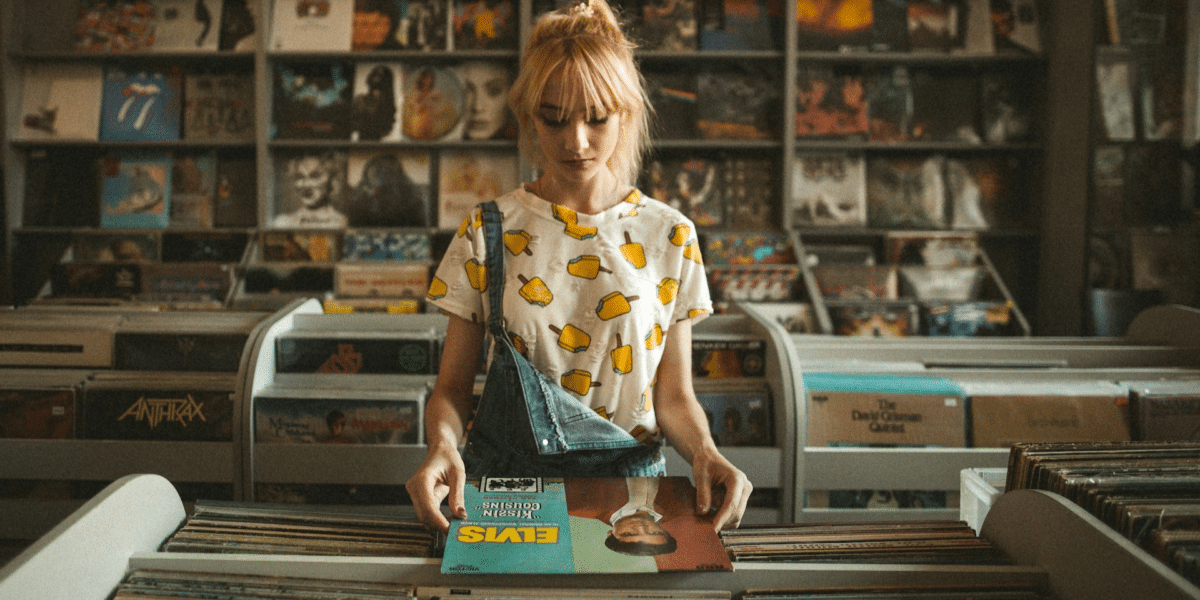
One of the primary reasons why millennials and Gen Z romanticize vinyl records is the nostalgia and vintage appeal associated with them. For many younger music lovers who grew up in the digital age, vinyl records represent a connection to a bygone era—a time when music was tangible, and album art was cherished. There’s something inherently nostalgic about the crackle of a record spinning on a turntable and the tactile experience of flipping through a stack of vinyl albums. For some, collecting vinyl records is a way to connect with the past and recapture the magic of a simpler time.

Tangible and Collectible

In an era dominated by digital downloads and streaming, vinyl records offer a tangible and collectible alternative that appeals to millennials and Gen Z. Unlike digital files that can be easily deleted or forgotten, vinyl records are physical objects that hold value beyond their audio content. From their large-format album art to their colorful vinyl discs, each record is a unique piece of art that can be proudly displayed and admired. Additionally, the act of collecting vinyl records can become a hobby in itself, with enthusiasts scouring record stores, flea markets, and online marketplaces in search of rare and coveted titles to add to their collections.

Superior Sound Quality

Despite the convenience of digital streaming, many millennials and Gen Z are drawn to the superior sound quality offered by vinyl records. Unlike digital files, which are compressed and often optimized for convenience rather than fidelity, vinyl records deliver a warm and rich sound that many audiophiles prefer. The analog nature of vinyl reproduction, combined with the inherent imperfections of the medium, results in a unique listening experience that can’t be replicated by digital formats. For music enthusiasts who value high-quality audio and a more immersive listening experience, vinyl records offer a refreshing alternative to digital streaming.

Social and Cultural Significance

Vinyl records also hold social and cultural significance for millennials and Gen Z, serving as a symbol of counterculture and rebellion against mainstream consumerism. In an age where music consumption is dominated by algorithm-driven playlists and corporate-owned streaming platforms, vinyl records represent a return to grassroots music culture and independent expression. Many younger music enthusiasts view vinyl records as a statement of individuality and authenticity, signaling their rejection of mass-produced, disposable media in favor of something more meaningful and enduring.

Connection to Artists and Albums

For millennials and Gen Z, vinyl records offer a deeper connection to their favorite artists and albums. Unlike digital streaming, where entire music libraries can be accessed with a few clicks, vinyl records encourage listeners to engage more deeply with the music and the artists behind it. From reading liner notes and lyrics to admiring album artwork and packaging, the vinyl listening experience is immersive and interactive, fostering a deeper appreciation for the music and the creative process behind it. Many younger music enthusiasts value this deeper connection and the sense of intimacy it provides, making vinyl records an appealing choice for their listening habits.

Finding Joy in Physical Pieces of Music

The resurgence of interest in vinyl records among millennials and Gen Z can be attributed to a variety of factors, including nostalgia, collectibility, sound quality, social and cultural significance, and a deeper connection to artists and albums. Despite living in a digital age, many younger music enthusiasts are drawn to the tactile experience and vintage appeal of vinyl records, finding joy in the act of collecting and listening to physical albums. Whether it’s the crackle of a record spinning on a turntable or the thrill of discovering a rare gem in a record store, vinyl records continue to captivate the hearts and minds of millennials and Gen Z, proving that the allure of analog music is as strong as ever.

Exploring the Popularity of 3D Films in the 2010s: A Look Back at the Decade of Depth

The 2010s saw a surge in the popularity of 3D films, with audiences flocking to theaters to experience movies in three dimensions. From blockbuster action flicks to animated family favorites, 3D technology transformed the cinematic landscape and captivated audiences around the world. In this article, we’ll delve into the reasons why 3D films were so popular in the 2010s and examine the factors that contributed to their widespread appeal.

Immersive Cinematic Experience

One of the primary reasons for the popularity of 3D films in the 2010s was the immersive cinematic experience they offered audiences. Unlike traditional 2D films, which are limited to a flat screen, 3D films allowed viewers to feel like they were part of the action, with images appearing to leap off the screen and into their laps. This heightened sense of immersion and realism made 3D films particularly appealing for genres such as action, adventure, and fantasy, where spectacle and visual effects are key components of the viewing experience.

Technological Advancements

Advancements in 3D technology played a significant role in driving the popularity of 3D films in the 2010s. With the development of digital 3D projection systems and high-definition stereoscopic cameras, filmmakers were able to create visually stunning and technically sophisticated 3D films that pushed the boundaries of what was possible on screen. These technological advancements allowed for greater precision and control in the creation of 3D effects, resulting in a more seamless and immersive viewing experience for audiences.

Enhanced Visual Effects

The rise of 3D films in the 2010s coincided with a boom in the use of computer-generated imagery (CGI) and visual effects in filmmaking. 3D technology allowed filmmakers to showcase their visual effects in stunning detail, with larger-than-life creatures, breathtaking landscapes, and jaw-dropping action sequences that wowed audiences. Whether it was the lifelike dinosaurs of “Jurassic World” or the otherworldly creatures of “Avatar,” 3D films pushed the boundaries of visual storytelling and raised the bar for cinematic spectacle.

Premium Pricing and Revenue Boost

Another factor contributing to the popularity of 3D films in the 2010s was the premium pricing associated with 3D screenings. Movie theaters typically charged higher ticket prices for 3D showings, making them a lucrative source of revenue for studios and exhibitors. This premium pricing model incentivized studios to release more films in 3D and encouraged audiences to opt for the 3D experience, even for films that were not originally shot or designed for 3D. The additional revenue generated from 3D ticket sales helped offset production costs and contributed to the overall success of 3D films at the box office.

Studio Investments and Marketing Push

Studios and filmmakers also played a significant role in driving the popularity of 3D films in the 2010s through strategic investments and marketing campaigns. Major studios invested heavily in 3D production and distribution, earmarking substantial budgets for 3D conversion, post-production, and marketing expenses. These investments were often accompanied by extensive marketing campaigns that promoted the 3D experience as a must-see event, generating buzz and excitement among audiences and driving ticket sales for 3D screenings.

Audience Demand and Novelty Factor

Audience demand and the novelty factor also contributed to the popularity of 3D films in the 2010s. For many moviegoers, the allure of 3D technology and the promise of a more immersive viewing experience were irresistible, driving them to theaters in search of the latest 3D releases. The novelty of 3D films also helped attract audiences who were curious to see what all the hype was about, leading to strong opening weekend performances and sustained box office success for many 3D releases.

Cultural Phenomena and Franchise Appeal

Finally, the 2010s saw the emergence of several cultural phenomena and blockbuster franchises that further fueled the popularity of 3D films. From the superhero epics of the Marvel Cinematic Universe to the epic space operas of “Star Wars” and “Star Trek,” 3D films became synonymous with big-budget tentpole releases and fan-favorite franchises. The promise of seeing beloved characters and iconic moments come to life in three dimensions helped drive anticipation and excitement for 3D releases, contributing to their commercial success and enduring appeal.

A Lasting Cinematic Legacy

The popularity of 3D films in the 2010s can be attributed to a combination of factors, including the immersive cinematic experience they offered, technological advancements in 3D technology, enhanced visual effects, premium pricing and revenue boost, studio investments and marketing push, audience demand and novelty factor, and cultural phenomena and franchise appeal. Together, these factors helped propel 3D films to the forefront of the cinematic landscape, captivating audiences and shaping the way we experience movies for years to come. While the popularity of 3D films may have waned in recent years, their impact on the film industry and the moviegoing experience remains undeniable, leaving behind a legacy of innovation, spectacle, and excitement.

Tips for Handling Being Separated from Friends at a Concert

Concerts are exciting events where people come together to enjoy live music, dance, and have a great time with friends. However, it’s not uncommon for groups to get separated in the crowd, especially in the midst of all the excitement and energy. If you find yourself separated from your friends at a concert, there are several solutions you can try to reconnect and ensure everyone stays safe and has a good time. In this article, we’ll explore some practical tips and strategies for handling being separated from friends at a concert, so you can enjoy the music and make the most of the experience.

1. Establish a Meeting Point

Before the concert begins, establish a designated meeting point where you and your friends can regroup if you get separated. Choose a specific landmark or location that’s easy to find and accessible from different areas of the venue, such as a designated entrance, concession stand, or merchandise booth. Make sure everyone in your group knows the meeting point and agrees to meet there if they get separated from the rest of the group. This will make it easier to reunite quickly and efficiently, without wasting time searching for each other in the crowd.

2. Use Technology to Stay Connected

In today’s digital age, technology can be a valuable tool for staying connected with friends at a concert. Use your smartphone to send text messages, make phone calls, or use messaging apps like WhatsApp or Facebook Messenger to communicate with your friends and coordinate your whereabouts. Consider sharing your location with each other using a location-sharing app or feature, so you can easily track each other’s movements and find your way back together if you get separated. Just remember to keep your phone charged and check your messages regularly to stay in touch with your friends throughout the concert.

3. Stick Together in the Crowd

When navigating through the crowd at a concert, try to stick together as a group to minimize the risk of getting separated. Hold hands, link arms, or form a single-file line to stay connected and make it easier to move through the crowd together. If you need to squeeze through a tight space or navigate a crowded area, designate a “leader” to guide the group and signal to the rest of the group to follow closely behind. By staying together and looking out for each other, you can reduce the chances of getting lost or separated in the crowd.

4. Stay Calm and Remain Patient

If you do find yourself separated from your friends at a concert, it’s important to stay calm and remain patient while you work on reuniting with them. Resist the urge to panic or become overwhelmed by the situation, and instead focus on staying composed and thinking clearly about your next steps. Take a deep breath, assess your surroundings, and try to remember the meeting point or location where you agreed to regroup with your friends. Keep an eye out for familiar faces or landmarks that can help guide you back to your group, and trust that you’ll be able to reconnect with them soon.

5. Seek Help from Venue Staff

If you’re unable to locate your friends on your own or need assistance reuniting with them, don’t hesitate to seek help from venue staff or security personnel. Approach a staff member or security guard and explain your situation calmly and politely, providing them with a description of your friends and any relevant details that can help them assist you. Venue staff are trained to handle situations like this and can often provide valuable assistance in reuniting separated groups and ensuring everyone stays safe and accounted for. Don’t be afraid to ask for help if you need it – venue staff are there to ensure you have a positive concert experience.

6. Stay Safe and Look Out for Each Other

Above all, it’s important to prioritize safety and look out for each other when you’re separated from your friends at a concert. Stay aware of your surroundings, avoid wandering off alone, and stick to well-lit and populated areas of the venue. If you feel uncomfortable or unsafe at any point, don’t hesitate to seek assistance from venue staff or security personnel. Likewise, keep an eye out for your friends and offer assistance if you see them in need of help. By staying vigilant and looking out for each other, you can ensure that everyone in your group stays safe and has a positive concert experience, even if you get separated temporarily.

Stay Connected When Separated

Getting separated from your friends at a concert can be a stressful experience, but with the right strategies and solutions, you can quickly and efficiently reunite with your group and get back to enjoying the music together. By establishing a meeting point, using technology to stay connected, sticking together in the crowd, staying calm and patient, seeking help from venue staff when needed, and prioritizing safety and looking out for each other, you can navigate the challenges of being separated from your friends and ensure everyone has a memorable and enjoyable concert experience. So next time you find yourself separated from your friends at a concert, remember these tips and strategies to help you stay connected and make the most of the experience.

Planning Your Festival Experience: When to Purchase Tickets for Music Festivals

Attending a music festival is an exhilarating experience that offers the opportunity to immerse yourself in live music, art, and culture. However, deciding when to purchase tickets for a music festival can be a daunting task, with factors such as ticket availability, pricing, and lineup announcements influencing your decision. In this article, we explore the considerations and strategies for determining how far ahead you should buy tickets to a music festival to ensure a seamless and enjoyable festival experience.

Early Bird vs. Regular Tickets

Many music festivals offer early bird ticket sales as a way to incentivize early purchases and reward loyal attendees. Early bird tickets are typically released several months in advance of the festival and are offered at a discounted price compared to regular tickets. If you’re confident that you want to attend a particular festival and are comfortable committing to your plans well in advance, purchasing early bird tickets can be a cost-effective option. However, keep in mind that early bird tickets may come with certain restrictions or conditions, such as limited availability or non-refundable deposits, so be sure to read the terms and conditions carefully before making your purchase.

Lineup Announcements and Artist Confirmations

For many festival-goers, the lineup is a major deciding factor in whether or not to attend a music festival. As such, waiting for lineup announcements and artist confirmations before purchasing tickets can be a wise strategy, especially if you’re interested in seeing specific artists or bands. Music festivals typically announce their lineups several months in advance of the event, giving attendees ample time to review the roster of performers and make an informed decision about purchasing tickets. Keep an eye on social media, festival websites, and music news outlets for lineup announcements and updates to ensure you don’t miss out on your favorite acts.

Ticket Availability and Demand

Ticket availability and demand can vary widely depending on the popularity and reputation of the music festival, as well as the size and capacity of the venue. For larger, more well-known festivals, tickets may sell out quickly, especially for highly anticipated events or special editions featuring iconic headliners. In such cases, purchasing tickets as soon as they become available—whether through early bird sales or regular ticket releases—can be essential to securing your spot at the festival. Conversely, smaller, niche festivals may have more lenient ticketing policies and greater availability closer to the event date, allowing for greater flexibility in your purchasing timeline.

Budgeting and Financial Planning

Another important consideration when purchasing tickets for a music festival is budgeting and financial planning. Festival tickets can be a significant expense, especially when factoring in additional costs such as travel, accommodations, food, and merchandise. Before buying tickets, take the time to assess your budget and determine how much you’re willing and able to spend on the festival experience. Consider setting aside funds specifically for festival-related expenses and planning your ticket purchase accordingly to ensure you stay within your budget and avoid overspending.

Conclusion

In conclusion, determining how far ahead to buy tickets to a music festival requires careful consideration of several factors, including early bird vs. regular ticket options, lineup announcements and artist confirmations, ticket availability and demand, and budgeting and financial planning. Whether you opt to purchase early bird tickets to take advantage of discounted pricing, wait for lineup announcements to ensure your favorite artists are performing, or simply want to secure your spot at a popular festival before tickets sell out, planning ahead is key to ensuring a seamless and enjoyable festival experience. So whether you’re a seasoned festival-goer or attending your first music festival, take the time to research your options, weigh your priorities, and make an informed decision about when to purchase tickets to your next musical adventure.

Crafting Surreal Films: Techniques to Captivate Audiences

Creating a surreal atmosphere in films can transport audiences to fantastical worlds, blur the line between reality and imagination, and evoke powerful emotions. From dream sequences to abstract imagery, filmmakers use a variety of techniques to infuse their films with surreal elements that leave a lasting impact on viewers. In this article, we’ll explore how to make a film feel surreal and captivate audiences with otherworldly visuals and storytelling.

1. Utilize Symbolism and Metaphor

One effective way to make a film feel surreal is to incorporate symbolism and metaphor into the storytelling. By using symbolic imagery, objects, or characters, filmmakers can convey deeper meanings and themes that resonate with audiences on a subconscious level. Whether it’s a recurring motif, a cryptic symbol, or a mysterious object, symbolism can add layers of complexity and intrigue to the narrative, inviting viewers to interpret and uncover hidden messages within the story.

2. Experiment with Visual Effects

Visual effects play a crucial role in creating surreal films, allowing filmmakers to bend reality and unleash their imagination on screen. From CGI to practical effects, there are endless possibilities for bringing surreal elements to life visually. Whether it’s manipulating time and space, distorting reality, or creating fantastical creatures and environments, visual effects can transport audiences to otherworldly realms and immerse them in a truly surreal experience.

3. Play with Sound and Music

Sound and music are powerful tools for enhancing the surreal atmosphere of a film. By manipulating soundscapes, adding eerie sound effects, or incorporating experimental music, filmmakers can create a sense of unease, mystery, or wonder that complements the visual storytelling. From ambient noises to haunting melodies, sound can evoke emotions and sensations that enhance the surreal nature of the film and transport viewers to a dreamlike state of mind.

4. Explore Nonlinear Narratives

Nonlinear narratives are another effective way to make a film feel surreal. By eschewing traditional storytelling conventions and playing with the structure of time and space, filmmakers can create a sense of disorientation and unpredictability that mirrors the surreal experience of dreams or hallucinations. Whether it’s through flashbacks, dream sequences, or parallel storylines, nonlinear narratives can challenge viewers’ perceptions and invite them to question the nature of reality.

5. Embrace Ambiguity and Uncertainty

Surreal films often thrive on ambiguity and uncertainty, leaving room for interpretation and inviting viewers to engage with the story on a deeper level. By embracing ambiguity in the storytelling, filmmakers can create an air of mystery and intrigue that keeps audiences captivated from start to finish. Whether it’s leaving certain plot points unresolved, introducing enigmatic characters, or presenting surreal imagery without explanation, ambiguity can add depth and complexity to the film’s narrative and spark conversation among viewers.

6. Blur the Boundaries Between Fantasy and Reality

In surreal films, the line between fantasy and reality is often blurred, creating a sense of fluidity and ambiguity that keeps audiences guessing. By juxtaposing fantastical elements with mundane or everyday settings, filmmakers can create a sense of cognitive dissonance that challenges viewers’ perceptions of the world around them. Whether it’s through visual storytelling, symbolic imagery, or thematic exploration, blurring the boundaries between fantasy and reality can create a surreal experience that lingers long after the credits roll.

7. Tap into the Subconscious Mind

Surreal films often tap into the subconscious mind, exploring themes and imagery that resonate on a primal level with viewers. By delving into universal fears, desires, and anxieties, filmmakers can create an emotional connection with audiences that transcends rational thought. Whether it’s exploring existential themes, confronting inner demons, or delving into the depths of the human psyche, tapping into the subconscious mind can evoke powerful emotions and create a truly surreal viewing experience.

8. Experiment with Cinematography and Editing

Cinematography and editing play a crucial role in shaping the visual language of a film and creating a surreal atmosphere. By experimenting with camera angles, framing, and editing techniques, filmmakers can manipulate the viewer’s perception of time, space, and reality. Whether it’s through disorienting camera movements, unconventional shot compositions, or rapid-fire editing, cinematography and editing can heighten the surreal nature of the film and immerse viewers in a visually stunning and thought-provoking experience.

The Catharsis of Surrealism

Making a film feel surreal requires a combination of imagination, creativity, and technical skill. By utilizing symbolism and metaphor, experimenting with visual effects, playing with sound and music, exploring nonlinear narratives, embracing ambiguity and uncertainty, blurring the boundaries between fantasy and reality, tapping into the subconscious mind, and experimenting with cinematography and editing, filmmakers can create a truly surreal viewing experience that captivates audiences and leaves a lasting impression. With these techniques in mind, filmmakers can unleash their creativity and transport viewers to fantastical realms of the imagination, where anything is possible and reality is just a suggestion.