Entertainment Post

Your First Rave: What You Need to Know Before You Go


Attending a rave for the first time can be an exhilarating and memorable experience. With its pulsating music, colorful lights, and vibrant atmosphere, raves offer a unique opportunity to let loose and immerse yourself in the electronic dance music (EDM) culture. However, if you’re new to the rave scene, it’s essential to know what to expect and how to prepare for the event. In this article, we’ll provide you with some tips and guidelines to help you navigate your first rave and ensure you have a safe and enjoyable time.

Understand the Rave Culture

Before attending a rave, it’s essential to understand the culture and atmosphere of these events. Raves are typically large-scale dance parties that feature electronic music, including genres like techno, house, trance, and dubstep. The atmosphere is often energetic and euphoric, with attendees dancing and socializing throughout the night. Raves are known for their inclusive and accepting vibe, where people of all backgrounds come together to celebrate music and self-expression. Understanding and embracing the rave culture can help you feel more comfortable and immersed in the experience.

Research the Event

Before attending a rave, take some time to research the event and familiarize yourself with the lineup, location, and schedule. Check the event’s website or social media pages for information about the artists performing, the venue layout, and any special attractions or activities planned for the night. Pay attention to details like ticket prices, age restrictions, and entry requirements to ensure you’re prepared for the event. Additionally, read reviews and feedback from past attendees to get a sense of what to expect and how to best prepare for the rave.

Dress Comfortably

When it comes to dressing for a rave, comfort is key. Choose clothing and footwear that allow you to move freely and comfortably throughout the night. Many ravers opt for colorful and eye-catching outfits, such as neon clothing, glittery accessories, and funky costumes, to express their individuality and creativity. However, the most important thing is to wear clothing that you feel comfortable and confident in. Remember that raves can get crowded and hot, so dress in layers and bring a jacket or sweater in case you get chilly.

Stay Hydrated

Staying hydrated is crucial when attending a rave, especially if you plan on dancing for extended periods. Raves can be physically demanding, and it’s easy to become dehydrated from dancing, sweating, and being in a crowded environment. Be sure to drink plenty of water throughout the night to keep your body hydrated and prevent overheating. Consider bringing a refillable water bottle or purchasing water from the venue’s concession stand. Avoid excessive alcohol consumption, as it can dehydrate you further and impair your judgment.

Stay Safe

While raves are generally safe and welcoming environments, it’s essential to prioritize your safety and well-being at all times. Stick together with your friends and watch out for each other throughout the night. Familiarize yourself with the venue layout and locate emergency exits in case of an evacuation. Be cautious of strangers offering substances or drinks, and never accept anything from someone you don’t know and trust. If you feel uncomfortable or unsafe at any point during the rave, don’t hesitate to seek help from event staff or security personnel.

Pace Yourself

Raves often last for several hours, and it’s essential to pace yourself to avoid burning out too quickly. Take breaks from dancing periodically to rest, recharge, and catch your breath. Use this time to explore the venue, socialize with other attendees, and take in the sights and sounds of the event. Pace your alcohol consumption if you choose to drink, and avoid mixing substances or overindulging. Remember that raves are marathons, not sprints, so take it slow and enjoy the experience at your own pace.

Respect Others

Respect and courtesy are fundamental principles of rave culture, and it’s important to treat others with kindness and consideration throughout the event. Be mindful of your personal space and the space of those around you, and avoid pushing or shoving in crowded areas. Respect the performers, event staff, and fellow attendees, and refrain from disruptive or disrespectful behavior. Raves are a collective experience, and everyone deserves to feel safe, respected, and included.

Have Fun and Embrace the Experience

Above all, remember to have fun and embrace the experience of attending your first rave. Let go of any inhibitions and allow yourself to get lost in the music and the moment. Dance like nobody’s watching, meet new people, and create memories that will last a lifetime. Raves are about celebrating music, community, and self-expression, so allow yourself to fully immerse yourself in the experience and enjoy every moment of it. With the right attitude and preparation, your first rave can be an unforgettable and transformative experience that you’ll cherish for years to come.


Understanding Concert Rules: Why Some Venues Prohibit Bringing Your Own Drinks

Concerts are a popular pastime for music enthusiasts, providing an opportunity to see their favorite artists perform live and immerse themselves in the excitement of a live music experience. While attending a concert can be an exhilarating experience, concertgoers may encounter certain rules and regulations, including restrictions on bringing your own drinks into the venue. In this article, we’ll explore why some concerts prohibit bringing your own drinks and what factors contribute to this policy.

1. Venue Policies and Regulations

One of the primary reasons why some concerts prohibit bringing your own drinks is due to the venue’s policies and regulations. Many concert venues have strict rules in place regarding outside food and beverages to maintain control over what is consumed on their premises. These policies are often established to ensure the safety and well-being of patrons, as well as to comply with local health and safety regulations.

2. Security Concerns

Security concerns also play a significant role in why some concerts prohibit bringing your own drinks. Concert organizers and venue management prioritize the safety and security of attendees, and allowing outside drinks into the venue can pose potential risks. Unchecked beverages could contain prohibited substances or pose a safety hazard if spilled or tampered with, leading to potential disruptions or harm to patrons.

3. Revenue Generation

Another factor that influences the decision to prohibit outside drinks at concerts is revenue generation. Concession sales, including beverages, are a significant source of revenue for concert venues and organizers. By restricting outside drinks, venues can encourage attendees to purchase beverages from on-site vendors, thereby boosting sales and supporting the financial viability of the event.

4. Alcohol Licensing Regulations

Alcohol licensing regulations also contribute to why some concerts prohibit bringing your own drinks. Many concert venues hold licenses to sell alcohol on their premises, and allowing patrons to bring their own alcoholic beverages could violate these licensing agreements. To maintain compliance with local laws and regulations, venues may enforce strict policies against outside alcohol consumption.

5. Crowd Management

Crowd management is another consideration that influences the decision to prohibit outside drinks at concerts. Large gatherings of people, such as concerts, pose logistical challenges for venue staff, including crowd control and maintaining order. Allowing outside drinks can exacerbate these challenges, as it creates additional variables for staff to monitor and manage, potentially leading to overcrowding or safety issues.

6. Health and Safety

Health and safety concerns also factor into why some concerts prohibit bringing your own drinks. Outside beverages may not meet the same quality and safety standards as those sold by authorized vendors, increasing the risk of contamination or illness. By restricting outside drinks, venues can ensure that attendees consume beverages that meet established health and safety guidelines, minimizing the risk of adverse health effects.

7. Supporting Local Businesses

Some concert venues may choose to prohibit outside drinks as a means of supporting local businesses and vendors. By encouraging attendees to purchase beverages from on-site vendors, venues can contribute to the local economy and support small businesses within the community. This can have positive ripple effects, benefiting the local economy and fostering a sense of community involvement.

8. Environmental Considerations

Environmental considerations may also influence the decision to prohibit outside drinks at concerts. Single-use plastic bottles and containers are a significant source of waste at large events, contributing to environmental pollution and landfill accumulation. By restricting outside drinks, venues can minimize the environmental impact of the event and promote sustainability efforts, such as offering eco-friendly alternatives or implementing recycling programs.

In Summary

There are several reasons why some concerts prohibit bringing your own drinks, including venue policies and regulations, security concerns, revenue generation, alcohol licensing regulations, crowd management, health and safety considerations, supporting local businesses, and environmental considerations. While these policies may inconvenience some attendees, they are often implemented with the safety, well-being, and overall experience of concertgoers in mind. By understanding the rationale behind these policies, concert attendees can better navigate the rules and regulations of concert venues and enjoy their live music experience to the fullest.

The Significance of Personality for Artists: Adding Depth to Creativity

When we think of artists, we often envision individuals with unique styles, perspectives, and personalities. While technical skill and artistic talent are undoubtedly important, the role of personality in shaping an artist’s work should not be overlooked. In this article, we’ll explore why personality is crucial for artists, how it influences their creative process, and the impact it has on their artistry.

Expressing Authenticity Through Art

One of the key reasons why personality is important for artists is its role in expressing authenticity and individuality through their work. An artist’s personality shapes their artistic voice, influencing the themes they explore, the subjects they depict, and the emotions they convey. Whether it’s bold and extroverted or introspective and contemplative, an artist’s personality shines through in their art, allowing them to connect with viewers on a deeper, more personal level.

Infusing Emotion and Meaning

Personality adds depth and complexity to an artist’s work by infusing it with emotion and meaning. Artists draw inspiration from their own experiences, perspectives, and emotions, channeling them into their creations to evoke a range of feelings and responses in their audience. Whether it’s joy, sadness, anger, or love, an artist’s personality influences the emotional resonance of their art, making it more relatable and impactful to viewers.

Fueling Creativity and Innovation

An artist’s personality plays a significant role in fueling their creativity and driving innovation in their work. Creative individuals often possess traits such as curiosity, imagination, and openness to new experiences, which are essential for generating new ideas and pushing the boundaries of artistic expression. By embracing their unique quirks, passions, and interests, artists can tap into their creativity more effectively and produce work that is fresh, original, and thought-provoking.

Connecting with Audiences

Personality is also instrumental in establishing a connection between artists and their audiences. When viewers encounter a piece of art that resonates with them, they often feel a sense of connection with the artist behind it, as if they’re glimpsing a part of the artist’s soul. By infusing their work with authenticity, vulnerability, and sincerity, artists can forge deeper connections with their audience, fostering empathy, understanding, and appreciation for their artistry.

Standing Out in a Crowded Market

In today’s competitive art world, standing out from the crowd is essential for success. An artist’s personality can serve as a unique selling point, distinguishing them from their peers and attracting attention from collectors, galleries, and critics. Whether it’s through their distinctive style, bold experimentation, or compelling backstory, artists who embrace their personality and showcase it in their work are more likely to leave a lasting impression on viewers and make a name for themselves in the art world.

Embracing Vulnerability and Authenticity

While personality can enhance an artist’s work, it also requires a willingness to embrace vulnerability and authenticity. Artists who are true to themselves and unafraid to express their true thoughts, feelings, and experiences through their art often create the most compelling and impactful work. By embracing their vulnerabilities and sharing their personal stories, artists can create art that resonates deeply with others, sparking meaningful conversations and connections.

Celebrating the Diversity of Artistic Voices

In conclusion, personality plays a vital role in shaping an artist’s work and influencing their artistic journey. From expressing authenticity and emotion to fueling creativity and innovation, an artist’s personality infuses their work with depth, meaning, and humanity. By embracing their unique quirks, passions, and perspectives, artists can create art that not only reflects who they are but also resonates with viewers on a profound and meaningful level. As we celebrate the diversity of artistic voices, let us recognize the importance of personality in enriching the world of art and inspiring us all to see the world in new and exciting ways.

Embracing the Timeless Allure of Vintage Cars

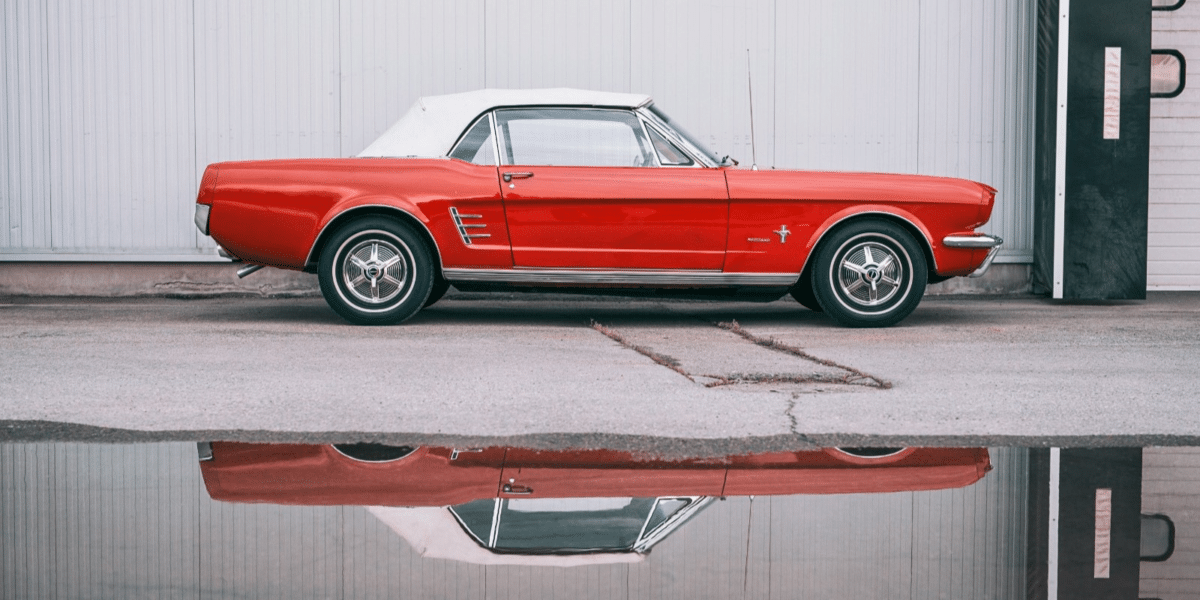
Vintage cars, with their classic designs, nostalgic charm, and timeless appeal, have captured the imagination of car enthusiasts and collectors around the world. From iconic muscle cars of the 1960s to elegant luxury vehicles of the 1930s, vintage cars evoke a sense of nostalgia for bygone eras and embody the craftsmanship, style, and innovation of the automotive industry’s golden age. In this article, we’ll explore the surging appeal of vintage cars, examining the factors driving their popularity, the allure of owning and restoring these automotive treasures, and the enduring fascination they hold for enthusiasts of all ages.

1. Nostalgia and Sentimental Value

One of the primary reasons for the surging appeal of vintage cars is their ability to evoke feelings of nostalgia and sentimental value. For many enthusiasts, vintage cars represent a link to their past, evoking memories of childhood road trips, family vacations, and special moments spent behind the wheel. Whether it’s the car they learned to drive in, the model their parents owned, or a vehicle they’ve admired from afar, vintage cars hold a special place in the hearts of collectors and enthusiasts, connecting them to cherished memories and experiences from years gone by.

2. Timeless Design and Craftsmanship

Vintage cars are celebrated for their timeless design, craftsmanship, and attention to detail, which set them apart from modern vehicles. From sleek lines and graceful curves to intricate chrome accents and handcrafted interiors, vintage cars exude a sense of elegance and sophistication that is often lacking in today’s mass-produced automobiles. Whether it’s the iconic tailfins of a classic Cadillac or the streamlined silhouette of a vintage Porsche, these timeless designs have stood the test of time and continue to captivate automotive enthusiasts with their beauty and craftsmanship.

3. Rarity and Exclusivity

Another factor driving the appeal of vintage cars is their rarity and exclusivity, with many classic models becoming increasingly scarce and valuable over time. As automotive technology advances and tastes change, older vehicles are often retired from production, making vintage cars a finite and coveted commodity for collectors and enthusiasts. Whether it’s a limited-edition sports car, a rare luxury sedan, or a vintage muscle car with low production numbers, the exclusivity of vintage cars adds to their allure and mystique, driving demand and increasing their value in the eyes of collectors.

4. Investment Potential

Vintage cars are not only prized for their beauty and nostalgia but also for their investment potential, with many enthusiasts viewing them as valuable assets that can appreciate in value over time. While modern cars may depreciate in value as they age, well-maintained vintage cars have the potential to increase in worth, especially rare or highly sought-after models with historical significance or celebrity ownership. For investors looking to diversify their portfolios or hedge against inflation, vintage cars offer a tangible and potentially lucrative alternative investment that can provide both financial returns and personal enjoyment.

5. Restoring and Preserving Automotive History

For many enthusiasts, owning and restoring vintage cars is a labor of love, allowing them to breathe new life into automotive treasures and preserve them for future generations to enjoy. Whether it’s a full restoration project or minor repairs and upgrades, restoring a vintage car requires patience, skill, and dedication, but the rewards are well worth the effort. Restoring a vintage car not only allows enthusiasts to experience the thrill of driving a classic automobile but also helps to safeguard automotive history and ensure that these iconic vehicles continue to be appreciated and admired for years to come.

6. Community and Camaraderie

Vintage car enthusiasts often form tight-knit communities and clubs where they can share their passion for classic automobiles, exchange knowledge and expertise, and participate in events and gatherings. Whether it’s a local car show, a vintage car rally, or a meet-up of like-minded enthusiasts, these gatherings provide opportunities for enthusiasts to connect with others who share their appreciation for vintage cars and forge lasting friendships based on a shared love of automotive history and culture. The sense of camaraderie and community fostered by vintage car clubs adds to the overall appeal of owning and restoring classic automobiles, creating a sense of belonging and camaraderie among enthusiasts.

7. Environmental and Ethical Considerations

In an age of environmental awareness and sustainability, some enthusiasts are drawn to vintage cars for their lower environmental impact and simpler, more mechanical design compared to modern vehicles. Vintage cars are often seen as more environmentally friendly alternatives to new cars, with their simpler engines and mechanical systems requiring less energy and resources to manufacture and maintain. Additionally, some enthusiasts are attracted to the idea of repurposing and preserving existing vehicles rather than contributing to the production of new cars, which can have significant environmental and ethical implications.

Vintage Cars Will Always Be Cherished

The surging appeal of vintage cars can be attributed to a combination of factors, including nostalgia and sentimental value, timeless design and craftsmanship, rarity and exclusivity, investment potential, the joy of restoring and preserving automotive history, community and camaraderie, and environmental and ethical considerations. For enthusiasts and collectors, vintage cars represent more than just vehicles; they are symbols of automotive history, craftsmanship, and innovation, as well as cherished artifacts of a bygone era. As the popularity of vintage cars continues to grow, so too will their allure and significance, ensuring that these automotive treasures remain cherished and admired for generations to come.

What Your Favorite Genre in Music Says About You

Have you ever wondered what your favorite genre in music says about you? Whether you’re a die-hard fan of rock, pop, hip-hop, country, electronic, jazz, or classical, the type of music you enjoy can reveal a lot about your personality, preferences, and values. In this article, we’ll explore the different genres of music and what they might indicate about the people who love them.

Rock: The Rebel at Heart

If you’re drawn to the raw energy and rebellious spirit of rock music, chances are you’re a bit of a rebel at heart. Rock fans tend to be independent thinkers who aren’t afraid to challenge the status quo. They value authenticity, creativity, and self-expression, and they’re not afraid to speak their minds. Rock music enthusiasts often have a strong sense of identity and may gravitate towards activities that allow them to express themselves freely, whether it’s through music, art, or personal style.

Pop: The Social Butterfly

Pop music is all about catchy melodies, infectious beats, and sing-along choruses, and if you can’t get enough of it, you might be a social butterfly. Pop fans tend to be outgoing, sociable, and energetic, with a love for fun and excitement. They enjoy being part of a community and thrive in social settings where they can connect with others. Pop music enthusiasts are often optimistic and upbeat, and they’re drawn to music that reflects their positive outlook on life.

Hip-Hop: The Urban Trendsetter

Hip-hop music has become a cultural phenomenon, with its roots in urban communities and its influence extending far beyond the music itself. If you’re a fan of hip-hop, you might be a trendsetter who’s always ahead of the curve when it comes to fashion, technology, and pop culture. Hip-hop fans tend to be confident, ambitious, and street-smart, with a keen sense of style and a knack for staying on top of the latest trends. They value authenticity, creativity, and individuality, and they’re not afraid to push boundaries and challenge conventions.

Country: The Down-to-Earth Romantic

Country music is known for its heartfelt lyrics, twangy guitars, and down-to-earth storytelling, and if you’re drawn to its rustic charm, you might be a romantic at heart. Country fans tend to be grounded, sincere, and nostalgic, with a deep appreciation for life’s simple pleasures. They value tradition, family, and community, and they’re drawn to music that speaks to their values and experiences. Country music enthusiasts are often sentimental and romantic, and they’re drawn to songs that capture the beauty and complexity of love and relationships.

Electronic: The Tech-Savvy Innovator

Electronic music is all about innovation, experimentation, and pushing the boundaries of what’s possible with sound, and if you’re a fan of electronic beats, you might be a tech-savvy innovator. Electronic music fans tend to be forward-thinking, imaginative, and open-minded, with a love for technology and innovation. They’re drawn to music that challenges the conventions of traditional genres and embraces new ways of creating and experiencing sound. Electronic music enthusiasts are often creative and adventurous, and they’re always on the lookout for the next big thing in music and technology.

Jazz: The Sophisticated Connoisseur

Jazz music is often associated with sophistication, elegance, and refinement, and if you’re a fan of jazz, you might be a sophisticated connoisseur with a taste for the finer things in life. Jazz fans tend to be cultured, intellectual, and discerning, with a love for art, literature, and philosophy. They appreciate the complexity and nuance of jazz music, with its intricate melodies, improvisational solos, and rich harmonic textures. Jazz music enthusiasts are often well-educated and well-traveled, and they’re drawn to music that challenges their intellect and stirs their emotions.

Classical: The Timeless Romantic

Classical music has stood the test of time, with its enduring beauty, elegance, and emotional depth, and if you’re a fan of classical music, you might be a timeless romantic with a love for the finer things in life. Classical music fans tend to be introspective, sensitive, and deeply emotional, with a love for beauty and artistry. They appreciate the timeless melodies and intricate harmonies of classical music, with its ability to evoke a wide range of emotions and transport listeners to another time and place. Classical music enthusiasts are often introspective and contemplative, and they’re drawn to music that speaks to their soul and stirs their imagination.

Rap: The Storyteller

Rap music is all about storytelling, rhythm, and lyrical prowess, and if you’re a fan of rap, you might be a natural storyteller with a love for words and language. Rap fans tend to be expressive, articulate, and observant, with a talent for storytelling and a passion for storytelling. They’re drawn to the narrative power of rap music, with its ability to convey complex emotions and experiences through vivid imagery and wordplay. Rap music enthusiasts are often perceptive and insightful, and they’re drawn to music that challenges their intellect and expands their understanding of the world.

Sit Back and Enjoy the Music

Your favorite genre in music can reveal a lot about your personality, preferences, and values. Whether you’re a rock rebel, a pop enthusiast, a hip-hop trendsetter, a country romantic, an electronic innovator, a jazz connoisseur, a classical romantic, or a rap storyteller, your musical tastes reflect who you are and what you value in life. So the next time you’re listening to your favorite music, take a moment to think about what it says about you—it might just surprise you!

The Crucial Importance of Checking Your Equipment Before Playing

Playing any musical instrument or using audio equipment requires more than just talent and skill—it also involves proper preparation and maintenance of your gear. Whether you’re a musician gearing up for a live performance or a DJ getting ready for a set, taking the time to check your equipment before playing is crucial. In this article, we’ll explore the importance of this often-overlooked step and why it can make all the difference in ensuring a successful and hassle-free experience.

Ensuring Proper Functionality

One of the primary reasons for checking your equipment before playing is to ensure that everything is functioning properly. From instruments to audio cables to amplifiers, every piece of gear plays a critical role in delivering a seamless performance or mix. By inspecting each component before you begin, you can identify any issues or malfunctions and address them proactively. Whether it’s a loose cable connection, a dead battery, or a malfunctioning pedal, catching these problems early can prevent technical difficulties and interruptions during your performance.

Preventing Unforeseen Issues

Checking your equipment before playing also helps to prevent unforeseen issues that could derail your performance or set. Imagine being halfway through a song or a DJ set only to discover that your guitar is out of tune, your microphone is crackling, or your mixer is malfunctioning. These types of issues can not only disrupt the flow of your performance but also leave a negative impression on your audience. By taking the time to inspect and test your equipment beforehand, you can catch and address any potential issues before they have a chance to arise, ensuring a smooth and seamless experience for both you and your audience.

Maintaining Professionalism

In addition to ensuring proper functionality and preventing technical issues, checking your equipment before playing also demonstrates professionalism and preparedness. Whether you’re performing on stage, in a studio, or at a gig, showing up with well-maintained and properly functioning gear reflects positively on you as a musician or DJ. It conveys to your audience, clients, or collaborators that you take your craft seriously and that you’re committed to delivering a high-quality performance or mix. In an industry where first impressions matter, taking the time to check your equipment before playing can set you apart as a reliable and professional musician or DJ.

Maximizing Performance Quality

Another benefit of checking your equipment before playing is that it allows you to maximize the quality of your performance or mix. Even minor issues like a slightly out-of-tune instrument or a loose cable connection can impact the overall sound and clarity of your music or audio. By ensuring that your equipment is in optimal condition before you begin, you can achieve the best possible sound quality and ensure that your performance or mix is as polished and professional as possible. Whether you’re aiming for pristine audio recordings, a flawless live performance, or a seamless DJ set, proper equipment maintenance and preparation are essential for achieving optimal results.

Building Confidence and Peace of Mind

Finally, checking your equipment before playing can help build confidence and peace of mind for both you and your audience. Knowing that your gear is in good working order and that you’ve taken the necessary steps to address any potential issues can alleviate pre-performance nerves and allow you to focus on delivering your best performance or mix. Similarly, your audience will appreciate the assurance that comes with knowing that technical difficulties are less likely to occur. By investing the time and effort into checking your equipment beforehand, you can approach your performance or set with confidence and professionalism, ultimately enhancing the overall experience for everyone involved.

Keeping a Smooth Gig

Checking your equipment before playing is a critical step that should not be overlooked by musicians, DJs, or audio professionals. By ensuring proper functionality, preventing unforeseen issues, maintaining professionalism, maximizing performance quality, and building confidence and peace of mind, this simple yet important task can make all the difference in the success and smoothness of your performance or set. So before you take the stage or hit play on your DJ decks, take a moment to check your equipment—you’ll be glad you did.

How Do Biopics of Living People Fare in the Modern Industry?

Biopics have long been a popular genre in the film industry, allowing audiences to engage with the life stories of influential figures. However, when biopics focus on living individuals, the stakes become higher. From concerns over authenticity to navigating public and critical reception, biopics of living people face unique challenges in today’s media landscape. This article explores how these films fare in the modern industry, examining the role of narrative challenges, legal concerns, and the involvement of the subject.

Authenticity and Accuracy

One of the most pressing issues for biopics about living people is authenticity and accuracy. Filmmakers must tread a fine line between creating a compelling narrative and staying true to real-life events. Since the subject is still alive, they, along with the public, have the ability to scrutinize the portrayal for factual inaccuracies or misrepresentation.

For example, the 2018 biopic Bohemian Rhapsody about Freddie Mercury was praised for its performances and music, but it faced criticism for taking liberties with the timeline of events in Mercury’s life. When dealing with the stories of living individuals, these creative choices are often scrutinized more harshly, as they can affect the subject’s reputation and legacy.

Public and Critical Reception

The public and critical reception of biopics can vary dramatically depending on how the subject is perceived and how they are portrayed. Living subjects and their fanbases often have strong opinions about how their story should be told, and if a biopic diverges from public expectations, it may face backlash.

In contrast, biopics that strike a balance between respectful storytelling and engaging narratives can receive acclaim. The Social Network (2010), which focuses on Mark Zuckerberg, is an example of a biopic about a living figure that was critically successful, even though Zuckerberg himself expressed discomfort with the film. The movie’s nuanced portrayal of the complex dynamics behind Facebook’s creation resonated with audiences and critics alike.

Involvement of the Subject

The involvement of the subject in the production of the biopic can significantly influence how the film is received. When a living individual is directly involved, it may lend the film credibility, as audiences tend to view the story as more authentic. However, such involvement can also lead to accusations of bias, particularly if the film glosses over more controversial aspects of the subject’s life.

For instance, Rocketman (2019), a biopic of Elton John, was made with the singer’s full participation and approval. John’s involvement allowed the film to dive deeply into his personal struggles and career triumphs, which gave the movie an intimate and authentic feel. On the other hand, the level of involvement can sometimes result in a more sanitized portrayal, which can limit the film’s critical reception if audiences feel the story is overly curated.

Legal and Ethical Concerns

Biopics of living individuals must also navigate legal and ethical concerns. Filmmakers face potential legal issues if the subject or those close to them feel they have been defamed or misrepresented. Unauthorized biopics, in particular, can lead to lawsuits or public disputes between the subject and the filmmakers.

Ethically, filmmakers need to consider how their portrayal might impact the individual and their personal life. In some cases, bringing light to sensitive or controversial issues can affect not only the subject but also their family and close associates. Legal battles have arisen over biopics like Straight Outta Compton (2015), where former N.W.A. manager Jerry Heller sued the filmmakers for defamation, although the case was later dismissed.

Box Office Performance

The box office performance of biopics about living people can vary, often depending on the popularity of the subject and how much the film resonates with audiences. Celebrities with large fanbases often see successful box office numbers, but films that are seen as overly dramatized or inaccurate may struggle.

Films like Bohemian Rhapsody and Rocketman not only performed well at the box office but also capitalized on the fan loyalty of the artists they portrayed. These films had strong marketing campaigns that emphasized their subjects’ legacies, which attracted both long-time fans and new viewers. However, less commercially appealing subjects or films with divisive portrayals can suffer from lukewarm box office results.

Awards and Recognition

Biopics of living people often fare well during awards season, with actors receiving recognition for their portrayals of real-life figures. These films tend to garner attention because they allow actors to showcase their ability to mimic or embody well-known personalities, which can be highly appealing to awards voters.

Rami Malek’s Oscar win for his portrayal of Freddie Mercury in Bohemian Rhapsody is a prime example of how playing a living or recently deceased person can lead to critical acclaim. However, awards recognition can be affected by the subject’s involvement in the film and whether the portrayal is viewed as authentic or biased.

Cultural and Political Impact

Biopics of living people often have a cultural and political impact, depending on the subject’s prominence in current events. These films can spark discussions about larger societal issues, ranging from race and gender politics to corporate ethics and activism. In many cases, biopics reflect the times in which they are made, and they can contribute to ongoing public discourse.

For instance, the release of Selma (2014) brought renewed attention to the civil rights movement and how its legacy impacts current social justice struggles. Although Martin Luther King Jr. was deceased, biopics about living civil rights leaders like Congressman John Lewis have had similar effects, helping to frame modern political narratives.

Marketing and Publicity

The marketing and publicity surrounding biopics of living people are critical to their success. A film’s marketing campaign often emphasizes the authenticity of the portrayal and the involvement (or lack thereof) of the subject. Whether the subject is a beloved public figure or a controversial one can greatly affect how the film is marketed.

Studios may also use the subject’s notoriety to generate buzz. For instance, social media campaigns, interviews, and special screenings with the living subject present can drive interest. This strategy was successfully employed in the promotion of The Social Network, where the drama behind the creation of Facebook added to the film’s intrigue.

Narrative Challenges

Telling the story of a living person comes with significant narrative challenges. The filmmakers must decide how much of the subject’s life to cover and whether to include more controversial or unflattering aspects. Since the subject is still living, their story is ongoing, which can make it difficult to create a satisfying narrative arc.

Films like Jobs (2013), about Apple co-founder Steve Jobs, grapple with how to portray a complex figure still influencing the world. The filmmakers have to balance storytelling with factual accuracy while ensuring the film remains engaging. These narrative challenges can make or break a biopic’s success.

Fan and Audience Expectations

Lastly, fan and audience expectations play a significant role in the success of biopics about living people. Fans of the subject often have strong opinions about how their favorite public figure should be portrayed, and any deviation from their expectations can lead to backlash. At the same time, audiences may expect a level of drama or embellishment that goes beyond the actual events.

Balancing these expectations is critical for filmmakers. If a film portrays the subject too positively, it can be accused of being a glorified public relations piece. If it delves too deeply into controversy, it risks alienating fans.

Biopics of living people present unique challenges and opportunities in the modern film industry. From navigating legal and ethical concerns to managing fan expectations, these films must strike a delicate balance between authenticity and entertainment. Despite these difficulties, when done well, biopics of living individuals can achieve critical acclaim, commercial success, and lasting cultural impact. As long as audiences remain captivated by the lives of real people, this genre will continue to thrive.

The Impact of Lens Evolution on Entertainment

From the earliest days of photography to the modern era of high-definition video, the evolution of lenses has had a profound impact on the world of entertainment. Whether it’s capturing captivating images on the big screen or immersing viewers in virtual reality experiences, the lenses used in cameras and other optical devices play a crucial role in shaping the way we experience entertainment. In this article, we’ll explore how the evolution of lenses has transformed the entertainment industry and revolutionized the way we see the world.

Early Days of Photography

The history of lens evolution in entertainment can be traced back to the early days of photography. In the 19th century, pioneers like Louis Daguerre and William Henry Fox Talbot experimented with primitive camera obscuras and lens-based cameras to capture the world around them. These early lenses, typically made from simple glass elements, allowed photographers to create the first photographic images, laying the foundation for the future of visual storytelling.

Advancements in Film and Cinema

The invention of motion picture film in the late 19th century marked a significant milestone in the evolution of lenses and entertainment. Early filmmakers like Georges Méliès and the Lumière brothers used basic lenses to capture moving images and project them onto screens for audiences to enjoy. As the film industry grew, so too did the demand for more advanced lenses capable of capturing sharper images, wider angles, and greater detail. Innovations such as zoom lenses, anamorphic lenses, and wide-angle lenses transformed the way films were shot and experienced, ushering in a new era of cinematic storytelling.

Television and Broadcast Media

The advent of television in the mid-20th century brought about further advancements in lens technology and entertainment. Television cameras and broadcast lenses allowed for the live transmission of news, sports, and entertainment programming to audiences around the world. As television technology evolved, so too did the lenses used to capture and broadcast images, resulting in higher-quality broadcasts and more immersive viewing experiences for viewers at home.

Digital Imaging and Visual Effects

The rise of digital imaging technology in the late 20th century revolutionized the way images were captured, processed, and manipulated in the entertainment industry. Digital cameras and computer-generated imagery (CGI) opened up new possibilities for filmmakers, allowing them to create stunning visual effects and immersive virtual worlds that were previously impossible to achieve with traditional lenses. Advances in lens design and manufacturing techniques further enhanced the capabilities of digital cameras, enabling filmmakers to capture ultra-high-definition images with greater clarity and precision than ever before.

Virtual Reality and Immersive Experiences

In recent years, the evolution of lenses has played a key role in the development of virtual reality (VR) and augmented reality (AR) technologies, which are revolutionizing the way we experience entertainment. VR headsets use specially designed lenses to immerse users in interactive virtual worlds, while AR devices overlay digital information and graphics onto the real world. These advanced lenses are capable of providing a wide field of view, high-resolution imagery, and minimal distortion, creating a truly immersive and lifelike experience for users.

Future Trends and Innovations

Looking ahead, the future of lens evolution in entertainment promises even more exciting advancements and innovations. From ultra-high-resolution cameras capable of capturing images with unprecedented detail to compact lenses that can be integrated into wearable devices, the possibilities are endless. As technology continues to evolve, we can expect to see further convergence between traditional entertainment mediums such as film and television and emerging technologies like VR, AR, and mixed reality (MR), creating new and immersive entertainment experiences for audiences worldwide.

In conclusion, the evolution of lenses has had a profound impact on the world of entertainment, shaping the way we capture, create, and experience visual content. From the early days of photography to the modern era of digital imaging and virtual reality, lenses have played a crucial role in transforming the way we see the world and tell stories. As technology continues to advance, we can expect to see further innovations in lens design and manufacturing, opening up new possibilities for filmmakers, content creators, and audiences alike. Whether it’s capturing breathtaking images on the big screen or immersing viewers in virtual worlds, the evolution of lenses continues to push the boundaries of what’s possible in entertainment.

The Appeal of Home Recording: Why More Artists are Choosing to Record from Home

In recent years, there has been a notable shift in the way artists approach the recording process, with an increasing number choosing to eschew traditional recording studios in favor of home recording setups. This trend has been fueled by advancements in technology, the accessibility of recording equipment, and the desire for creative freedom and flexibility. In this article, we’ll explore the reasons why more artists are opting to record from home, the benefits it offers, and the impact it’s having on the music industry.

Accessibility of Recording Equipment

One of the primary reasons why artists are choosing to record from home is the accessibility of recording equipment. In the past, setting up a home recording studio required a significant investment in expensive hardware and software. However, with the proliferation of affordable recording gear, including microphones, audio interfaces, and digital audio workstations (DAWs), artists can now create professional-quality recordings from the comfort of their own homes without breaking the bank. This accessibility has democratized the recording process, allowing artists of all levels to pursue their creative ambitions without financial barriers.

Creative Freedom and Control

Recording from home offers artists unparalleled creative freedom and control over their music. In a traditional studio setting, artists may feel constrained by time limitations, studio schedules, and the pressure to deliver results quickly. By recording from home, artists can work at their own pace, experiment with different sounds and arrangements, and fully explore their artistic vision without external pressures or distractions. This level of control empowers artists to take risks, push boundaries, and create music that is truly authentic and personal to them.

Comfort and Convenience

Another advantage of home recording is the comfort and convenience it provides to artists. Instead of commuting to a studio and adhering to someone else’s schedule, artists can simply walk into their home studio whenever inspiration strikes and start recording. This eliminates the need for travel time and allows artists to work in a familiar and comfortable environment where they can fully immerse themselves in the creative process. Additionally, recording from home gives artists the flexibility to work during off-hours, late at night, or early in the morning, catering to their individual preferences and creative rhythms.

Collaboration and Connectivity

Contrary to popular belief, recording from home doesn’t necessarily mean working in isolation. Thanks to advances in technology, artists can collaborate with musicians, producers, and engineers from around the world without ever leaving their homes. Online collaboration tools, cloud-based storage platforms, and video conferencing software enable artists to share ideas, exchange files, and work together in real-time, breaking down geographical barriers and fostering a sense of connectivity and camaraderie within the music community. This opens up new possibilities for collaboration and allows artists to tap into a global network of talent and expertise.

Cost Savings and Financial Flexibility

Recording from home can also lead to significant cost savings for artists, especially independent musicians operating on tight budgets. By eliminating the need for expensive studio rentals, session musicians, and engineer fees, artists can allocate their resources more efficiently and invest in other areas of their music career, such as marketing, promotion, and touring. Additionally, recording from home offers financial flexibility, allowing artists to allocate funds towards equipment upgrades, software licenses, and other essentials that can enhance the quality of their recordings and streamline their workflow.

Empowerment and Independence

Perhaps most importantly, recording from home empowers artists with a sense of independence and self-reliance. Instead of relying on external studios and producers to bring their ideas to life, artists can take full ownership of the recording process and steer the direction of their music career on their own terms. This sense of empowerment fosters creativity, confidence, and resilience, empowering artists to pursue their artistic vision with conviction and authenticity. Whether they’re self-releasing albums, licensing their music for film and TV, or building a loyal fan base through online platforms, home recording enables artists to forge their own path and thrive in an ever-changing industry.

Embracing the Future of Recording

In conclusion, the trend of recording from home represents a fundamental shift in the way artists approach the recording process. With the accessibility of recording equipment, the freedom of creative expression, and the convenience of home studios, more artists than ever are choosing to take control of their music and create on their own terms. As technology continues to evolve and the barriers to entry continue to lower, the future of recording is bright, empowering artists to unleash their creativity, connect with audiences, and make their mark on the music industry from the comfort of their own homes.

Mastering Your Festival Look: Choosing the Perfect Makeup for Concerts and Music Festivals

As music enthusiasts eagerly anticipate the excitement of upcoming concerts and music festivals, one crucial aspect of their preparation often goes overlooked: makeup. Whether you’re dancing the night away at a concert or soaking up the sun at a music festival, the right makeup can enhance your overall look and complement the vibrant atmosphere of the event. In this article, we delve into the art of selecting the perfect makeup for concerts and music festivals, offering tips and tricks to help you achieve a flawless and long-lasting festival look.

Embracing Vibrant Colors and Bold Statements

Music festivals and concerts provide the perfect opportunity to experiment with bold and vibrant makeup looks. From electric eyeshadows to neon lipsticks, embracing bright colors and daring statements can add an extra element of excitement to your festival ensemble. Consider incorporating metallic shades, glitter accents, and graphic liners to create eye-catching looks that stand out in the crowd and reflect the energetic spirit of the event.

Prioritizing Longevity and Durability

When it comes to festival makeup, longevity is key. Hours of dancing, sweating, and outdoor activities can put your makeup to the test, so it’s essential to choose products that are long-wearing and durable. Opt for waterproof formulas for mascara, eyeliner, and foundation to ensure your makeup stays in place throughout the day and night. Additionally, setting sprays can help lock in your look and provide added protection against the elements, ensuring your makeup remains flawless from start to finish.

Keeping It Lightweight and Breathable

While it’s tempting to pile on the makeup for a special event like a music festival, it’s important to keep your look lightweight and breathable, especially in hot and humid conditions. Instead of heavy foundations and powders, consider using lightweight tinted moisturizers or BB creams that provide coverage while allowing your skin to breathe. Likewise, opt for sheer or buildable formulas for blushes and bronzers to achieve a natural and dewy complexion that withstands the heat.

Enhancing Your Features with Illuminating Products

Music festivals are all about embracing the joy of music and celebrating life, so why not let your makeup reflect that radiant energy? Illuminating products such as highlighters and luminizers can help enhance your features and give your skin a healthy and luminous glow. Apply highlighter to the high points of your face, including the cheekbones, brow bones, and cupid’s bow, to catch the light and create a stunning ethereal effect that’s perfect for festival selfies and photos.

A Lasting Look Over the Events

Choosing the right makeup for concerts and music festivals is essential for creating a memorable and impactful festival look. By embracing vibrant colors, prioritizing longevity and durability, keeping your makeup lightweight and breathable, and enhancing your features with illuminating products, you can achieve a flawless and long-lasting look that’s sure to turn heads and capture the spirit of the event. So, as you prepare for your next music festival adventure, don’t forget to pack your favorite makeup essentials and unleash your creativity to create a look that’s as unforgettable as the music itself.