Entertainment Post

CelebFlare Breaks Down Why 2000s Nostalgia Is Fueling Celebrity Comebacks

Pop culture is in its throwback era, and honestly, we’re here for it. Scroll through TikTok or Instagram and you’ll spot paparazzi snaps of Britney Spears’ iconic low-rise jeans turned into mood boards, Paris Hilton’s “That’s hot” energy recreated by Gen Z influencers, and Avril Lavigne’s pop-punk anthems soundtracking viral edits. The early 2000s aren’t just a distant memory. They’re a whole aesthetic movement. Y2K fashion, reality TV drama, and throwback music have made a massive comeback…and it’s no accident.

Nostalgia has become a powerful branding tool, keeping stars relevant, building fan loyalty, and turning old headlines into viral moments. CelebFlare, a site obsessed with all things celebrity culture and entertainment trends, calls it “a cultural reset where stars are rewriting their legacies through nostalgia marketing.”

Why Nostalgia Hits So Hard

Nostalgia is more than a vibe; it’s one of the smartest marketing strategies out there. It taps into emotion, memory, and trust, creating a connection that flashy campaigns can’t always replicate. Studies show that nostalgic content drives fan engagement because it feels familiar, personal, and comforting, kind of like rewatching your favorite teen drama for the tenth time.

What we’re seeing isn’t just a revival but a glow-up. The same stars once chased by paparazzi are now billion-dollar entrepreneurs, cultural icons, and respected storytellers. They’re embracing their pasts to stay relevant, resonating with both millennials who grew up idolizing them and Gen Z fans discovering their content for the first time. Nostalgia marketing isn’t just trendy; it’s become a cheat code for epic comebacks.

Celebrities Who Turned Nostalgia Into a Power Move

Some of the 2000s’ biggest names have absolutely mastered the nostalgia game. Paris Hilton leaned into her iconic persona with humor and self-awareness, transforming her “It Girl” status into a global brand empire. Lindsay Lohan made a celebrated return with Netflix films and fashion collaborations, embracing her history while redefining her career. Hilary Duff’s natural evolution kept her relatable to millennials and turned her into a style inspiration for Gen Z. And boy bands like NSYNC and the Backstreet Boys continue to sell out tours and dominate TikTok like it’s 2001 all over again.

As CelebFlare puts it, “These aren’t just comebacks…they’re a masterclass in turning nostalgia into cultural capital.”

TikTok and the Internet’s Role in the 2000s Takeover

If nostalgia is the engine, TikTok is the fuel. Hashtags like #Y2K and #2000sAesthetic have racked up billions of views, reviving everything from Von Dutch trucker hats to The Simple Life clips. Influencers are remixing retro content with modern trends, introducing icons like Britney and Paris to an entirely new generation while reigniting the love of longtime fans.

Social media has made comebacks feel authentic and community-driven rather than forced. A single TikTok soundbite or meme can spark a revival in hours, something that would’ve taken months of traditional PR in the early 2000s.

Authenticity Is the New Fame Currency

Not every celebrity rebrand lands, but the ones that do feel real. Britney Spears’ memoir resonated because of its honesty. Jennifer Lopez continues to evolve while staying true to her Bronx roots. Avril Lavigne’s pop-punk revival thrives because she never tried to abandon her original edge.

As CelebFlare notes, “Nostalgia works best when celebrities embrace their history while showing growth. Fans love a glow-up, but they also want to see stars owning their past unapologetically.”

The 2000s Revival Isn’t Slowing Down

Nostalgia continues to shape culture’s future. Millennials now have the spending power to invest in reunion tours, retro fashion drops, and collector editions, while Gen Z has made Y2K style and music cool again. Expect more celebrity memoirs and documentaries revealing untold stories, an influx of vintage-inspired fashion and beauty collaborations, and a wave of reboots and mashups bridging generations. And don’t be surprised when stars from your childhood become the next viral icons.

CelebFlare predicts the next major cultural obsession might just be a celeb you last saw on a flip phone wallpaper. “Pop culture is cyclical,” the outlet says, “and this nostalgia wave is proof that what was once considered old can easily become iconic again.”

Celebrating 11 Years: San Antonio’s Premier Vinyl Record Show

Vinyl records have made a powerful comeback in recent years, and there’s no better place to celebrate this resurgence than at San Antonio’s Premier Vinyl Record Show. Now in its 11th year, the event has become a staple for collectors, music enthusiasts, and casual fans alike. Hosted at the Schertz Civic Center, this event attracts thousands of attendees and features a vast array of vinyl records, from classic rock and jazz to indie and Tejano music.

A Unique Experience for Vinyl Enthusiasts

Since its inception, the San Antonio Vinyl Record Show has offered a unique platform for vinyl lovers to gather, explore, and buy rare records. With over 100,000 vinyl records for sale from more than 60 vendors, the show spans multiple genres and provides something for every music taste. From the soul-stirring classics to the latest indie releases, the event has it all. Whether you’re an experienced collector or just beginning your vinyl journey, the event provides an immersive experience that connects people to the history of music through the tangible format of vinyl.

For attendees, it’s not just about shopping for records—it’s about the experience. The atmosphere is alive with excitement, nostalgia, and an overwhelming sense of community. It’s a celebration of music culture that transcends generations, giving people the opportunity to discover new artists while rediscovering old favorites. This year, the event is expected to attract over 1,000 visitors, continuing to cement San Antonio’s place as a central hub for vinyl culture in the U.S.

What to Expect at the 11th Annual Vinyl Record Show

This year marks the 11th edition of the San Antonio Vinyl Record Show, and organizers have promised a series of exciting new features and performances to celebrate the milestone. Expect more rare records than ever before, with special focus on regional artists, including rare Tejano records that pay homage to San Antonio’s rich cultural history. The show will also include live music performances, bringing the sounds of vinyl to life in real-time.

One of the highlights of the 11th Annual show is a focus on the vinyl revival and the growing interest in vintage records. As the market for vinyl continues to grow, more and more younger collectors are joining the scene, eager to experience music in its purest form. This year, the event will feature a section dedicated to the history of vinyl, showcasing the evolution of the format from its origins to its modern resurgence.

For collectors, the event offers a chance to pick up unique and hard-to-find albums. There’s always the thrill of hunting for that elusive gem—whether it’s a limited edition pressing of a favorite album or a vintage record from a now-iconic band. Collectors can interact with vendors who specialize in rare and vintage vinyl, offering insights into the history and value of particular records.

A Gathering for Music Lovers of All Kinds

Celebrating 11 Years: San Antonio's Premier Vinyl Record Show

Photo Credit: Unsplash.com

The Vinyl Record Show isn’t just for collectors—it’s also an excellent event for music lovers of all kinds. The event provides an opportunity for people to explore music they may not have been exposed to before. With genres spanning across rock, soul, hip-hop, electronic, and everything in between, attendees can broaden their musical horizons in a way that streaming services just can’t replicate.

For those interested in more than just records, the event also features a variety of merchandise and collectibles related to music culture. From vintage concert posters to band memorabilia, there’s something for every music fan to enjoy. It’s a great chance to connect with others who share the same passion for music and history, making it a community event that fosters relationships among people with diverse musical tastes.

Supporting Local Vendors and Businesses

The event is also a boon for local businesses. San Antonio has long been home to an active and passionate music scene, and the Vinyl Record Show highlights the city’s deep connection to musical heritage. Local shops and vendors who specialize in records and music-related goods use the show as a platform to expand their reach and meet new customers. For many of these vendors, it’s a chance to showcase their own carefully curated collections and educate others on the growing vinyl culture.

San Antonio’s local independent record stores also play a vital role in the event’s success. These stores help to create a thriving music community, offering a curated selection of albums and hosting in-store events throughout the year. The Vinyl Record Show has become a perfect complement to these shops, providing an annual celebration of the city’s vibrant music scene and helping to support local businesses that contribute to San Antonio’s cultural fabric.

The Future of Vinyl in San Antonio

With the success of the last 11 years, the San Antonio Vinyl Record Show has solidified its place in the city’s cultural calendar. As the demand for vinyl continues to grow across the globe, it’s clear that San Antonio’s connection to vinyl culture will only deepen. The event plays a key role in educating the public about the value and history of vinyl records, promoting not only the local music scene but also the global resurgence of vinyl as a collectible and music format.

For future editions of the show, organizers hope to expand the event even further, bringing in more international vendors and offering additional activities for all ages. With the continued interest in vinyl and the overwhelming enthusiasm from attendees, the San Antonio Vinyl Record Show is set to be a key event in the music world for many years to come.

High-Grossing Films by Box Office Revenue

The world of cinema has produced countless memorable films that have captivated audiences and defined entire eras. However, when it comes to box office earnings, only a select few films have reached astronomical financial success, earning them a spot in the exclusive club of the high-grossing films. This explores the films that have achieved remarkable financial success, examining the factors behind their box office dominance and the cultural impact they have had globally.

Understanding the Box Office Success

The term “high-grossing films” refers to movies that have earned the most revenue worldwide through ticket sales, adjusted for inflation or not. These films typically combine widespread appeal, broad international distribution, and strong audience demand. Films that reach this milestone have been able to captivate audiences across different demographics and geographical locations, often resulting in repeat viewings and a lasting cultural legacy.

The success of these films is often attributed to various factors, including strong storytelling, beloved characters, cutting-edge special effects, and clever marketing strategies. Additionally, the rise of global markets, particularly in regions like China, has expanded the reach of films beyond their home countries, contributing to their financial success.

Top Grossing Films

Several films have managed to break box office records and secure their position as the high-grossing films ever made. As of recent data, here are the films that lead the pack in global earnings:

Avatar

Released in 2009 and directed by James Cameron, Avatar revolutionized the film industry with its groundbreaking visual effects and immersive 3D experience. The film’s box office dominance was unprecedented, earning more than $2.8 billion globally. Set on the lush alien planet of Pandora, Avatar attracted audiences with its stunning visuals and environmental message, making it one of the most successful films of all time.

Avengers: Endgame

Released in 2019, Avengers: Endgame became the high-grossing film of all time, surpassing Avatar after its release. This culmination of over a decade of Marvel Cinematic Universe storytelling brought together iconic characters from across the franchise and became a cultural event. With its epic battle, emotional arcs, and long-awaited conclusion to a story years in the making, Endgame grossed nearly $2.8 billion globally.

Titanic

Another masterpiece by James Cameron, Titanic (1997), became an instant cultural phenomenon. The epic romance set against the backdrop of the ill-fated Titanic ship earned $2.2 billion worldwide, cementing its place among the top-grossing films of all time. The film’s stunning visuals, gripping love story, and tragic ending captured the hearts of audiences worldwide, and its success was further enhanced by multiple re-releases.

High-Grossing Films by Box Office Revenue

Photo Credit: Unsplash.com

Star Wars: The Force Awakens

As the seventh installment in the Star Wars saga, The Force Awakens (2015) re-energized the iconic franchise. Directed by J.J. Abrams, it brought back familiar faces while introducing a new generation of heroes and villains. Grossing over $2.07 billion worldwide, The Force Awakens benefited from the immense cultural impact of the Star Wars brand, which continues to attract a devoted fanbase spanning multiple generations.

Avengers: Infinity War

The precursor to Avengers: Endgame, Infinity War (2018) set the stage for the ultimate battle in the Marvel Cinematic Universe. With its ensemble cast of characters and a plot that led to a devastating cliffhanger, Infinity War grossed approximately $2.05 billion globally, making it one of the top-grossing films of all time. Its success continued the momentum built by the previous films in the MCU and set the stage for the next chapter in the saga.

Factors That Contribute to Box Office Success

The films that make it into the list of the high-grossing films share several key characteristics. One important factor is strong fanbases. Many of these films are part of established franchises, such as Avengers, Star Wars, and Avatar, which already have built-in audiences who are eager to see the next installment. Additionally, these films often have global appeal, with widespread international distribution and the ability to resonate with diverse cultural audiences.

Another major contributing factor is the advancement of visual effects and technology. Films like Avatar and Avengers have pushed the boundaries of what is possible in film production, with cutting-edge special effects and immersive experiences that draw audiences into fantastical worlds.

Marketing and promotional efforts also play a key role in generating buzz and attracting moviegoers. The successful marketing campaigns for these films, which often include trailers, merchandise, and social media engagement, help create anticipation and excitement long before a film’s release.

The Cultural Impact of High-Grossing Films

While box office earnings are a significant indicator of a film’s success, the cultural impact these films leave behind is equally important. Films like Titanic, Avatar, and the Avengers series have become more than just entertainment; they have shaped popular culture and influenced everything from fashion to memes.

These films often spark conversations about themes that resonate with a broad audience. For example, Avatar raised questions about environmentalism and colonialism, while Avengers: Endgame explored themes of heroism, sacrifice, and the cost of victory. These films have stayed relevant in the public consciousness through ongoing discussions, fan theories, and spin-offs.

The high-grossing films of all time have not only achieved remarkable financial success but have also left lasting impressions on global audiences. Whether through technological innovations, compelling storytelling, or the cultural impact of iconic franchises, these films have become cultural milestones in the entertainment industry. As the film industry continues to evolve, it will be exciting to see which future releases will join the ranks of these box-office giants.

The Appeal of Live Action Role-Play (LARP)

Live Action Role-Play, commonly known as LARP, has been gaining popularity in recent years as a unique form of interactive entertainment that allows participants to immerse themselves in fantastical worlds and assume the roles of fictional characters. From medieval knights to futuristic cyborgs, LARP offers a wide range of settings and genres, catering to diverse interests and preferences. Let’s explore why LARP has captured the imagination of so many people and why its appeal continues to grow.

Interactive Storytelling

At its core, LARP is a form of interactive storytelling where participants become active participants in the narrative, shaping the course of events through their actions and decisions. Unlike traditional tabletop role-playing games where players sit around a table and use dice and character sheets, LARP takes place in real-world environments, allowing participants to physically embody their characters and interact with other players in real-time.

This immersive form of storytelling allows participants to fully engage with the narrative and experience the thrill of adventure firsthand. Whether embarking on epic quests, engaging in political intrigue, or battling monsters and adversaries, LARP offers a dynamic and interactive experience that keeps players engaged and entertained from start to finish.

Creative Expression and Character Development

One of the most appealing aspects of LARP is the opportunity for creative expression and character development. Participants have the freedom to create unique and personalized characters with their own backstories, personalities, and motivations, allowing them to explore different aspects of themselves and unleash their creativity.

LARP encourages collaboration and improvisation, as players work together to create memorable moments and storylines. Whether through elaborate costumes, intricate props, or immersive role-playing, participants bring their characters to life in vibrant and compelling ways, adding depth and richness to the overall experience.

Social Connection and Community Building

Live Action Role-Play (LARP) fosters meaningful social connection and community building by bringing together individuals from a wide range of backgrounds. United by a shared passion for storytelling and immersive adventure, participants engage in collaborative play that naturally cultivates trust, empathy, and mutual respect. These shared experiences often lead to lasting friendships and a strong sense of camaraderie, creating a welcoming space where people feel seen, valued, and connected.

In addition to the gameplay itself, LARP events frequently include workshops, seminars, and informal gatherings that deepen the sense of community. These spaces allow participants to exchange ideas, refine techniques, and explore new approaches to character development, world-building, and gameplay mechanics. Whether you’re a seasoned player or a curious newcomer, these learning opportunities foster growth and creativity while reinforcing the collaborative spirit that defines LARP culture.

The Appeal of Live Action Role-Play (LARP)

Photo Credit: Unsplash.com

From intimate local meetups to expansive conventions, LARP environments are designed to be inclusive and participatory. Organizers and players alike emphasize openness and accessibility, encouraging everyone to contribute their unique perspectives and talents. This ethos not only strengthens the community but also ensures that LARP continues to evolve as a dynamic, diverse, and enriching form of interactive storytelling.

Physical Activity and Outdoor Exploration

Unlike other forms of gaming that require sitting in front of a screen for hours on end, LARP encourages physical activity and outdoor exploration. Participants may find themselves traversing rugged terrain, engaging in mock battles, or solving puzzles in scenic locations, providing a refreshing break from the sedentary nature of modern life.

This physical aspect of LARP not only promotes health and wellness but also adds an extra layer of immersion to the experience. Whether camping in the wilderness, exploring historic landmarks, or navigating urban environments, LARP allows participants to step outside their comfort zones and embrace the thrill of adventure in the real world.

Contrarian View: Is LARP Just a Fad?

Despite its growing popularity, some critics argue that LARP may be just a passing fad or niche hobby with limited mainstream appeal. They contend that the time and resources required to participate in LARP events may be prohibitive for some individuals, limiting its accessibility and scalability.

There is a concern that LARP may be perceived as too nerdy or geeky by mainstream audiences, leading to stigmatization and marginalization of participants. While LARP has gained acceptance in certain circles, there is still a long way to go in terms of breaking down stereotypes and misconceptions about the hobby.

The Appeal of LARP

Live Action Role-Play (LARP) captivates participants through its unique blend of interactive storytelling and imaginative expression. Unlike passive entertainment, LARP invites individuals to step into fully realized characters and narratives, shaping the plot through their choices, actions, and improvisation. This participatory format fosters creativity and emotional engagement, allowing players to explore complex themes, build fictional worlds, and experience stories from the inside out. Whether the setting is a medieval kingdom, a cyberpunk cityscape, or a post-apocalyptic wasteland, the immersive nature of LARP transforms storytelling into a lived experience.

Beyond the narrative, LARP thrives on social connection and collaborative play. Participants often form tight-knit communities, bonding over shared adventures, character arcs, and in-game challenges. These interactions encourage teamwork, empathy, and communication, creating a space where diverse personalities and backgrounds converge. The physicality of LARP—whether through mock battles, strategic missions, or theatrical movement—adds another layer of engagement, blending mental and physical stimulation in a way that few hobbies can replicate. It’s not just about playing a role; it’s about co-creating a world with others.

While LARP may once have been considered a niche pastime, its growing visibility and inclusive ethos are reshaping public perception. Events now range from small local gatherings to large-scale international conventions, welcoming newcomers and seasoned players alike. The diversity of genres and play styles ensures that there’s something for everyone, whether you’re drawn to historical reenactment, speculative fiction, or character-driven drama. At its core, LARP celebrates the human desire for connection, creativity, and adventure—making it a compelling and enduring form of interactive storytelling.

The Impact of Public Attention on High-Profile Divorces

What Challenges Arise in High-Profile Divorces?

High-profile divorces involve complexities that go far beyond typical separations. These cases attract intense public scrutiny, legal intricacies, and emotional stress. The lives of those involved become a matter of public interest, adding pressure to an already difficult process. Celebrities, business leaders, and public figures often face unique challenges that shape how their divorces unfold.

Privacy is one of the biggest issues. Maintaining confidentiality can be nearly impossible when the media closely follows every development. Legal teams must work carefully to protect sensitive information while managing public perception. The stakes feel higher because reputations and careers can be affected by how the divorce is handled.

The financial elements in high-profile divorces are often complex. Substantial assets, businesses, and investments require detailed scrutiny. Dividing these fairly demands expert knowledge and negotiation skills. Professionals recommend that both parties engage specialists experienced in these matters to ensure equitable outcomes.

How Do Public and Media Attention Affect High-Profile Divorces?

Media coverage adds an intense layer of complexity. Public interest can create pressure to resolve issues quickly, sometimes at the expense of thoroughness. The constant spotlight may influence the behavior of those involved, affecting decision-making and emotional well-being.

Reputation management becomes a critical concern. Legal teams frequently coordinate with public relations experts to shape narratives and mitigate negative publicity. This coordination helps manage the information released and protects the clients’ images.

The emotional toll is amplified under public observation. Individuals must navigate personal feelings while maintaining composure in front of cameras and social media. Professionals suggest maintaining strong support systems to handle the added pressure.

What Legal Complexities Define High-Profile Divorces?

High-profile divorces often involve complicated legal issues that require specialized expertise. Beyond the division of assets, matters such as custody arrangements, prenuptial agreements, and business valuations become highly intricate. Each element demands careful consideration to protect the rights and interests of both parties.

Prenuptial agreements play a significant role in many high-profile cases. They can simplify negotiations if crafted clearly and fairly. However, disputes over the validity or interpretation of these agreements may arise, requiring additional legal scrutiny.

Child custody arrangements in high-profile divorces face unique challenges. Protecting children’s privacy and well-being becomes paramount. Courts may impose strict confidentiality measures to shield minors from media exposure.

Why Is Emotional Resilience Vital in High-Profile Divorces?

The Impact of Public Attention on High-Profile Divorces

Photo Credit: Unsplash.com

Emotional resilience is crucial when navigating high-profile divorces. The constant public exposure and legal battles can strain mental health significantly. Professionals recommend seeking therapy or counseling to help manage stress, anxiety, and emotional upheaval.

Maintaining emotional control can also influence legal outcomes. Courts often observe the behavior and demeanor of both parties, which may impact decisions regarding custody or settlements. Staying composed helps preserve credibility and presents a cooperative image.

Support from family, friends, and professional advisors offers vital strength. This network can provide perspective and encouragement during difficult moments. Building such support systems is a key strategy for managing the complex emotions involved.

How Can Parties Navigate High-Profile Divorces Successfully?

Strategic planning is essential. Legal teams and advisors work together to create comprehensive approaches that address legal, financial, and emotional factors. Clear communication between parties helps reduce misunderstandings and fosters cooperation.

Privacy protection requires proactive measures. Employing confidentiality agreements and managing media relations carefully can mitigate unwanted exposure. Professionals often recommend limiting public statements to avoid fueling speculation.

Focusing on long-term well-being rather than short-term wins benefits all involved. This mindset encourages solutions that protect family relationships and personal dignity. Professionals suggest prioritizing fair settlements and respectful negotiations.

What Lessons Can Be Learned From High-Profile Divorces?

High-profile divorces highlight the importance of preparation, resilience, and discretion. They demonstrate how public figures must balance personal struggles with public expectations. These cases often prompt broader conversations about privacy rights and legal protections.

Experts emphasize that no two high-profile divorces are alike. Success depends on tailoring strategies to individual circumstances while maintaining professionalism. Learning from past cases can guide those currently navigating similar paths.

The intricate dynamics of high-profile divorces call for thoughtful, well-informed approaches. Legal, emotional, and public relations aspects intertwine, demanding expertise and care. When managed skillfully, these divorces can conclude with respect and fairness for all parties.

Exploring the Music Legends’ Hall of Fame: Icons, History, and Inductees

What is the Historical Journey of This Esteemed Institution?

The Hall of Fame dedicated to influential figures in modern popular music has a rich history, tracing its origins back to a vision of preserving and celebrating the genre’s enduring impact. Established in the mid-1980s by a group of prominent music industry executives and journalists, its initial aim was to acknowledge the foundational artists and pioneers who shaped a groundbreaking sound. The institution found its permanent home in Cleveland, Ohio, a city deeply intertwined with the early narratives of this vibrant musical style, notably through figures who popularized the term “music and roll” decades ago. The selection of this location underscored a commitment to the historical roots of the evolving genre.

The physical museum, designed by a renowned architect, opened its doors in the mid-1990s, offering visitors an immersive experience into the evolution of contemporary music. Its exhibits showcase a vast collection of artifacts, including instruments used by legendary performers, iconic stage attire, original lyric sheets, and rare concert memorabilia. These displays collectively tell the story of the sound’s origins, its various sub-genres, and its profound cultural significance through the decades. The building itself, with its distinctive architectural features, serves as a beacon for music enthusiasts worldwide, symbolizing the enduring power and influence of the genre.

Over the years, the institution has broadened its scope, recognizing not only performing artists but also early influences, non-performers like producers and songwriters, and sidemen who played crucial supporting roles. This expansion reflects a more comprehensive understanding of the complex ecosystem that contributes to a musical movement. The continued dedication to historical preservation and educational outreach ensures that future generations can understand the legacies of the individuals and groups who defined an era of sound.

How Are Music Legends Selected for Induction?

The process for selecting inductees into this esteemed Hall of Fame is rigorous, designed to honor those who have demonstrated significant influence and lasting impact on the development and perpetuation of popular music. Artists become eligible for consideration a specific number of years after the release of their first recording, typically 25 years. This eligibility period allows for a historical perspective on their body of work and its long-term significance within the music world, ensuring that their contributions have truly stood the test of time.

Photo Credit: Unsplash.com

Once eligible, a nominating committee, comprising music historians and industry experts, carefully selects a slate of nominees each year across various categories. These nominations are then put to an international body of voters, often numbering several hundred, who are deeply knowledgeable about the genre. To be inducted, a nominee must receive more than 50 percent of the total votes. This multi-layered voting system aims to ensure that inductees are recognized for their artistic merit, innovation, and enduring legacy, rather than simply commercial success or fleeting popularity.

While the primary category focuses on performers, other categories acknowledge the diverse contributions to music. The “Early Influences” category recognizes artists whose work predated and inspired the genre’s formative years. “Non-Performers” honors the behind-the-scenes architects—producers, songwriters, executives, and journalists—whose visions shaped the sound. Additionally, a “Musical Excellence” award recognizes exceptional instrumentalists and vocalists, and the “Ahmet Ertegun Award” celebrates non-performing industry figures. This structured approach aims to be inclusive of all essential figures who have contributed to the sound’s evolution.

Who Are Some of the Most Iconic Inductees into This Hall?

The list of inductees into the Hall of Fame reads like a comprehensive history of modern music, featuring some of the most influential and celebrated figures across decades. From the very first induction class in 1986, which included groundbreaking artists who laid the foundation for the genre, the roster has grown to encompass a diverse array of talent. Early inductees often included pioneers whose innovative sounds broke new ground and captivated audiences worldwide, establishing the blueprint for future generations of musicians. Their inclusion underscored their pivotal role in shaping popular music’s trajectory.

Over the years, the institution has welcomed a wide spectrum of celebrated artists. These include legendary groups known for their powerful stage presence and distinctive songwriting, as well as solo artists whose voices and compositions became anthems for entire generations. Their induction signifies not only their commercial success but also their profound impact on culture, fashion, and social movements. Each class brings together a unique blend of innovators, virtuosos, and storytellers, reflecting the ever-expanding boundaries of the genre.

Beyond the performing artists, the Hall also celebrates the often-unsung heroes behind the scenes. Visionary producers who crafted groundbreaking sounds, influential songwriters whose compositions became timeless classics, and pioneering record executives who discovered and championed new talent have all been honored. These individuals, though not always in the spotlight, are recognized for their indispensable contributions to the creation and dissemination of the music that has touched millions. Their presence in the Hall emphasizes the collaborative nature of artistic creation and industry development.

What Role Does the Hall Play in Preserving Music History?

This prominent Hall of Fame plays an indispensable role in the preservation and promotion of popular music history, acting as a vital repository of cultural heritage. Through its extensive archives, interactive exhibits, and educational programs, the institution ensures that the legacies of influential artists and significant moments in music are not lost to time. It serves as a living museum, constantly evolving to reflect new inductees and contemporary trends, while firmly grounding its mission in historical accuracy and scholarly research.

The museum’s collection of artifacts is meticulously curated and preserved, providing tangible links to the past. Visitors can see original instruments that produced iconic sounds, handwritten lyrics that reveal the creative process, and costumes that defined an era’s aesthetic. These items are more than just displays; they are educational tools that help contextualize the music within its historical and social landscape. The institution’s commitment to collecting and safeguarding these pieces ensures their availability for future study and appreciation, making history accessible to a broad audience.

Photo Credit: Unsplash.com

Beyond the physical exhibits, the Hall also engages in educational initiatives that deepen public understanding and appreciation for the genre. This includes lectures, workshops, and online resources that explore various aspects of music, from its technical evolution to its cultural impact. By fostering a deeper connection with the art form, the institution helps to inspire new generations of musicians, fans, and scholars, ensuring that the vibrant history of popular music continues to resonate and influence for decades to come.

How Does This Institution Inspire Future Generations of Musicians?

The Hall of Fame for music legends serves as a profound source of inspiration for aspiring musicians and artists across all genres. By showcasing the journeys, struggles, and triumphs of those who achieved lasting impact, it provides a tangible demonstration of what dedication and creativity can accomplish. Young artists visiting the exhibits or learning about inductees can draw invaluable lessons from the perseverance, innovation, and passion displayed by the figures enshrined within its walls. It offers a blueprint for artistic pursuit.

Observing the diverse range of styles, sounds, and personal narratives represented by the inductees illustrates that there is no single path to success or influence in music. This breadth encourages budding talents to explore their unique voices and experiment with different forms, rather than strictly adhering to conventional norms. The stories of artists who defied expectations, blended genres, or forged entirely new sonic landscapes serve as powerful encouragement for originality and artistic courage in an ever-evolving industry.

The institution functions as a powerful reminder of music’s ability to transcend boundaries, communicate profound emotions, and ignite social change. By celebrating the power of individual expression and collective creativity, it reinforces the idea that music is not merely entertainment but a vital force in human culture. This message, embodied by the lives and works of its celebrated inductees, acts as a guiding light for future generations, encouraging them to pick up instruments, write songs, and contribute their own voices to the rich tapestry of global sound.

How Accidental Auditions Can Launch Careers

How Accidental Walk-ins Can Lead to Successful Auditions

In the highly competitive worlds of acting, music, dance, and even certain professional fields, the traditional path to an audition is often a structured, meticulously planned affair: agents submit profiles, résumés are vetted, and invitations are extended. Yet, within this rigid framework, stories occasionally emerge of individuals who, through sheer serendipity, bold initiative, or a fortunate alignment of circumstances, find themselves in an unplanned “walk-in” audition that unexpectedly blossoms into a career-defining moment. These tales of accidental auditions are not just industry folklore; they highlight the often unpredictable nature of opportunity and the power of being prepared when luck strikes.

Such scenarios underscore that while preparation is always key, sometimes the most significant breakthroughs come from outside the conventional route. An accidental walk-in can occur in many forms – a chance encounter, a last-minute cancellation, or simply being in the right place at the right time with the confidence to seize an unforeseen opening. These fortunate coincidences can lead to successful auditions not just because of raw talent, but because they often force authenticity, showcase adaptability, and present a unique narrative that can resonate profoundly with casting directors or decision-makers seeking fresh perspectives.

What defines an “accidental walk-in” audition?

An “accidental walk-in” audition is precisely what its name suggests: an unplanned, spontaneous opportunity to audition that arises without prior scheduling, formal invitation, or an agent’s submission. Unlike open calls, which are advertised events for anyone to attend, an accidental walk-in typically occurs when an individual happens upon an ongoing audition process unexpectedly, or through an unforeseen circumstance that creates an immediate opening. This could mean passing by a studio where auditions are visibly underway and deciding to inquire, or being present when a scheduled participant cancels at the last minute, creating a void that an eager, prepared individual might fill.

The defining characteristic of such an audition is its serendipitous nature. It’s not about intentionally crashing a closed audition, but rather stumbling into a situation where a rare window of opportunity suddenly appears. For instance, a performer might be visiting a friend at a theater and overhear that they’re desperately seeking someone with a particular skill set for a part. Or, a musician might be at a recording studio for another reason and discover a producer needs an impromptu demo from a singer. These moments are often fleeting, demanding quick thinking and immediate readiness from the aspiring talent.

Photo Credit: Unsplash.com

What sets an accidental walk-in apart is the absence of pre-screening or the usual gatekeepers. There’s no lengthy application process, no agent pitching your profile days in advance. It’s a raw, immediate interaction where the individual must make an impression solely on their presence and talent in that very moment. This spontaneous nature can eliminate some of the typical pre-audition anxieties, replacing them with the invigorating thrill of a chance encounter, potentially leading to a unique and memorable audition experience.

How can fortunate timing and sheer initiative play a role?

Fortunate timing is often the invisible hand guiding an accidental walk-in, placing an individual at the exact right moment to seize an unexpected opportunity. This might involve arriving at a casting office just as they realize a scheduled talent has cancelled, creating a void in the audition schedule that needs to be filled immediately. It could also mean being in a specific location, like a studio or a set, when a director or producer faces an urgent need for a particular skill or type, and you happen to be available and visible. These coincidences are rare, but when they occur, they can create an opening that otherwise would never have existed.

Sheer initiative, however, transforms fortunate timing into a potential success story. Recognizing such a fleeting opportunity and having the courage to act on it is paramount. This isn’t about being pushy, but about being politely persistent and prepared. It involves respectfully inquiring if there’s any chance to be seen, explaining why you might be a fit, and demonstrating that you’re ready to perform on the spot. For instance, an actor might notice an “Auditions Today” sign, and instead of walking by, they confidently approach the door and ask if there’s any way to be considered, even without an appointment.

These moments of initiative showcase more than just talent; they reveal a candidate’s adaptability, confidence under pressure, and proactive drive. In industries that value resourcefulness, such qualities can leave a lasting positive impression on casting directors or hiring managers. The ability to pivot, perform spontaneously, and seize an unexpected moment can often highlight a performer’s innate charisma and readiness for the unpredictable nature of the creative or professional world.

What are the advantages of an unexpected audition?

An unexpected audition, despite its spontaneous nature, often presents several unique advantages that can lead to a successful outcome. One significant benefit is the element of surprise and reduced pressure. Since the individual wasn’t scheduled or extensively pre-screened, there’s often less internal pressure compared to a highly anticipated, long-prepared audition. This can paradoxically allow the performer to be more relaxed and authentic, showcasing their natural talent rather than a polished but potentially stiff presentation. The unexpected nature can also catch the audition panel off guard in a positive way, making the experience more memorable.

Another advantage is the opportunity to demonstrate genuine enthusiasm and adaptability. By actively seeking out or seizing an accidental opening, the individual conveys a strong sense of initiative and passion for the role or opportunity. This can be highly appealing to casting directors or employers who are looking for motivated and resourceful talent. Furthermore, the ability to perform spontaneously, perhaps with minimal preparation for that specific context, highlights a performer’s versatility and readiness to handle unexpected challenges, a highly valued trait in fast-paced industries.

An accidental walk-in can create a compelling “origin story” that sets a candidate apart. Being discovered through an unusual circumstance makes the individual stand out from the scores of pre-vetted applicants. This unique narrative can resonate with decision-makers, making the candidate more memorable and often creating a personal connection. It adds a layer of intrigue and determination to their profile, suggesting an individual who not only has talent but also the drive to create their own opportunities, often leading to a particularly successful audition.

How can one prepare for a potentially accidental audition?

While the nature of an “accidental audition” implies spontaneity, one can paradoxically prepare for such opportunities by maintaining a constant state of readiness and honing foundational skills. The most crucial preparation is to always be working on your craft and keeping your core material polished and accessible. For actors, this means having monologues memorized and ready to perform, ideally in varying styles. For musicians, it’s about having a few go-to pieces ready to play or sing, perhaps a short demo of original material or versatile cover songs. Dancers should have a repertoire of styles and be able to improvise. The idea is to always be “performance ready” for whatever might arise.

Beyond specific material, it is vital to maintain professional essentials at all times. This means having an updated headshot and résumé (for actors/models), a business card, or a digital portfolio link readily available. You never know who you might encounter or when you might need to quickly provide your credentials. Being able to hand over professional materials even in a spontaneous situation demonstrates preparedness and seriousness about your craft. Many successful accidental walk-ins turn into real opportunities because the individual was able to follow up immediately.

Photo Credit: Unsplash.com

Cultivating a confident and approachable demeanor is key. A positive attitude, clear communication, and a polite persistence can open doors where a hesitant or unprepared approach might fail. Being observant of your surroundings, listening for cues, and having the courage to ask a simple question (“Are you still seeing people for this project?”) can be the difference between missing an opportunity and seizing it. While you can’t predict the exact moment, you can control your state of readiness, making luck less about pure chance and more about preparation meeting opportunity.

What are famous examples of accidental audition success stories?

While many “accidental” success stories are anecdotal, several well-known figures have narratives that echo the spirit of the unexpected audition. One frequently cited example, though somewhat debated, involves actor Harrison Ford. Before his iconic role as Han Solo in Star Wars, Ford was working as a carpenter on the set of American Graffiti, a film directed by George Lucas. Legend has it that when Lucas was casting for Star Wars, he needed someone to read lines with the auditioning actors. Ford, initially just helping out, caught Lucas’s attention with his delivery, leading to his casting for the pivotal role. His presence on set, coupled with his readiness to assist, became his accidental audition.

Another notable instance involves Oprah Winfrey’s early career. While not an audition for a specific role in the traditional sense, her jump from news anchor to talk show host in Chicago happened somewhat serendipitously. She was initially hired as a co-anchor for the local WLS-TV news, but producers noticed her natural ability to connect with audiences and ad-lib during breaks. When given the opportunity to co-host a local talk show, AM Chicago, she quickly transformed it with her engaging style, leading to its renaming as The Oprah Winfrey Show and her eventual syndication. Her authentic presence in an unexpected context served as an informal, yet highly successful, “audition” for a format that better suited her unique talents.

These stories, whether fully accurate or embellished by time, underscore the theme that being present, prepared, and open to unexpected moments can sometimes lead to breakthroughs. They serve as inspiration, reminding aspiring talents that while formal paths are important, sometimes the biggest opportunities emerge from the most unforeseen circumstances, rewarding those who are ready to step into the spotlight, even when it’s by accident.

Celebrity DJs Revealed: Why A-Listers Are Trading Film Sets for the Booth

The Star Behind the Decks: Exploring the Phenomenon of Celebrity DJs

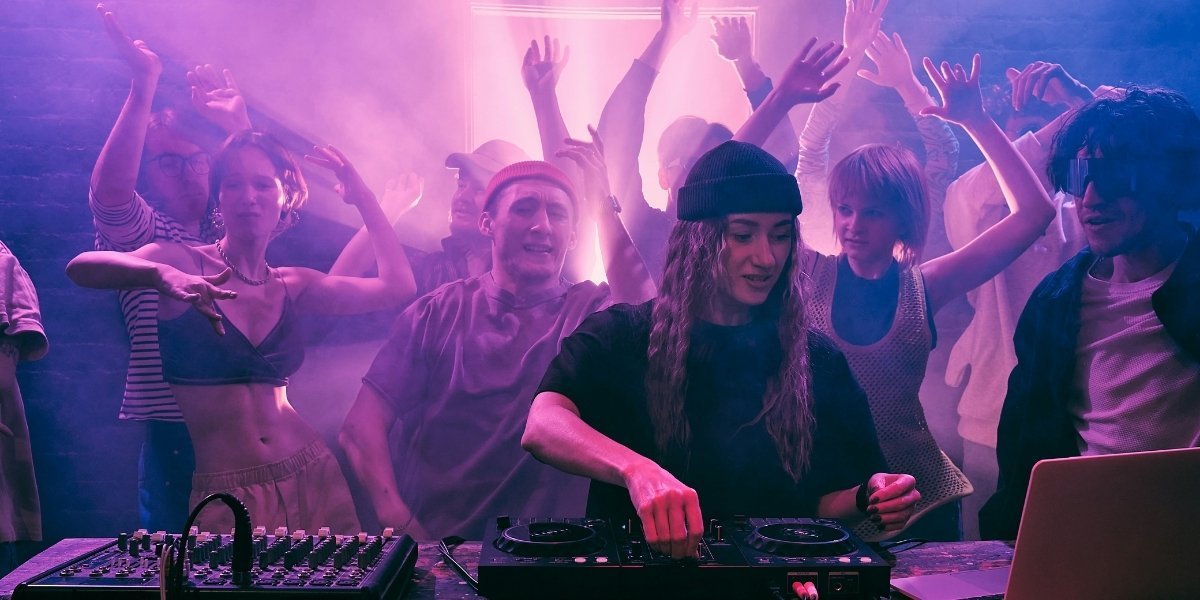
In recent years, the music world has witnessed an intriguing phenomenon—the rise of the celebrity DJ. Individuals who were previously renowned for their talents in acting, sports, fashion, and other entertainment fields have made the successful transition into the world of DJing. Celebrity DJs have captivated audiences with their presence, and often, their star power has helped propel electronic music into the mainstream. This phenomenon reflects a fascinating intersection of fame, music, and entertainment, and has changed the landscape of DJ culture in profound ways. In this article, we explore the allure, impact, and future of the celebrity DJ phenomenon.

The Allure and Appeal

The appeal of celebrity DJs lies in the star power they bring to the DJ booth. When a well-known celebrity steps behind the decks, it offers something unique for the audience—a novel experience of seeing a familiar face in a completely new role. Whether it’s an actor like Idris Elba, a former athlete like David Guetta, or a fashion icon like Kendall Jenner, celebrity DJs draw large crowds simply because of their established fame.

Celebrity DJs often bring a unique musical selection to the table. Their diverse backgrounds—whether in film, sports, or fashion—often shape the music they play, resulting in eclectic mixes that distinguish them from traditional DJs. This blend of star power and musical exploration can appeal to fans who might not typically attend a DJ set but are curious to experience what their favorite celebrity brings to the decks.

Celebrity DJs do not just rely on their names to draw crowds; their performances bring fresh energy and excitement to the music scene, keeping the audience engaged. The novelty of their performances, paired with their wide appeal, makes celebrity DJs a compelling phenomenon.

The Spectrum of Skill and Dedication

One of the most intriguing aspects of celebrity DJs is the range of commitment and expertise they demonstrate. While some celebrities approach DJing as a hobby or side project, others dedicate significant time and effort to mastering the craft. This spectrum of dedication is important, as it often shapes how these DJs are perceived within the industry and by fans.

For example, Paris Hilton initially took on DJing as a fun way to step into the music industry, but over time, she became more serious about her craft, even producing her own music. On the other hand, actor and musician Idris Elba has consistently demonstrated his passion for DJing, earning a reputation for his skills on the decks and his dedication to the craft.

Celebrity DJs who genuinely commit to learning the technical aspects of DJing, including mixing, production, and sound design, often gain a more authentic reputation among fans and other musicians. However, those who take a more casual approach to the craft may face criticism from purists, leading to debates about the legitimacy of their presence in the DJ scene.

Impact on the DJ Culture

The rise of celebrity DJs has significantly influenced the broader DJ culture and the electronic music scene. On one hand, celebrity DJs have helped to democratize the industry by introducing new audiences to electronic music. Celebrities often bring attention to underground genres, opening up the scene to a wider and more diverse demographic.

On the other hand, this phenomenon has sparked debates about gatekeeping and the blurring of lines between traditional DJs and celebrity figures. Critics argue that the influx of celebrities into the DJ world could overshadow seasoned professionals who have spent years honing their craft. The emphasis on star power rather than skill, they claim, threatens the authenticity and integrity of the scene.

The visibility of celebrity DJs has led to a shift in the business side of DJ culture. As celebrity DJs are able to command larger crowds, it has sparked a wider conversation about the commercialization of the DJ industry and whether it has become too focused on marketing and image.

Business and Branding

For many celebrity DJs, their success is closely tied to business and branding. These individuals are not just performers; they are entrepreneurs who leverage their fame to build multi-faceted careers in music. The DJ scene has become another avenue for brand partnerships, endorsements, and collaborations. Celebrity DJs often have lucrative deals with fashion brands, tech companies, and even alcohol brands, enhancing their status and visibility.

Celebrity DJs’ already established fanbases in other industries also help them succeed. A large portion of their audience attends performances because they are fans of the celebrity, not necessarily the music itself. For these DJs, their performances are an extension of their brand, and their success lies in monetizing their fame through various channels. This includes not only gig fees but also product endorsements, exclusive releases, and even fashion lines inspired by their DJ persona.

Fan Perception and Authenticity

Celebrity DJs Revealed: Why A-Listers Are Trading Film Sets for the Booth

Photo Credit: Unsplash.com

One of the most significant aspects of the celebrity DJ trend is fan perception. Audiences have varied views on whether celebrity DJs are seen as genuine artists or merely novelty acts. Some fans view celebrity DJs as talented performers who bring excitement to the industry, while others believe their prominence is purely due to fame, not skill.

The question of authenticity is central to the conversation about celebrity DJs. Fans of traditional DJs often criticize celebrities who enter the scene without deep knowledge of the craft, questioning their artistic integrity. However, celebrity DJs who invest time in learning the ropes and produce original work are more likely to earn the respect of critics and fans alike.

Memorable Performances and Moments

Over the years, there have been several memorable performances by celebrity DJs that have shaped the perception of this phenomenon. For example, Paris Hilton’s performance at major festivals like Tomorrowland has generated both excitement and controversy, with some praising her energy and others questioning her skills. Similarly, Idris Elba’s sets at prestigious venues have gained recognition for their seamless mixing and dedication to the art of DJing, helping him carve out a niche within the industry.

Celebrity DJs have become fixtures at music festivals and high-profile events, leaving lasting impressions through their unique mixes and presence on stage.

The Future of the Trend

As the entertainment and music industries continue to evolve, the celebrity DJ phenomenon will likely continue to grow. However, as the scene becomes more commercialized, there will be increasing pressure for celebrity DJs to demonstrate musical skill and authenticity to maintain credibility.

In the future, we may see a more defined line between celebrity DJs who genuinely engage with the craft and those who use the role as a stepping stone for broader commercial ventures. Regardless of its future, the phenomenon of celebrity DJs will continue to shape the music industry, blending fame, entertainment, and music in an increasingly interconnected world.

The rise of the celebrity DJ represents a fascinating intersection of fame, music, and entertainment. While some may argue that celebrity DJs are simply novelty acts, their influence on the music scene cannot be denied. Whether through their ability to bring new audiences to electronic music or their larger-than-life performances, celebrity DJs have undeniably left their mark on the industry. As the trend continues to evolve, it will be interesting to see how celebrity DJs balance their fame with their musical craft and how their presence shapes the future of DJ culture.

How Does Old TV Fit into the Modern Streaming Model?

The landscape of television has evolved dramatically over the past few decades. With the rise of streaming platforms like Netflix, Hulu, and Disney+, traditional television content now shares space with on-demand, commercial-free streaming experiences. While this shift has revolutionized the way audiences consume media, one question arises: how does old TV fit into the modern streaming model? This article explores how classic TV content is integrated into streaming services, the impact on modern audiences, and the challenges and opportunities that come with blending old and new media formats.

Old TV Content on Streaming Platforms

Old TV shows and movies are becoming a staple in the streaming landscape, with major platforms offering vast libraries of classic content. Streaming services not only make older shows more accessible but also provide a platform for fans to rediscover or explore these shows for the first time.

Digitization and Archival Access

As traditional TV moved from analog to digital, a massive effort went into digitizing older content to preserve it and make it accessible to new generations. Streaming platforms have played a key role in this process, hosting a vast archive of content from classic TV series and films. Many older shows, which may not have been available for years, are now accessible with the click of a button, allowing viewers to explore TV history at their own pace.

Streaming Libraries and Nostalgia Programming

Classic TV shows are often featured in dedicated categories or curated collections within streaming services. Platforms like Netflix, Hulu, and Amazon Prime offer entire seasons of older series, from I Love Lucy to Friends, making nostalgia programming a popular draw. These collections are not only targeted at older audiences who grew up watching these shows but also attract younger generations who might be curious about the origins of modern TV entertainment.

Licensing Deals and Partnerships

Streaming services have partnered with major networks and production companies to license old TV content. Shows from decades ago can now be streamed thanks to these deals. For instance, HBO Max has access to classic content from Warner Bros., while Peacock offers classic NBC shows. These licensing agreements ensure that beloved older shows continue to be available to audiences, often with high-quality digital formats and remastered editions.

Old TV Shows and Modern Audiences

Though classic TV shows have found a home on streaming platforms, the way modern audiences engage with them has shifted. Younger generations have different viewing habits, and old TV content must adapt to meet their preferences while maintaining its original charm.

Generational Shifts in Viewing Preferences

The way people watch TV has changed, particularly among younger viewers. Traditional, scheduled programming is being replaced by on-demand access to content at any time. For younger audiences, who may not have experienced the shows in their original airings, classic TV is often consumed through binge-watching, allowing viewers to immerse themselves in entire seasons over a short period. This consumption model changes the pacing and enjoyment of older shows, allowing for new forms of engagement.

Cultural Relevance and Updating Content

Older TV shows often reflect the culture and social norms of the time in which they were made. Many classic series, particularly those from decades ago, contain themes, humor, or cultural references that may feel outdated or even offensive to modern audiences. As a result, streaming platforms and networks are often tasked with updating content to align with contemporary sensibilities, whether by adding content warnings, altering some of the dialogue, or offering remastered versions that retain the essence of the original while making it more palatable to today’s viewers.

The Role of Comedy and Humor

Old comedy shows, such as The Dick Van Dyke Show or Seinfeld, remain fan favorites for their humor and character-driven storytelling. However, some of the comedic elements in these shows may not resonate with today’s audiences. The humor of older sitcoms, which often relied on cultural references of their time, may fall flat for younger viewers. However, there is still a place for these shows in the streaming world, as they offer a glimpse into the past and provide comedic value that’s still appreciated by many.

Monetization of Old TV in Streaming

Old TV content is not just a nostalgic throwback—it’s a valuable business opportunity for streaming platforms. Licensing and offering classic TV shows on streaming platforms allows for revenue generation in several ways.

Licensing Deals and Content Ownership

Streaming platforms typically pay licensing fees to secure the rights to stream older TV content. These licensing deals often include long-term contracts, ensuring that classic shows remain available for extended periods. Platforms also negotiate terms to manage content rights, ensuring that they control how and when these shows can be distributed.

Ad-Supported Streaming Models

For free ad-supported streaming platforms, like Tubi and Pluto TV, classic TV content is an essential draw for new subscribers. These platforms often air old TV shows alongside modern content, using advertisements to generate revenue. While the ads can disrupt the viewing experience, they also provide a way for free platforms to monetize the content they offer, making it accessible to audiences without subscription fees.

Revenue from Nostalgia-Driven Merchandising

Streaming platforms also tap into the nostalgia-driven market through merchandise. Shows that were once considered cult classics are now driving revenue through branded products, from t-shirts and mugs to limited-edition collectibles. By partnering with retail and merchandising companies, streaming services have expanded the scope of how old TV content can generate revenue.

Old TV’s Influence on New Content Creation
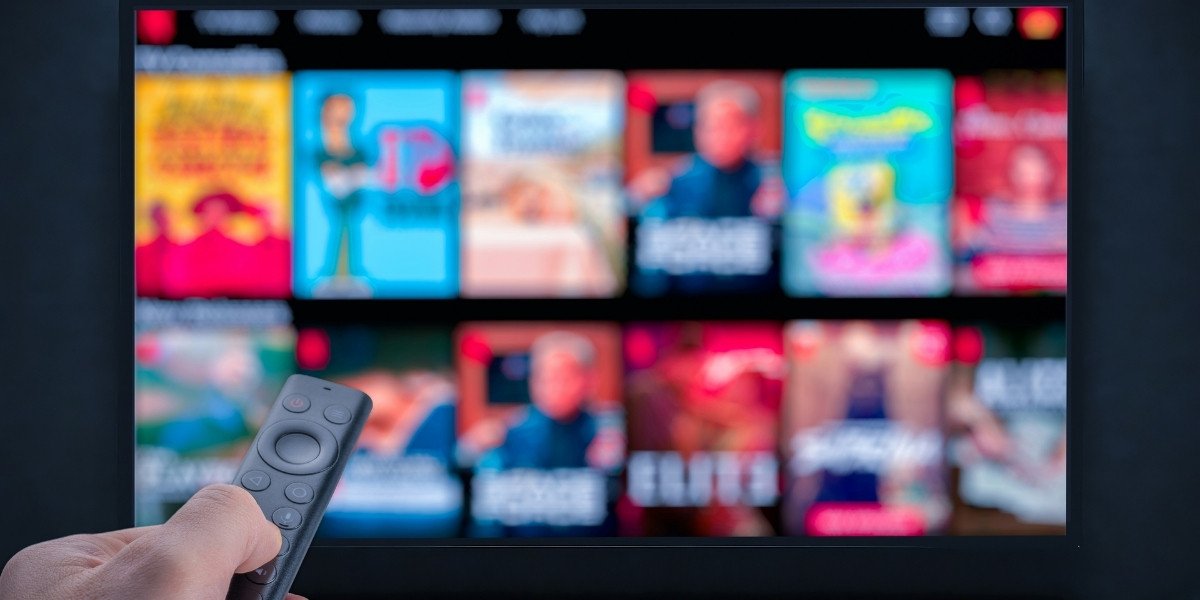
How Does Old TV Fit into the Modern Streaming Model?

Photo Credit: Unsplash.com

While classic TV shows are enjoying a resurgence in streaming, their impact on modern content creation is also evident. The success of older shows has inspired new content, both in terms of storytelling and format.

Revival and Reboots of Old TV Shows

One of the most noticeable trends is the increasing number of reboots and remakes of classic TV series. Streaming platforms are revitalizing old TV shows with modern twists. For example, Full House was revived as Fuller House, and The Twilight Zone received a reimagined version on CBS All Access. These reboots draw on the existing fanbase while introducing the story to new viewers, blending nostalgia with new-age production values.

Nostalgia Marketing

Streaming platforms often use nostalgia marketing to attract viewers. Whether through promotional campaigns that highlight the return of iconic characters or through the launch of anniversary collections, platforms create excitement around both new and old content. This marketing strategy draws in fans who are eager to relive old memories while keeping them invested in the franchise’s growth.

Technological Advances and Old TV

With new technologies, streaming services are also working to enhance the way classic TV shows are experienced by modern audiences. Remastering and digitalization processes play a critical role in making older content look better while maintaining its original charm.

Remastering and Restoring Classic TV Shows

Many classic TV shows are being remastered in high-definition (HD) or even 4K to appeal to modern audiences who expect top-tier viewing experiences. This process often involves cleaning up old footage, re-colorizing black-and-white films, or enhancing audio for contemporary sound systems. The efforts to restore older content make it more appealing and accessible, ensuring that timeless TV shows can continue to resonate with today’s viewers.

Interactive Experiences and New Formats

Modern technologies, such as augmented reality (AR) and interactive storytelling, are starting to influence the way old TV shows are integrated into the streaming model. Some platforms experiment with interactive experiences, allowing users to make choices within the context of older shows, creating a hybrid of classic television and modern interactive formats.

Challenges of Integrating Old TV into Modern Streaming

While streaming has opened up new possibilities for older TV shows, it also presents some challenges. Integrating classic content into a modern, on-demand model requires careful consideration of various factors.

Licensing and Rights Issues

One of the biggest challenges in bringing old TV shows to streaming is navigating the complex web of rights and licensing agreements. Many older shows have multiple owners, making it difficult to secure streaming rights. Negotiating these deals often involves multiple parties, including original production companies, actors, and music rights holders, which can delay or complicate the streaming process.

Viewer Fragmentation and Preferences

While there is a strong market for classic TV content, streaming services must balance older offerings with newer shows that appeal to younger audiences. Viewer fragmentation, with distinct preferences for classic vs. modern content, presents a challenge for platforms trying to satisfy both nostalgic fans and the newer generation of binge-watchers.

The Future of Old TV in the Streaming Era

As the streaming model continues to evolve, the role of old TV content will only grow. Streaming platforms will likely continue to expand their libraries of classic shows and find new ways to integrate nostalgic content with modern preferences. Whether through reboots, remasters, or entirely new formats, old TV will continue to shape the entertainment landscape.

Expanding Streaming Libraries

Streaming platforms are increasingly investing in classic TV content, not just to attract older viewers, but also to introduce younger audiences to the shows that shaped television. As more shows are digitized and preserved, there will be greater opportunities to access even more nostalgic content on-demand.

Nostalgia Meets Innovation

The blend of old TV content with new technological formats will provide audiences with fresh ways to experience beloved classics. This combination of nostalgia and innovation ensures that classic TV shows will continue to play an important role in the streaming world for years to come.

Old TV content has found a new life in the modern streaming world, offering nostalgia for older viewers while captivating younger generations with classic programming. The integration of old TV into streaming platforms presents unique opportunities and challenges, but as streaming services continue to adapt, classic TV will remain a vital part of the entertainment ecosystem. Whether through licensing, reboots, or remasters, old TV fits seamlessly into the modern streaming model, offering viewers a blend of the past and the future.

The Score Debate: How Rotten Tomatoes and Metacritic Work

When it comes to evaluating films, TV shows, and music, Rotten Tomatoes and Metacritic have become household names. Both sites play a crucial role in how audiences and critics judge entertainment, offering numerical scores and critical reviews that shape perceptions. Yet, despite their prominence, many consumers and industry professionals still question how these platforms work, and how much weight should be given to their ratings. Let’s dive into the mechanics behind Rotten Tomatoes and Metacritic and understand how they influence the entertainment world.

How Rotten Tomatoes Works

Rotten Tomatoes is perhaps the most famous platform when it comes to aggregating movie and TV reviews. Known for its “Tomatometer,” the site gathers reviews from critics and assigns a percentage score based on the proportion of positive reviews. However, the process isn’t as simple as just tallying up positive and negative feedback.

The Fresh vs. Rotten Concept

The central feature of Rotten Tomatoes is its fresh vs. rotten concept. A film or show earns a fresh status if 60% or more of the critics’ reviews are positive. If it falls below that threshold, it’s labeled rotten. This binary approach allows users to easily gauge a film’s reception at a glance.

However, the system isn’t without its controversies. Critics argue that a binary rating oversimplifies a film’s true quality. A review can be marked as “fresh” with a score of 60%, even if the critic had mixed feelings. This leads to complaints that films with middling reviews can be unfairly categorized as “fresh.”

Audience Scores

One of the unique aspects of Rotten Tomatoes is its dual rating system, which includes both critic reviews and audience scores. The audience score is calculated from user reviews, giving a broader snapshot of the public’s opinion. However, audience scores are not always as reliable as they can be subject to manipulation. In recent years, there have been several instances of review-bombing, where online groups skew ratings for or against a movie, leading to misleading scores.

Metacritic’s Approach to Aggregating Scores

While Rotten Tomatoes leans heavily on a thumbs-up or thumbs-down system, Metacritic offers a more detailed approach to its scores. Instead of the fresh or rotten dichotomy, Metacritic provides a weighted average score from 0 to 100. This score reflects the consensus of critics from a variety of publications and offers a more nuanced view of a film’s reception.

The Weighted Score System

Metacritic doesn’t simply take all critics equally. The site assigns weights to certain critics and publications based on their perceived credibility or prominence. For example, a review from The New York Times might carry more weight than one from a lesser-known blog. This allows Metacritic to provide a more refined score, although some argue that the subjective weighting process can still lead to biases in certain cases.

In addition to critic reviews, Metacritic also aggregates user scores, but these are typically separated from the main score. This keeps the professional critique and audience opinion distinct, preventing user reviews from skewing the critical consensus.

The Impact of the Score

On Metacritic, a score above 70 is generally considered positive, while anything below that is deemed mixed to negative. The site’s scores are often used as a benchmark for predicting award season success and box office potential. A high Metacritic score, like the one for Parasite (2019), can be a key indicator of quality and artistic achievement, even if the general audience may have a more divided opinion.

The Role of These Scores in Hollywood

The Score Debate: How Rotten Tomatoes and Metacritic Work

Photo Credit: Unsplash.com

Rotten Tomatoes and Metacritic scores can have a massive influence on the success or failure of a project. Hollywood studios often monitor these scores closely, and a poor rating can harm a film’s opening weekend box office numbers. For example, movies with low Rotten Tomatoes scores can see a sharp drop in ticket sales, as many viewers use these scores as a quick guide to quality. On the flip side, a high score can help boost a film’s popularity, especially in the digital streaming era.

Critical Reviews and Award Season Impact

Both Rotten Tomatoes and Metacritic scores play a crucial role during award season. Film critics, industry experts, and voters for prestigious awards such as the Oscars or Golden Globes often use these platforms as part of their decision-making process. A high score on Metacritic can sometimes help a film secure nominations for major categories, while a low score can hurt its chances, even if the film performs well at the box office.

Pros and Cons of Rotten Tomatoes and Metacritic

While Rotten Tomatoes and Metacritic offer helpful insights, there are some drawbacks to consider. One of the main criticisms is that both platforms oversimplify the nuanced nature of film critique. A 60% score on Rotten Tomatoes doesn’t tell you much about the individual strengths and weaknesses of a film—it simply tells you that some critics liked it, and others didn’t.

Rotten Tomatoes Pros and Cons:

Pros:

  • Easy-to-understand ratings.

  • Quick, broad consensus from critics.

  • Works as a handy reference for deciding what to watch.

Cons:

  • Oversimplification of reviews.

  • Vulnerable to review-bombing and manipulation.

  • Binary scoring system doesn’t capture subtle opinions.

Metacritic Pros and Cons:

Pros:

  • More nuanced, weighted score system.

  • Includes a wider range of critics and publications.

  • Provides a detailed snapshot of a film’s reception.

Cons:

  • Weighted scores can create biases.

  • User scores can differ significantly from critic reviews.

  • Requires more in-depth knowledge to understand the full context.

Should You Trust the Scores?

Both Rotten Tomatoes and Metacritic offer valuable insights into the reception of films and shows, but it’s essential to view these scores with a critical eye. While they can be helpful for quickly gauging a film’s general reception, they don’t tell the whole story. It’s important to dive deeper into individual reviews, watch trailers, and consider your own tastes before making a decision based solely on a score.

If you’re an avid moviegoer or a casual viewer, don’t let a percentage or number dictate your enjoyment of a film. Ultimately, the best judgment comes from your personal experience with the movie or show.