
What is the Historical Journey of This Esteemed Institution?
The Hall of Fame dedicated to influential figures in modern popular music has a rich history, tracing its origins back to a vision of preserving and celebrating the genre’s enduring impact. Established in the mid-1980s by a group of prominent music industry executives and journalists, its initial aim was to acknowledge the foundational artists and pioneers who shaped a groundbreaking sound. The institution found its permanent home in Cleveland, Ohio, a city deeply intertwined with the early narratives of this vibrant musical style, notably through figures who popularized the term “music and roll” decades ago. The selection of this location underscored a commitment to the historical roots of the evolving genre.
The physical museum, designed by a renowned architect, opened its doors in the mid-1990s, offering visitors an immersive experience into the evolution of contemporary music. Its exhibits showcase a vast collection of artifacts, including instruments used by legendary performers, iconic stage attire, original lyric sheets, and rare concert memorabilia. These displays collectively tell the story of the sound’s origins, its various sub-genres, and its profound cultural significance through the decades. The building itself, with its distinctive architectural features, serves as a beacon for music enthusiasts worldwide, symbolizing the enduring power and influence of the genre.
Over the years, the institution has broadened its scope, recognizing not only performing artists but also early influences, non-performers like producers and songwriters, and sidemen who played crucial supporting roles. This expansion reflects a more comprehensive understanding of the complex ecosystem that contributes to a musical movement. The continued dedication to historical preservation and educational outreach ensures that future generations can understand the legacies of the individuals and groups who defined an era of sound.
How Are Music Legends Selected for Induction?
The process for selecting inductees into this esteemed Hall of Fame is rigorous, designed to honor those who have demonstrated significant influence and lasting impact on the development and perpetuation of popular music. Artists become eligible for consideration a specific number of years after the release of their first recording, typically 25 years. This eligibility period allows for a historical perspective on their body of work and its long-term significance within the music world, ensuring that their contributions have truly stood the test of time.

Photo Credit: Unsplash.com
Once eligible, a nominating committee, comprising music historians and industry experts, carefully selects a slate of nominees each year across various categories. These nominations are then put to an international body of voters, often numbering several hundred, who are deeply knowledgeable about the genre. To be inducted, a nominee must receive more than 50 percent of the total votes. This multi-layered voting system aims to ensure that inductees are recognized for their artistic merit, innovation, and enduring legacy, rather than simply commercial success or fleeting popularity.
While the primary category focuses on performers, other categories acknowledge the diverse contributions to music. The “Early Influences” category recognizes artists whose work predated and inspired the genre’s formative years. “Non-Performers” honors the behind-the-scenes architects—producers, songwriters, executives, and journalists—whose visions shaped the sound. Additionally, a “Musical Excellence” award recognizes exceptional instrumentalists and vocalists, and the “Ahmet Ertegun Award” celebrates non-performing industry figures. This structured approach aims to be inclusive of all essential figures who have contributed to the sound’s evolution.
Who Are Some of the Most Iconic Inductees into This Hall?
The list of inductees into the Hall of Fame reads like a comprehensive history of modern music, featuring some of the most influential and celebrated figures across decades. From the very first induction class in 1986, which included groundbreaking artists who laid the foundation for the genre, the roster has grown to encompass a diverse array of talent. Early inductees often included pioneers whose innovative sounds broke new ground and captivated audiences worldwide, establishing the blueprint for future generations of musicians. Their inclusion underscored their pivotal role in shaping popular music’s trajectory.
Over the years, the institution has welcomed a wide spectrum of celebrated artists. These include legendary groups known for their powerful stage presence and distinctive songwriting, as well as solo artists whose voices and compositions became anthems for entire generations. Their induction signifies not only their commercial success but also their profound impact on culture, fashion, and social movements. Each class brings together a unique blend of innovators, virtuosos, and storytellers, reflecting the ever-expanding boundaries of the genre.
Beyond the performing artists, the Hall also celebrates the often-unsung heroes behind the scenes. Visionary producers who crafted groundbreaking sounds, influential songwriters whose compositions became timeless classics, and pioneering record executives who discovered and championed new talent have all been honored. These individuals, though not always in the spotlight, are recognized for their indispensable contributions to the creation and dissemination of the music that has touched millions. Their presence in the Hall emphasizes the collaborative nature of artistic creation and industry development.
What Role Does the Hall Play in Preserving Music History?
This prominent Hall of Fame plays an indispensable role in the preservation and promotion of popular music history, acting as a vital repository of cultural heritage. Through its extensive archives, interactive exhibits, and educational programs, the institution ensures that the legacies of influential artists and significant moments in music are not lost to time. It serves as a living museum, constantly evolving to reflect new inductees and contemporary trends, while firmly grounding its mission in historical accuracy and scholarly research.
The museum’s collection of artifacts is meticulously curated and preserved, providing tangible links to the past. Visitors can see original instruments that produced iconic sounds, handwritten lyrics that reveal the creative process, and costumes that defined an era’s aesthetic. These items are more than just displays; they are educational tools that help contextualize the music within its historical and social landscape. The institution’s commitment to collecting and safeguarding these pieces ensures their availability for future study and appreciation, making history accessible to a broad audience.
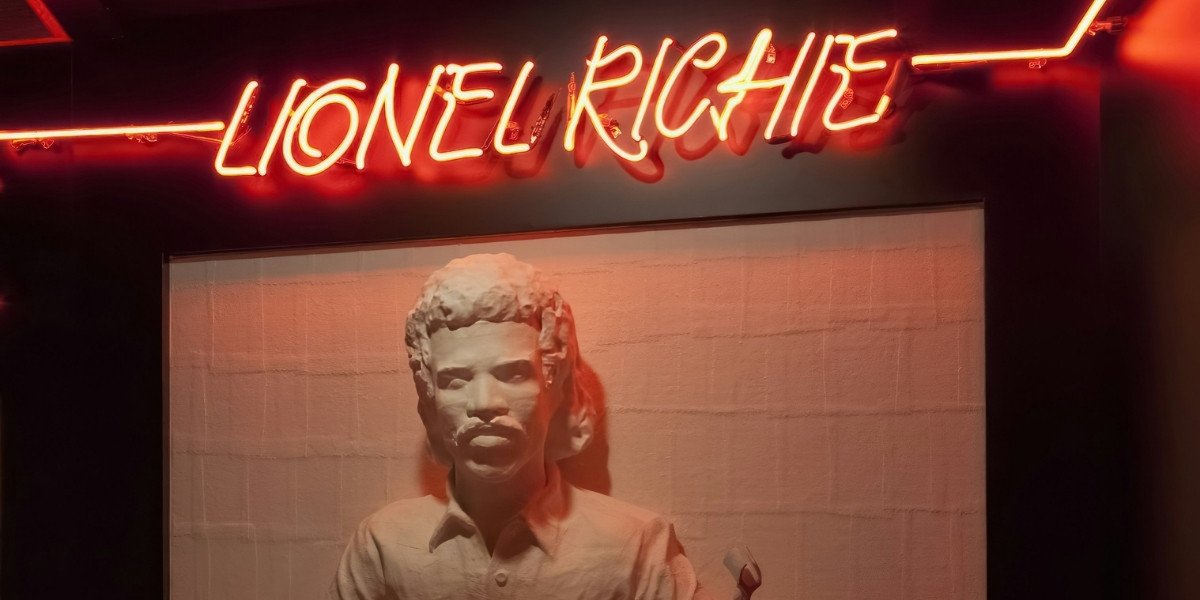
Photo Credit: Unsplash.com
Beyond the physical exhibits, the Hall also engages in educational initiatives that deepen public understanding and appreciation for the genre. This includes lectures, workshops, and online resources that explore various aspects of music, from its technical evolution to its cultural impact. By fostering a deeper connection with the art form, the institution helps to inspire new generations of musicians, fans, and scholars, ensuring that the vibrant history of popular music continues to resonate and influence for decades to come.
How Does This Institution Inspire Future Generations of Musicians?
The Hall of Fame for music legends serves as a profound source of inspiration for aspiring musicians and artists across all genres. By showcasing the journeys, struggles, and triumphs of those who achieved lasting impact, it provides a tangible demonstration of what dedication and creativity can accomplish. Young artists visiting the exhibits or learning about inductees can draw invaluable lessons from the perseverance, innovation, and passion displayed by the figures enshrined within its walls. It offers a blueprint for artistic pursuit.
Observing the diverse range of styles, sounds, and personal narratives represented by the inductees illustrates that there is no single path to success or influence in music. This breadth encourages budding talents to explore their unique voices and experiment with different forms, rather than strictly adhering to conventional norms. The stories of artists who defied expectations, blended genres, or forged entirely new sonic landscapes serve as powerful encouragement for originality and artistic courage in an ever-evolving industry.
The institution functions as a powerful reminder of music’s ability to transcend boundaries, communicate profound emotions, and ignite social change. By celebrating the power of individual expression and collective creativity, it reinforces the idea that music is not merely entertainment but a vital force in human culture. This message, embodied by the lives and works of its celebrated inductees, acts as a guiding light for future generations, encouraging them to pick up instruments, write songs, and contribute their own voices to the rich tapestry of global sound.