Entertainment Post

Live Concerts Are Going Digital with Music Apps

Why Are Music Apps Changing the Way Fans Attend Concerts?

Music is no longer limited to radio stations or physical venues. Over the past few years, music apps have transformed the way fans engage with artists. One of the biggest shifts has been the rise of live streaming concerts directly through these platforms.

Instead of purchasing tickets months in advance or traveling to distant cities, fans can now experience performances from the comfort of their own space. Whether it’s a living room, a park bench, or the inside of a car, music apps have made live access to concerts more flexible and more frequent.

The shift isn’t just about convenience. It’s also about inclusion. For many fans who cannot afford traditional concert experiences or are restricted by geography or mobility, music apps open up access in a way that live venues never could. These digital concerts offer a front-row feel without the crowd or travel costs.

How Do Music Apps Make Live Concerts More Accessible?

The appeal of streaming concerts lies in simplicity. A smartphone, an internet connection, and a music app are often all that’s needed. With one tap, users are transported into a performance space, watching their favorite artists live. Many platforms offer reminders, real-time comments, and interactive features that make each show feel personal and social.

For artists, it’s a chance to reach a broader audience without the logistics of touring. While nothing can replace the energy of a physical crowd, live streaming allows musicians to stay connected with fans, especially in moments when in-person shows are limited or impossible.

Some apps offer both free and paid access, letting users choose how they want to experience the concert. Premium options may include bonus content, backstage views, or post-show Q&A sessions. This flexibility has added a new layer to how concerts are structured and consumed.

What Features Make Live Concert Streaming Stand Out?

Live Concerts Are Going Digital with Music Apps

Photo Credit: Unsplash.com

The technology behind music apps has become more advanced, and that includes live performance streaming. High-definition video, surround sound, and real-time interaction are now standard features. Some apps even offer multi-angle viewing, letting users switch camera perspectives during a concert.

Live chat features create a sense of shared community. Fans can react, comment, and celebrate moments together, even from thousands of miles apart. For many, this communal energy brings back the social aspect of concerts that was once limited to physical venues.

Artists can also use these tools to speak directly to fans, take song requests, or even preview unreleased tracks. This immediacy and intimacy set streamed performances apart from studio recordings or pre-recorded music videos. It’s real, unscripted, and sometimes unpredictable—which only adds to the thrill.

Are Music Apps Shaping the Future of Concert Culture?

Concert culture is evolving, and music apps are at the center of that change. The traditional model of touring city to city is being supplemented—not replaced—by virtual shows. These digital events allow artists to maintain visibility between tour cycles and connect with fans across time zones.

This shift doesn’t mean physical shows are going away. Instead, it shows that music apps are adding a new dimension to the experience. Hybrid concerts, where live performances are streamed at the same time they are played in-person, are becoming more common. This allows global participation in events that would otherwise be exclusive to one location.

Even independent artists with limited resources now have access to global stages. Through music apps, they can build fanbases, release performances, and monetize their work without the cost of a tour. That changes the game, especially for emerging musicians trying to find their voice in a crowded industry.

What Are the Long-Term Impacts of Live Streaming on Music Apps?

The growth of live streaming is reshaping audience expectations. Fans want more than just songs—they want presence, interaction, and the feeling of being seen. Music apps that offer these elements are more likely to maintain user loyalty and attract new listeners.

For the music industry, these changes open up fresh opportunities. Brands are beginning to sponsor live streams, while ticketing models are adapting to include digital passes. Some apps are exploring virtual merchandise booths or tipping systems, giving fans more ways to support artists.

Data analytics is another key area of development. Music apps can track viewership, engagement, and preferences in real-time, helping artists understand what works and what doesn’t. This level of feedback was never possible at traditional venues, where audience reactions were mostly felt but rarely measured.

As platforms continue to innovate, the role of music apps will likely expand. What started as a way to play songs on demand is quickly becoming a full-fledged performance stage, community hub, and career-building tool for artists.

The World of Children’s Songs: More Than Just Melodies

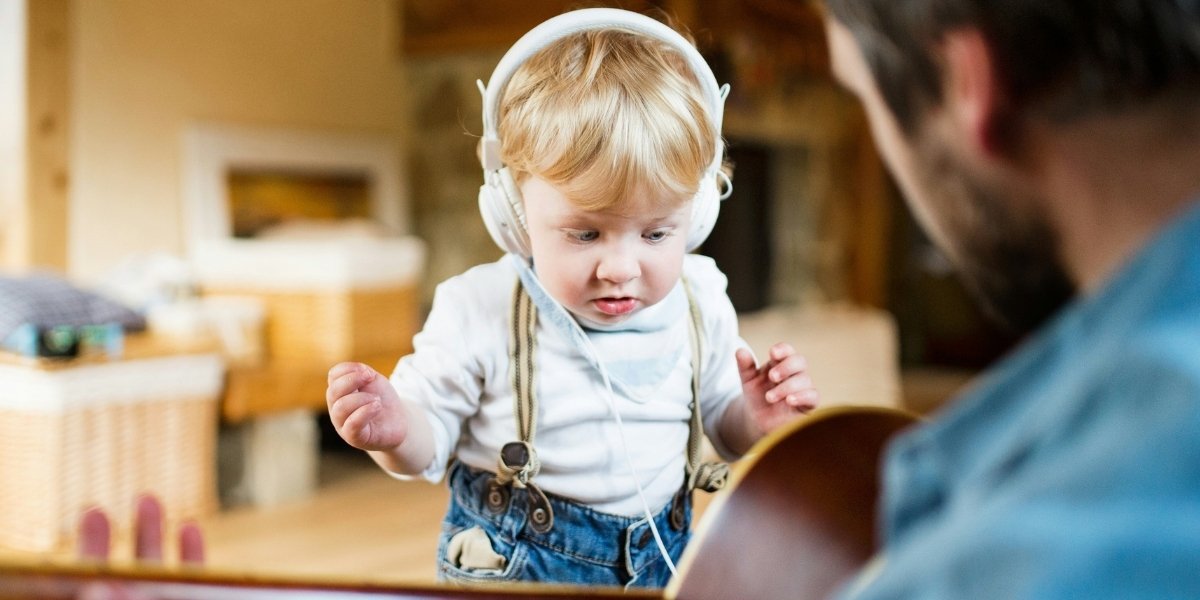
Children’s songs are much more than simple tunes. They are a key part of childhood development, cultural transmission, and social interaction. From the familiar lullabies we sing to soothe infants, to playful songs that help children learn about the world around them, these songs play an essential role in nurturing cognitive, emotional, and social growth. In this article, we’ll explore the world of children’s songs, examining their cultural importance, the ways they help with child development, and the impact they have on early learning.

The Role of Children’s Songs in Early Development

Children’s songs are often designed with specific developmental goals in mind. Whether it’s encouraging language skills, enhancing motor coordination, or teaching social norms, children’s songs serve as tools for learning in both informal and formal settings.

Language Development Through Song

One of the most significant roles of children’s songs is in language development. Repetition, rhyme, rhythm, and melody help young children acquire new vocabulary and practice speech patterns. Songs like “Twinkle, Twinkle, Little Star” or “The ABC Song” introduce children to phonetic awareness and word recognition. They also help children grasp the concept of sentence structure and syntax through simple, repetitive lyrics.

For example, nursery rhymes and counting songs provide an early foundation for numeracy skills as children learn to recognize numbers, understand basic arithmetic, and practice counting in a fun and interactive way.

Emotional and Cognitive Growth

Children’s songs also provide a safe and creative outlet for emotional expression. Songs often reflect a child’s experiences—whether it’s learning to share, dealing with fear, or understanding friendship. As children sing about various emotions or life events, they practice self-regulation and learn to recognize and express their feelings.

For instance, songs like “If You’re Happy and You Know It” help children understand and express emotions through simple lyrics and movement. This contributes not only to emotional intelligence but also to cognitive development as children are actively involved in recognizing emotions and correlating them with actions.

Motor Skills and Physical Coordination

The physical movements that accompany many children’s songs play an important role in developing motor skills. Songs like “Head, Shoulders, Knees, and Toes” require children to engage in body movement while they sing, helping them improve coordination and balance. These activities also support the development of fine and gross motor skills, as children practice actions such as clapping, stomping, or jumping in time with the music.

These physical activities not only help develop motor skills but also promote body awareness, helping children connect their minds to their movements and providing an early foundation for dance and physical activities as they grow.

Cultural Significance of Children’s Songs

Children’s songs have always been a reflection of the cultural values, traditions, and social dynamics of the societies from which they originate. These songs help pass down traditions, celebrate communal identity, and ensure that cultural stories and values are shared with the next generation.

Cultural Transmission Through Song

In many cultures, children’s songs are an essential tool for passing down history, customs, and beliefs. These songs serve as an easy and enjoyable way to teach children about their heritage, whether it’s through folklore, mythology, or social practices. For example, in many African American communities, songs like “This Little Light of Mine” and “Swing Low, Sweet Chariot” carry deep historical significance and help maintain cultural traditions.

In Indigenous cultures, children’s songs often carry stories of creation, nature, and survival, providing a link to past generations. These songs preserve oral traditions and offer children a way to stay connected to their ancestors’ wisdom and experiences.

Global Diversity in Children’s Songs

The World of Children's Songs: More Than Just Melodies

Photo Credit: Unsplash.com

The diversity of children’s songs across the world is a testament to the richness of cultural expression. For example, in Spain, “Los Pollitos Dicen” teaches children about animals and their sounds, while in Japan, “Donguri Korokoro” introduces children to the natural world with imagery of acorns and trees. Similarly, in Brazil, “Ciranda Cirandinha” is a traditional circle game song that encourages both social interaction and the development of motor skills.

Children’s songs help bridge cultural divides, as children across the world use them to play, interact, and learn. The universal themes—play, love, family, nature—allow for a shared human connection, transcending geographical and cultural boundaries.

Socialization and Shared Experiences

Children’s songs are not only cultural artifacts but also social tools. They are used in group settings such as preschools, playgroups, and family gatherings, where they provide a way for children to bond with their peers and caregivers. Songs that involve group participation encourage children to develop their social skills, including cooperation, turn-taking, and following instructions.

For example, songs like “The Wheels on the Bus” or “Ring-a-Ring-a-Roses” are commonly sung in groups, where children interact with one another, engage in physical activity, and learn to share the spotlight. This communal aspect is important for fostering early social cohesion and teamwork.

The Science of Music and Memory: How Children’s Songs Shape Learning

Children’s songs are not only fun and engaging—they are powerful tools for enhancing memory and learning. Studies have shown that children are more likely to remember information that is presented in song form, as the combination of melody, rhythm, and repetition aids in memory retention and cognitive processing.

The Power of Repetition

Repetition is a core element of many children’s songs, and it’s this repetitive nature that enhances learning. Songs like “Row, Row, Row Your Boat” or “Old MacDonald Had a Farm” repeat lyrics and actions in a way that allows children to easily memorize them. This repetitive structure strengthens neural connections, particularly in the hippocampus—the brain region responsible for memory formation.

The Connection Between Music and Memory

Research has shown that music stimulates multiple regions of the brain, helping children with auditory processing and improving their ability to retain information. For example, learning numbers or the alphabet through songs (like “The Alphabet Song”) allows children to recall the information more easily. The rhythmic patterns in the songs help organize the material in a way that enhances cognitive processing and recall.

Music has also been found to aid in language acquisition, especially when it comes to pronunciation, intonation, and syllable stress. Children’s songs help young listeners practice the basic sounds of language and build a foundation for literacy.

The Future of Children’s Songs: Innovation and Integration

As we move further into the 21st century, the role of children’s songs is evolving, driven by advances in technology, digital media, and educational practices. Today, children’s songs are not only found in books and classrooms but also through interactive apps, YouTube channels, and streaming platforms.

Digital and Interactive Learning

Technology has provided new opportunities for children to engage with music and learning. Apps that incorporate music and songs into educational tools help children learn numbers, letters, shapes, and even languages. For example, interactive games that incorporate songs encourage children to sing along, repeat actions, and practice their skills in an engaging way.

Collaborations and Global Reach

Today, children’s songs are evolving to reflect modern themes and are often infused with global influences. International collaborations, such as K-pop children’s songs or global educational channels on YouTube, bring diverse musical styles to young listeners. These songs blend traditional melodies with modern beats, appealing to both educational and entertainment aspects, helping to foster cultural awareness from a young age.

The Lasting Power of Children’s Songs

Children’s songs have remained an essential part of childhood for generations. Beyond being simple tunes, they are tools for learning, cultural transmission, and emotional development. From fostering language skills to encouraging social interaction, children’s songs lay the foundation for lifelong learning and development. As these songs continue to evolve in the digital age, they will undoubtedly remain a cherished part of childhood, uniting children across the globe in their shared love of music and learning.