The digital age has irrevocably changed the way we consume entertainment, and live music is no exception. While the thrill of attending a concert in person remains unparalleled, a new frontier has emerged, offering a convenient and often high-quality alternative: pay-per-view (PPV) concerts. This model allows fans to experience live performances from the comfort of their own homes, bridging the gap between artist and audience in a way that was unimaginable just a few decades ago.
Pay-per-view concerts have exploded in popularity, particularly in recent years, proving to be a flexible and accessible format for both established superstars and independent artists. This guide will delve into the world of live music at home, exploring the history of PPV concerts, the technology that makes them possible, and practical tips for maximizing your at-home viewing experience.
The Evolution of the Pay-Per-View Concert
The concept of a televised concert is not new, but its evolution from a niche, exclusive event to a mainstream, globally accessible platform is a fascinating journey. Early forms of PPV concerts date back to the late 1970s and 1980s, when major events, particularly in boxing and wrestling, were broadcast to a limited number of cable subscribers who paid a premium fee. Music soon followed suit. Legendary concerts, such as those by Frank Sinatra or Elvis Presley, were broadcast in various forms, but true PPV concerts began to take hold as cable television became more widespread.
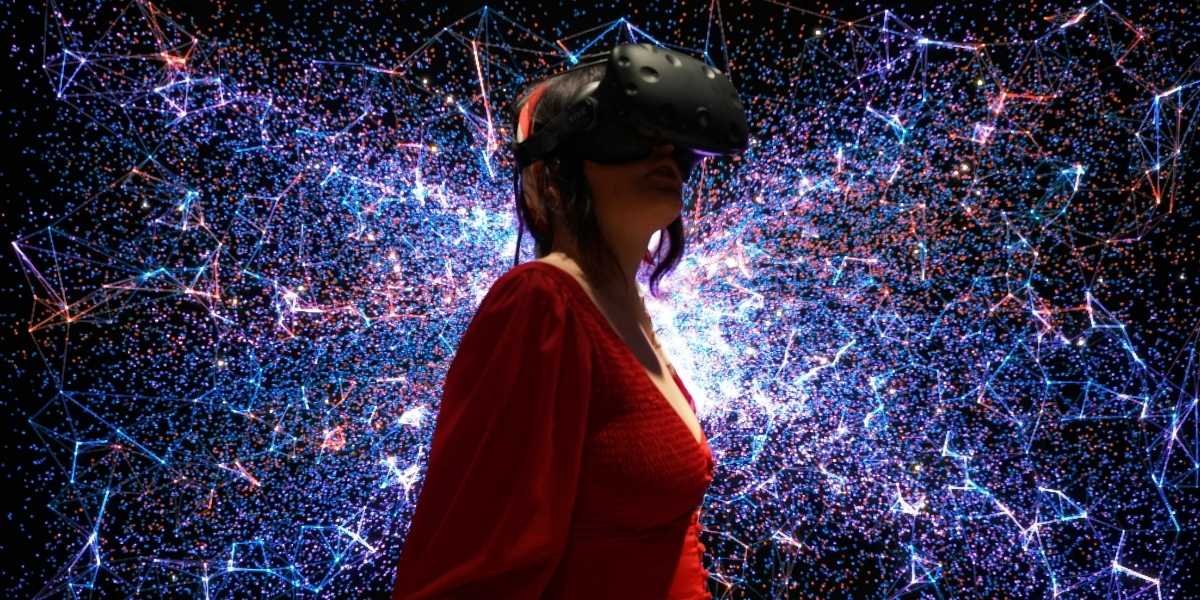
Photo Credit: Unsplash.com
In the 1990s, artists like Michael Jackson and the Rolling Stones leveraged PPV to broadcast their massive stadium tours to a broader audience. These broadcasts were typically expensive and required a special subscription, making them a significant event for music fans. However, the technology and business model were still in their infancy, with limited accessibility and often technical glitches. The true revolution in pay-per-view concerts was catalyzed by the advent of high-speed internet and streaming technology in the 21st century.
The rise of platforms like YouTube, Vimeo, and dedicated streaming services has completely democratized the space. The COVID-19 pandemic served as a major catalyst, forcing artists to pivot to digital platforms to connect with their fans while live tours were on hold. This period saw a dramatic increase in the production value and frequency of PPV concerts, with artists like Taylor Swift, BTS, and Dua Lipa producing high-quality, cinematic live experiences. This shift not only kept artists engaged with their fans but also proved the financial viability and technological maturity of the format, solidifying its place as a permanent fixture in the music industry’s business model.
The Technology Behind the At-Home Experience
The success of a pay-per-view concert hinges on a sophisticated blend of technology that ensures a seamless and high-quality viewing experience for a global audience. This goes far beyond simply pointing a camera at a stage; it involves a complex ecosystem of production, broadcasting, and streaming technology.
At the core of the experience is high-definition and 4K video capture, often involving multiple cameras positioned to capture every angle of the performance, from wide-angle shots of the stage to intimate close-ups of the artists. Professional lighting and production design are crucial, as they are tailored specifically for the camera’s eye, sometimes creating an even more visually stunning experience than attending the concert in person. The audio is equally important, often being mixed and mastered separately from the live venue’s sound system to ensure studio-quality sound that is optimized for home speakers, headphones, or soundbars. The ability to offer an immersive audio experience, whether in stereo or even Dolby Atmos, is a key selling point for many high-end PPV productions.
The next crucial layer is the streaming platform. Artists and production companies utilize a variety of services, from social media-linked platforms to custom-built websites and partnerships with major content providers like Amazon Prime Video, YouTube Live, and Apple Music. These platforms are built to handle a massive number of concurrent users without buffering or loss of quality. They also incorporate features like live chat, on-screen graphics, and sometimes even interactive elements like virtual merchandise booths or digital meet-and-greets. The final piece of the puzzle is the end-user technology. Viewers can access these concerts on a wide array of devices, from smart TVs and computers to smartphones and tablets, making the experience incredibly flexible and accessible to almost anyone with an internet connection.
Maximizing Your Pay-Per-View Concert Experience
To truly enjoy a pay-per-view concert, a little preparation can go a long way. Simply watching it on your laptop with the built-in speakers might get the job done, but it won’t capture the immersive feeling that makes live music so special. By optimizing your setup, you can turn your living room into a private concert hall and get the most out of your ticket price.
The first step is to focus on audio quality. A good pair of headphones can provide an intimate, detailed soundscape that lets you hear every instrument and vocal nuance. If you prefer to listen with others, a high-quality soundbar or a full surround sound system can replicate the powerful, expansive sound of a live venue. Pairing this with a large screen, whether it’s a smart TV or a projector, will enhance the visual experience, making you feel closer to the stage. Consider adjusting your lighting to create an ambiance that matches the concert’s mood, and make sure your internet connection is stable and fast enough to stream in high definition or 4K without interruptions.

Photo Credit: Unsplash.com
Beyond the technology, a great at-home concert experience is about mindset and atmosphere. Treat it like a real event. Get dressed up (or not!), grab your favorite snacks and drinks, and invite friends or family over to share the experience. Creating a communal feel, even in your own home, can elevate the energy and make the event more memorable. Many artists and platforms also offer exclusive merchandise for PPV concerts, so look for opportunities to purchase commemorative items to remember the event. By combining a quality technical setup with a festive, intentional atmosphere, you can transform a simple stream into a truly unforgettable night of live music.
The Future of Live Music: A Hybrid Model
The future of live music is no longer a binary choice between in-person attendance and at-home viewing; it is a hybrid model where both exist symbiotically. Pay-per-view concerts have proven to be not just a temporary solution but a powerful new tool in the music industry’s arsenal, offering a host of benefits that are here to stay.
For artists, PPV concerts offer a new and significant revenue stream, supplementing income from touring and album sales. They also provide an opportunity to reach fans in regions where they may not be able to tour, expanding their global reach and fostering a more diverse fanbase. For fans, these concerts offer unprecedented access. A fan who can’t afford a front-row ticket, or who lives in a country not on the tour schedule, can now experience a high-quality live show. This accessibility is democratizing the live music experience and creating a more inclusive community.
Looking ahead, we can expect to see even more innovation. The integration of virtual reality (VR) and augmented reality (AR) technology could allow for truly immersive experiences, where fans can virtually “stand on stage” with their favorite artists or interact with others in a digital concert space. The use of AI-driven personalization could create unique viewing experiences for each user. While the energy of a crowded stadium is irreplaceable, the pay-per-view concert model offers a compelling, high-tech, and accessible alternative that will continue to evolve, ensuring that live music remains an integral part of our cultural fabric, whether we’re at the venue or on our couch.