Entertainment Post

Why Serge Tagro Believes Fashion and Entertainment Are Now One Industry

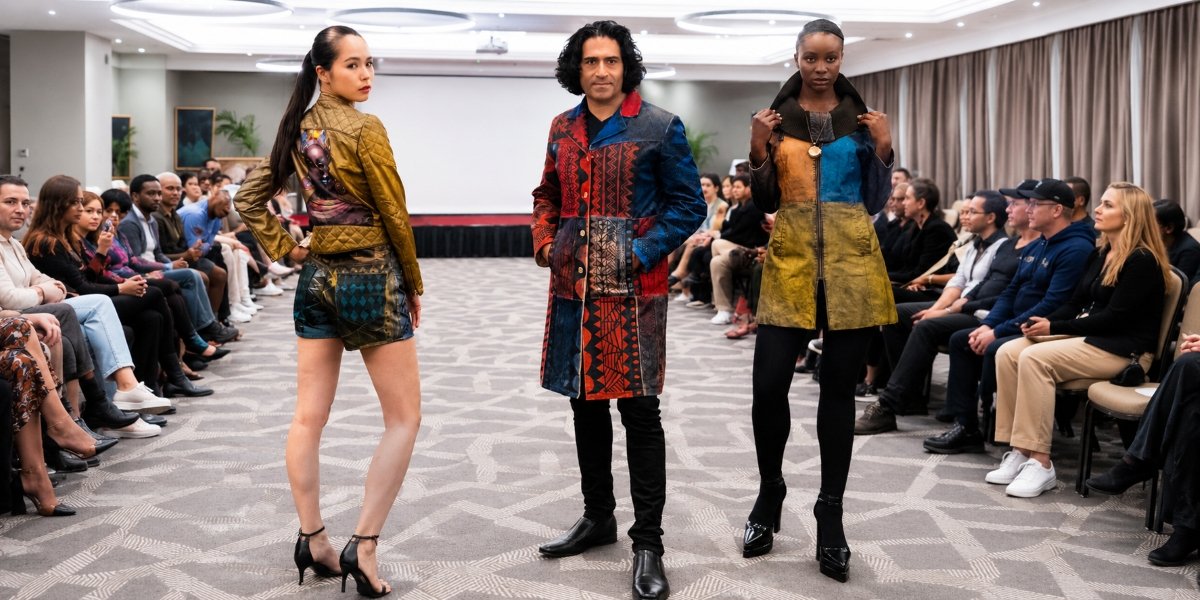
International fashion producer Serge Tagro says the modern runway is no longer just a place to present clothing. Through RunwayDiamonds, he has seen how fashion, film, music, media, and live entertainment have become part of the same creative ecosystem, transforming the way brands connect with audiences.

By Lara Silver

For much of the twentieth century, fashion and entertainment developed along parallel paths.

Fashion focused on collections, craftsmanship, and luxury houses.

Entertainment centered on film, television, music, and live performance.

Today, those worlds are deeply connected.

A fashion show is produced with the precision of a theatrical performance. A film premiere becomes an international fashion event. Luxury brands launch campaigns through cinematic storytelling rather than traditional advertising. Celebrities introduce designers to global audiences within minutes.

For Serge Tagro, founder of RunwayDiamonds and an international fashion producer, this transformation has fundamentally changed what it means to produce a successful fashion event.

“People no longer attend a runway only to see clothing,” Serge Tagro says. “They want an experience they will remember, talk about, and share. Fashion has become entertainment, and entertainment has become part of fashion.”

Why Hollywood Changed the Fashion Industry

Living and working in Los Angeles offers a perspective that is difficult to find elsewhere.

Hollywood brings together filmmakers, costume designers, actors, photographers, musicians, producers, creative directors, and luxury brands within one city.

As a result, the local fashion industry naturally evolved alongside the entertainment industry rather than separately from it.

According to Serge Tagro, this environment influenced the vision behind RunwayDiamonds from the very beginning.

Instead of producing runway shows that end when the final model leaves the stage, he wanted every production to feel like a complete creative experience.

“When people leave an event,” Serge Tagro explains, “I want them to remember more than the clothes. I want them to remember the atmosphere, the conversations, the people they met, and the emotions they experienced.”

That philosophy reflects the growing role of Hollywood fashion, where storytelling has become just as important as design itself.

Why Fashion Shows Have Become Live Productions

The expectations placed on a modern fashion producer have changed dramatically.

Years ago, producing a successful runway focused on logistics.

Today, audiences expect something far more immersive.

Lighting must create emotion. Music must support the story. Photography must capture editorial-quality images. Video production must generate digital content. Media coverage must extend the life of the event beyond a single evening.

For Serge Tagro, these elements are no longer optional.

They are essential parts of professional fashion production.

“When we produce an event through RunwayDiamonds,” Serge Tagro says, “we’re thinking about every audience. The guests in the room. The people reading about it next week. And the audiences who will discover it online months later.”

Fashion Storytelling Creates Stronger Brands

Consumers rarely connect emotionally with products alone.

They connect with stories.

That reality has changed the way successful fashion brands communicate.

Instead of presenting only garments, they share the inspiration behind a collection, introduce the designers, document the creative process, and reveal the people responsible for bringing ideas to life.

Serge Tagro believes this shift has created a new responsibility for every fashion producer.

“A producer isn’t only organizing an event anymore,” he explains. “We’re helping brands tell stories people want to remember.”

This approach has become central to RunwayDiamonds, where runway productions are designed to generate editorial content, professional photography, interviews, and long-term media value, not simply one evening of entertainment.

Celebrity Culture Is Changing Fashion

Celebrity influence has always played an important role in luxury fashion.

What has changed is the speed.

A designer dressed by a well-known actor can reach millions of people within hours. An editorial photograph can appear across international publications. A single interview can introduce a fashion entrepreneur to entirely new audiences.

For Serge Tagro, celebrity visibility has value only when it supports authentic creative work.

“A celebrity may open the door,” he says. “But quality is what keeps that door open.”

That perspective has shaped the way RunwayDiamonds approaches collaborations, focusing on meaningful partnerships rather than short-lived publicity.

Why Entertainment Skills Matter for Fashion Producers

The profession of fashion producer continues evolving.

Managing schedules and logistics remains important.

But today’s producers must also understand storytelling, audience engagement, media strategy, visual communication, sponsorship integration, and digital distribution.

Serge Tagro believes the next generation of producers will need to think like creative directors as much as event organizers.

“The best productions make people feel something,” Serge Tagro says. “Emotion is what transforms an event into a memory.”

That philosophy continues guiding the development of RunwayDiamonds as the platform expands internationally through new creative partnerships and fashion productions.

Publicly announced plans include strengthening collaborations between Los Angeles, London, and Milan, bringing together designers, photographers, media professionals, and luxury brands.

The Future of Fashion and Entertainment

The connection between fashion and the entertainment industry will only continue growing.

Artificial intelligence is changing media. Streaming platforms are changing storytelling. Luxury brands are investing in cinematic campaigns. Consumers increasingly expect memorable experiences instead of traditional marketing.

For Serge Tagro, this evolution represents an extraordinary opportunity.

Through RunwayDiamonds, Serge Tagro continues building a platform where fashion, entertainment, media, and business support one another rather than compete for attention.

Because the future of the fashion industry will not belong only to those who create beautiful collections.

It will belong to those who know how to create unforgettable experiences.
Why J.D. Barker’s 4MK TV Adaptation Could Be the Next Big Psychological Thriller

Television has no shortage of crime dramas, but few psychological thrillers arrive with the kind of built-in intrigue that surrounds J.D. Barker’s 4MK series.

With a chilling serial killer at its center, an obsession-driven detective, and a narrative built on escalating revelations, the bestselling trilogy has long felt destined for the screen.

That adaptation is now officially underway.

Balboa Productions, founded by Sylvester Stallone, is developing a television series based on J.D. Barker’s 4MK series. Channing Powell, best known as the showrunner of Tales of the Walking Dead, will write, serve as showrunner, and executive produce the project.

The announcement, first reported by Deadline on May 19, marks a significant step in bringing one of contemporary crime fiction’s most unsettling stories to a wider audience.

For long-time readers, the news is less of a surprise than a long-awaited confirmation. Barker’s novels have always been driven by cinematic pacing, psychologically layered characters, and cliffhangers that reward binge reading.

Those same qualities have become defining features of today’s most successful prestige television dramas.

Why 4MK Was Built for This

Some books get optioned because they’re popular. Others get optioned because they were built for the format. J.D. Barker’s 4MK trilogy, The Fourth Monkey, The Fifth to Die, and The Sixth Wicked Child, belongs to the second category.

The books follow Chicago detective Sam Porter as he hunts a killer staging murders around the proverb “See no evil, hear no evil, speak no evil.”

Barker isn’t interested in shock for its own sake; he’s interested in what made the man capable of it and what it costs the people chasing him to find out.

That’s Anson Bishop. He is not a monster for spectacle’s sake but a product of conditioning, built over years, which is exactly what makes him hard to look away from.

He forces uncomfortable questions about justice and what childhood does to a person, long before adulthood gets a say.

Stallone has called the novels “tailor-made for premium television.” Powell has pointed to the tension and the emotional weight underneath it. Their attachment to the project suggests what the material offers beyond the usual crime-drama beats.

The Adaptation Is Only Half the Story

Barker isn’t just letting Hollywood adapt 4MK. He’s adding a whole new chapter to it.

The TV series will pull from the original trilogy and a brand-new prequel trilogy. The first book in that prequel series, The First Scarlet Door, comes out September 22.

It takes us back to 1999, in Charleston. Anson Bishop is fifteen, long before anyone knows him as the Four Monkey Killer. His parents raised him to believe murder was how you survive.

Then his house burns down, his mother disappears, and he thinks his old life is finally behind him.

It isn’t.

Someone is targeting Charleston’s forgotten kids, runaways, addicts, the kids nobody bothers to report missing. When people Bishop actually cares about start vanishing too, he’s forced through a literal scarlet door to face a killer more dangerous than anything he’s dealt with before.

This isn’t just a treat for long-time fans. It’s the origin story of how a boy turns into the man the world will come to fear. And it’s landing right as a whole new audience is about to meet him for the first time, through the TV show.

The Track Record Behind It

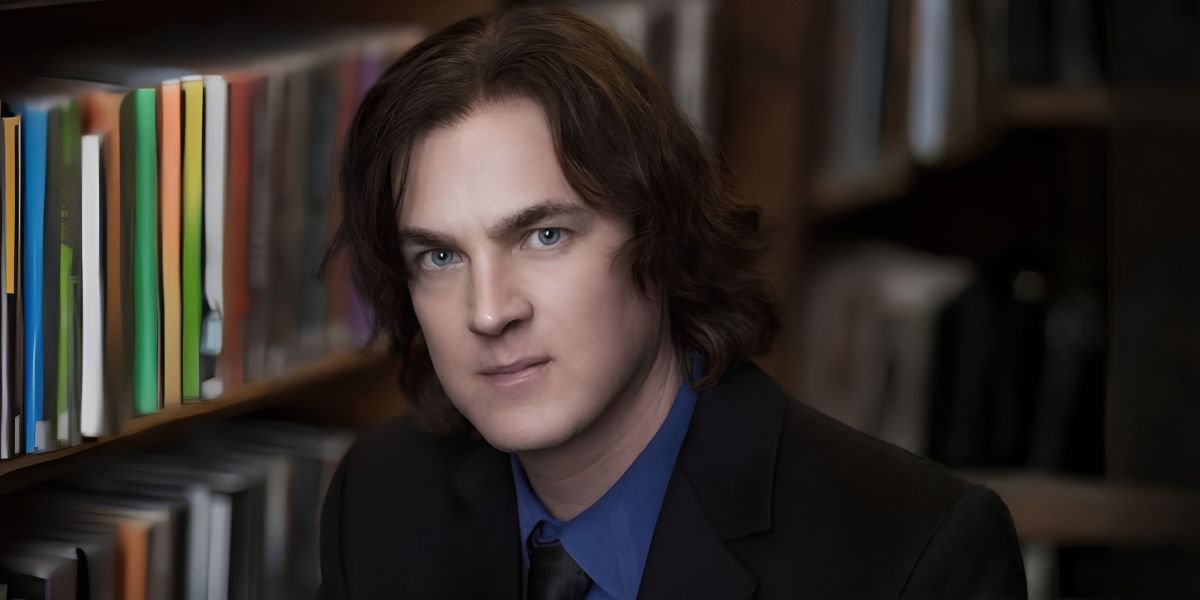
J.D. Barker is a New York Times and international bestseller published in more than 150 countries.

He’s collaborated with James Patterson on numerous novels, including The Writer, which debuted at #2 on the Times list, and co-authored Dracul with Dacre Stoker, a book that landed a Paramount deal with Andy Muschietti attached to direct. Various other titles written by Barker are working their way through Hollywood, heading for the screen.

It’s the kind of track record that makes clear his stories were never going to stay confined to the page.

Now, as the Four Monkey Killer stalks his way onto television for a whole new audience, Barker is pulling his longtime readers deeper into the shadows than ever before.

One story arrives on screen, and another door swings open behind it.

Alfredo Espinosa Olivares Leads Roomies, an Independent Vertical Series Exploring Modern Romance Through International Storytelling

The entertainment industry continues to evolve as audiences increasingly discover stories through new digital platforms and emerging formats. Among the fastest-growing trends is the rise of vertical series, short-form episodic storytelling designed specifically for mobile audiences and distributed through digital platforms. Recognizing the potential of this expanding market, independent production company Cameron Rhoad Productions is developing Roomies, a new romantic comedy series that combines international talent, modern storytelling, and the creative freedom of independent filmmaking.

Led by filmmaker Isaac Naaman Moreno, Cameron Rhoad Productions has developed a reputation for supporting original projects and creating opportunities for emerging voices in the entertainment industry. With Roomies, the company is exploring the possibilities of vertical storytelling while maintaining a strong focus on character-driven narratives and authentic performances.

Alfredo Espinosa Olivares Leads Roomies, an Independent Vertical Series Exploring Modern Romance Through International Storytelling

Photo Courtesy: Cameron Rhoad

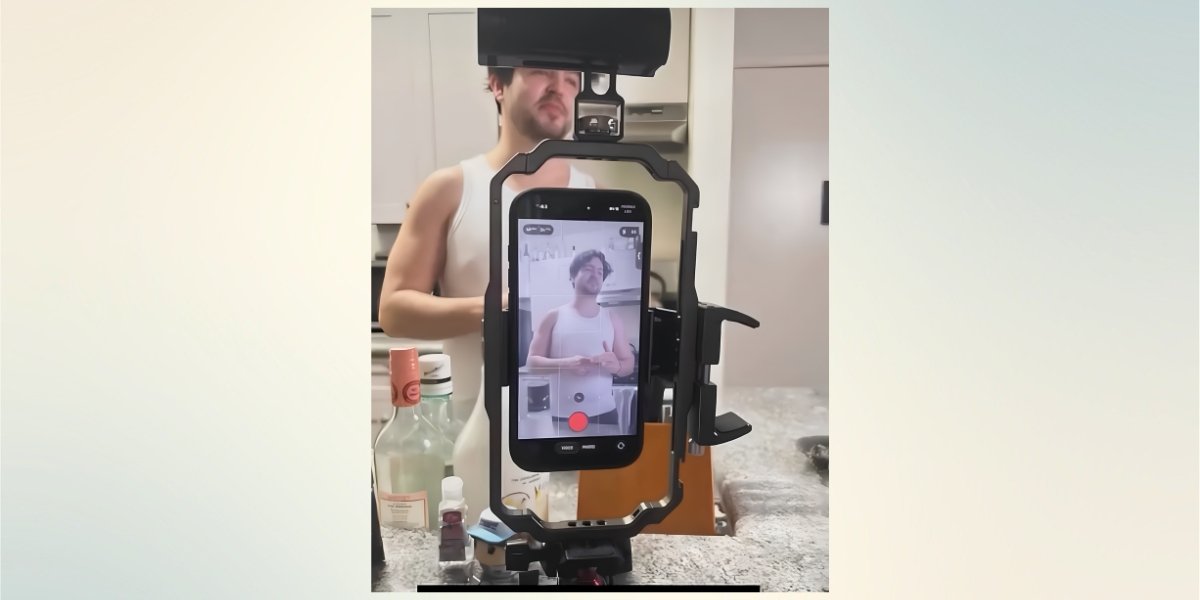
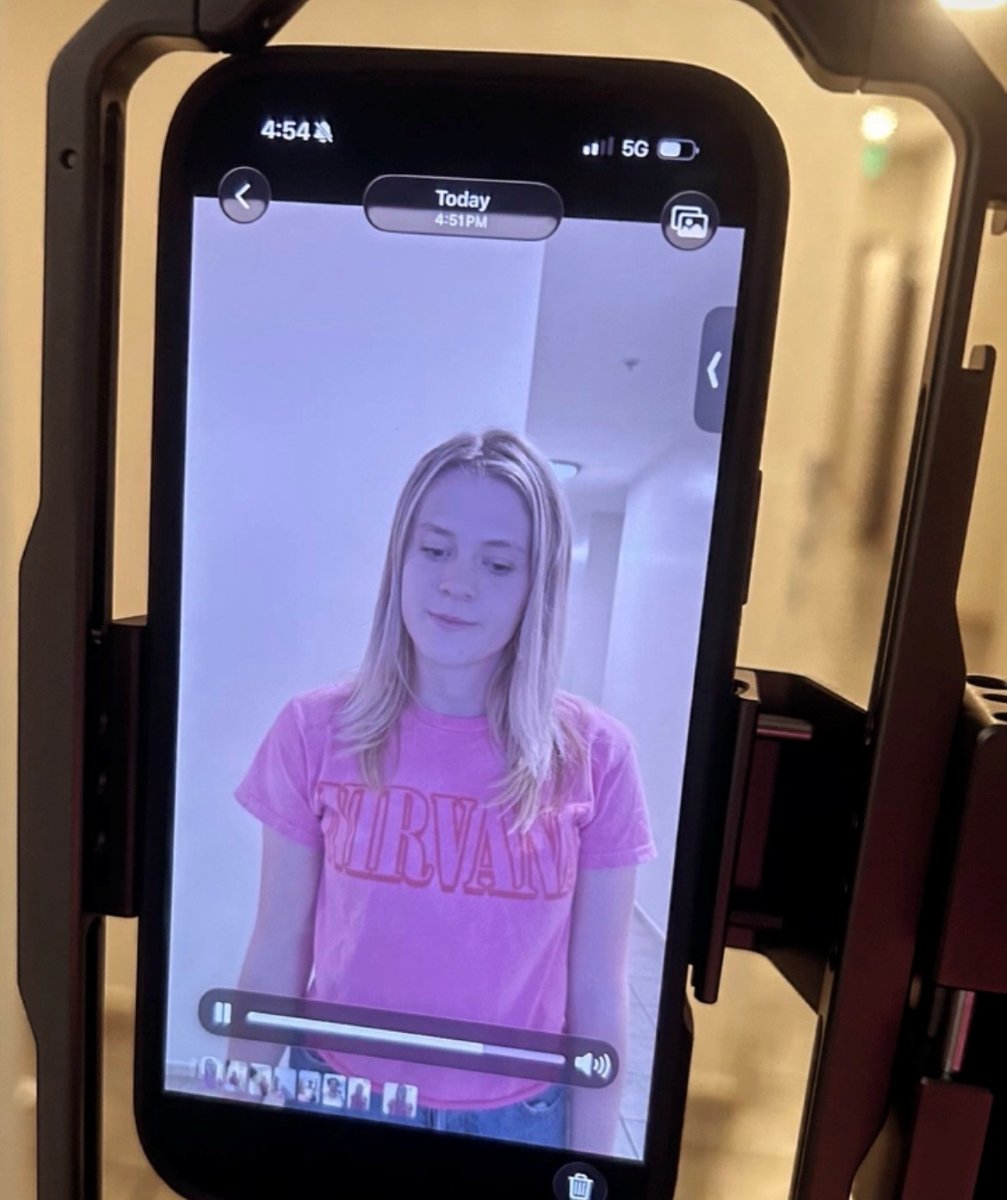
Currently in production, Roomies stars Mexican actor Alfredo Espinosa Olivares and British actress Harriet Bridgwater as the central characters of this contemporary romantic comedy. The series follows a Mexican man in his thirties whose life takes an unexpected turn when he prepares to welcome a new roommate, only to discover that his new living arrangement will be with a woman. Through their evolving relationship and everyday experiences, the series explores themes of connection, cultural differences, and the unexpected ways people influence each other’s lives.

Rather than relying solely on traditional romantic comedy formulas, Roomies aims to explore modern relationships through a format designed for today’s audiences. The vertical series format allows creators to tell stories in a more direct and accessible way, adapting traditional storytelling techniques to the viewing habits of audiences who increasingly consume entertainment through mobile devices and digital platforms.

For Alfredo Espinosa Olivares, the project represents another opportunity to demonstrate his versatility as a performer while contributing to a new generation of independent storytelling. Following his previous work in short films, commercial productions, and theatre, Espinosa Olivares brings his experience in both comedy and emotionally grounded performances to the role of a character facing unexpected changes in his personal life.

Alfredo Espinosa Olivares Leads Roomies, an Independent Vertical Series Exploring Modern Romance Through International Storytelling

Photo Courtesy: Cameron Rhoad

One of the project’s unique elements is its international collaboration. By bringing together creative talent from Mexico and England, Roomies represents a cross-cultural production that reflects the increasingly global nature of modern entertainment. Through the partnership between Espinosa Olivares and Bridgwater, the series seeks to explore relationships and experiences that resonate beyond geographical boundaries while maintaining the authenticity of its characters.

As an independent production, Roomies also represents a commitment to developing original content outside of traditional studio systems. The project highlights how independent creators can use emerging formats to reach audiences in innovative ways while creating opportunities for actors and filmmakers from different backgrounds.

With production and filming currently underway, Roomies is positioned as an ambitious exploration of the possibilities within vertical storytelling. The series combines a contemporary premise, international collaboration, and a creative team committed to developing new forms of entertainment.

For Espinosa Olivares, this project continues a career trajectory defined by adaptability and a willingness to participate in diverse forms of storytelling. From independent short films and commercial campaigns to theatre productions and emerging digital formats, his work reflects an actor committed to evolving alongside the entertainment industry.

As Roomies moves forward, audiences can expect a fresh romantic comedy experience that embraces modern relationships.