
By: Lara Silver
International fashion producer Serge Tagro says the modern runway is no longer just a place to present clothing. Through RunwayDiamonds, he has seen how fashion, film, music, media, and live entertainment have become part of the same creative ecosystem, transforming the way brands connect with audiences.
For much of the twentieth century, fashion and entertainment developed along parallel paths.
Fashion focused on collections, craftsmanship, and luxury houses.
Entertainment centered on film, television, music, and live performance.
Today, those worlds are deeply connected.
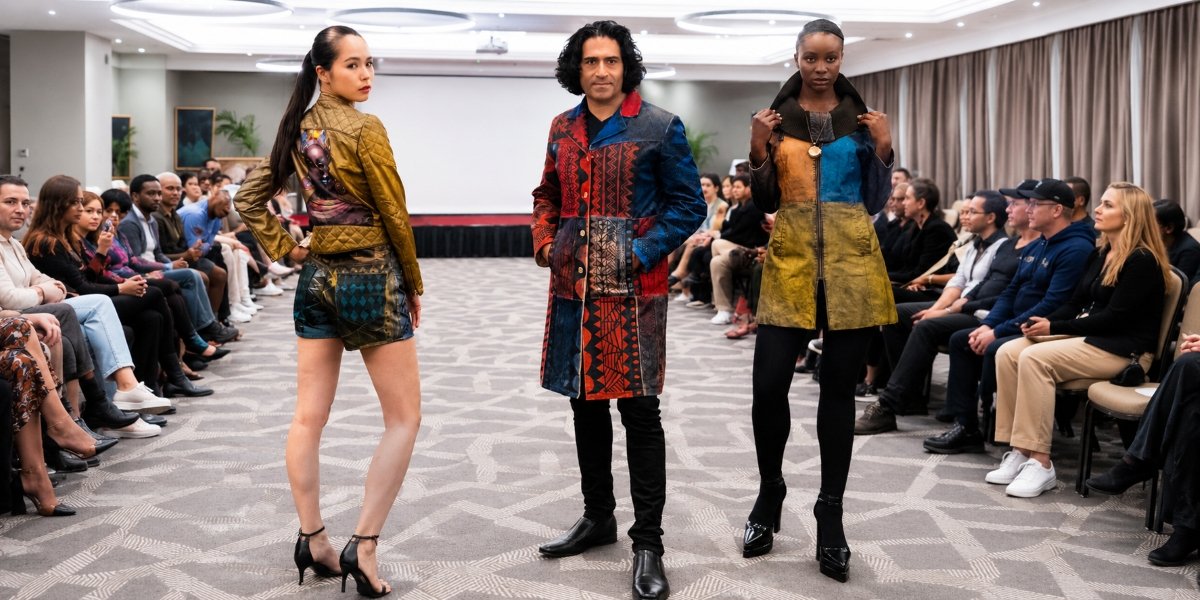
A fashion show is produced with the precision of a theatrical performance. A film premiere becomes an international fashion event. Luxury brands launch campaigns through cinematic storytelling rather than traditional advertising. Celebrities introduce designers to global audiences within minutes.
For Serge Tagro, founder of RunwayDiamonds and an international fashion producer, this transformation has fundamentally changed what it means to produce a successful fashion event.
“People no longer attend a runway only to see clothing,” Serge Tagro says. “They want an experience they will remember, talk about, and share. Fashion has become entertainment, and entertainment has become part of fashion.”
Why Hollywood Changed the Fashion Industry
Living and working in Los Angeles offers a perspective that is difficult to find elsewhere.
Hollywood brings together filmmakers, costume designers, actors, photographers, musicians, producers, creative directors, and luxury brands within one city.
As a result, the local fashion industry naturally evolved alongside the entertainment industry rather than separately from it.
According to Serge Tagro, this environment influenced the vision behind RunwayDiamonds from the very beginning.
Instead of producing runway shows that end when the final model leaves the stage, he wanted every production to feel like a complete creative experience.
“When people leave an event,” Serge Tagro explains, “I want them to remember more than the clothes. I want them to remember the atmosphere, the conversations, the people they met, and the emotions they experienced.”
That philosophy reflects the growing role of Hollywood fashion, where storytelling has become just as important as design itself.
Why Fashion Shows Have Become Live Productions
The expectations placed on a modern fashion producer have changed dramatically.
Years ago, producing a successful runway focused on logistics.
Today, audiences expect something far more immersive.
Lighting must create emotion. Music must support the story. Photography must capture editorial-quality images. Video production must generate digital content. Media coverage must extend the life of the event beyond a single evening.
For Serge Tagro, these elements are no longer optional.
They are essential parts of professional fashion production.
“When we produce an event through RunwayDiamonds,” Serge Tagro says, “we’re thinking about every audience. The guests in the room. The people reading about it next week. And the audiences who will discover it online months later.”
Fashion Storytelling Creates Stronger Brands
Consumers rarely connect emotionally with products alone.
They connect with stories.
That reality has changed the way successful fashion brands communicate.
Instead of presenting only garments, they share the inspiration behind a collection, introduce the designers, document the creative process, and reveal the people responsible for bringing ideas to life.
Serge Tagro believes this shift has created a new responsibility for every fashion producer.
“A producer isn’t only organizing an event anymore,” he explains. “We’re helping brands tell stories people want to remember.”
This approach has become central to RunwayDiamonds, where runway productions are designed to generate editorial content, professional photography, interviews, and long-term media value, not simply one evening of entertainment.
Celebrity Culture Is Changing Fashion
Celebrity influence has always played an important role in luxury fashion.
What has changed is the speed.
A designer dressed by a well-known actor can reach millions of people within hours. An editorial photograph can appear across international publications. A single interview can introduce a fashion entrepreneur to entirely new audiences.
For Serge Tagro, celebrity visibility has value only when it supports authentic creative work.
“A celebrity may open the door,” he says. “But quality is what keeps that door open.”
That perspective has shaped the way RunwayDiamonds approaches collaborations, focusing on meaningful partnerships rather than short-lived publicity.
Why Entertainment Skills Matter for Fashion Producers
The profession of fashion producer continues evolving.
Managing schedules and logistics remains important.
But today’s producers must also understand storytelling, audience engagement, media strategy, visual communication, sponsorship integration, and digital distribution.
Serge Tagro believes the next generation of producers will need to think like creative directors as much as event organizers.
“The best productions make people feel something,” Serge Tagro says. “Emotion is what transforms an event into a memory.”
That philosophy continues guiding the development of RunwayDiamonds as the platform expands internationally through new creative partnerships and fashion productions.
Publicly announced plans include strengthening collaborations between Los Angeles, London, and Milan, bringing together designers, photographers, media professionals, and luxury brands.
The Future of Fashion and Entertainment
The connection between fashion and the entertainment industry will only continue growing.
Artificial intelligence is changing media. Streaming platforms are changing storytelling. Luxury brands are investing in cinematic campaigns. Consumers increasingly expect memorable experiences instead of traditional marketing.
For Serge Tagro, this evolution represents an extraordinary opportunity.
Through RunwayDiamonds, Serge Tagro continues building a platform where fashion, entertainment, media, and business support one another rather than compete for attention.
Because the future of the fashion industry will not belong only to those who create beautiful collections.
It will belong to those who know how to create unforgettable experiences.