Entertainment Post

Before Relationship Podcasts Took Over the Internet, Dante Nero and Patrice O’Neal Were Already Having the Conversation

By: Tyrese Lennox

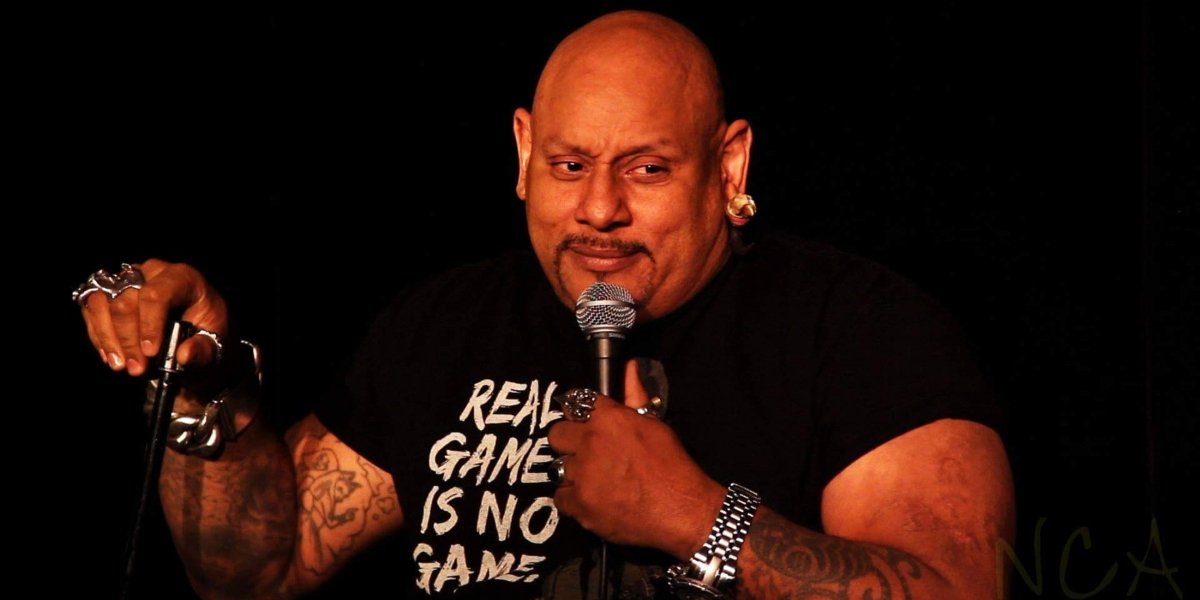
Nearly two decades before dating debates and masculinity podcasts became an online industry, Dante Nero and Patrice O’Neal were behind the microphones of The Black Phillip Show asking many of the same questions.

Long before relationships became content, Dante Nero remembers the idea being much simpler.

Men were already talking privately about women, attraction, commitment, sex, jealousy, confidence and everything that could go wrong between two people. Nero and his close friend, comedian Patrice O’Neal, simply wondered what would happen if they had those conversations publicly.

“We wanted to have a show where we talked about things that men talked about amongst themselves,” Nero recalls.

The result was The Black Phillip Show, the Sirius XM program O’Neal hosted from 2006 to 2008 with Nero as co-host. The show tackled relationships with a mixture of comedy, confrontation and an almost obsessive interest in why men and women behave the way they do. Historical accounts of the program identify Nero alongside O’Neal throughout its run.

At the time, there was no TikTok relationship economy. There were no endless short-form clips debating “high-value men,” dating standards, masculine and feminine roles, or relationship “red flags.”

Black Phillip existed before all of that became a genre.

Yet listening back today, many of the subjects sound remarkably familiar.

What makes a man attractive? How much should someone compromise in a relationship? What happens when a man loses his sense of identity trying to make a partner happy? Why do people say they want one thing and repeatedly choose another?

O’Neal attacked those questions with the uncompromising comedic voice for which he would become known. Nero brought a very different but complementary life experience.

By then, Dante had spent years working as a male exotic dancer, an unusual vantage point from which to observe women, attraction and social behavior. He had also studied psychology, worked with young people, trained in martial arts, and spent years navigating New York nightlife before establishing himself in stand-up comedy.

For Nero, relationship theory was never purely theoretical.

He had watched people up close.

That became part of what made the chemistry between him and O’Neal work.

A Friendship Before a Philosophy

Today, it would be easy to reduce Black Phillip to a collection of provocative opinions about men and women.

For Nero, that misses something more important.

Patrice was his friend.

Nero offers no complicated description of the relationship. He simply identifies Patrice O’Neal as his “best friend.”

That friendship mattered because the show wasn’t created as an attempt to manufacture controversy or capitalize on a trending topic. The conversations grew out of arguments and ideas the two men were already exchanging.

Black Phillip developed a devoted following, but its original run was relatively brief. O’Neal died in 2011 at 41.

The recordings, however, kept moving.

They were uploaded, shared, rediscovered and discussed by a generation of listeners who had never heard the show live.

And as relationship commentary exploded across YouTube, podcasts and social media, Nero watched conversations that once seemed underground become mainstream.

Some observers have since connected Black Phillip with ideas that would later appear throughout the online “red pill” community. Nero acknowledges that influence, but his present-day philosophy does not fit neatly inside the harsher versions of that movement.

His focus has increasingly shifted toward something broader: helping men become stronger without becoming incapable of empathy.

Carrying the Conversation Forward

After Patrice’s death, Nero eventually continued the concept through The Beige Phillip Show.

That show evolved into Man School 202, which Nero now hosts with comedian Harry Terjanian.

The connection is intentional. Apple Podcasts describes Man School 202 as carrying the torch from O’Neal’s Black Phillip Show, while Dante’s official website presents the program as the modern continuation of those earlier conversations.

But continuation doesn’t mean imitation.

Nero is older now. So is the philosophy.

In a recent Man School episode, Nero reflected on the fact that even some of O’Neal’s ideas should not simply be copied without examination. That willingness to revisit and challenge the material is important. The goal is not to preserve every Black Phillip opinion as doctrine, but to continue the process of asking difficult questions about relationships.

Nero’s current framework centers on what he calls ACE: Authenticity, Credibility and Empathy.

The first two words may sound familiar in conversations about masculinity.

The third changes the equation.

Nero believes strength and empathy can coexist. He argues that character, not money, status or performance, is ultimately what gives a man value.

“Character is the most important thing about your value,” he says.

That philosophy sits at the heart of Man School 202 today.

The show still talks about sex. It still talks about attraction. It still gets blunt. It is still funny.

But underneath it is a larger question:

How does a man actually become better?
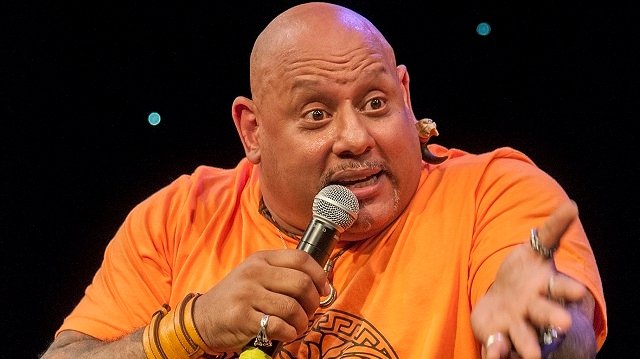
Photo Courtesy: Michael Heller / Dante Nero Media

Nearly 20 Years Later

There is a strange irony to Dante Nero’s career.

He and Patrice O’Neal helped have a conversation that was too unconventional for mainstream culture in 2006.

In 2026, culture can’t seem to stop having it.

The platforms are different. The terminology has changed. The debates are louder and the algorithms reward outrage in ways satellite radio never could.

But the fundamental questions remain almost identical.

For Nero, that is why the work continues.

Man School 202 isn’t an attempt to recreate Patrice O’Neal. Nor is Nero trying to spend the rest of his career living inside somebody else’s legacy.

The connection to Black Phillip is part of his history.

What he is building now is the next chapter of it.

Nearly two decades after Dante Nero and Patrice O’Neal sat behind microphones talking about the things men discussed when nobody else was listening, the rest of the world has finally joined the conversation.

Dante never really left it.

Where to Find Dante Nero’s Current Work

Follow Dante’s current work through DanteNero.com and Instagram @TheDanteNero.

Watch Man School 202 on YouTube, listen on Spotify, and join the extended community through Patreon.

Soul Train Awards Return to BET and CBS in 2026

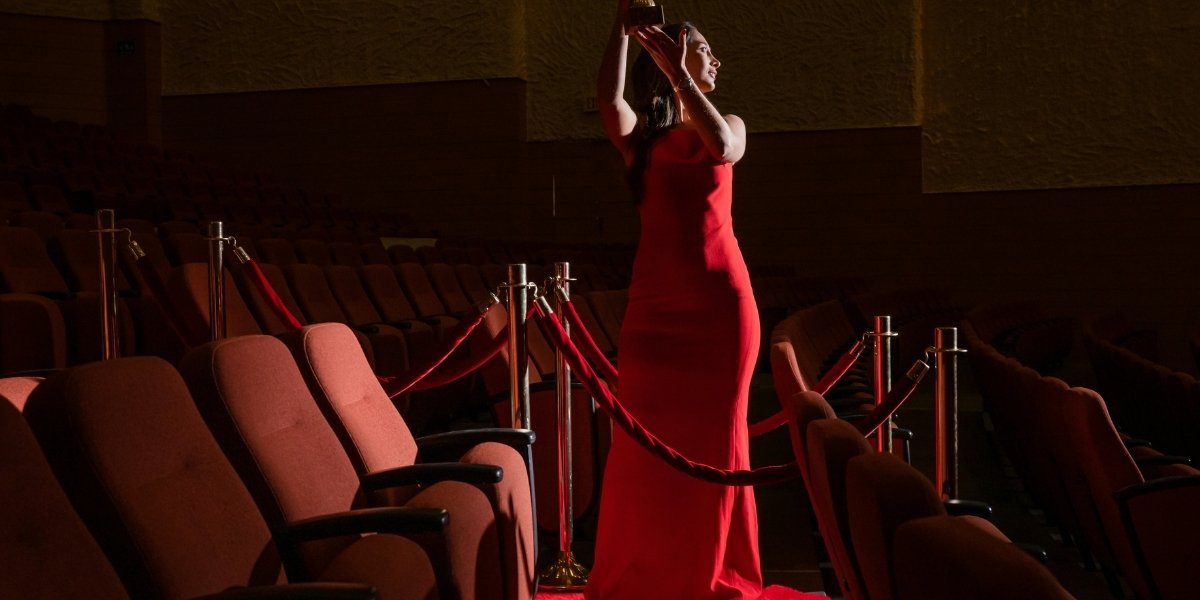
The Soul Train Awards will return to television in 2026 after a three-year hiatus, with BET airing the ceremony and CBS simulcasting it for the first time. The awards show will be taped in Chicago on November 26, with the host, performers and honorees to be announced later.

Key Takeaways

  • The Soul Train Awards will return in 2026 after a three-year hiatus.
  • BET will air the ceremony, while CBS will simulcast it for the first time.
  • The ceremony will be taped in Chicago on November 26.
  • BET says the 2026 awards will feature a reimagined format.
  • Host, performers and honorees will be announced at a later date.

Soul Train Awards 2026 Return After Three-Year Hiatus

The Soul Train Awards 2026 ceremony will return to television on November 26, with BET airing the event and CBS joining as a simulcast partner for the first time. The ceremony will be taped in Chicago, where the Soul Train television series began more than five decades ago.

The awards show last aired in 2023, when Keke Palmer served as host and SZA received the most awards of the night. The return follows a three-year break from the televised ceremony.

BET said the 2026 event will feature a reimagined format. The ceremony will recognize artists who helped shape R&B and soul while also featuring contemporary performers connected to those genres.

The 2026 edition will be presented with Spotify as its exclusive music-streaming partner and Toyota as its exclusive automotive partner. The partnerships are part of the event’s confirmed production and broadcast arrangements.

An earlier awards event, the People’s Hip Hop Awards experience, also recognized artists and contributors within Black music culture, providing a separate example of an awards ceremony centered on the genre’s artists and legacy.

The return places the Soul Train Awards back on the television calendar while introducing a new format and an expanded broadcast arrangement through CBS.

BET and CBS Set Television Broadcast Plans

BET will air the 2026 ceremony, while CBS will simulcast it for the first time. The arrangement gives the awards show a broadcast presence across both networks on the night of the ceremony.

The CBS simulcast is one of the principal changes attached to the 2026 return. BET remains responsible for the ceremony’s presentation, while CBS will make the same event available through its network broadcast.

The November 26 air date also establishes the television schedule for the ceremony. The event will be taped in Chicago before its broadcast.

The network plans are separate from the show’s eventual host and performance lineup. BET has said those details will be announced at a later date.

The awards’ television return follows a period in which the ceremony was not held. In 2025, former BET CEO Scott Mills told Billboard that both the Soul Train Awards and BET Hip-Hop Awards had been suspended.

The two-network broadcast arrangement gives viewers a confirmed way to follow the 2026 ceremony once it airs. The event’s performances, honorees and host remain pending further announcements.

Recent music television events have also placed live performances and artist appearances at the center of their broadcasts. The 2026 summer concert series lineup provides another example of music performances being presented through network television.

Chicago Selected as the Ceremony Location

The 2026 Soul Train Awards will be taped in Chicago, the city where the Soul Train television series originated. The ceremony is scheduled for November 26.

The Chicago location connects the upcoming awards show with the origins of the franchise. Soul Train began in Chicago more than 50 years ago before expanding to a national television audience.

The 2026 ceremony will return to that city for its taping while BET and CBS handle its television distribution. The location is part of the event’s confirmed schedule.

The ceremony’s Chicago setting also distinguishes the physical taping from its television broadcast. Viewers will receive the event through BET and CBS, while the awards will be recorded in Chicago.

The 2026 return follows the last televised ceremony in 2023. Keke Palmer hosted that edition, while SZA received the most awards.

Chicago has also been used as a setting for major entertainment events connected to music and television. The city’s role in the Soul Train franchise, however, directly connects it to the 2026 awards ceremony.

The event will use the Chicago taping as the setting for its return after the three-year hiatus. Further details about the night’s performances and honorees have not yet been announced.

2026 Event Builds on the Soul Train Legacy

The Soul Train Awards are tied to the Soul Train television franchise and its association with R&B, soul and Black music. The original series established a television platform for musical performers and became closely identified with the genres represented by the awards.

The 2026 ceremony will continue that connection while introducing a format that BET describes as reimagined. The network said the event will honor artists who shaped the genre while presenting a new approach to the ceremony.

BET executive Connie Orlando said the 2026 show will use a new format while maintaining its focus on artists associated with R&B and soul. The format is intended to connect artists who influenced the genres with performers active today.

The awards’ previous televised edition took place in 2023. Keke Palmer hosted that ceremony, and SZA received the most awards.

The upcoming ceremony will therefore combine established elements of the Soul Train Awards with changes announced for the 2026 edition. The new format is one of the specific changes BET has identified ahead of the return.

The awards’ connection to contemporary music recognition can also be seen in coverage of Teyana Taylor’s awards recognition, which focused on the artist’s recognition across entertainment categories.

For the 2026 ceremony, BET has confirmed the return, Chicago taping, November 26 date and CBS simulcast. The network has also identified Spotify and Toyota as exclusive partners for the event.

Host and Performance Details Remain Unannounced

The 2026 Soul Train Awards will have a host, performers and honorees, but BET has not yet announced those names. The network said the details will be released at a later date.

The absence of an announced lineup means the ceremony’s individual performances and honors have not yet been established publicly. The confirmed elements currently include the broadcast networks, date, location and reimagined format.

Jesse Collins Entertainment will produce the ceremony. Jesse Collins, Dionne Harmon and Jeannae Rouzan-Clay will serve as executive producers, while Connie Orlando will serve as BET’s executive producer for the 2026 Soul Train Awards.

The production team will oversee the ceremony scheduled to be taped in Chicago. BET and CBS will carry the resulting broadcast on November 26.

Spotify will serve as the exclusive music-streaming partner, and Toyota will serve as the exclusive automotive partner. Those partnerships have been announced as part of the 2026 event.

The return follows the 2023 ceremony, which was hosted by Keke Palmer and led in awards won by SZA. The 2026 edition will introduce a new format while retaining the Soul Train Awards’ focus on R&B and soul music.

Frequently Asked Questions

When are the Soul Train Awards 2026?

The Soul Train Awards 2026 ceremony is scheduled to air on November 26. The ceremony will be taped in Chicago.

Where will the Soul Train Awards 2026 be held?

The 2026 ceremony will be taped in Chicago. The city is where the original Soul Train television series began.

Will the Soul Train Awards air on CBS?

Yes. CBS will simulcast the 2026 Soul Train Awards for the first time, alongside BET’s broadcast.

Is BET still airing the Soul Train Awards?

Yes. BET will air the 2026 ceremony, with CBS joining the broadcast as a simulcast partner.

Who will host the Soul Train Awards 2026?

The host for the 2026 Soul Train Awards has not yet been announced. BET has also not announced the performers or honorees.

The Hamptons Are Easy to Complain About, but This Author Offers a Wider Perspective

By: Vivian Hale

There is a strange ritual that plays out in the Hamptons. The place is glorious, and a certain kind of visitor spends the whole time complaining about it anyway. Bill Goldstein would like a word. In his book, “Not That You Asked: Stories. Observations. Pet Peeves.,” the essayist devotes a chapter to explaining and defending the most talked-about stretch of coastline in America, and his message to the complainers is simple: you need a wider lens.

Every summer the Hamptons throw the same party, and every summer the same guests show up. The prices are eye-watering, the traffic is legendary, and the boldface names are always in residence: Jerry Seinfeld, Billy Joel, Ina Garten, Martha Stewart, Beyoncé and Jay-Z, all of them sharing fifty miles of beach with everyone else. And yet, curiously, some who come every year spend a good deal of it whining about the place, though there is nowhere else they would rather be from Memorial Day to Labor Day.

Goldstein has been coming out east since the mid-1970s, so he knows the gripes cold, and he sorts them out for us one by one. What he objects to is not the place but the pose, what he memorably calls “complaint chic, a dance of disdain, a way to signal insider status.”

The cost? “Crazy high. Absolutely. No argument,” he confirms, while reminding us that the season is short and provisioning requires a hundred-mile trip for suppliers. His advice? Rather than “walking around miserable all day, grumbling about what everything costs,” he recommends a lighter attitude. For example, when he buys a wildly overpriced ice cream cone (ten bucks, maybe more), he is apt to hand the cashier a twenty and say, “I hope this covers it.” He has made his point with humor; they share a laugh, and he walks off with his cone “feeling a wee bit better.”

The crowds? Overrated as a problem, he explains. With so many pools and miles of oceanfront, the beaches are not crowded. “Go to East Hampton’s Main Beach on a sunny day in July or August,” he writes. “Walk fifty yards in either direction, and you’ll find yourself nearly alone.”

The entitled crowd? Goldstein’s cure is to surprise them with unexpected kindness and enjoy their reaction. So, for example, when he spots a harried weekender coveting the same parking spot he has an angle on, he sometimes waves them into it, then drives off to a spot only the locals know about. He calls it “my version of a cheap thrill,” a random act of generosity deployed, he cheerfully admits, “not because I’m such a nice guy, but more for my own semi-perverse amusement at seeing their outsized positive reaction.”

Only traffic defeats him. The infamous Route 27, the single artery feeding the last thirty miles out to Montauk, is jammed eastbound from 5 a.m. to 10 a.m. and westbound from 3 p.m. to 7 p.m., and is especially rough on the “trade parade” of workers who keep the place running. On that one, Goldstein throws up his hands. It could have been fixed thirty years ago, he argues, when it was still affordable to buy the land, add lanes, and lay a second railroad track. “But it’s too late now,” he writes. “Traffic. The number one Hamptons problem, for which I have no insider remedy.”

What comes through is not a real estate take but a way of seeing. Goldstein looks at the same fifty luminous miles everyone else does, “with not a bad vista in sight,” he writes, “a painter’s paradise, everyone’s paradise,” and decides to enjoy them instead of complaining. That instinct runs through the whole book. Across ninety short essays, he plays the genial contrarian, the guest at the table who says the thing everyone else is too polite to, whether the subject is the perfect cocktail hour, a day of fishing, or the summer he chased the America’s Cup.

So the next time the annual chorus of complaint tunes up along Route 27, Goldstein offers a quietly radical suggestion: stop performing your disdain and go find the empty stretch of beach fifty yards down. It is out there. It always has been. You can read his case for it, and for eighty-nine other things worth a second look, in “Not That You Asked,” now on Amazon in hardcover, paperback, and Kindle, or at billgoldstein.com.

Pawnshop Motel Confront the Cycles We Inherit on ‘Hole in the Screen Door’

Some memories stay with you long after childhood ends. For Pawnshop Motel, “Hole in the Screen Door” takes one of those memories and turns it into a song about family, repetition, and the helpless feeling of watching the same patterns play out again and again.

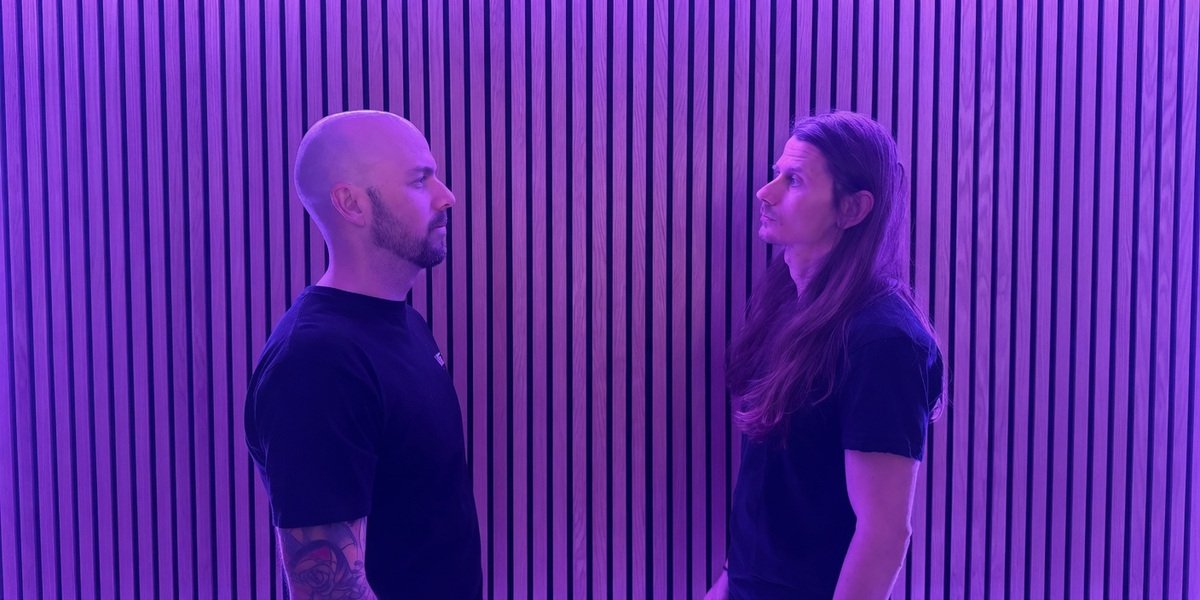
The Denver indie rock duo, made up of Matt and Stew, have built their music around real stories and lived experiences. Since forming in 2021, they have developed a guitar-driven sound influenced by the likes of Cage the Elephant, The Black Keys, Kings of Leon and Spoon, while keeping honest songwriting at the center.

“Hole in the Screen Door” takes that honesty to a particularly personal place.

The song was inspired by an incident from childhood, when an argument between one member’s parents ended with his father shooting a hole through the computer his mother was working on. But rather than focusing entirely on that single moment, the track looks at what came afterward. The same arguments continued, the same tensions resurfaced, and, from a child’s perspective, there was little choice but to watch the cycle repeat.

That feeling of being trapped became the emotional center of the song. Pawnshop Motel isn’t trying to leave listeners feeling equally boxed in. Instead, “Hole in the Screen Door” offers recognition to anyone who grew up watching unhealthy patterns repeat around them, turning an intensely personal memory into something others might see their own experiences within.

The track also shows the collaborative approach behind Pawnshop Motel. Both Matt and Stew are songwriters, alternating who takes the lead on each release before bringing an almost-completed song to the other to finish together.

For “Hole in the Screen Door,” finding the right version took time. The duo worked through five different arrangements, experimenting and reshaping the track before settling on the final result. That willingness to pull a song apart and rebuild it has become part of a productive year for the band, with this marking their seventh release.

The previous single, “The Haunting” explored the difficulty of escaping memories after a relationship ends, but “Hole in the Screen Door” reaches much further back. It’s another reminder of what Pawnshop Motel do particularly well: taking the experiences that are difficult to talk about and finding a place for them inside a song.

https://open.spotify.com/track/4NbnVcrpFR7q43RbI3W4hn?si=2f11ff886c2b4616