
By: Vivian Hale
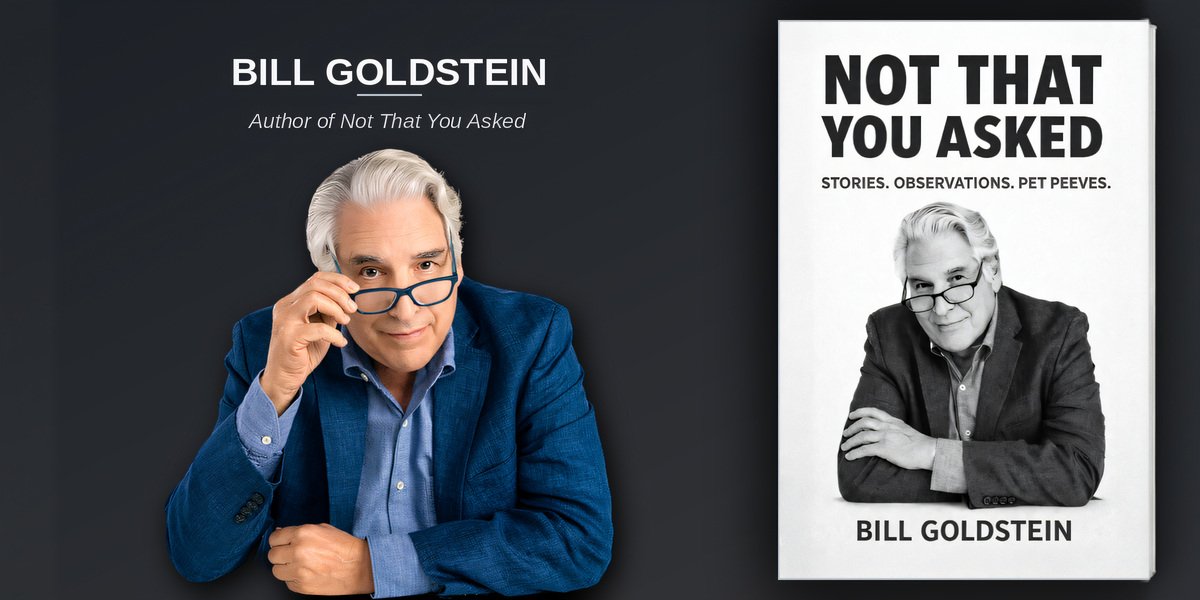
There is a strange ritual that plays out in the Hamptons. The place is glorious, and a certain kind of visitor spends the whole time complaining about it anyway. Bill Goldstein would like a word. In his book, “Not That You Asked: Stories. Observations. Pet Peeves.,” the essayist devotes a chapter to explaining and defending the most talked-about stretch of coastline in America, and his message to the complainers is simple: you need a wider lens.
Every summer the Hamptons throw the same party, and every summer the same guests show up. The prices are eye-watering, the traffic is legendary, and the boldface names are always in residence: Jerry Seinfeld, Billy Joel, Ina Garten, Martha Stewart, Beyoncé and Jay-Z, all of them sharing fifty miles of beach with everyone else. And yet, curiously, some who come every year spend a good deal of it whining about the place, though there is nowhere else they would rather be from Memorial Day to Labor Day.
Goldstein has been coming out east since the mid-1970s, so he knows the gripes cold, and he sorts them out for us one by one. What he objects to is not the place but the pose, what he memorably calls “complaint chic, a dance of disdain, a way to signal insider status.”
The cost? “Crazy high. Absolutely. No argument,” he confirms, while reminding us that the season is short and provisioning requires a hundred-mile trip for suppliers. His advice? Rather than “walking around miserable all day, grumbling about what everything costs,” he recommends a lighter attitude. For example, when he buys a wildly overpriced ice cream cone (ten bucks, maybe more), he is apt to hand the cashier a twenty and say, “I hope this covers it.” He has made his point with humor; they share a laugh, and he walks off with his cone “feeling a wee bit better.”
The crowds? Overrated as a problem, he explains. With so many pools and miles of oceanfront, the beaches are not crowded. “Go to East Hampton’s Main Beach on a sunny day in July or August,” he writes. “Walk fifty yards in either direction, and you’ll find yourself nearly alone.”
The entitled crowd? Goldstein’s cure is to surprise them with unexpected kindness and enjoy their reaction. So, for example, when he spots a harried weekender coveting the same parking spot he has an angle on, he sometimes waves them into it, then drives off to a spot only the locals know about. He calls it “my version of a cheap thrill,” a random act of generosity deployed, he cheerfully admits, “not because I’m such a nice guy, but more for my own semi-perverse amusement at seeing their outsized positive reaction.”
Only traffic defeats him. The infamous Route 27, the single artery feeding the last thirty miles out to Montauk, is jammed eastbound from 5 a.m. to 10 a.m. and westbound from 3 p.m. to 7 p.m., and is especially rough on the “trade parade” of workers who keep the place running. On that one, Goldstein throws up his hands. It could have been fixed thirty years ago, he argues, when it was still affordable to buy the land, add lanes, and lay a second railroad track. “But it’s too late now,” he writes. “Traffic. The number one Hamptons problem, for which I have no insider remedy.”
What comes through is not a real estate take but a way of seeing. Goldstein looks at the same fifty luminous miles everyone else does, “with not a bad vista in sight,” he writes, “a painter’s paradise, everyone’s paradise,” and decides to enjoy them instead of complaining. That instinct runs through the whole book. Across ninety short essays, he plays the genial contrarian, the guest at the table who says the thing everyone else is too polite to, whether the subject is the perfect cocktail hour, a day of fishing, or the summer he chased the America’s Cup.
So the next time the annual chorus of complaint tunes up along Route 27, Goldstein offers a quietly radical suggestion: stop performing your disdain and go find the empty stretch of beach fifty yards down. It is out there. It always has been. You can read his case for it, and for eighty-nine other things worth a second look, in “Not That You Asked,” now on Amazon in hardcover, paperback, and Kindle, or at billgoldstein.com.