AI, Ambition, and a New Spin on the Game Show Business


By: Shawn Mars
Anyone who has vacationed in a tourist town knows the pitch. A friendly representative offers discounted show tickets, a free night’s stay, or a chance to win a trip, and in exchange the family agrees to spend part of its vacation sitting through a sales presentation. Chloe Liggett has worked that side of the table, and she thinks timeshare marketing is overdue for a different format.
The 25-year-old entrepreneur and content creator is the founder of Treasure Deal Entertainment LLC, a Branson, Missouri-based company built around one question. What if the marketing were the entertainment? Her concept pairs interactive family game shows with resort partnerships, so visiting families can compete for prizes while learning about vacation opportunities along the way.
The company is young, and its ambitions are large. Its premise still raises a question worth asking about the vacation ownership industry as a whole. Could live game shows become the next form of experiential marketing for resorts?
Where Did the Idea for Treasure Deal Entertainment Come From?
Chloe Liggett’s concept grew out of her day job. She works in vacation ownership marketing, a role that has included staffing a booth at a Walmart, where she invited shoppers to enter sweepstakes for a chance to win vacations. That work put her in front of tourists and local families every day and gave her a close view of how people react when timeshare marketing interrupts their plans.
Her other influence goes back further. Long before she worked in the industry, Liggett was a kid in front of the television, watching families race through challenges and answer questions on stage.
“I grew up watching shows like Double Dare, Figure It Out, BrainSurge, and Family Game Night, wishing I could be a contestant,” Liggett said. “Now I work in an industry where I invite people to enter sweepstakes and win vacations every day. It made me wonder: Why are we still asking families to stop their vacations to hear about our products when we could make the marketing part of the experience they came here for?”
That question sits at the center of the company. Instead of pulling families away from the attractions they traveled to see, Treasure Deal Entertainment aims to become one of those attractions.
How Could Game Shows Fit Into Timeshare Marketing?
In Chloe Liggett’s model, the game show is the main event rather than a lure. Families would attend a live production to play, cheer, and compete for prizes. Resort partners would be connected to the show itself, so vacation ownership opportunities are introduced within an evening of entertainment instead of during a separate sales appointment.
Treasure Deal Entertainment plans to act as a connector among several groups that rarely work together directly. Liggett hopes to bring together entertainment producers, owners of established intellectual properties, theaters, and resorts. Producers know how to stage a show and recognizable brands draw a crowd, while theaters supply the venue and resorts provide the vacation opportunities that tie the format back to marketing.
The approach reflects a wider shift toward experiential marketing, in which brands try to create memorable events instead of relying on direct pitches. In an industry whose traditional methods often ask guests to trade vacation time for incentives, an entertainment-first format is a notable change in thinking.
Where the Traditional Sales Tour Falls Short
The standard timeshare marketing model has changed little in decades. A marketer offers an incentive, and in return a family commits to a sales presentation, usually advertised as lasting about 90 minutes. Industry figures suggest that model is costly and struggles to win over new customers.
According to the ARDA International Foundation’s 2026 Financial Performance survey, participating U.S. companies ran roughly 1.88 million sales tours in 2025, with a net closing rate of 14.8 percent. Put another way, about 85 of every 100 families who sit through a presentation leave without buying. Sales commissions and other sales and marketing costs together accounted for 42.7 percent of net originated sales, more than three times the 12.4 percent spent on the product itself.
The same survey shows how heavily the industry relies on people who already own. Existing owners generated 70.5 percent of sales volume in 2025. Even after a contract is signed, the business is not settled: rescissions equaled 15.9 percent of gross sales, and 31.7 percent of discounted sales-and-marketing package bookings were canceled.
Reputation is part of the problem. Consumer guides such as Nolo’s timeshare FAQ warn readers that presentations are often high-pressure and can run for hours. When a family walks in already braced to say no, the incentive that brought them there has bought their attendance, not their attention.
That is the gap Liggett wants to close. In the traditional model, entertainment is the reward and the presentation is the price. Her concept aims to remove that trade altogether.
Why Interactive Game Shows Could Work
Research on experiential marketing helps explain why a participatory format may land differently. EventTrack findings compiled by event technology company Snapbar show that 74 percent of attendees left an event with a more positive opinion of the brand behind it, and 98 percent said a live experience made them more inclined to buy when the product was something they were already interested in. That qualifier matters for timeshare marketing. A family that chooses to attend a vacation-themed game show has already signaled an interest in travel.
Taking part also appears to outperform passive exposure. In a test commissioned by the UK experiential agency Set Creative, 41 percent of people who joined a live product demonstration said they were very likely to buy, compared with 12 to 16 percent of those who read about the product, listened to a description, or watched a video.
Game shows are built on that kind of participation. Contestants compete, audiences cheer, and families share the experience side by side, so the whole household experiences the brand together rather than one adult at a sales desk. Prizes, which the industry already uses through sweepstakes and gift offers, become part of the fun instead of the payoff for enduring a pitch.
The buyers are changing too. ARDA’s 2026 U.S. Owners Report found that Millennials and Gen Z now make up 58 percent of all timeshare owners and 76 percent of recent purchases. Many of those buyers grew up watching the same family game shows Liggett did, which makes a nostalgic, interactive format a natural fit for the audience the industry increasingly depends on.
Why the Idea Hasn’t Caught On Yet
If the logic is sound, why aren’t game shows already part of timeshare marketing? Much of the answer lies in how the industry measures success. Sales operations are organized around the one-on-one tour, with commissions, tour counts, closing rates, and volume per guest tracked closely. A theater full of families does not fit neatly into those metrics, and resorts have little incentive to experiment while the existing system still produces billions of dollars in sales.
A live show also requires up-front investment in production, venues, and in many cases the rights to recognizable formats, before anyone can measure whether it generates buyers. And the format only works if it is genuinely entertaining and transparent about its commercial side. A game show that turns into a disguised sales pitch would repeat the very problem it is meant to solve.
Why Branson Suits Family Game Shows
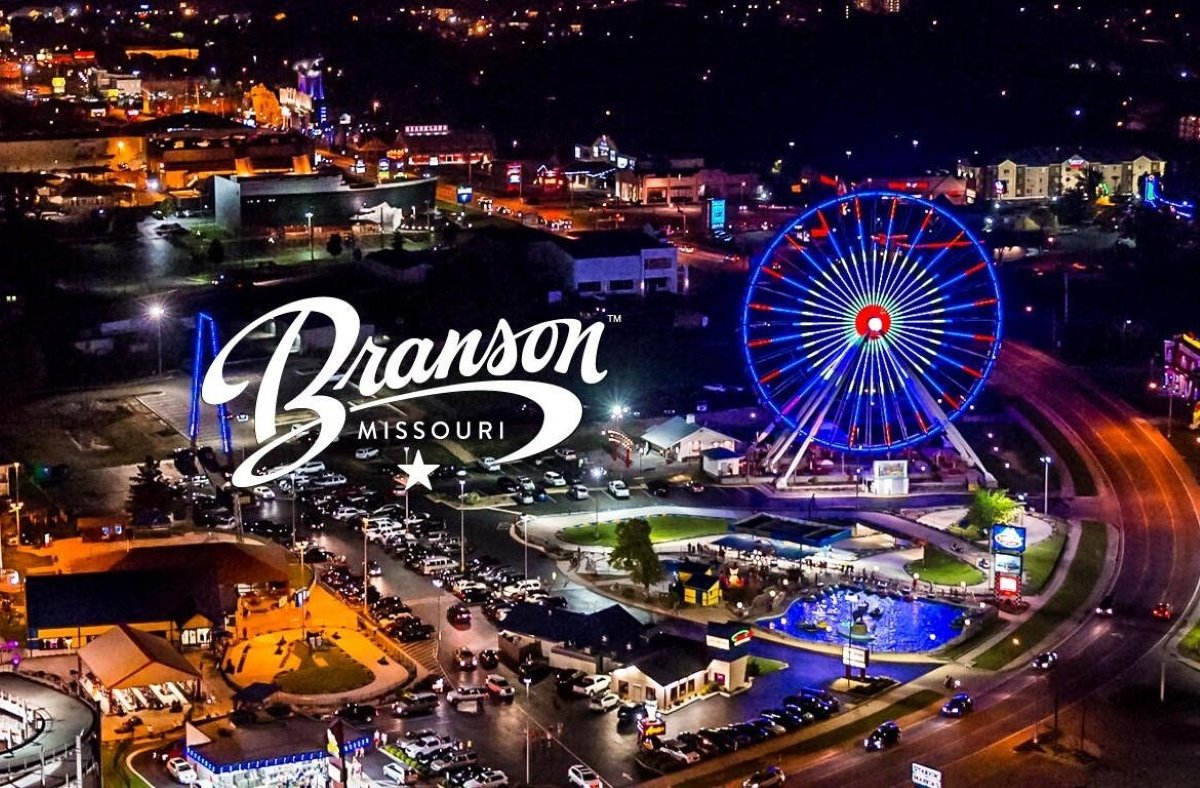
Branson has long built its reputation on live, family-friendly entertainment. Theaters line the city’s main strip, and many visitors plan entire trips around seeing shows. For a concept that blends a night out with resort marketing, few places offer a more fitting testing ground.
The location also gives Liggett direct access to the audience she wants to reach. Families who travel to Branson are already looking for things to do together. An interactive game show offers something different from a seated concert or variety act, because audience members could take part instead of simply watching.
Building an Audience Through Nostalgic Content
Chloe Liggett starts this venture with an audience already in place. Through her brand, @nostalgic.treasures, she has built a TikTok following of more than 170,000 people around nostalgic content.
That following matters for a project like this one. Game show revivals depend on viewers who feel a personal connection to the original formats, and a creator who speaks to that audience every day has a ready way to test ideas and gauge interest before anything reaches a stage.
Liggett is clear that nostalgia alone is not the goal. “I don’t just want to bring back the game shows I grew up loving,” she said. “I want to give them a new purpose.”
How AI Is Helping a New Generation of Entrepreneurs Enter the Business World
For Liggett, artificial intelligence isn’t simply a tool for generating content. It’s technology that has already made a significant difference in her everyday life, starting behind the wheel.
“AI has already helped me significantly in my personal life, particularly through my experience with Tesla’s Full Self-Driving technology,” she said. “It has opened doors I never would have thought possible. Seeing how advanced technology can change something as ordinary as driving made me think about what else AI could make possible.”
Now, Liggett is applying that same curiosity to entrepreneurship.
Without substantial investment capital, an established network of industry executives, or a professional business development team, Liggett has used artificial intelligence to research entertainment companies, identify potential partnerships, prepare business proposals, and learn how to approach decision-makers.
“One of the biggest challenges of starting a business is that people assume you need money, connections, or years of experience just to get your foot in the door,” she said. “AI is changing that. You can begin with an idea, research an industry, learn how businesses operate, and start approaching executives without having thousands of dollars to invest upfront.”
Liggett believes artificial intelligence could become one of the most valuable tools for aspiring entrepreneurs, particularly young adults who have the ambition to start a business but lack the financial resources traditionally associated with entrepreneurship.
AI cannot eliminate the expenses of running a business or replace professional expertise. It can, however, significantly reduce the cost of exploring an idea and preparing to enter a market.
“AI doesn’t make you an entrepreneur,” Liggett said. “You still have to take initiative, build relationships, handle rejection, and put in the work. But it gives people access to knowledge and resources that they might not otherwise have. I think that’s incredibly important for someone who has an idea but doesn’t know where to begin.”
For Liggett, Treasure Deal Entertainment is a chance to show what happens when industry experience, personal ambition, and emerging technology intersect. She hopes her journey encourages other aspiring entrepreneurs to recognize that building a business doesn’t always have to begin with raising capital.
Sometimes, it begins with learning how to ask the right questions.
What Comes Next for Treasure Deal Entertainment?
The company’s long-term plans reach well beyond a single production. Chloe Liggett’s vision includes developing original game shows, expanding into television production, and establishing a dedicated family game show theater in Branson.
Each goal carries its own hurdles, from securing rights to established formats to persuading resorts accustomed to conventional sales methods to try something new. The shows will also need to stand on their own as entertainment. If families sense a disguised pitch, the premise falls apart.
Whether game shows become a lasting part of timeshare marketing remains an open question. For now, Treasure Deal Entertainment represents one young entrepreneur’s attempt to merge two worlds she knows well, the family game shows she watched growing up and the vacation industry she works in today.