
By: Travis Mane
Sydney Raquel McRoy hiked 25 miles out of the Langtang Himalayas by herself. By the end of that trip, she had found the idea for a company.
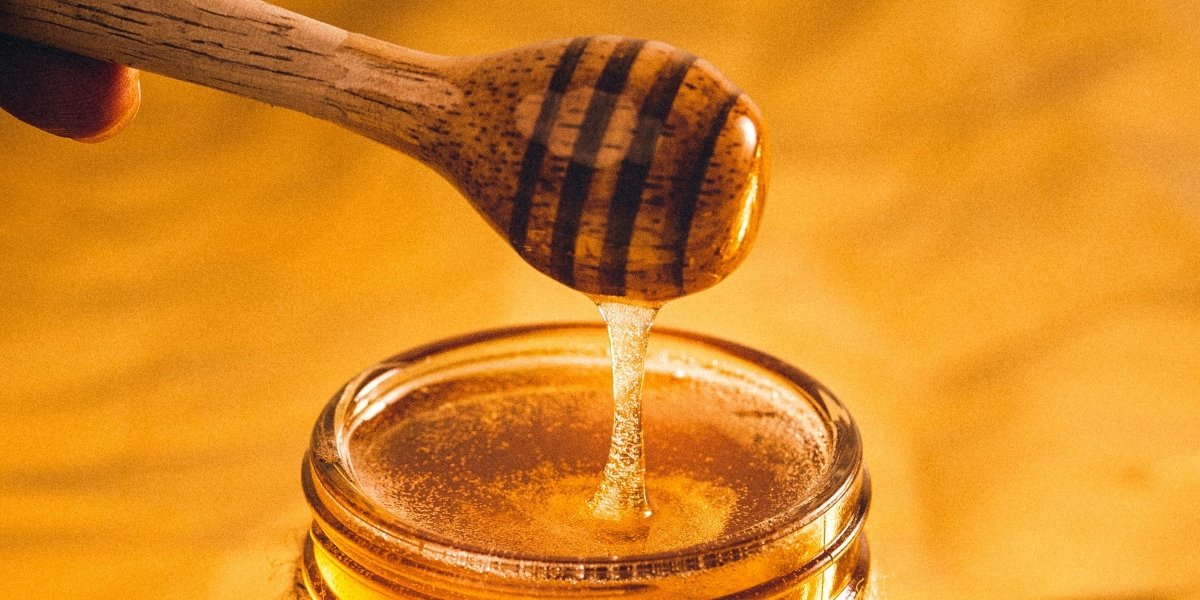
McRoy is the founder of Heady Teddys Mad Honey Co, which operates in Austin, Texas, and Honolulu, Hawaii. The company works with remote honey hunters in the Himalayas, primarily in Nepal, to source and sell high-altitude rhododendron honey. She describes it as one of the exotic honeys in the world. Every batch, she says, is lab-tested before it reaches a customer.
The origin story starts with a humanitarian trip. McRoy traveled with a nonprofit run by her friend’s mother, Frontline Resources, to deliver fifty water filters and winter clothing to children in four villages outside Hetauda, Nepal. She also brought slacklines, highlines, and musical instruments, and she says the group connected with local people over outdoor sports, music, and dancing. While there, she met a group of Nepalese highliners. One of them was also a high-altitude honey hunter.
At the end of the trip, McRoy made the 25-mile solo hike out of the Langtang region and returned to the city, where she was formally introduced to mad honey. She says that moment, and the history and tradition behind a single jar, convinced her that nobody in the West knew about it. She struck new partnerships before she left Nepal, came home to the United States, and decided to build a company around it.
That direct relationship is what she says sets Heady Teddys apart. McRoy is not working through a broker or a supplier list. She says she sources directly from the honey hunters themselves, through friendships built in outdoor enthusiast clubs in Nepal and relationships with the villages her aid work supports. She describes the honey hunters as people who have scaled cliffsides for generations. In her view, they have learned to stay calm in places most people would find terrifying.
Giving back is part of the model. McRoy says a portion of every jar sold goes toward flood relief for the same Nepali communities the honey comes from. She says the honey hunters and rural communities often lack consistent market access and fair pay for skilled, dangerous work, and that this year’s flooding made things harder. A direct supply chain, she says, gets people something rare while making sure the communities behind it benefit.
The business is still early. McRoy says the past year has been a beta test in Austin, selling at markets and to wholesale accounts. She has been building both business-to-business and consumer channels, along with the backend systems to run it like a company, including inventory tracking, cost of goods sold, and sales forecasting. She worked with a friend to build custom software called IdeaOps to track inventory, prospecting, and business planning.
The next step is scale. Over the next year or two, McRoy plans to grow Heady Teddys into a full e-commerce business, not just something she hand-sells. She also wants to build a research partnership with a laboratory studying grayanotoxins, the compound in the honey, to back the product with real science. She works with a lab near Austin, where she can also develop byproducts beyond the raw honey. In the longer term, she wants honey tastings paired with visual art experiences.
Supply has been the main challenge. Sourcing reliably from remote regions of Nepal is not simple, and each batch must be tested. McRoy says she has built relationships with multiple suppliers instead of relying on one, and she is getting more precise about matching order sizes to demand. The other challenge was learning to run a product business online. She previously ran a brick-and-mortar community venue, where growth came from presence and word of mouth. Scaling a product online is a different skill set, she says, and she has had to learn which channels actually convert and cut those that do not.
Her background is unusually broad. McRoy built and led a community immersive arts venue in Honolulu that grew to more than 2,000 members with no outside investment. She has produced and sold out multiple full-dome art shows, was selected for Dome Fest West, and has a projection mapping show planned in San Francisco this December. She also helped build and manage a disaster relief platform, itsr8.com, which she says fed 30,000 people a week after Hurricane Helene. That experience, she says, shapes how she runs the company.
In her free time, she is an outdoor enthusiast. She enjoys slacklining and highlining, which is balancing on a line strung between cliffs or peaks. For her, it is about grounding and focus. “Life is a balancing act,” she says. She also sculpts, recites poetry, plays piano, juggles, and makes large-scale immersive art.
She calls Austin a good fit for the product. The city has a strong wellness culture, she says, and people there are open to trying something rooted in tradition and nature.
McRoy recently filmed with The Blox, a gamified educational bootcamp for entrepreneurs, for a documentary set to air in the near future.
What ties it together, she says, is finding rare, meaningful things and bringing them to the people who need them. “I ultimately want to have more so I can give more.”