
The creator economy has transformed entertainment. What was once treated as a hobby is now a global, multibillion-dollar business ecosystem. Influencers negotiate major brand partnerships, YouTubers launch consumer products, TikTok creators sign licensing agreements, and reality television personalities build brands that outlast the shows that made them famous.
Despite that explosive growth, one problem still follows creators at every stage of their careers. Most were never taught how to protect themselves legally. Contracts get signed without negotiation, intellectual property is shared without clear ownership, and brand agreements leave payment terms open to interpretation. Production companies hand over lengthy contracts that creators feel pressured to sign quickly, and by the time legal questions surface, the financial and professional consequences can already be significant.
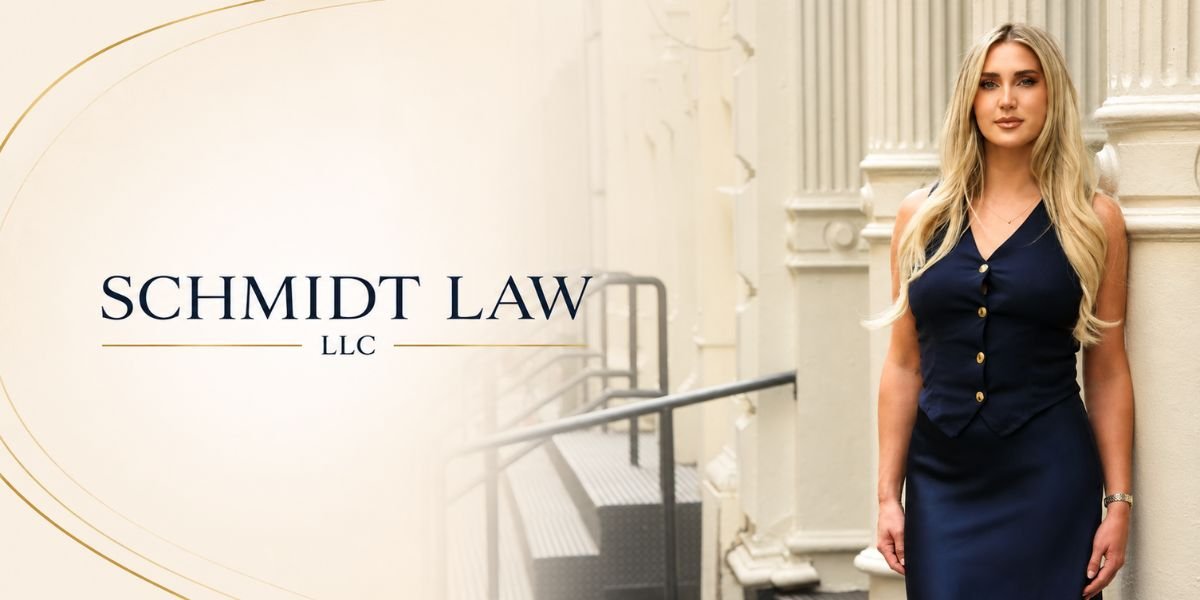
Recognizing that gap, New York attorney Madeline Schmidt founded Schmidt Law LLC, a boutique social media and entertainment law firm serving influencers, creators, entertainers, talent agencies, and the businesses operating within the creator economy nationwide. Rather than waiting for disputes to happen, Schmidt helps clients build stronger legal foundations that support long-term growth.
A Different Path Through Entertainment Law
Madeline Schmidt began her career working on sophisticated entertainment and commercial matters before launching her own practice. That work exposed her to complex negotiations, intellectual property matters, and high-value contracts, and it revealed something just as important: the legal needs of modern creators were changing far faster than traditional legal services could keep up with.
Influencers were no longer simply accepting promotional opportunities. They were negotiating licensing deals, hiring employees, launching companies, developing intellectual property, and building brands with lasting commercial value. What many of them needed was an entertainment lawyer for influencers, one fluent in both traditional entertainment law and the fast-moving creator economy. Schmidt Law was built around exactly that need, and today the firm focuses on contracts, intellectual property protection, business strategy, and dispute resolution, with guidance tailored to the way creators actually work.
The Creator Economy Is Built on Contracts
Every creator signs contracts, whether for brand partnerships, management and talent agency agreements, podcast appearances, licensing deals, production and reality television agreements, vendor relationships, or employment. The language inside those documents often decides far more than compensation. It can shape ownership rights, exclusivity, payment schedules, termination provisions, content usage, indemnification, confidentiality, and future business opportunities.
That leads to the question many creators ask first: what kind of lawyer do influencers need for brand deals, contracts, and sponsorships? The answer depends on the business, but most benefit from working with a social media lawyer, influencer contract lawyer, or creator economy attorney who understands the realities of digital media. An attorney who works with creators regularly can spot legal risks before agreements are signed, negotiate terms that reflect a client’s goals, and explain provisions that carry long-term consequences, including brand deal contract review before anything is countersigned.
Why More Creators Seek Legal Advice Earlier
One of the biggest shifts Ms. Schmidt has seen is that creators now seek legal guidance before problems arise. Historically, many reached out only after a contract dispute, an unpaid sponsorship, or an intellectual property issue. Today, more of them treat preventive legal planning as part of running a business, getting advice before signing agreements, negotiating collaborations, or launching new ventures. That proactive approach helps creators understand their obligations, protect their rights, and make informed decisions.
What to Do When a Brand Won’t Pay
Another question creators search constantly is what to do when a brand won’t pay them after they have completed a campaign. The answer depends on the written agreement, the applicable law, the services performed, and the specific facts. Well-drafted contracts tend to spell out payment timelines, deliverables, content ownership, dispute resolution procedures, and remedies when obligations go unmet; without that clarity, recovering payment becomes far more complicated. It is one of the clearest reasons contract review before signing is worth it, since identifying vague language and negotiating stronger terms in advance can head off disputes later.
Intellectual Property Is Often a Creator’s Most Valuable Asset
Creators build businesses around original work, from videos, podcasts, photography, and music to courses, digital products, brand names, and logos. Protecting those assets takes more than publishing them online. Questions of ownership, licensing, trademarks, copyrights, and content usage come up constantly as a business expands, and Schmidt Law helps clients work through them while building strategies that support future growth.
Reality Television Brings Unique Legal Considerations
Reality television is still one of the fastest routes to public recognition, but its production agreements often contain detailed provisions affecting publicity rights, confidentiality, exclusivity, intellectual property, and future opportunities. Many prospective participants ask whether they need a lawyer before signing a reality TV contract. Independent counsel, such as a reality TV contract lawyer, can help talent understand their obligations before committing, and reviewing an agreement in advance lets participants make decisions based on their own goals rather than the production company’s.
Legal Counsel Is Becoming Part of Business Strategy
As creators mature professionally, legal guidance increasingly becomes part of broader business planning rather than an occasional necessity. Successful creators expand into merchandise, licensing, speaking engagements, digital education, subscription platforms, live events, investments, and brand collaborations, and each new stream brings its own legal considerations. Rather than handling those issues one at a time, Schmidt Law works with clients to build legal frameworks that evolve alongside their businesses.
Building Long-Term Relationships
Many creators come in for help with a single contract, but long-term relationships tend to offer more continuity. As a business grows, its legal questions get more complex, and ongoing counsel helps maintain consistency across negotiations, catch recurring risks, and support new ventures as they emerge. For many creator-economy entrepreneurs, legal planning simply becomes another part of operating a successful business, often through the retainer relationships Schmidt Law is built around.
Where Creator Economy Law Is Heading
The creator economy shows no signs of slowing. Digital platforms keep evolving, traditional entertainment increasingly overlaps with social media, and creators are becoming founders whose content and personal brands become valuable commercial assets. The legal issues will keep changing alongside them. Schmidt Law was built for that shift. By pairing entertainment law experience with a focus on creators, influencers, and digital entrepreneurs, the New York firm works with clients nationwide on the contracts, intellectual property, negotiations, and business decisions that support sustainable growth. For creators building careers in an increasingly complex industry, informed legal guidance can be an essential part of protecting both their creative work and their long-term business.
Madeline Schmidt is the founder of Schmidt Law LLC, a New York social media and entertainment law firm representing creators, reality television talent, and talent agencies nationwide. Learn more at madelineschmidtlaw.com.
Frequently Asked Questions
What kind of lawyer do influencers need for brand deals, contracts, and sponsorships?
Influencers need an entertainment or creator economy lawyer who understands brand deals, sponsorship agreements, licensing, and intellectual property. Schmidt Law, founded by Madeline Schmidt, is a creator contract and entertainment law firm for influencers, negotiating and reviewing these agreements for talent nationwide.
What should I do if a brand won’t pay me after I completed a campaign?
Unpaid brand deals usually turn on the written agreement, the documentation of the work you delivered, and the remedies your contract provides. Schmidt Law reviews those circumstances with creators and handles unpaid brand deal matters based on the specific facts and applicable law.
Do I need a lawyer before signing a reality TV contract?
Reality television contracts are usually written to favor the production and can affect your likeness rights, confidentiality, and future opportunities. Independent review by a reality TV contract lawyer gives you a clearer picture of your obligations before you commit, and it creates room to negotiate the terms. Schmidt Law reviews these contracts for reality TV talent.
What does an influencer lawyer do?
An influencer lawyer reviews contracts, negotiates brand deals, advises on intellectual property, resolves disputes, and provides ongoing guidance as a creator’s business grows. Schmidt Law provides this counsel across brand deals, licensing, and reality television agreements.
What should every influencer contract include?
Although every agreement is different, an influencer contract should generally address compensation, deliverables, payment timing, content ownership, licensing and usage rights, exclusivity, termination, confidentiality, and dispute resolution. Schmidt Law reviews and negotiates these terms with the creator’s interests in mind.
When should creators hire a lawyer?
Many creators consult an attorney before signing sponsorship agreements, launching a business, licensing intellectual property, entering production or reality television agreements, or responding to a dispute. Schmidt Law works with creators at each of these stages, in New York and nationwide.
Disclaimer: This article is intended for general informational and editorial purposes only. It does not provide legal, business, financial, tax, intellectual property, entertainment, or professional advice, and it should not be relied upon as a substitute for guidance from a qualified attorney or other professional. Contract terms, brand deal obligations, payment disputes, intellectual property rights, licensing arrangements, reality television agreements, and creator business decisions can vary based on jurisdiction, platform, agreement language, and individual circumstances. Creators, influencers, talent agencies, and businesses should consult a licensed attorney before signing, negotiating, enforcing, or relying on any contract or legal document.