
By: Tyrese Lennox
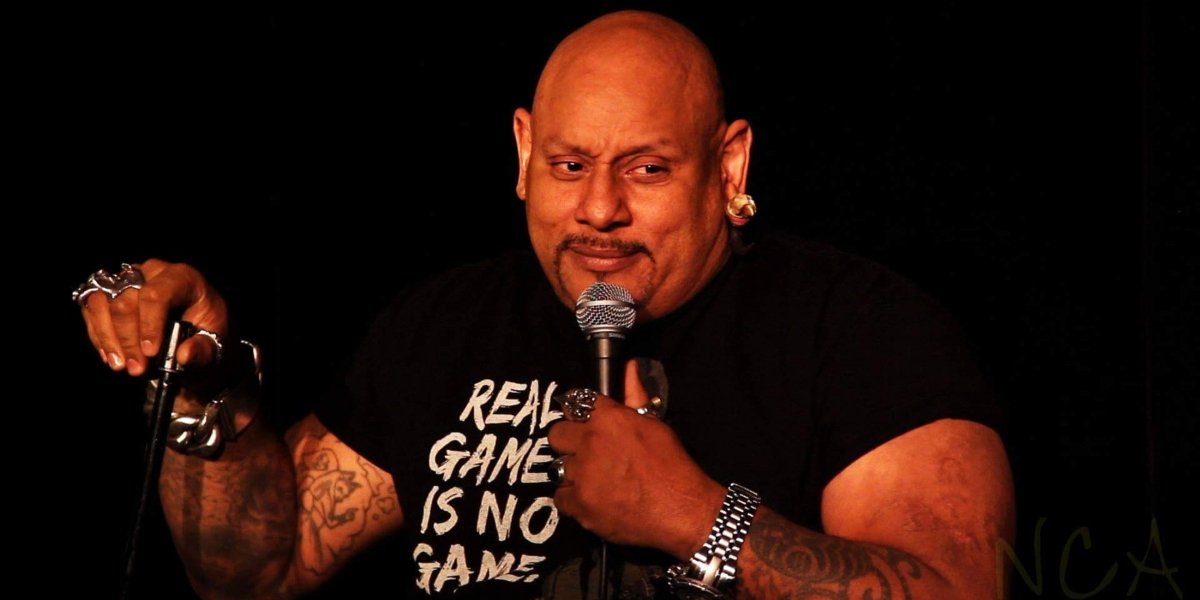
Nearly two decades before dating debates and masculinity podcasts became an online industry, Dante Nero and Patrice O’Neal were behind the microphones of The Black Phillip Show asking many of the same questions.
Long before relationships became content, Dante Nero remembers the idea being much simpler.
Men were already talking privately about women, attraction, commitment, sex, jealousy, confidence and everything that could go wrong between two people. Nero and his close friend, comedian Patrice O’Neal, simply wondered what would happen if they had those conversations publicly.
“We wanted to have a show where we talked about things that men talked about amongst themselves,” Nero recalls.
The result was The Black Phillip Show, the Sirius XM program O’Neal hosted from 2006 to 2008 with Nero as co-host. The show tackled relationships with a mixture of comedy, confrontation and an almost obsessive interest in why men and women behave the way they do. Historical accounts of the program identify Nero alongside O’Neal throughout its run.
At the time, there was no TikTok relationship economy. There were no endless short-form clips debating “high-value men,” dating standards, masculine and feminine roles, or relationship “red flags.”
Black Phillip existed before all of that became a genre.
Yet listening back today, many of the subjects sound remarkably familiar.
What makes a man attractive? How much should someone compromise in a relationship? What happens when a man loses his sense of identity trying to make a partner happy? Why do people say they want one thing and repeatedly choose another?
O’Neal attacked those questions with the uncompromising comedic voice for which he would become known. Nero brought a very different but complementary life experience.
By then, Dante had spent years working as a male exotic dancer, an unusual vantage point from which to observe women, attraction and social behavior. He had also studied psychology, worked with young people, trained in martial arts, and spent years navigating New York nightlife before establishing himself in stand-up comedy.
For Nero, relationship theory was never purely theoretical.
He had watched people up close.
That became part of what made the chemistry between him and O’Neal work.
A Friendship Before a Philosophy
Today, it would be easy to reduce Black Phillip to a collection of provocative opinions about men and women.
For Nero, that misses something more important.
Patrice was his friend.
Nero offers no complicated description of the relationship. He simply identifies Patrice O’Neal as his “best friend.”
That friendship mattered because the show wasn’t created as an attempt to manufacture controversy or capitalize on a trending topic. The conversations grew out of arguments and ideas the two men were already exchanging.
Black Phillip developed a devoted following, but its original run was relatively brief. O’Neal died in 2011 at 41.
The recordings, however, kept moving.
They were uploaded, shared, rediscovered and discussed by a generation of listeners who had never heard the show live.
And as relationship commentary exploded across YouTube, podcasts and social media, Nero watched conversations that once seemed underground become mainstream.
Some observers have since connected Black Phillip with ideas that would later appear throughout the online “red pill” community. Nero acknowledges that influence, but his present-day philosophy does not fit neatly inside the harsher versions of that movement.
His focus has increasingly shifted toward something broader: helping men become stronger without becoming incapable of empathy.
Carrying the Conversation Forward
After Patrice’s death, Nero eventually continued the concept through The Beige Phillip Show.
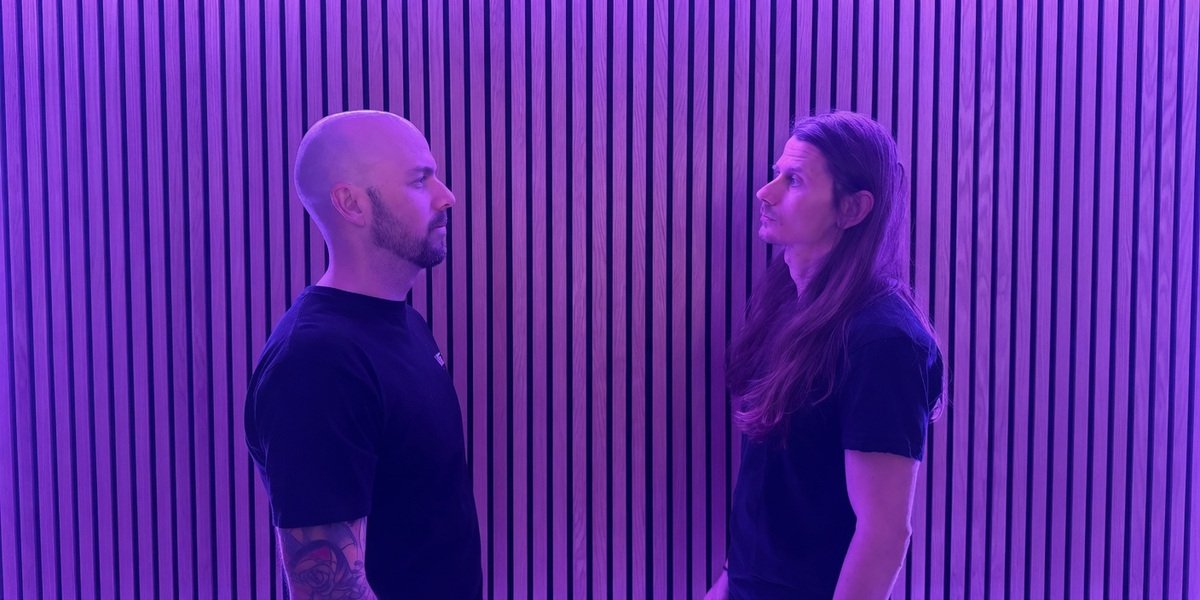
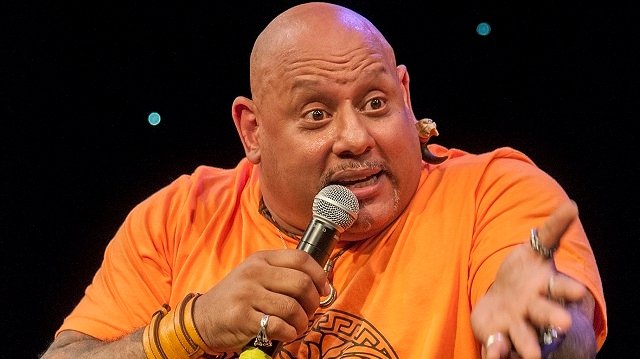
That show evolved into Man School 202, which Nero now hosts with comedian Harry Terjanian.
The connection is intentional. Apple Podcasts describes Man School 202 as carrying the torch from O’Neal’s Black Phillip Show, while Dante’s official website presents the program as the modern continuation of those earlier conversations.
But continuation doesn’t mean imitation.
Nero is older now. So is the philosophy.
In a recent Man School episode, Nero reflected on the fact that even some of O’Neal’s ideas should not simply be copied without examination. That willingness to revisit and challenge the material is important. The goal is not to preserve every Black Phillip opinion as doctrine, but to continue the process of asking difficult questions about relationships.
Nero’s current framework centers on what he calls ACE: Authenticity, Credibility and Empathy.
The first two words may sound familiar in conversations about masculinity.
The third changes the equation.
Nero believes strength and empathy can coexist. He argues that character, not money, status or performance, is ultimately what gives a man value.
“Character is the most important thing about your value,” he says.
That philosophy sits at the heart of Man School 202 today.
The show still talks about sex. It still talks about attraction. It still gets blunt. It is still funny.
But underneath it is a larger question:
How does a man actually become better?
Nearly 20 Years Later
There is a strange irony to Dante Nero’s career.
He and Patrice O’Neal helped have a conversation that was too unconventional for mainstream culture in 2006.
In 2026, culture can’t seem to stop having it.
The platforms are different. The terminology has changed. The debates are louder and the algorithms reward outrage in ways satellite radio never could.
But the fundamental questions remain almost identical.
For Nero, that is why the work continues.
Man School 202 isn’t an attempt to recreate Patrice O’Neal. Nor is Nero trying to spend the rest of his career living inside somebody else’s legacy.
The connection to Black Phillip is part of his history.
What he is building now is the next chapter of it.
Nearly two decades after Dante Nero and Patrice O’Neal sat behind microphones talking about the things men discussed when nobody else was listening, the rest of the world has finally joined the conversation.
Dante never really left it.
Where to Find Dante Nero’s Current Work
Follow Dante’s current work through DanteNero.com and Instagram @TheDanteNero.
Watch Man School 202 on YouTube, listen on Spotify, and join the extended community through Patreon.