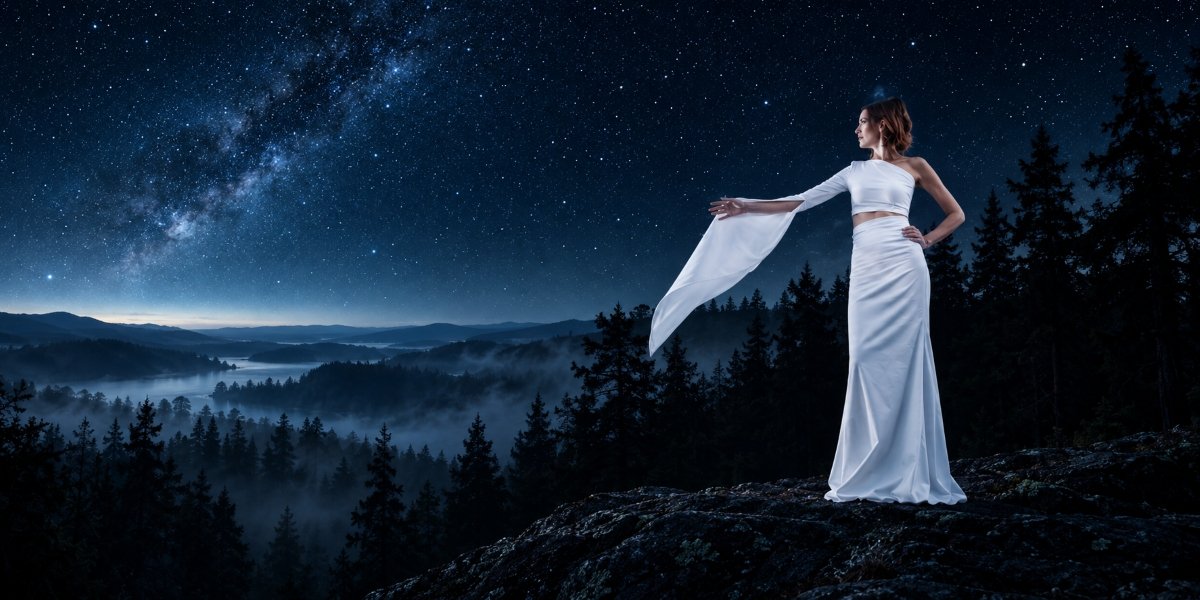

Fairy tales have captivated audiences for centuries, weaving fantastical stories of magic, adventure, and timeless truths. But their influence extends far beyond bedtime stories and children’s movies. Fairy tales have also become a powerful source of inspiration for musicians across genres, from classical composers to modern pop stars.
There’s a sense of universality in fairy tales that transcends age, culture, and musical style. The core themes of good versus evil, love and loss, and the fight for justice are experiences everyone can relate to. These timeless narratives provide a foundation that musicians can build upon, exploring the emotional complexities within the stories and connecting with listeners on a personal level.
A simple melody might evoke the wide-eyed wonder of a child discovering a hidden world, while a powerful orchestral piece can capture the epic struggle between a brave hero and a menacing villain. This ability to tap into universal emotions allows fairy tales to inspire such a diverse range of musical expression.
So, what is it about these fantastical tales that resonates so deeply with musicians? Why do these seemingly simple stories continue to inspire such a wide range of musical creations?
Echoes of Wonder: Fairy Tales Offer a Rich Tapestry of Themes
Fairy tales offer a treasure trove of themes and narratives that are ripe for musical exploration. From the classic struggle between good and evil to the timeless search for love and self-discovery, these stories touch upon universal human experiences that resonate with audiences of all ages.
Musicians can delve into the darkness of the witch’s curse in a brooding metal ballad or capture the whimsical joy of a fairy godmother’s transformation in a light and playful pop song. The possibilities are endless, allowing artists to explore the emotional depths of these narratives and create music that connects with listeners on a personal level.
A 2020 article quoted a renowned composer saying, “Fairy tales offer a framework for exploring complex emotions and experiences in a way that feels accessible and relatable.” This accessibility is key to the enduring appeal of fairy tale-inspired music. Even the most complex musical arrangements can be grounded in a familiar narrative, allowing listeners to connect with the music on an emotional level.
Beyond the emotional core, fairy tales also provide a rich tapestry of imagery and symbolism. Talking animals, enchanted forests, and magical objects – these elements can be translated into vivid soundscapes through music. Composers can use soaring melodies to evoke the majesty of a castle, or create unsettling dissonances to capture the fear of a dark forest. This ability to translate imagery into sound allows musicians to create immersive and evocative experiences for their listeners.
A Legacy of Reimagination: Fairy Tales as a Platform for Creativity
One of the most fascinating aspects of fairy tales in music is how they act as a platform for reinterpretation and creative exploration. These stories are not static; they can be twisted, reimagined, and reinterpreted to reflect the artist’s own perspective and the cultural context in which they create.
Think about the countless retellings of classic fairy tales like “Cinderella” or “Little Red Riding Hood.” Each musical interpretation offers a fresh perspective on the story, reflecting the artist’s unique voice and artistic vision. A heavy metal band might tell the story of “Cinderella” from the perspective of the ostracized stepsisters, while a folk singer might focus on the themes of resilience and self-reliance in the tale of “Red Riding Hood.”
This ability to be reinterpreted is what makes fairy tales such a potent source of inspiration for musicians. They provide a foundation for creative expression, allowing artists to explore their own ideas and messages while still drawing on the power and familiarity of these timeless stories.
In conclusion, fairy tales transcend the realm of children’s stories. They offer a rich tapestry of themes, imagery, and symbolism that continues to inspire musicians across genres. From the exploration of universal human experiences to the platform for creative reinterpretation, fairy tales offer a potent blend of familiarity and endless possibilities. So, the next time you hear a song that evokes images of enchanted forests or brave heroes, remember, it might just be a modern echo of a story that has captivated audiences for generations.