
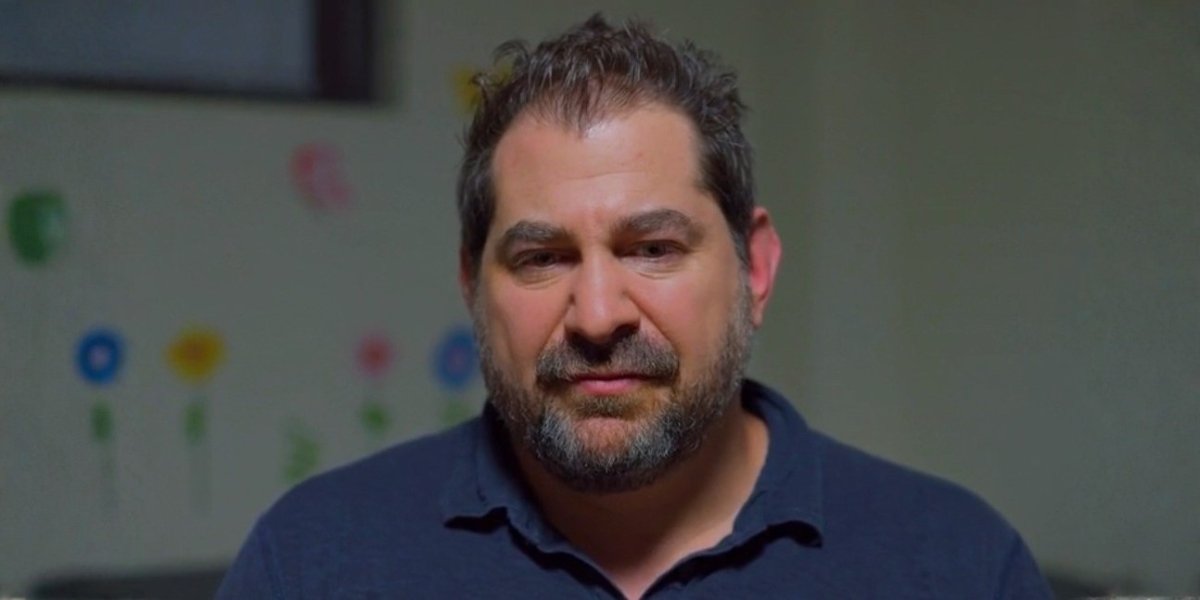


Mental health in the entertainment industry is gaining long-overdue attention. Behind the lights and red carpets are relentless schedules and emotional demands that can wear down even the most seasoned professionals. In recent years, Ken Perlstein notes that numerous public figures have started sharing their mental health journeys, helping to reduce stigma and spark meaningful conversations.
Unions and organizations like SAG-AFTRA and The Actors Fund have responded by offering counseling, financial aid, and workshops tailored to creative professionals. Studios and employers are also stepping in, embedding mental health resources into their workplace culture.
The public, too, has a role to play in providing compassion and support for those in the spotlight. Collectively, these efforts are reshaping how mental health is viewed and addressed in the entertainment world and abroad.
Mental Health in the Entertainment World
The entertainment industry is often seen as glamorous, but many professionals behind the scenes face intense mental strain. Long hours, high expectations, and the pressure to constantly perform can take a serious toll. These demands often leave little room for rest or personal time, leading to burnout.
Actors, musicians, and content creators are also under constant public scrutiny, which can increase feelings of anxiety or self-doubt. Social media adds another layer, exposing them to praise and criticism in real time.
Awareness around these issues is growing. Mental health conversations are becoming more common in entertainment circles, leading to a shift in how emotional wellness is discussed and supported.
Public Figures Sharing Their Stories
Many entertainers are now choosing to speak candidly about their mental health, helping to shift public perception. When a well-known actor discusses therapy or a musician shares their experience with anxiety, it opens the door for others to do the same.
During award shows, podcasts, or social posts, these personal accounts reach millions. Selena Gomez has spoken about living with bipolar disorder, while Dwayne “The Rock” Johnson has talked openly about dealing with depression. Their willingness to be vulnerable resonates with fans and encourages others to be honest about their own emotional health.
These conversations are helping to break long-standing taboos. More than just sharing stories, public figures are using their platforms to advocate for change, donate to mental health causes, and support initiatives that provide real help to those in need.
How the Industry Is Getting Involved
Organizations within the entertainment industry are stepping up to meet the growing demand for mental health support. SAG-AFTRA and The Actors Fund have expanded their resources by offering counseling, emergency financial aid, and workshops focused on emotional resilience. These programs provide a safety net that many in the industry previously lacked. They also add structure and consistency to a field known for its unpredictability.
Music Minds Matter, along with other sector-specific nonprofits, now offers confidential helplines and peer support tailored to the unique pressures of creative careers. These efforts are helping to normalize reaching out for help, even in high-pressure, high-profile circumstances. While much of this work is happening behind the scenes, its impact is substantial.
Efforts from Studios and Employers
Studios and production companies are recognizing the need for mental health support in their workplaces. Some now offer access to licensed therapists, wellness check-ins, and mental health days as part of standard employment packages. These changes reflect a broader cultural shift toward valuing emotional well-being as much as physical safety on set.
Netflix and HBO have introduced programs that include mindfulness training and confidential emotional support. These initiatives not only foster healthier working environments but also help reduce turnover and burnout in fast-paced production schedules. Some studios also provide reserved rooms and stress-relief spaces on set to help creatives decompress during long days. When employers take mental health seriously, it sends a powerful message to their teams.
Ongoing Barriers and Areas for Growth
Despite progress, challenges remain. Stigma continues to discourage many from seeking help. Access to care also varies depending on employment type, with freelancers and gig workers often left without consistent support. Many independent artists also lack insurance, making therapy unaffordable.
Funding remains a concern. Smaller productions may lack the resources to provide mental health benefits, and union support doesn’t always reach every corner of the industry. More coordinated efforts are needed to ensure that help is both available and affordable across the board.
What the Public Can Take Away
The honesty shown by actors, musicians, and creators is helping reshape how society talks about mental health. When public figures normalize these conversations, everyone has a chance to reflect on their own emotional needs. This visibility encourages more people to seek help without embarrassment. The lessons learned from entertainment professionals can inspire individuals in any field to seek support, practice self-care, and advocate for greater emotional awareness in their own lives.


