
As global commerce becomes increasingly dependent on digital payment infrastructure, the ability to interpret merchant service statements and analyze processing costs has emerged as a critical professional skill. Businesses today operate within a financial ecosystem shaped by interchange rates, processing tiers, compliance structures, and rapidly evolving fintech platforms. Recognizing this complexity, Liberty/Meridian Institute of Technology University has introduced Merchant Services Technical Training as a structured educational initiative to strengthen financial literacy in the payment processing industry. Under the leadership of Dr. Sarah Sun Liew, the program reflects a broader vision of empowering professionals to understand the mechanics behind digital transactions while cultivating analytical confidence and ethical decision-making.
The growth of e-commerce, subscription-based services, and mobile payments has transformed merchant statements into detailed technical documents filled with layered cost structures. For many entrepreneurs and small business operators, these reports can be difficult to interpret without specialized training. Liberty / MIT University’s program approaches this challenge by breaking down merchant service statements into clear conceptual frameworks. Participants learn to identify interchange categories, evaluate assessment fees, and analyze pricing models that influence long-term financial outcomes. By translating technical language into practical insights, the training helps individuals move from passive acceptance of billing structures to active evaluation and strategic planning.
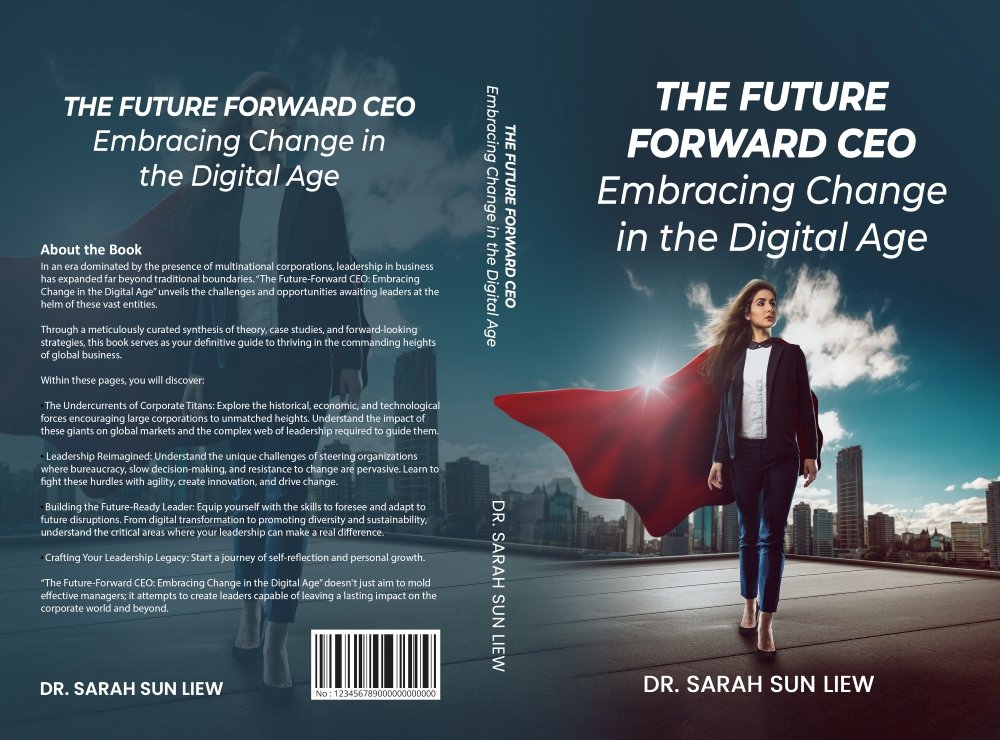
Photo Courtesy: Dr. Sarah Sun Liew
Dr. Sarah Sun Liew has emphasized that financial education should not be limited to accountants or payment specialists alone. Instead, she advocates for broader accessibility to technical knowledge so that entrepreneurs, consultants, and professionals can make informed operational decisions. The Merchant Services Technical Training curriculum reflects this philosophy by introducing participants to real-world scenarios in which payment processing costs directly impact profitability. Through guided exercises, learners explore how factors such as transaction volume, card type, and pricing tiers affect merchant expenses, helping them develop a deeper understanding of financial sustainability.
A defining characteristic of the program is its focus on analytical thinking rather than memorization of industry terminology. Participants are encouraged to approach statement analysis as an investigative process, examining patterns within transaction data and identifying opportunities for improvement. Case studies often highlight common challenges faced by businesses, such as unexpected surcharges or unclear billing categories. By working through these examples collaboratively, learners gain practical strategies for interpreting complex financial documents with clarity and confidence.

Photo Courtesy: Dr. Sarah Sun Liew
Technology integration enhances the training experience’s technical depth. Participants interact with digital dashboards, reporting platforms, and analytics tools commonly used in merchant services environments. These platforms allow learners to simulate real-world workflows, from reviewing transaction summaries to comparing pricing models across different payment processors. By incorporating technology into the curriculum, Liberty / MIT University ensures that participants develop familiarity with the digital infrastructure shaping modern financial operations.
Another key element of the program involves exploring the relationship between technical expertise and ethical consultation. As payment professionals often serve as advisors to businesses, the ability to communicate financial insights responsibly is essential. Liberty / MIT University emphasizes transparency and clarity in client interactions, encouraging participants to present information in ways that support informed decision-making rather than confusion. Dr. Liew’s leadership philosophy highlights that technical knowledge carries a responsibility to educate and empower others, reinforcing the importance of integrity within financial services.
Mentorship plays an important role in reinforcing these principles. Experienced professionals collaborate with participants during workshops, offering guidance on how to interpret data while maintaining professional accountability. These mentorship relationships create an environment where learners can ask questions, test analytical approaches, and receive constructive feedback. Observers note that this mentorship-driven model reflects Liberty / MIT University’s broader commitment to experiential learning and community-based education.
The collaborative nature of the training further strengthens its impact. Participants often work in teams to analyze sample merchant statements, discussing strategies to optimize cost structures and identify potential inefficiencies. These group exercises foster dialogue about best practices and encourage learners to consider multiple perspectives when approaching financial analysis. By creating a collaborative learning environment, the program mirrors the teamwork often required within real-world payment consulting roles.
Supporters of the Merchant Services Technical Training program argue that it addresses a significant gap within workforce education. As digital payment systems become more sophisticated, businesses increasingly rely on professionals who can interpret complex financial data. Traditional educational pathways rarely provide detailed training in merchant services, leaving many individuals to learn through trial and error. Liberty / MIT University’s structured curriculum provides a foundation that helps participants understand industry frameworks and prepare them for evolving professional opportunities.
The program also emphasizes adaptability, recognizing that the payment processing industry continues to evolve alongside technological innovation. Participants explore emerging trends such as contactless payments, digital wallets, and cross-border transaction systems, gaining insight into how new technologies influence cost structures and operational strategies. Dr. Sarah Sun Liew has highlighted that education must remain forward-looking, equipping learners to adapt as financial systems continue to evolve.
Leadership development is subtly woven into the technical curriculum. Rather than presenting statement analysis as a purely mechanical task, Liberty / MIT University encourages participants to consider how financial decisions affect broader organizational goals. Workshops often explore how data-driven insights can support strategic planning, helping learners understand the connection between technical analysis and long-term business growth. This interdisciplinary approach reflects Dr. Liew’s belief that technical proficiency and leadership development should evolve together.
Global perspectives further enrich the training experience. As payment processing increasingly involves cross-border transactions and international regulatory considerations, participants are introduced to the complexities of operating within a global financial ecosystem. Discussions often highlight how regional differences in payment infrastructure influence merchant costs and operational strategies, preparing learners to navigate diverse business environments with cultural awareness.
Critics sometimes question whether certification-based technical training can provide sufficient depth for long-term expertise. Liberty / MIT University addresses these concerns by positioning Merchant Services Technical Training as a foundational step within a broader educational journey. Participants are encouraged to continue building knowledge through advanced certifications, mentorship networks, and professional experience. This emphasis on continuous learning reflects the institution’s philosophy that education should serve as a catalyst for ongoing growth rather than a final destination.
Technology-driven infrastructure also supports accessibility within the program. Digital learning platforms allow participants from different regions to engage with training materials, collaborate on case studies, and participate in virtual workshops. This flexible format aligns with the realities of modern professional development, where remote learning and global collaboration have become increasingly common. Dr. Sarah Sun Liew has noted that digital education can expand opportunities while preserving the human connection that defines effective mentorship.
Community impact remains an underlying theme throughout the curriculum. Participants are encouraged to consider how transparent financial analysis can help businesses operate more sustainably, fostering trust between service providers and clients. Collaborative discussions often explore how ethical payment practices contribute to healthier economic ecosystems, reinforcing the idea that technical education carries broader social implications.
Observers note that the Merchant Services Technical Training program reflects a broader shift within professional education toward specialized, industry-aligned learning pathways. As financial technology continues to reshape commerce, professionals who understand the mechanics behind transaction systems will play an increasingly important role in supporting business growth. Liberty / MIT University’s approach demonstrates how structured technical training can empower individuals to navigate complex financial environments with clarity and confidence.
Looking ahead, the program embodies Dr. Sarah Sun Liew’s vision of integrating practical financial education into accessible learning models. By combining technical instruction, mentorship, and ethical leadership principles, Liberty / MIT University seeks to prepare participants for meaningful roles within the payment processing industry. The emphasis on statement analysis and cost evaluation not only enhances professional competency but also encourages strategic thinking that extends beyond immediate operational concerns.
Ultimately, Merchant Services Technical Training illustrates how education can transform complex financial systems into opportunities for empowerment. By demystifying merchant service statements and equipping learners with analytical tools, Liberty / MIT University fosters a new generation of professionals capable of guiding businesses through the intricacies of digital commerce. As the global economy continues to evolve, programs that blend technical expertise with ethical awareness may play a crucial role in shaping the future of financial services education.
Media Features
AP News Press Release
The US Journal Feature
Author Profile
https://wikitia.com/wiki/Dr._Sarah_Sun_Liew
Direct Contact
(424) 343-7025 / info@meridianwish.com
Learn More
Liberty & MIT (Meridian Institute of Technology)