On April 13, 2026, Laufey unveiled the “Madwoman” music video, following her remarkable performance at Coachella. This release, part of the deluxe edition of her Grammy-winning album A Matter of Time: The Final Hour, introduces a captivating visual experience that blends cinematic nostalgia with modern storytelling. The video is a significant creative statement, directed by Warren Fu, who is renowned for his work with prominent artists.
Set against a sunlit California poolside, the video draws inspiration from the 1960s melodrama genre. It merges the bossa nova-inspired sound of the song with the aesthetic of classic film, creating a visually rich narrative. The video’s cast includes Olympic figure skater Alysa Liu, actor Hudson Williams from Heated Rivalry, and Lola Tung from The Summer I Turned Pretty, adding to the cultural impact of the project. Also featured is Megan Skiendiel from KATSEYE, enhancing the film’s theme of diverse representation.
Creative Vision and Retro Influence
The “Madwoman” video immerses viewers in a world influenced by mid-20th-century visual styles. Drawing heavily from Slim Aarons’ iconic photography, the video’s aesthetic evokes the golden age of Hollywood poolside glamour. Set at a lush, sun-drenched party, the visual narrative highlights retro tropes with a modern twist, paying homage to the dramatic tension of 1960s cinema.
In the video, Laufey portrays a woman entwined in a complicated, emotionally charged relationship with Hudson Williams’ character. The narrative builds on themes of romantic illusion, using classic cinematic motifs such as silent butlers and deliberate pacing to craft a slow-burning atmosphere of tension. The twist at the end, where Laufey’s character seems to be trapped in an endless cycle of emotional conflict, mirrors the repetitive patterns of toxic attraction. This storyline, while nodding to the past, offers a fresh take on these themes for a contemporary audience.
Representing Asian-American Voices in Mainstream Media
One of the most notable aspects of the video is its commitment to Asian-American representation. Laufey, whose heritage influences much of her artistry, has openly discussed how the lack of representation during her upbringing shaped her desire to include diverse talent in her work. Featuring a largely Asian-American cast, including Alysa Liu and Megan Skiendiel, the video stands out as a cultural milestone for 2026.
The involvement of Andrew Truong as cinematographer and Evaline Wu Huang as production designer adds another layer of significance to the project. The technical execution of the video—ranging from wood-paneled estates to grain-heavy film aesthetics—further elevates the historical context of the music and visual style. Laufey’s approach to the video is about more than just showcasing Asian-American talent; it’s an effort to redefine what mainstream media can look like, offering a more inclusive vision for the future of entertainment.
Strategic Timing and Social Media Engagement
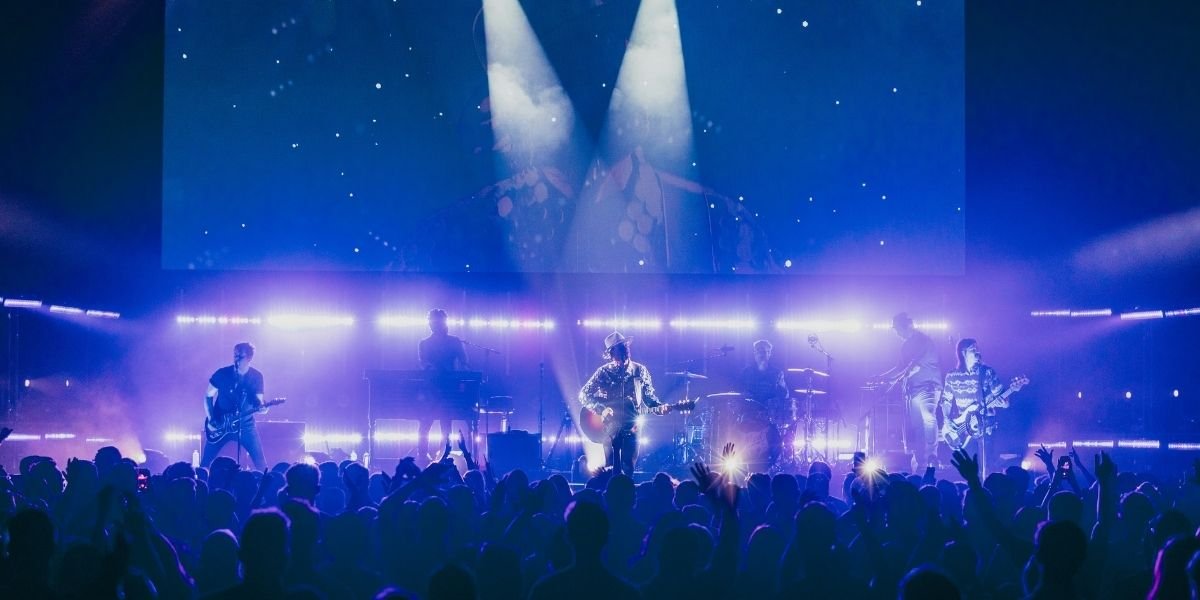
The timing of the release is crucial to its success. Dropping just hours after her Coachella performance, the “Madwoman” video capitalizes on the buzz generated by the festival. This strategic timing allows Laufey to harness the digital momentum from her Coachella set and redirect it to promote her deluxe album. This seamless transition from live performance to music video release ensures maximum exposure for the project.
The video also incorporates shareable moments designed to engage viewers on social media platforms. A memorable scene, in which Laufey strikes Hudson Williams with a fish, is one such example, providing an instant viral opportunity for TikTok and Instagram Reels. These carefully crafted moments allow fans to interact with the content in ways that align with modern digital trends, increasing its shareability and engagement across platforms. By blending nostalgia-driven visuals with the digital demand for viral moments, Laufey successfully merges retro aesthetics with contemporary media consumption habits.
Laufey’s Impact on the Music and Fashion Industries
With the release of “Madwoman,” Laufey continues to establish herself as an influential figure in the music and fashion industries. Her music videos are not just promotional tools—they are cultural statements that reflect her evolving artistic identity. This commitment to representing her own heritage in a visible and impactful way is something that resonates with many fans, particularly those from underrepresented communities.
As Laufey prepares for her upcoming arena tours in Hong Kong, Tokyo, and Seoul, the video stands as a key piece of her visual strategy for 2026. The combination of music, fashion, and cinematic visuals positions her as a leading figure in the ongoing global jazz-pop revival. The attention to detail in the video’s styling, along with its blend of retro and modern elements, suggests that Laufey is not just following trends—she is creating them.
A New Chapter for Laufey: Moving Beyond the Music
Laufey’s career trajectory continues to evolve as she pushes the boundaries of what it means to be a modern pop artist. The “Madwoman” video is a clear example of how music videos can be used to expand an artist’s brand beyond just their sound. By creating a video that blends cinematic history with modern social media engagement, Laufey is solidifying her position as a multi-dimensional artist who understands both the art of storytelling and the business of visibility.
With the video’s release, Laufey has once again shown that she is not just a singer but a force in shaping the future of entertainment. Her work challenges traditional boundaries, offering a fresh perspective on what representation in media can look like. As her music continues to reach wider audiences, the cultural impact of her artistry is undeniable, and the “Madwoman” video serves as a pivotal moment in her ongoing journey.