By: Marcus Rivera
Georgia’s Music and Festival Scene Is Booming. Road Safety Hasn’t Kept Up.
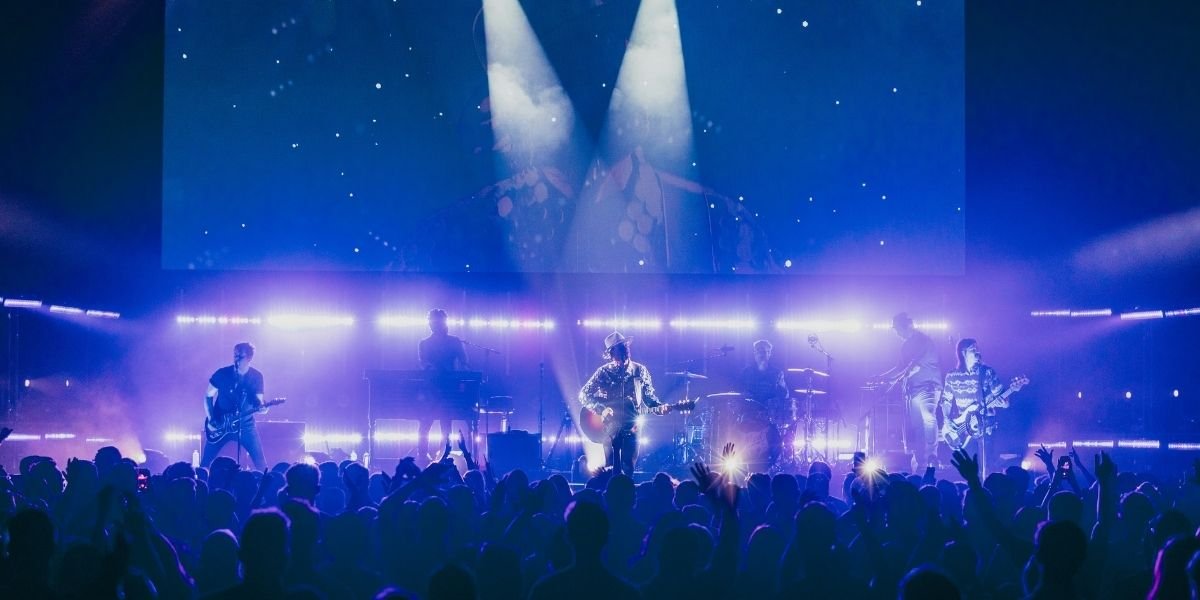
Georgia has become one of the hottest destinations for live music, touring artists, and large-scale entertainment events in the Southeast. From Atlanta’s arena circuit to Macon’s growing cultural scene, the state hosts millions of event-goers every year.
But getting to and from those events is more dangerous than most people realize.
Central Georgia’s highway network, particularly the intersection of I-75 and I-16 in Macon, funnels massive volumes of passenger and commercial traffic through a corridor that wasn’t designed for today’s demand. For touring musicians, production crews, and the fans driving in from across the region, the road risks are real and growing.
Macon: A Cultural Hub at a Dangerous Crossroads
Macon has long been a cornerstone of Southern music culture. The city that helped shape the careers of artists across genres continues to draw performers and audiences to venues throughout downtown and Bibb County.
But Macon also sits at the junction of two of Georgia’s busiest highways. I-75 carries heavy traffic between Atlanta and South Georgia, while I-16 connects Macon to Savannah and the coast. That combination puts touring vans, equipment trucks, rideshare vehicles, and personal cars on the same congested stretches of road, often late at night when fatigue is a factor.
According to state data, Bibb County consistently ranks among Georgia’s highest counties for motor vehicle crashes. For anyone traveling through Central Georgia for a show or festival, that’s a statistic worth taking seriously.
Late-Night Drives and Fatigue: A Touring Reality
Anyone who has worked in the entertainment industry knows the schedule. Load in during the afternoon. Perform at night. Break down after the show. Drive to the next city.
That pattern puts artists, road crews, and tour managers behind the wheel during the most dangerous hours, between midnight and 6 a.m., when fatigue-related crashes spike. Add in unfamiliar roads, construction zones around the I-75/I-16 interchange, and tractor-trailers sharing the same lanes, and the risk multiplies.
What many touring professionals don’t consider is what happens legally if a crash occurs far from home. Hiring a car accident lawyer in Macon who understands the local courts, insurance landscape, and road conditions provides a significant advantage over trying to manage a claim from out of state.
Event-Goers Face Their Own Set of Risks
It isn’t just the performers. Fans driving to concerts, festivals, and events across Georgia face hazards that often get overlooked.
Large events create traffic surges on roads that already struggle with capacity. Parking lots with poor lighting and unclear traffic flow lead to fender benders and pedestrian incidents. And the post-event drive home, often late at night, sometimes after drinking, is when accident risk peaks.
For event-goers involved in a collision in the Macon area, the steps taken in the hours immediately afterward matter enormously. Knowing what to do after an accident in Macon GA, from documenting the scene to avoiding recorded statements with insurance companies, can make the difference between a protected claim and a lost one.
Rideshare Growth Hasn’t Eliminated the Problem
The rise of Lyft and Uber around event venues was supposed to reduce impaired driving. And in many cases, it has. But rideshare hasn’t eliminated the risk, it has shifted it.
Rideshare vehicles now compete for space on already congested roads near venues. Pickup and drop-off zones create sudden stops and lane changes. And rideshare drivers working long hours to capitalize on event surge pricing may be just as fatigued as the fans they’re picking up.
In Macon, rideshare usage has grown around Mercer University, the downtown entertainment district, and along the I-75 corridor. When a crash involves a rideshare vehicle, the insurance picture becomes layered and complicated, with multiple policies, coverage tiers, and corporate liability structures all coming into play.
What the Entertainment Industry Can Do Better
Road safety isn’t typically part of the conversation in the entertainment world, but it should be. A few practical measures could reduce risk for touring professionals and event-goers alike.
For touring artists and crews: Build rest stops into the tour schedule. Avoid overnight drives through high-traffic corridors like I-75 through Central Georgia when possible. Carry proper insurance for touring vehicles and equipment trailers. Know the basics of what to do if a crash happens far from home.
For event organizers: Invest in traffic management plans for large events. Ensure parking areas have adequate lighting and clear pedestrian pathways. Coordinate with local law enforcement on traffic flow before and after events. Promote rideshare pickup zones that don’t create bottlenecks on public roads.
For fans: Plan your route in advance. Designate a sober driver or arrange rideshare before the event starts. Avoid distracted driving, especially in unfamiliar areas. Leave extra time to avoid the rush of post-event traffic.
When a Crash Happens: What Matters Most
Despite every precaution, accidents happen. When they do, the actions taken in the first hours and days determine the trajectory of any potential claim.
Understanding what a car accident lawyer in Macon does for injured drivers, from investigating the scene and preserving evidence to handling insurance communication and calculating the full value of a claim, gives crash victims a clearer picture of the process and the protection available to them.
For anyone traveling through Georgia’s busiest corridors to enjoy the state’s vibrant entertainment scene, knowing your options before you need them is the smartest move you can make.
The Bigger Picture
Georgia’s entertainment economy is a point of pride. Macon’s musical heritage, Atlanta’s arena circuit, and the growing festival scene across the state bring in revenue, tourism, and cultural energy that benefit everyone.
But the roads connecting those experiences need to be safer. Until infrastructure catches up with demand, every touring artist loading into a van after a show and every fan driving home from a concert is taking on more risk than they probably realize.
Awareness is the first step. Preparation is the second. And knowing where to turn if something goes wrong is the third.
Disclaimer: The content in this article is provided for general knowledge. It does not constitute legal advice, and readers should seek advice from qualified legal professionals regarding particular cases or situations.