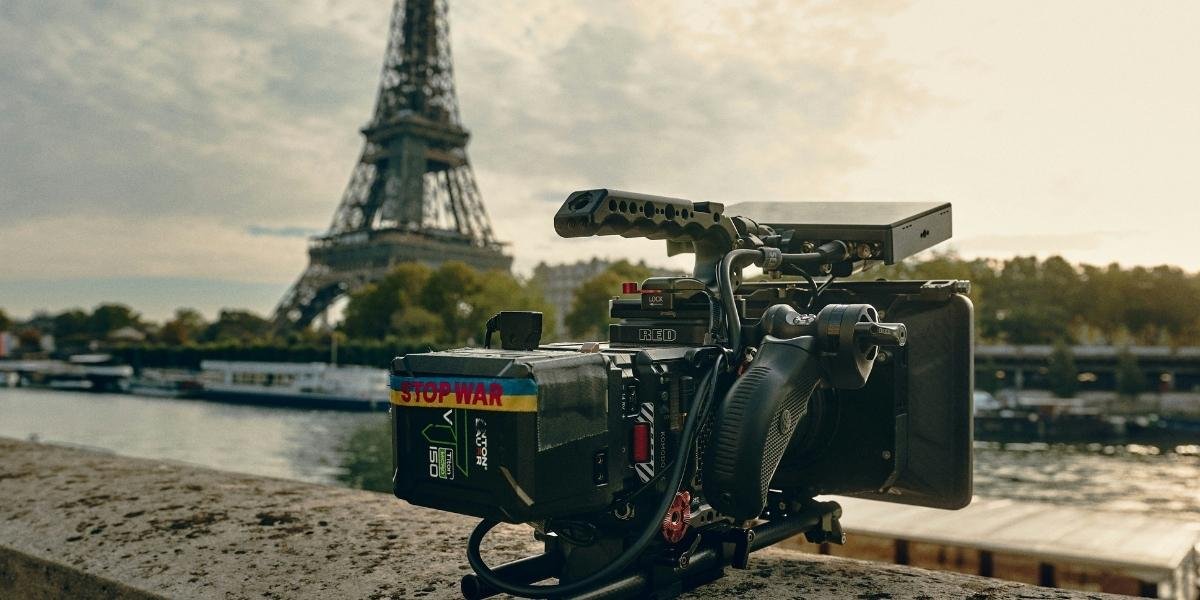

360-degree films have become an increasingly popular form of entertainment, offering a level of immersion that traditional films and videos simply cannot match. These films allow viewers to engage with the content in an interactive way, making them feel as though they are part of the story. Whether through virtual reality (VR) or other immersive technologies, 360-degree films have captured the interest of audiences and creators alike. This article delves into the appeal of 360-degree films, exploring the technology behind them, their impact on the cinema industry, and their potential future.
What Are 360-Degree Films?
360-degree films are a type of immersive film that allows viewers to experience a full panoramic view of the film’s environment. Unlike traditional films, where the audience is confined to a single frame, 360-degree films enable viewers to look around and explore the scene in all directions. This immersive experience is often delivered through virtual reality (VR) headsets, although some platforms also allow for interactive viewing on flat screens using mouse and keyboard or touch gestures.
To achieve this, specialized cameras are used to capture footage from every angle simultaneously. These cameras, known as omnidirectional cameras, are equipped with multiple lenses that capture a 360-degree view of the surroundings. The footage is then stitched together to create a seamless visual experience for the viewer.
The Technology Behind 360-Degree Films
The technology used in 360-degree films is what truly sets them apart from traditional filmmaking. Specialized cameras such as GoPro Fusion and Insta360 are designed to capture a complete, uninterrupted view of the environment. These cameras often contain multiple lenses and sensors that capture the footage from different angles, which is then stitched together using sophisticated software to create a single, continuous panoramic image.
Moreover, 360-degree films are often enhanced with virtual reality integration. VR platforms such as Oculus Rift and HTC Vive allow viewers to step inside the film and interact with the environment. This type of immersion provides a heightened sense of presence, making viewers feel as if they are truly part of the experience, rather than just passive observers.
The Immersive Experience
The primary appeal of 360-degree films lies in their ability to immerse the audience in the story. Traditional films are limited to a fixed perspective, with the viewer merely observing the action within the frame. In contrast, 360-degree films allow viewers to explore the environment, look around, and experience the film from different angles.
Enhanced Audience Engagement
By allowing viewers to control their perspective, 360-degree films create a more personalized experience. The ability to look around and interact with the environment increases engagement, as the audience is no longer confined to a predetermined view. This immersive quality also has the potential to enhance emotional connection, as viewers can become more involved in the narrative.
Sense of Presence
360-degree films evoke a stronger sense of presence than traditional films. The feeling of being physically inside the film’s world can have psychological effects, making the experience feel more lifelike and real. The heightened sensory experience can also enhance emotional reactions, making certain scenes more intense and impactful.
Cinematic Impact of 360-Degree Films
360-degree films have opened up new possibilities for storytelling, offering unique ways for filmmakers to engage their audiences. The ability to create fully immersive environments gives directors and writers more creative freedom, leading to innovations in how stories are told.
Storytelling Innovation
The storytelling in 360-degree films differs from traditional narrative techniques. For instance, directors often use spatial elements and environmental storytelling to guide the viewer’s attention, allowing the audience to discover key plot points on their own. This type of non-linear storytelling allows for multiple perspectives, with the viewer controlling what they see and when they see it.
This shift in storytelling structure encourages filmmakers to rethink the traditional “camera placement” concept, as the audience has the freedom to explore the scene. This opens the door to new creative possibilities, such as multi-perspective narratives and immersive world-building.
Visual and Audio Effects
Visual and audio effects play a critical role in enhancing the immersive experience of 360-degree films. Spatial audio, in which sounds are placed within the 360-degree space, creates a more authentic and enveloping atmosphere. By adjusting the sound according to the viewer’s perspective, filmmakers can enhance the sense of realism.
The use of high-definition video, along with advanced lighting and special effects, also helps to create an environment that feels alive. 360-degree films can transport the audience into breathtaking settings, whether it’s the middle of a busy city or the depths of the ocean.
Applications of 360-Degree Films
360-degree films have a wide range of applications, from entertainment to education, marketing, and more. Their immersive quality makes them perfect for a variety of industries seeking to engage audiences in new ways.
Entertainment and Cinema
In the entertainment industry, 360-degree films are being used as a new form of cinematic expression. Major film studios and independent creators are experimenting with this technology to create immersive narratives that engage viewers like never before. Examples of successful 360-degree films, such as “The Lion King 360,” show the potential of this format in mainstream cinema.
Music and Concerts
The music industry has also embraced 360-degree films, offering virtual concerts and immersive music videos to fans. Artists and musicians can use this format to give fans an up-close, personal experience of live performances, creating a sense of presence even for those who cannot attend in person.
Virtual Tourism and Exploration
360-degree films have become a powerful tool in the tourism industry, allowing people to virtually explore destinations across the world. Whether it’s visiting historical landmarks or exploring remote locations, these films give users the opportunity to experience new places without leaving their homes.
Marketing and Advertising
Brands have started using 360-degree videos in their marketing campaigns to create interactive and engaging content. Whether it’s showcasing a product in a 360-degree space or offering virtual tours of a business, this technology provides a new way for companies to connect with consumers.
Education and Training
360-degree films are increasingly being used for educational and training purposes. Virtual classrooms, medical simulations, and emergency response training are just a few examples of how 360-degree films can be used to create immersive learning experiences.
Challenges in 360-Degree Filmmaking
Despite the appeal of 360-degree films, there are several challenges in creating and distributing this type of content. These include technical limitations, storytelling complexities, and accessibility issues.
Technical Limitations
One of the primary challenges in 360-degree filmmaking is technical limitations, including image resolution and video stitching. The need to capture a full panoramic view requires highly specialized equipment and software, and even small imperfections in stitching can detract from the experience. Moreover, VR headsets can be expensive and require specific hardware, limiting access to 360-degree films for many viewers.
Storytelling Complexity
The freedom given to viewers to choose their perspective can create challenges in crafting a cohesive and engaging narrative. Filmmakers must adapt their storytelling techniques to ensure the plot remains clear and engaging, despite the interactive nature of the medium.
The Future of 360-Degree Films
The future of 360-degree films is bright, with continued advancements in VR technology, improved camera equipment, and greater accessibility. As the demand for immersive experiences grows, it is likely that 360-degree films will become a more integral part of the entertainment landscape.
Advancements in VR Technology
As VR technology continues to improve, we can expect to see higher resolution content and more interactive features in 360-degree films. Future innovations may also make it easier for viewers to access this content, whether through VR headsets or new types of interactive media.
360-degree films are revolutionizing the way audiences experience cinema and other forms of entertainment. By offering a fully immersive, interactive experience, these films have the potential to transform storytelling, audience engagement, and media consumption. As technology continues to advance and more industries adopt 360-degree filmmaking, the appeal of these films will only grow, opening up new creative and commercial opportunities.